
 EN
EN
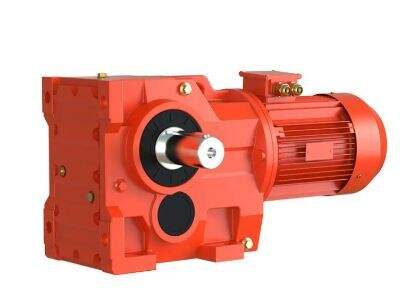
The proper ratio of gears is crucial for machines found in factories and other environments. Gearboxes are like the beating heart of machines, aiding them operate smoothly. At Wuma, we understand the gearbox ratio can have a huge potential to improve how well your machine performs. Once you get the ratio right, the machine is able run efficiently and save energy as well as time. If it’s incorrect, the machine may not function as efficiently and this can cause waste and even breakage of the machines. That’s why learning gearbox ratios is essential for anyone dealing with machines
The Impact of Gear Ratio Selection on Industrial Drive Efficiency
When we discuss gearbox ratios, what we’re talking about is the relationship between the speed of the motor and how that’s connected to the speed of whatever you’ve got for an output on your machine. The ratio effectively tells us how many rotations of the input shaft we get for one rotation on the output shaft. If the ratio is high, the output shaft turns more slowly but provides a higher torque. This may be excellent for heavy-duty work. Conversely, a lower ratio would mean the output shaft turns more quickly, which is ideal for lighter work. If a factory wants to lift heavy items, they’ll prefer the higher ratio. But if you’re running fast-moving conveyors, a smaller ratio may be best
Imagine you have a machine that has to lift some boxes. If the gearbox ratio is wrong they would either not be able to lift the boxes at all, or the motor could wear out trying. This has the potential to result in wasted energy, increased expense. If the ratio is too high, the boxes can rise too much, though the machine may move too slowly and production suffer slowness. By choosing the right ratio, factories can ensure that their machines operate efficiently and take a bite out of electricity bills
At Wuma, we assist in choosing the proper gearbox ratio for every individual task. As we understand, different tasks have different speeds and powers. We have seen firsthand that machines run better and often times longer, when the correct gearbox ratio is applied. That amounts to less downtime for repair a major victory for any factory
The Effect of Gearbox Ratios on Machinery Reliability
Another thing we need to consider is how gearbox ratios influence the reliability of machinery. Turns out these machines are less likely to break, when they run well. Picking the right gearbox ratio is one way to keep machines up and running. If the ratio isn’t right for the work, it can lead to wear and tear. For example, if a machine is running at a speed that exceeds its gearbox ratio by too much, parts can wear out more quickly. This can result in unexpected breakages that can be costly and time-consuming to repair
Think for a minute about a factory producing plastic bottles. If the machine that forms the bottles has a gearbox ratio that is too high, it could get by for some time, but wear and tear may occur in places. It means the factory will have to spend money on repairs and wait while the machine is being fixed, slowing production
At Wuma, we know that to be reliable is of the utmost importance. That’s why we concentrate on assisting in the selection of gearbox ratios. We want our devices to work for a very long time without fail. At the right ratio, machines can get their jobs done without working themselves to death. That ensures that everything runs smoothly and helps factories steer clear of costly problems. When the system functions correctly, it results in happier workers and better products, which is what every factory dreams of
PICK THE RIGHT GEAR RATIOS FOR YOUR APPLICATIONS
When selecting a proper gear ratio for machines, understanding what speed and torque mean is of paramount importance. Torque is the force that assists in turning an object, and speed is the rate at which something moves The gearbox ratio is a means of adjusting increasing or reducing the power from a motor so that you have the appropriate amount of torque and speed for a task. For instance, if you need more power to pickup weighty stuff, then you’ll prefer a higher ratio. This means for each rotation of the output, the motor turns many more times, which gives you more torque. Lower is also good if you need to move something quickly think a conveyor belt In this manner, the output can rotate more quickly and thus accelerate the movement
In choosing the right ratio, “it’s like creating the perfect recipe. You’ve got to think about what you want to accomplish. Wuma will be able to help you choose the best ratio for what you require. Begin with the weight of your shipment. If you're a heavier/taller rider (or climbing extreme hills) pick the larger ratio for more torque. For items that just need to get up and go, use a lower ratio. You also need to consider what kind of motor are you using. Some motors prefer some ratios to others. It’s also worth thinking about the work place. It may depend on how often the machine will be run all day long, they noted for instance, you might need a different ratio of shocking to sweet if only using it briefly. Wuma do have the expertise to help you through this process so that you get optimal performance from your machines
How Gear Ratios Affect Energy Usage in an Industrial Setting
Gearbox ratio will also affect how much power a machine consumes. The energy consumption is crucial, because it has an effect on costs and environment. The appropriate gearbox ratio can save energy and reduce costs. For one thing, if the ratio is too high on a job that doesn’t require much torque, the motor will strain harder at it than necessary. This is also more electricity and can wear down the machine sooner. Conversely, if the ratio is too low, the motor may have difficulty doing its job and energy is wasted
Through Wuma, he seeks to assist businesses and companies in striking the perfect balance, where machines run smoothly, efficiently. When choosing a ratio for the gearbox, it's important to know how frequently the machine will be operated. Even for machines that run all day, a more efficient ratio could save money over the long haul. It’s also a good idea to consider peak hours of use. It also becomes more difficult to manage energy use in periods of heavy demand if a machine needs increasing amounts of power every time it runs. Knowing how gearbox ratios work in the business can save a company money and lessen its impact on the environment. Wuma is committed to offer solutions that helps industries in saving energy with job well done
How to prevent making the wrong choice when selecting a gear ratio for your industrial drive
Picking the right gear ratio can be troublesome, and there are some typical pitfalls people often fall into. One of the simplest mistakes is to not take into account the entire system. When you pick a ratio, it’s critical to regulate the motor, load and application. Another thing that happens is that some people overemphasize one part and end up with a ratio that is not taking advantage of the rest of the system. Wuma encourages a holistic approach. Always consider how everything in the machine is interconnected
Another pitfall is by not verifying the gear box ratio before actually making it. Tests are vital to determine how the chosen ratio works in actuality. You will probably be disappointed by the performance of your ratio calculator if you neglect to do this. It's better to have a trail in which you'll be able to see on of them the gear box ratio would affect the performance of the machine,” he declines. Finally, check in on the maintenance of the gear system. Sometimes people get amnesia and forget that regular checkups can head off problems in the future. A well maintained Gearbox will be smoother and last longer saving time & money in the future. Picking the right gearbox ratio carefully and diligently will help industrial drives operate efficiently and properly. Avoid these and other popular pitfalls with the help of Wuma, who is there to guide all of your investments on machines
Table of Contents
- The Impact of Gear Ratio Selection on Industrial Drive Efficiency
- The Effect of Gearbox Ratios on Machinery Reliability
- PICK THE RIGHT GEAR RATIOS FOR YOUR APPLICATIONS
- How Gear Ratios Affect Energy Usage in an Industrial Setting
- How to prevent making the wrong choice when selecting a gear ratio for your industrial drive