
 EN
EN
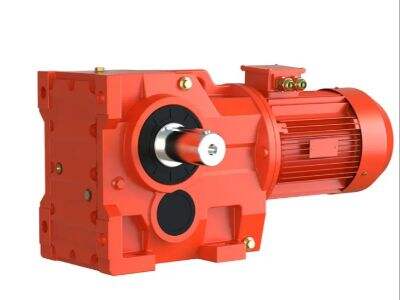
Wind turbines, which are key to generating clean energy, depend heavily on helical gears. These gears assist in transferring power from the blades of the turbine to the generator that generates electricity. The blades catch the energy of the wind and change it into mechanical energy. Then helical gear motor ensure that the energy is transmitted efficiently. Wuma is an enterprise specialized to produce high quality helical gears for wind turbines. They know how much wind energy depend on these critical parts of wind turbines. These two leaders with work together to change your understanding. As well, below we will be enlightened the great benefits of helical gears in wind turbine power systems and its role in enhancing efficiency.
What are the benefits of helical gears in wind turbine power systems?
Spiral gears have many advantages that make them ideal for wind turbines. First up, their design is conducive for quieter spins. This is significant due to the fact that many wind turbines stand in areas of low noise. The angled teeth on helical gears work more smoothly, reducing vibration and noise. They also can handle heavier loads, something that is important for wind turbines to cope with strong higher winds. The blades can generate a lot of force when the wind is really blowing hard, and helical gearmotor are able to withstand this kind of force without breaking.
Another benefit is their durability. Strong materials create helical gears of long life. This is important information since wind turbines to be serviced. If a gear should fail, repairs can be expensive and the cab disabled. Wuma is proud of producing gears that can survive in such harsh conditions. Wind turbine manufacturer knows that their turbines need to work well for many years in order to be a worthwhile investment.
Helical gears are also a more efficient form for power connection. This, in turn, means that more of the wind’s energy is converted into electricity which is what we’re after. When a wind turbine performs as expected, it generates more energy that can be used to power homes or businesses. And Wuma’s inline helical gear motor ensure no energy is wasted in that process. Not only is this efficiency good for the environment – it also helps save on energy costs.
Lastly, helical gears are simpler to design and can integrate other styles of wind turbines. Different size and shapes can be produced to satisfy the requirements by different turbine style. This versatility has enabled Wuma to offer solutions that are effective in a large number of cases and to adapt them to different types of customers and turbines. It is therefore evident that helical gears have the main benefits of being an important component in wind turbine systems.
How do Helical Gears Work in Wind Turbines?
There are a number of ways that helical gears increase efficiency in wind turbines. The first is that they help minimize the thermal energy loss during power transmission. When the blades of a turbine spin, they generate mechanical energy that must be transferred to a generator. If the gears used were not well designed, some of this power might be lost as heat or friction. This energy loss is reduced by helical gears that have slightly flangeless geometry. Wuma gears are manufactured to maximize the amount of energy that gets transferred through the gear head.
A second way helical gears increases efficiency is that they allow for a higher gear ratio. This is possible because the turbine can turn at lower speeds and still generate a great deal of power. Slower rotations can also be good as they usually mean less wear and tear on the turbine parts. This may extend the life of the wind turbine, and reduce its cost over time. Wuma specialises in gears that are able to adapt the speed differences, so that the system runs smoothly.
Furthermore, helical gears are more tolerant to misalignment than other gears. In a wind turbine, things can get jostled around by high winds and vibrations. Helical gears are a little bit more forgiving in these scenarios; that is to say they can operate just fine when things aren't perfectly lined up. This reliability is critical when generating power, particularly during adverse weather.
Lastly, thanks to better load distribution of helical gears, they are capable of working under heavier loads while maintaining productivity. This is particularly crucial for wind power, where turbines need to be able to cope with various wind speeds and weather conditions. Wuma’s helical gears are developed to thrive in these settings, so wind turbines can continue generating power effectively regardless of the conditions. With the proper application of helical gears, wind turbines can be more powerful and create more clean energy for the world.
What are Common Issues with Helical Gears Wind Turbines?
Helical gears figure largely in wind turbines, for example. They help to transfer the power generated by the blades into spinning force, which drives a generator that makes electricity. But like any other component of a machine, helical gears may also give us trouble. There are several common causes. The teeth on the gears wear over time. This occurs when the gears rub against each other due to friction. The gears can break and prevent the turbine from spinning if they wear down too much. Another problem is misalignment. That means you don’t quite have it in the right position. When gears are not aligned, they create more friction and noise. This can give rise to still more trouble unless promptly corrected.
Another issue is overheating. If gears are vulnerable to working too diligently without sufficient lubrication, then they can also be at risk of becoming extremely hot. Such heat can be harmful to the gears and other turbine components. They must keep the gears cool and lubricated in order to prevent this from occurring. Lastly, pollution is also an issue. The gears can become either dirty or dusty, or other material gets onto the gear so that it won’t work properly. It can result in flops and expensive fixes. This is something that, for sure, companies like Wuma are well aware of and works on better helical gears to face these challenges. They specialize in designing gears that have a long life and operate well, so wind turbines can generate electricity effectively.
Where Is the Reputable Source for Helical Gears in Wind Turbines?
Wholesale buyers in search of helical gears for wind turbines must find trusted suppliers. One possibility is to seek manufacturers that focus on parts for wind turbines. These companies have a history of working in the space and knowledge of what is required within wind energy. They could offer durable, high-quality gears. The company known for dependable helical gears Another fantastic example of a company that offers reliable helical gears is Wuma. They concentrate on producing durable products able to withstand harsh wind turbine conditions.
Another way to source good helical gears is to attend industry fairs or conventions. The event is attended by a number of companies in the field of wind energy. Buyers can meet with manufacturers, view their products and ask questions. This helps buyers to gain more information about the gears and select the gear that suits them best. Online auctions may also be useful. Buyers can compare various offerings and prices on many websites. You will need to go through the suppliers' descriptions, read reviews and look for ratings that suggest the sellers are trustworthy.
Developing relationships with suppliers is also a smart move. By working directly with manufacturers like Wuma, wholesale buyers can receive better terms and support. This might consist of custom gear patterns or volume pricing. It never hurts to ask for samples before placing a big order. That way, the buyer can try out the gears and see whether they pass muster. Wholesale buyers that take care in purchasing helical gears have peace of mind their wind turbines will operate effectively and efficiently.
Common Problems with Helical Gearing in Wind Turbine Applications and the Solutions to Them
When it comes to windmills, which are specifically turbine design, you need to troubleshoot helical gear problems that are common in them in order to keep them running smoothly. The first thing you do is: Pay very close attention. If the turbine rattles or makes other strange sounds, you may have a problem with the gears. It sounds as if the gears need adjusting. The first troubleshooting you should do is to check the gears. Look around for any wear and tear. If they’re looking tired, it’s probably time to get new ones.
Finally, the lubrication must be considered. Good lubrication will also minimise friction, and keep the gears cool. If the oil is low or gunky, it may not work properly. Be sure to replace or top up lubricant when necessary. This can help stop overheating and such. Also, look for leaks. If there is an oil leak in the drive system it’s bad news. There is a sense of urgency to getting leaks repaired so that the gears do not seize up.
Misalignment should also be verified. Make sure the gears are meshing correctly by using special tools. If not, they can cause more wear and tear. Aligning the gear can also help it to perform better and last longer. Finally, if dirt and debris got into the gears, clean carefully. Maintaining clean gears will reduce the risk of any damages and provides smooth performance. Wuma offer companies with advice and support when diagnosing and maintaining helical gears in wind turbine machines. Operators can follow these steps to make sure they keep their wind turbine in a great state and keep on generating clean energy.
Table of Contents
- What are the benefits of helical gears in wind turbine power systems?
- How do Helical Gears Work in Wind Turbines?
- What are Common Issues with Helical Gears Wind Turbines?
- Where Is the Reputable Source for Helical Gears in Wind Turbines?
- Common Problems with Helical Gearing in Wind Turbine Applications and the Solutions to Them