EN
EN

-
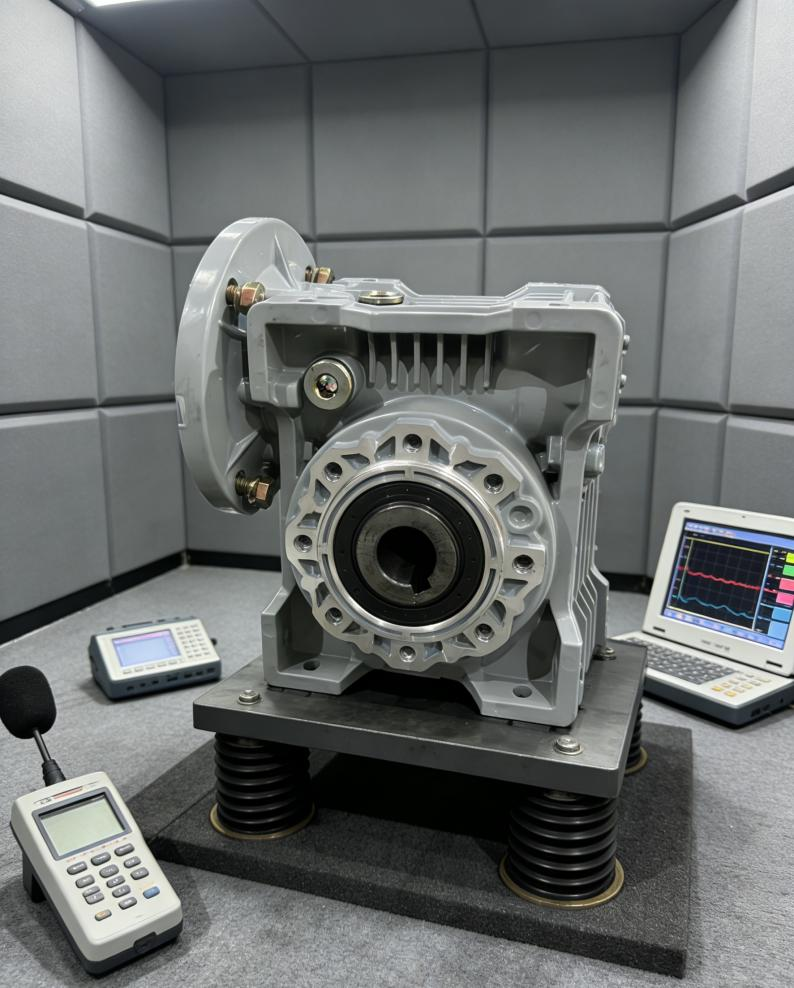
Gearbox Noise: Causes, Acoustic Diagnosis & Engineering Solutions
Diagnose abnormal gearbox noise by sound signature and explore engineering solutions across gear design, precision manufacturing, alignment, and lubrication. Guide by Wuma Drive.
Sep. 19. 2026 -

Gearbox for Food Industry: Drivetrain Solutions & Washdown Standards
Engineering drivetrain solutions for the food processing industry — covering raw material mixing, filling, continuous conveying, IP69K washdown hygiene standards, and Wuma Drive WMSS stainless steel reducers.
Sep. 17. 2026 -

Gear Reducers for Amusement Rides: How Wuma Drive Keeps Theme Parks Running
WUMA Drive provides precise, reliable WMRV, WR, and WK series gear reducers for amusement park rides—carousels, Ferris wheels, roller coasters, and swing rides.
Sep. 15. 2026 -

Gear Backlash in Gear Reducers: Causes, Effects, and Selection Guide
Gear backlash is the designed gap between meshing gear teeth. This guide explains why backlash is necessary, what excessive backlash causes, and how to factor it into gearbox selection.
Sep. 12. 2026 -
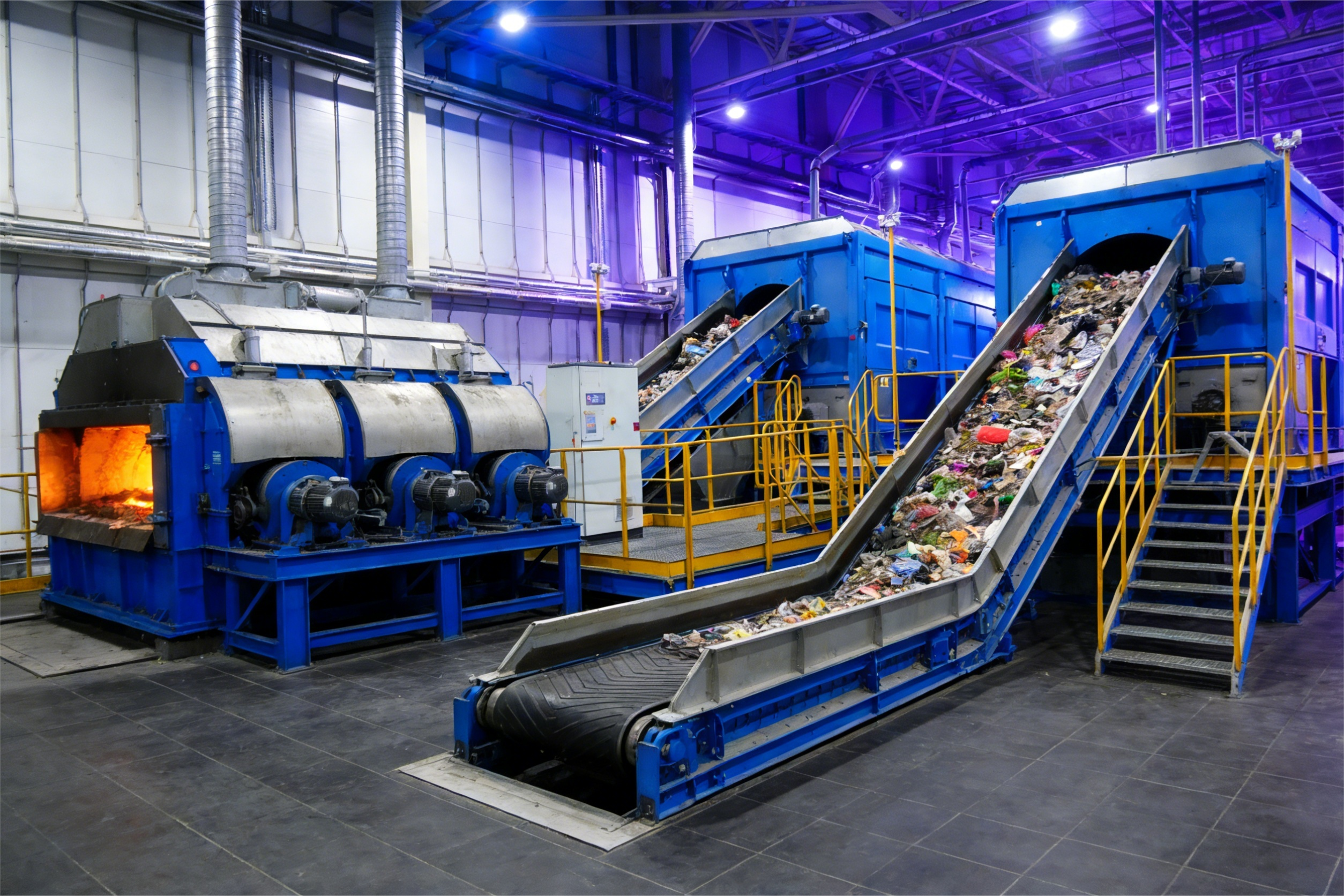
Conveyor Gearbox Selection: 4 Mistakes That Cause Early Failure
The most common conveyor gearbox selection mistakes — ignoring real load, wrong mounting type, mismatched environment, and wrong sizing. Each mistake paired with the correct selection approach.
Sep. 09. 2026 -
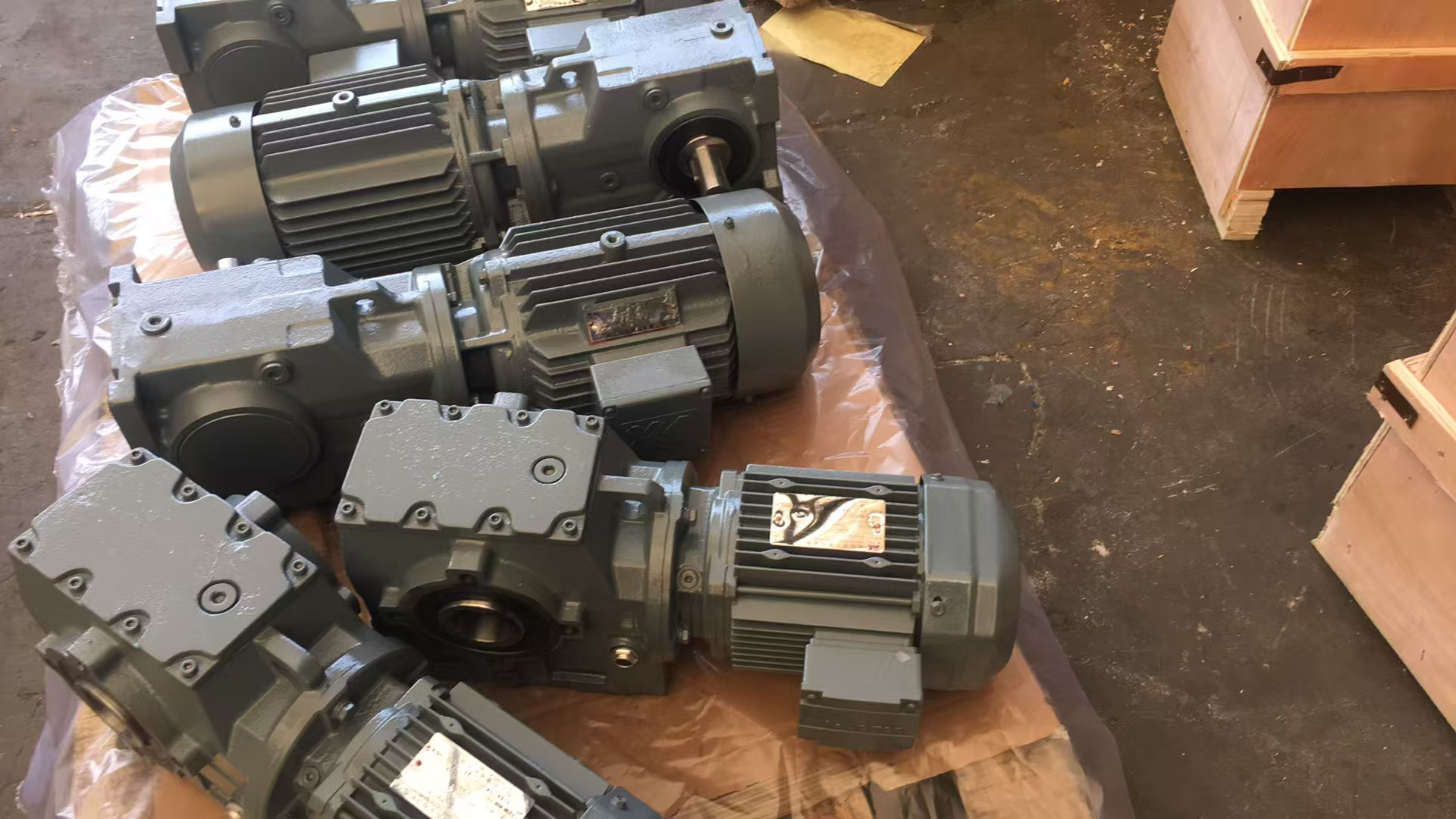
Gearbox Motor Connection Guide: Flange vs Coupling vs Integrated Gearmotor
How to connect a gearbox to a motor — compare flange connection, coupling connection, and integrated gearmotors. Includes motor nameplate parameters for correct matching.
Sep. 08. 2026 -

Gear Reducer Lubricant Selection Guide: Oil vs Grease, Viscosity Grades, and Gear Type Recommendations
How to choose the right gear reducer lubricant — oil vs grease, viscosity grades (VG220/VG320), gear types, and key selection criteria for industrial gearboxes.
Sep. 02. 2026 -
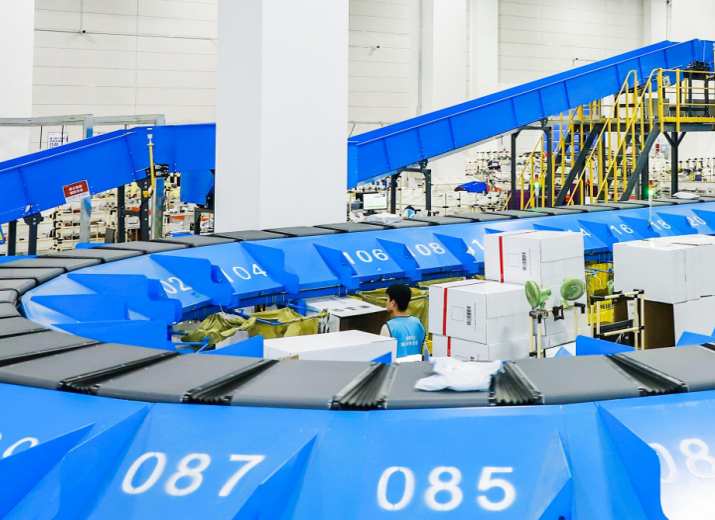
Gearbox for Automation: Industrial Selection Guide by Application
How to select the right gearbox for automated production lines — covering robotic arms, conveyors, hoists, and harsh environments. Compare worm, helical, planetary, and hypoid series with application-matched product recommendations from Wuma Drive.
Aug. 26. 2026 -
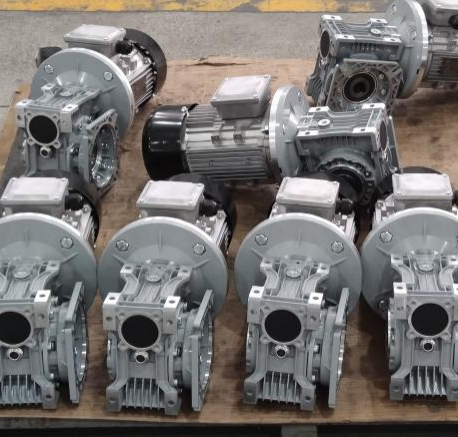
Servo Motor Gearbox Selection Guide: Flange Compatibility & Integration
How to match a servo motor to the right gearbox — covering square flange dimensions, shaft interface standards, and compatible reducer series (RV, R, K, F, S, WKM). Download Wuma Drive's full product catalog with input dimension tables.
Aug. 24. 2026 -
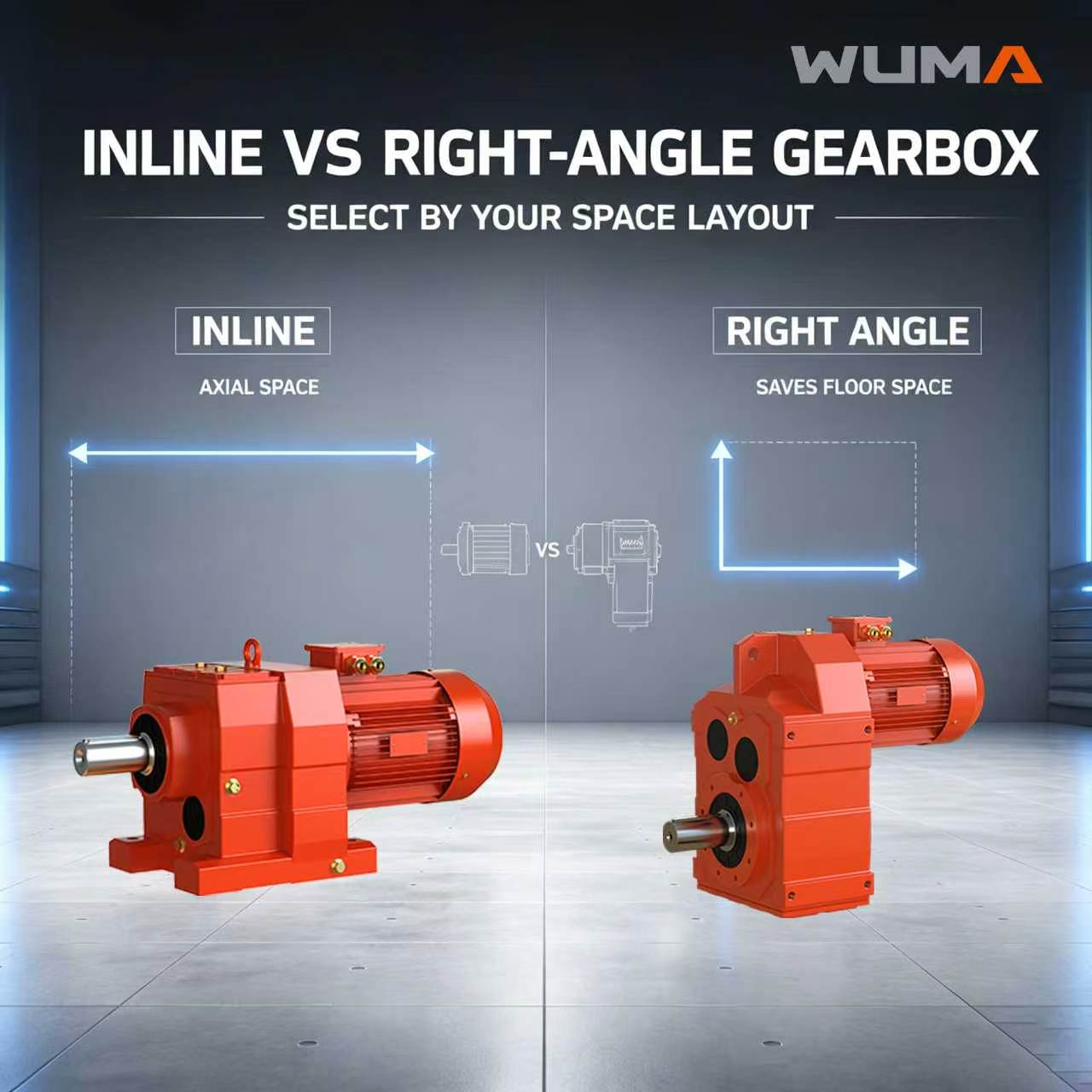
Right Angle Gearbox vs Inline Gearbox: How to Select Type and Mounting Position Based on Your Space Layout
Right angle gearbox or inline gearbox — which fits your space layout? A 5-point decision guide covering shaft direction, mounting orientation, lubrication, and maintenance access, with product recommendations from Wuma Drive.
Aug. 18. 2026 -
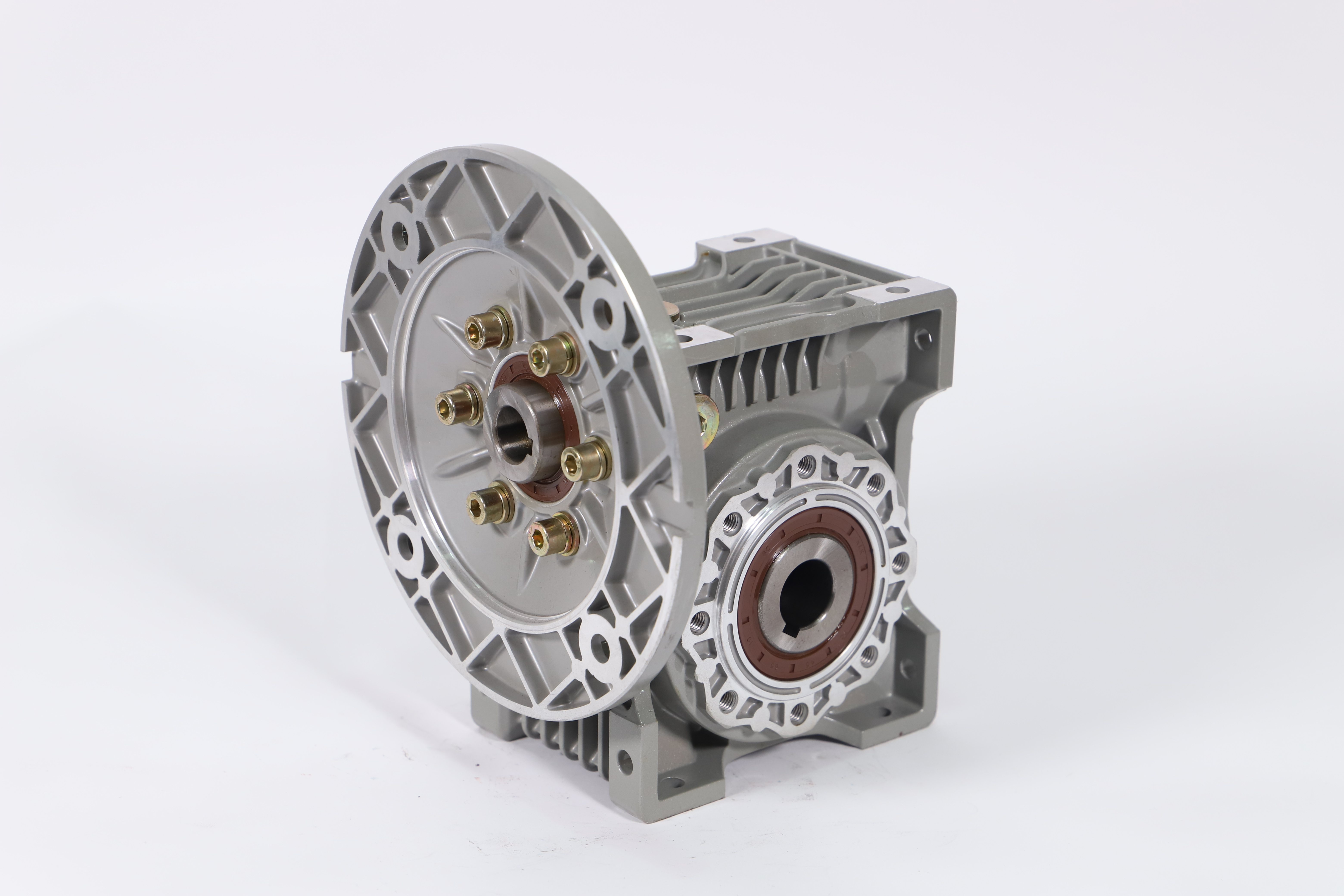
WMRV Series: A Drop-In Alternative to International Brand Worm Gear Reducers
Wuma Drive WMRV series worm gear reducers are dimensionally compatible with leading international brand standards — same mounting footprint, same shaft specs, CE / ISO 9001:2015 / ATEX certified, exported to 80+ countries.
Aug. 11. 2026 -
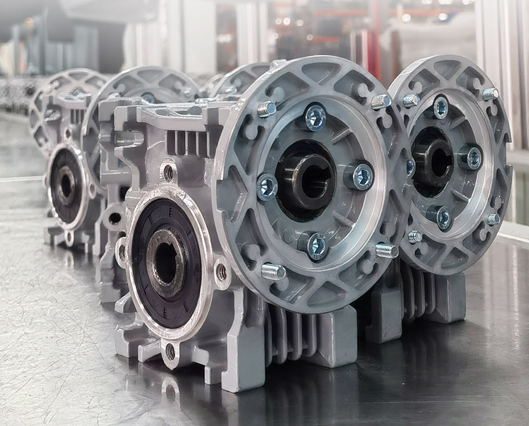
Worm Gear Reducer: How It Works & Common Fault Troubleshooting Guide
Learn how a worm gear reducer works, its core components, and how to diagnose and fix the four most common faults: overheating, noise, abnormal vibration, and oil leaks.
Jul. 31. 2026