
 EN
EN

Direct answer: The worm gear reducer transmits motor power through a sliding-contact worm-and-wheel gear pair to reduce output speed and multiply torque. Its four most common operational faults — overheating, abnormal noise, vibration, and oil leaks — each have traceable root causes and defined corrective actions. Identifying the specific cause before applying a fix prevents repeat failures and unnecessary component replacement.
1. Composition and Operating Principle
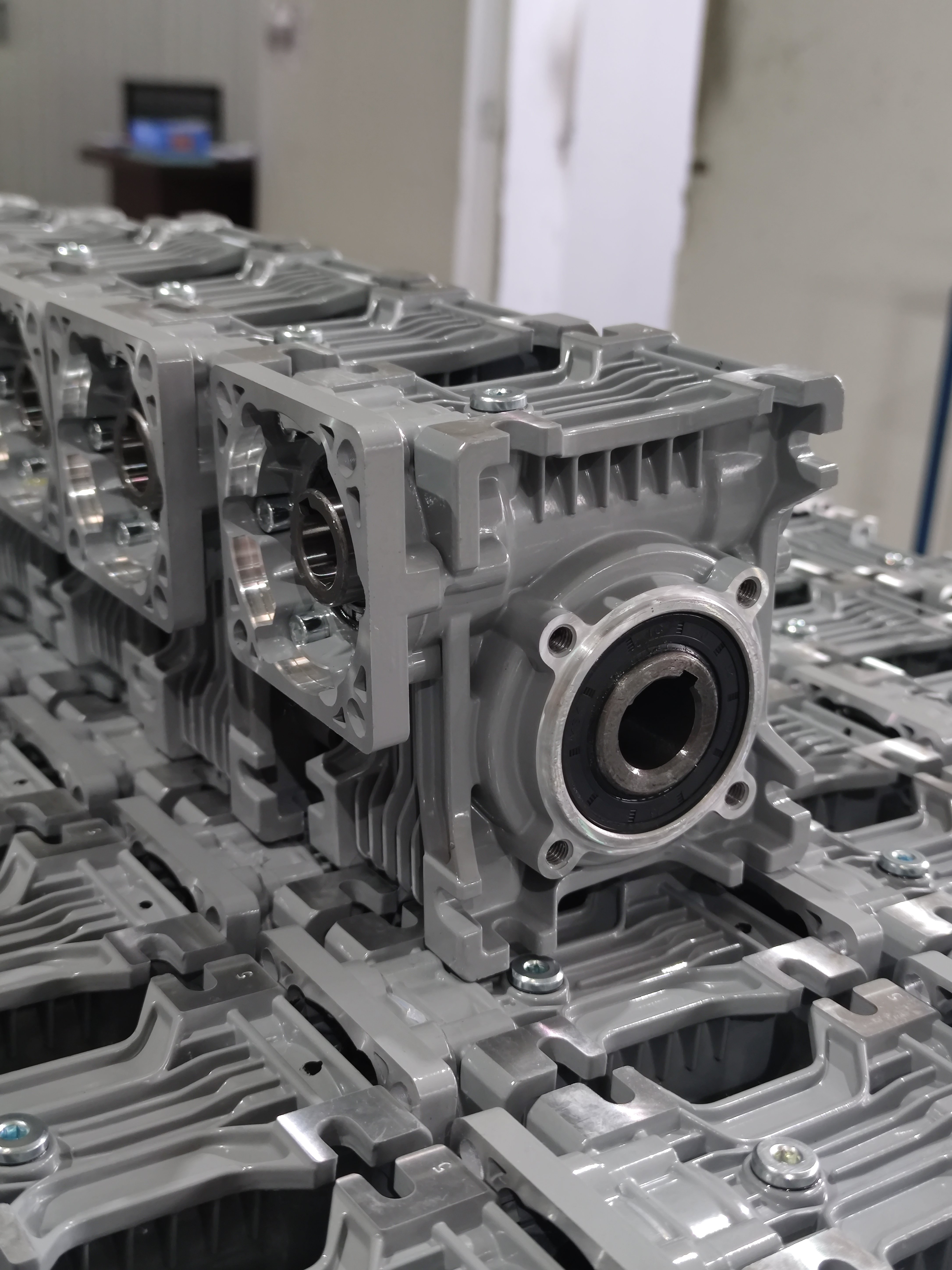
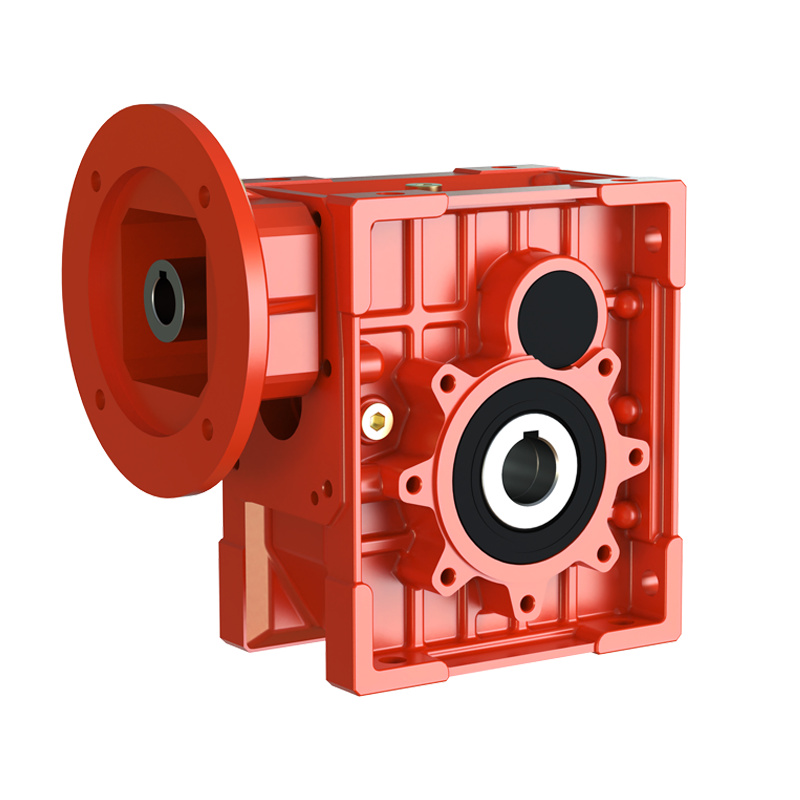
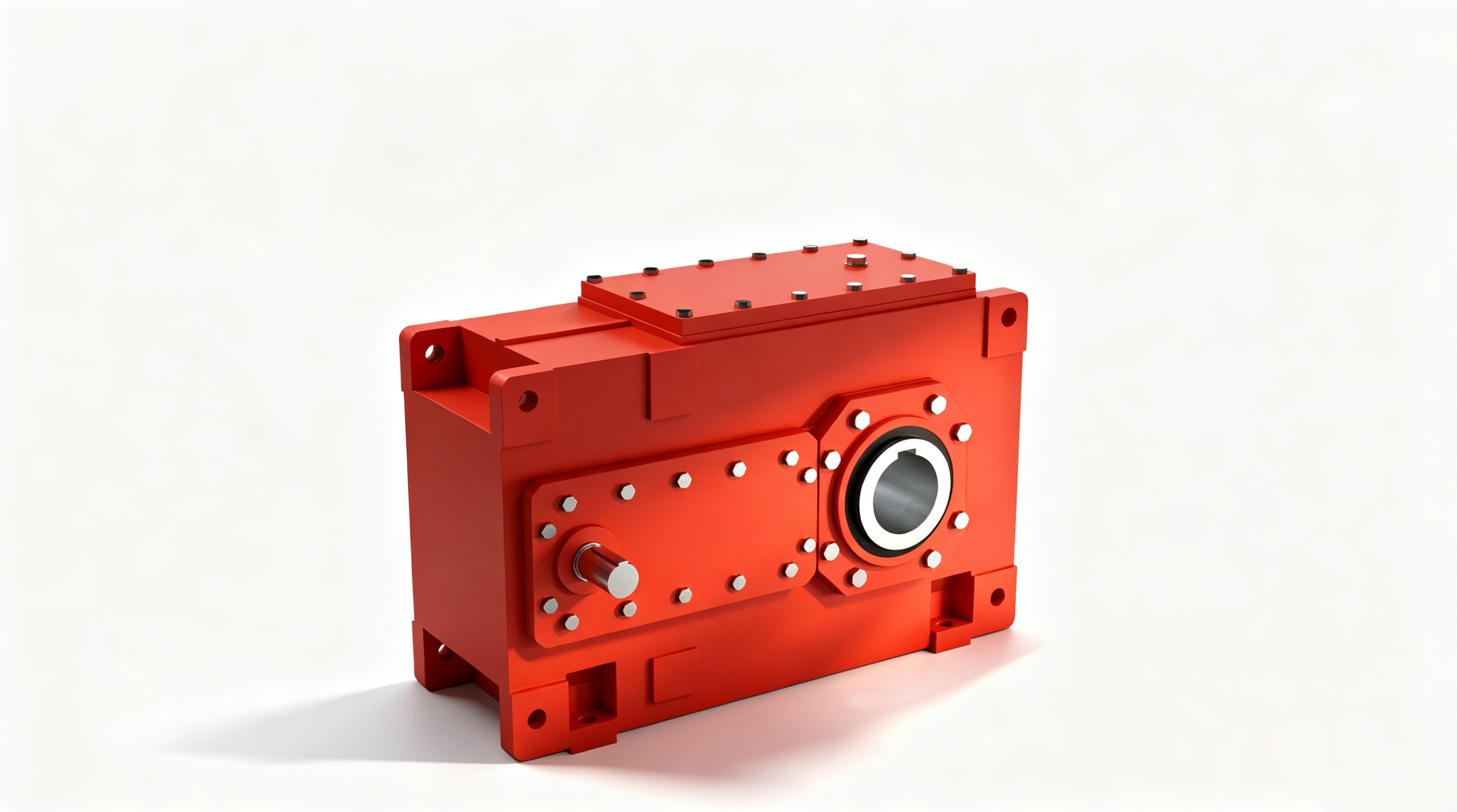
A worm gear reducer is an industrial power transmission device that uses a gear pair to reduce motor speed to the required output speed while proportionally increasing output torque. The WMRV series comprises five main elements:
- • Housing — the structural foundation that supports and precisely positions all internal components, maintaining correct alignment under load.
- • Worm shaft — the helical screw connected to the motor input, manufactured from hardened steel to resist the sliding contact against the worm wheel.
- • Worm wheel — the bronze gear meshing with the worm shaft; the softer material is chosen to reduce friction and wear on the harder worm, accepting the tribological sacrifice at the wheel surface.
- • Shaft and bearing assembly — transmits power to the output shaft and absorbs both radial and axial loads generated by the helical gear geometry.
- • Sealing and lubrication system — oil seals, the oil sight glass, and the lubricant itself protect internal components, manage heat, and maintain transmission efficiency over the unit's service life.
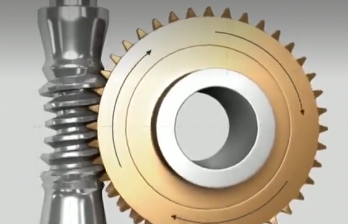
The worm gear reducer's core mechanism is sliding-friction transmission: the worm screw moves across the face of the worm wheel, reducing speed through the tooth-count ratio while multiplying torque. This sliding contact makes the worm gear reducer inherently quieter and more compact than spur gear designs, but also generates more heat per unit of power transmitted — which is the root cause of most operational faults discussed below.
Worm gear reducers are widely used across chemical, food, pharmaceutical, power, textile, printing, and agricultural machinery applications — wherever a compact, quiet, high-torque-ratio drive is required.
2. Common Faults and Troubleshooting
2.1 Gearbox Overheating
Worm gear reducers use non-ferrous metal (typically tin bronze) for the worm wheel and hardened steel for the worm — a material pairing optimized to manage sliding friction, but one that converts a portion of input power into heat as an inherent byproduct. Under normal operating conditions, this heat is dissipated through the housing surface and lubricant circulation. When heat generation exceeds dissipation capacity, operating temperature rises above the rated limit.
If the temperature exceeds the allowable range, shut down immediately and inspect the lubrication and cooling systems before restarting.
Possible causes:
- Overload operation — actual load exceeds the rated service factor
- Insufficient or excessive lubricating oil — both extremes impair heat dissipation
- Incorrect lubricant grade — viscosity mismatched to operating temperature range
- Excessive oil seal friction — worn or incorrectly installed seals generating additional heat
- Output shaft misalignment — angular or parallel misalignment creating additional radial load on bearings
Corrective actions:
- Verify the actual load is within the reducer's rated output torque and service factor
- Check oil level against the sight glass; top up or drain to the specified volume
- Drain and replace with a lubricant grade matched to the operating environment
- Apply lubricant to the oil seal contact surface; replace if worn
- Re-check shaft alignment using a dial indicator and correct to within specification
2.2 Abnormal Noise
Worm gear reducers operate quietly under normal conditions — any sudden change in noise pattern typically signals a developing fault. The noise character (grinding, clicking, whining) often indicates the specific component involved.
Possible causes:
- Poor worm-and-wheel mesh contact — tooth surface wear, pitting, or manufacturing defect
- Damaged bearings or excessive bearing clearance — produces rhythmic clicking or grinding
- Insufficient lubricating oil — metal-to-metal contact at gear and bearing surfaces
- Foreign object intrusion — contaminants in the oil or housing causing intermittent impact noise
Corrective actions:
- Inspect gear contact patterns; repair surface damage or replace gears if wear exceeds tolerance
- Replace bearings and verify preload and clearance settings
- Top up lubricant to the specified level
- Drain and flush the oil system; filter or replace the lubricant and inspect housing for contamination entry points
2.3 Abnormal Vibration
Vibration levels above the normal baseline indicate a mechanical imbalance or structural fault. Unlike noise — which may be intermittent — abnormal vibration is typically continuous and worsens progressively if the root cause is not addressed.
Possible causes:
- Improperly secured transmission connection — coupling or coupling guard not fully tightened
- Worn or damaged worm gear — uneven tooth engagement causing cyclic load variation
- Worn or damaged bearings — radial play causing shaft whip
- Loose mounting bolts — resonance amplified by inadequate structural support
- Foreign object intrusion into the housing
Corrective actions:
- Inspect and secure all transmission connections; verify coupling alignment
- Replace worn worm gear components — source replacement parts from the original manufacturer to ensure dimensional and material compatibility with the existing worm shaft
- Replace bearings and re-torque all mounting bolts to specification
- Remove foreign objects; flush and replace the lubricating oil
2.4 Oil Leaks
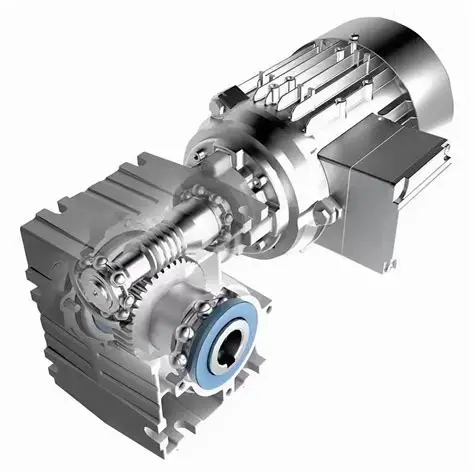
Lubricating oil serves three concurrent functions in a worm gear reducer: reducing friction, sealing internal surfaces, and removing heat from the gear contact zone. Oil leaks compromise all three simultaneously — so early detection and prompt correction are essential to preventing secondary damage to gears and bearings.
The oil sight glass is the primary diagnostic tool: its transparent window allows direct visual inspection of oil level, color, and contamination. A color change from amber to milky white indicates water emulsification; dark discoloration indicates thermal degradation. Both require immediate oil change regardless of the interval schedule.
Common sources of oil leaks:
- • Worn or damaged oil seals — the most frequent cause; seals degrade from heat cycling and contact friction over time and require periodic replacement
- • Overfilling — excess oil creates pressure that forces lubricant past seals and housing joints; always fill to the level indicated on the sight glass or in the installation manual
- • Cracked or damaged oil sight glass — direct leakage point; replace immediately
- • Thermal expansion gaps at housing joints — particularly in high duty-cycle applications, repeated heating and cooling can loosen static seals at housing mating faces
Inspect oil seals and the sight glass as part of scheduled maintenance, and replace worn seals before leaks develop. Confirm the correct oil volume for the specific mounting orientation — horizontal, vertical, and wall-mounted configurations have different fill requirements.
If any of the faults above cannot be resolved through the steps described, contact a Wuma Drive technical representative. Zhejiang Wuma Drive Co., Ltd. provides after-sales support backed by more than 30 years of worm gear reducer manufacturing experience across a broad range of industry applications.
Looking for a reliable worm gear reducer or need technical support?
View WMRV Series → Contact Us →
 Hot News