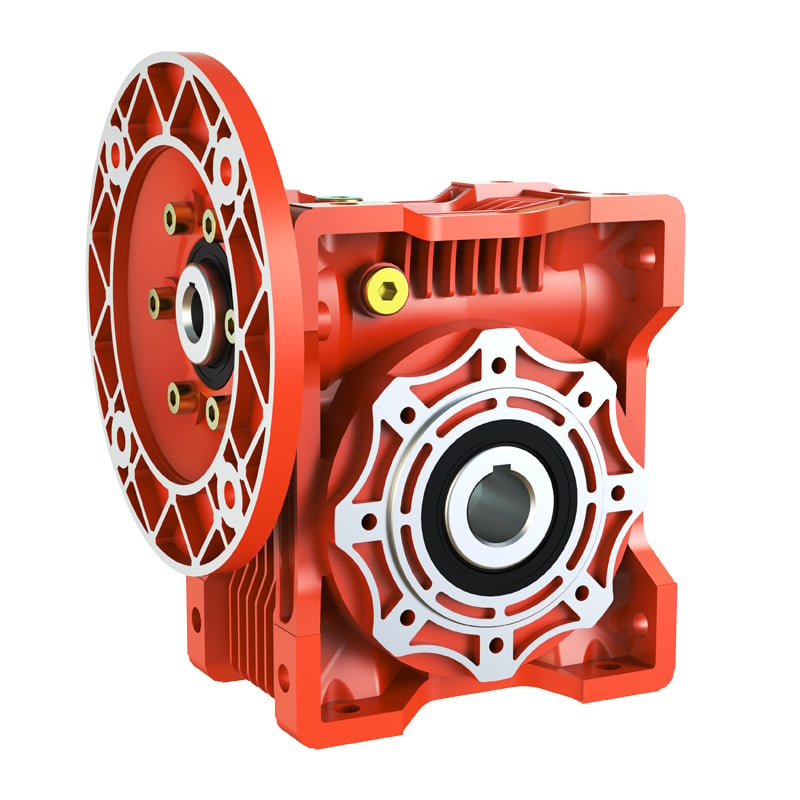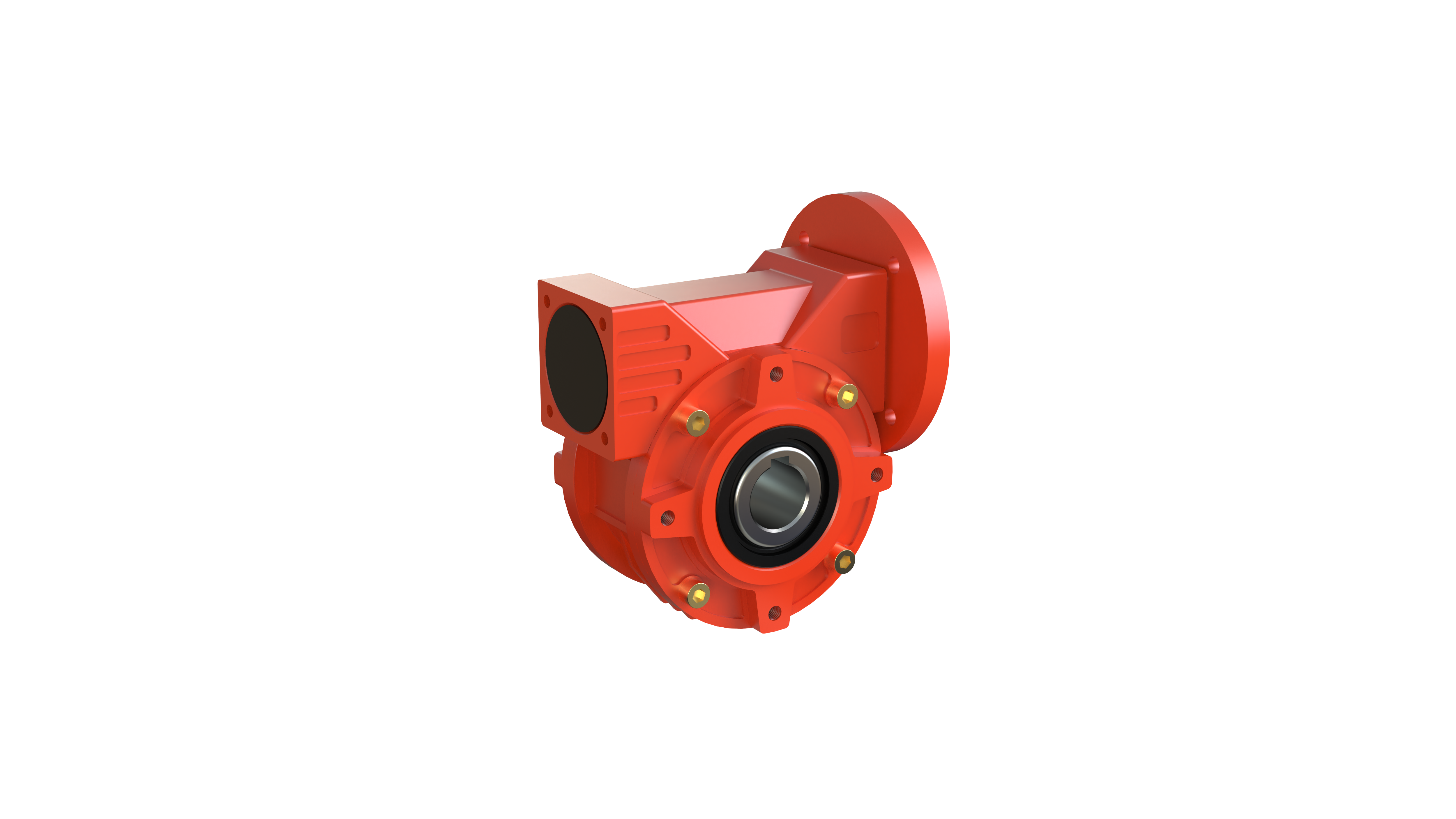

Quick Answer: In automated production lines, a gearbox converts motor speed to the torque and precision each process requires. The right series depends on four factors: output direction (inline vs. right-angle), precision requirement, load type, and environment. Wuma Drive's WMRV, WF/WR, WK, WS, WMSS, and WKM series each target a distinct automation scenario — use the selection guide below to match your application.
Servo and stepper motors produce high-speed, low-torque output by design. A gearbox performs two functions that directly determine production line performance:
Converts high-speed, low-torque motor output into the low-speed, high-torque mechanical force the load actually needs — letting smaller, more economical motors drive larger loads.
Increases system rigidity and suppresses load disturbances — enabling ±0.1 mm positioning repeatability for robotic arms, CNC loaders, and precision assembly stations.
Together, these functions determine cycle time, product consistency, and line uptime — which is why gearbox selection should be treated as an engineering decision, not a commodity purchase.
Use this matrix to identify the right gearbox series for your automation scenario:
| Application | Key Requirement | Recommended Series | Output Direction |
|---|---|---|---|
| Robotic arm / pick-and-place | High torque, modular design, WMRV upgraded | WKM Hypoid | Right-angle |
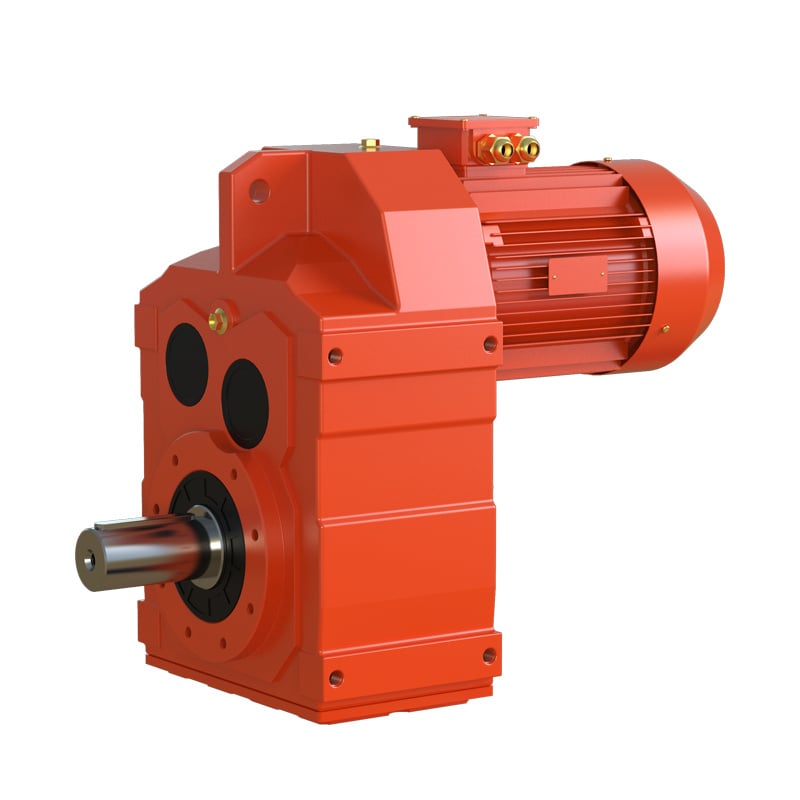
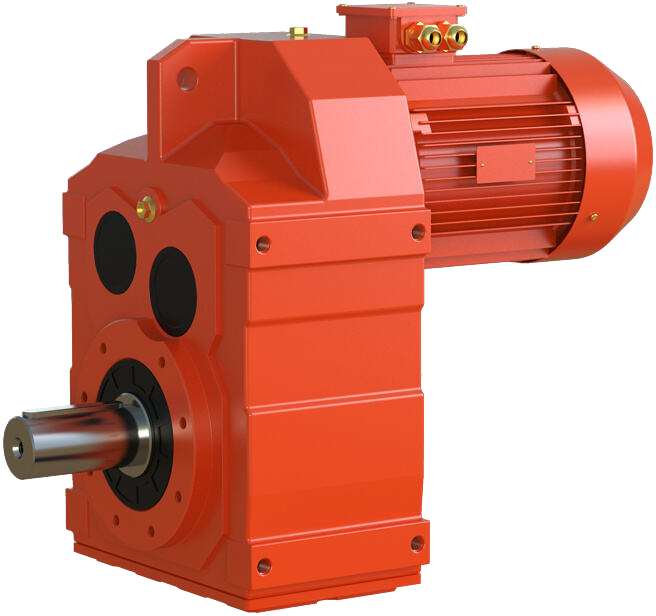
| Main conveyor / continuous heavy load | High torque density, fatigue strength, 24/7 duty | WF / WR Helical | Inline |
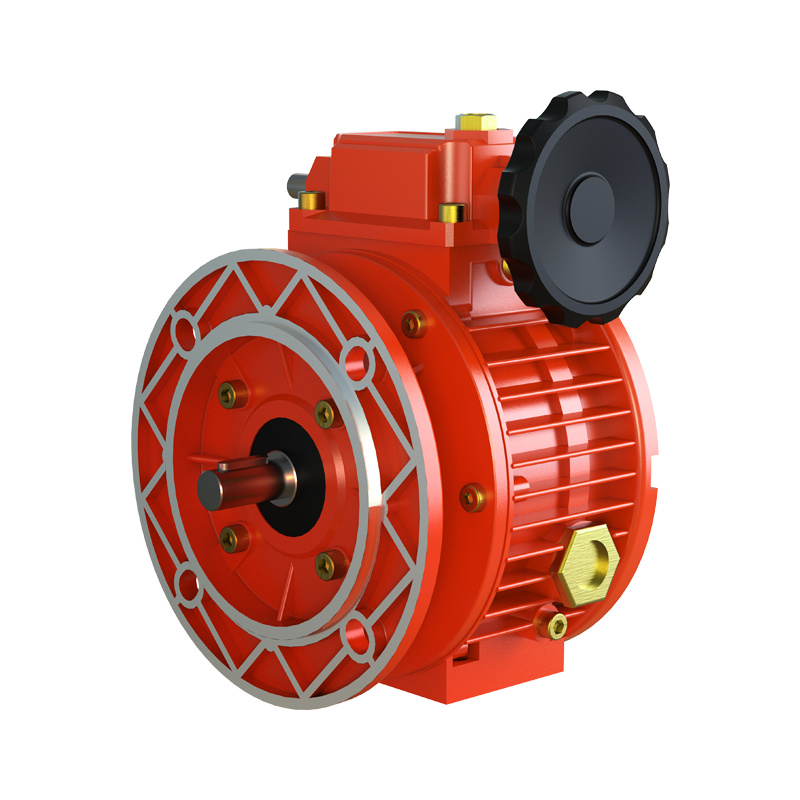
| Adjustment drives / lifting device | Right-angle output, self-locking capability | WMRV Worm | Right-angle |
| Compact workstation / space-constrained AGV | Helical-worm combination, higher efficiency than pure worm | WS Helical-Worm | Right-angle |
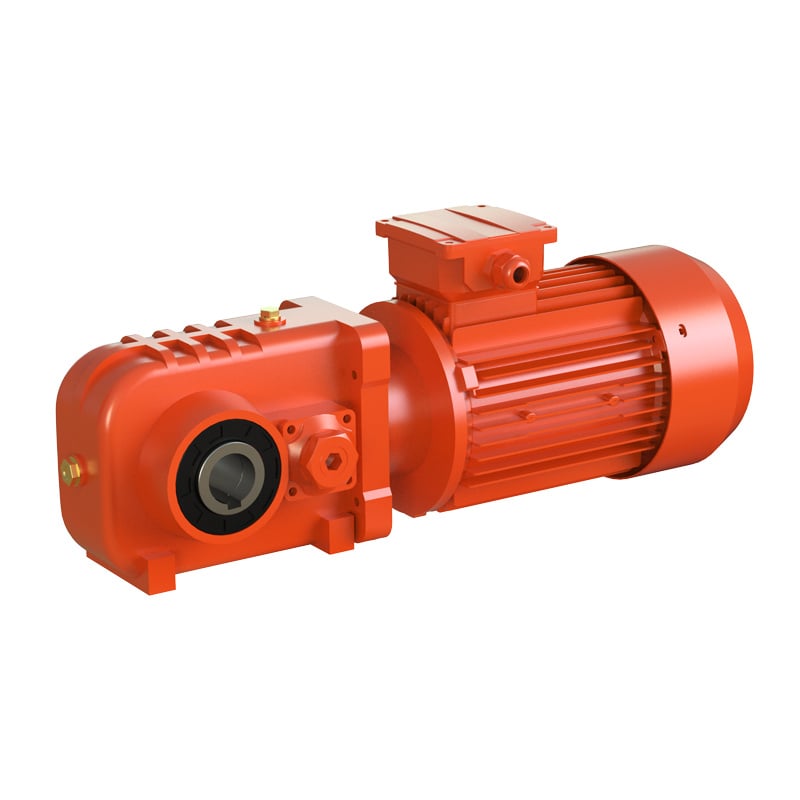
| Heavy mixer / crusher / crane | High torque, shock resistance, right-angle | WK Helical-Bevel | Right-angle |
| Food / pharma / wet environment | IP65+, food-grade lubricant, corrosion-resistant | WMSS Stainless Steel | Right-angle |
High-precision reducers with low backlash enable rapid start-stop without position overshoot — directly cutting cycle time per action in pick-and-place and precision assembly applications.
High torsional rigidity suppresses positioning drift under repeated loading. Applications such as laser cutting, CNC loading, and vision inspection require ±0.1 mm or better repeatability — achievable only with a correctly specified gearbox.
A gearbox absorbs and buffers impact and vibration from the load side, protecting the servo motor and control system. Correct series selection significantly reduces unplanned downtime on continuously operating conveyor and handling lines.
A well-matched gearbox allows a smaller motor to drive the same load — reducing both capital and ongoing energy costs. High-efficiency helical and hypoid transmissions further reduce energy loss versus worm-only designs.
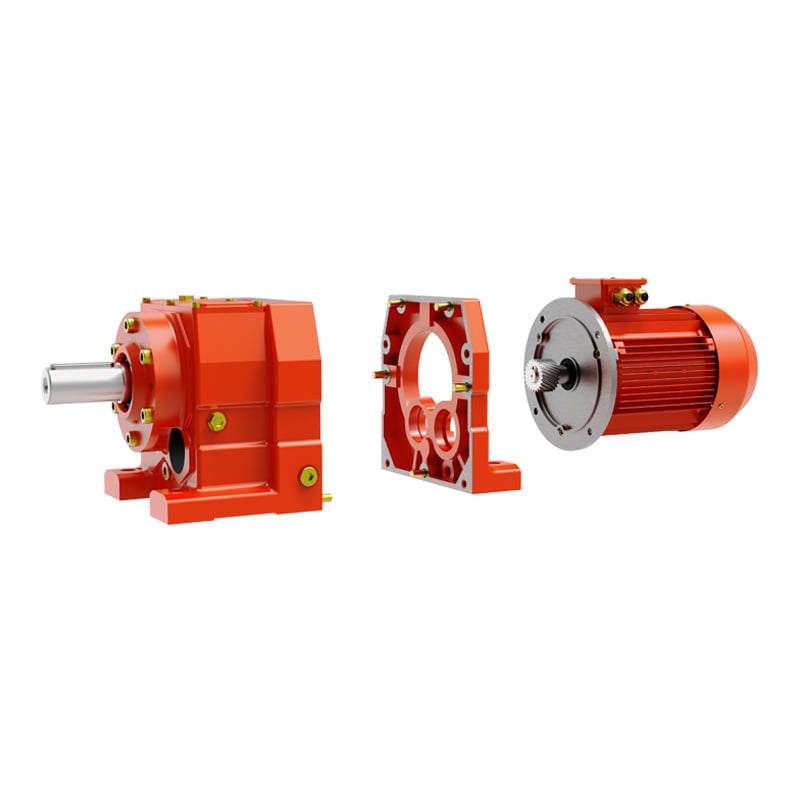
All series below support square flange servo motor input and are CE / ISO 9001 certified. Exported to 80+ countries.
Right-angle output, self-locking (i≥20), compact. Best for hoists, conveyors, agitators. Ratios 5–100.
Inline output, high efficiency (>96%), heavy-duty. Best for main conveyor drives, fans, roller tables.
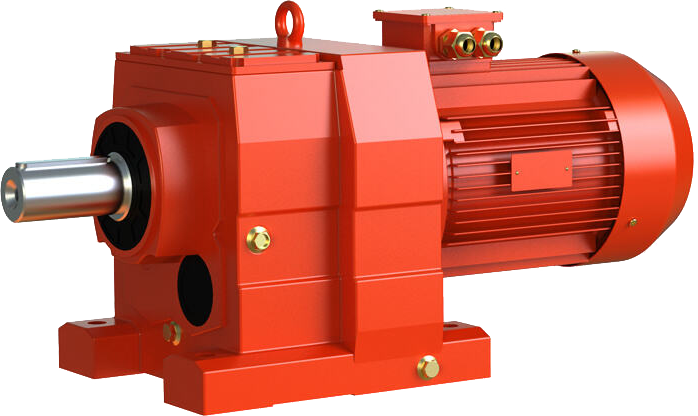
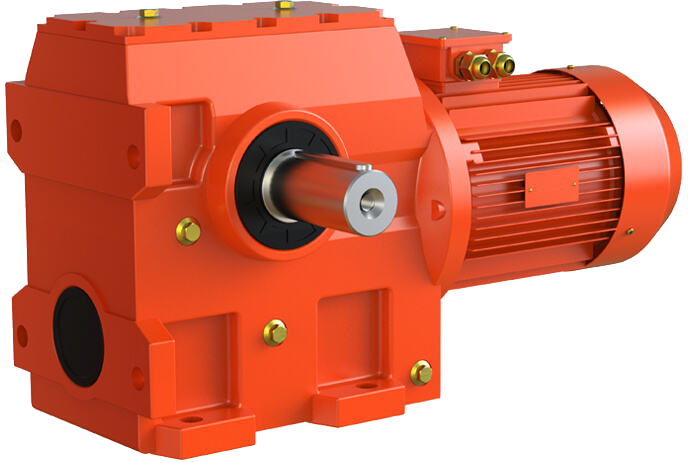
Right-angle, high torque output. Best for heavy mixers, cranes, crushers requiring shock resistance.
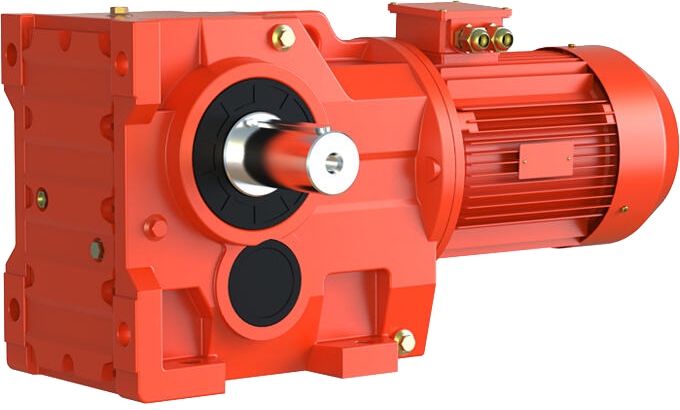
High torque, modular design. WMRV upgraded alternative. Best for robotics, packaging, and material handling.
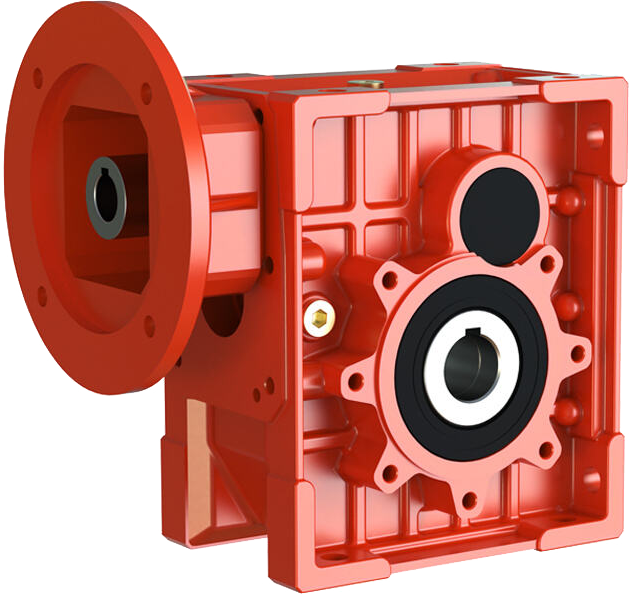
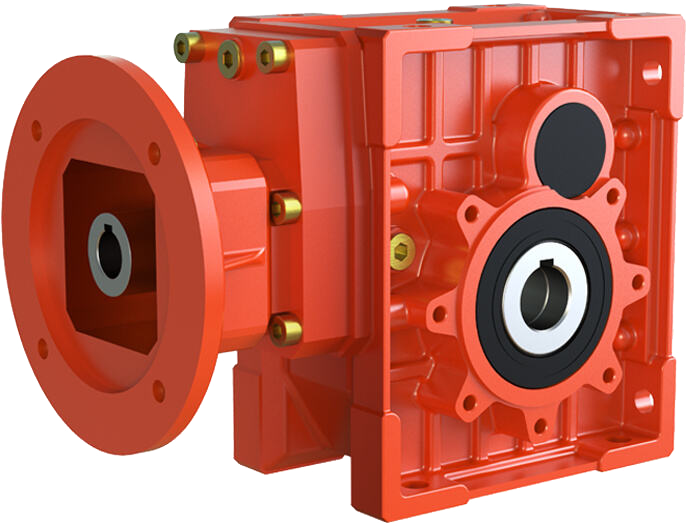
Helical-worm gear combination, higher efficiency than pure worm. Best for textile and logistics.
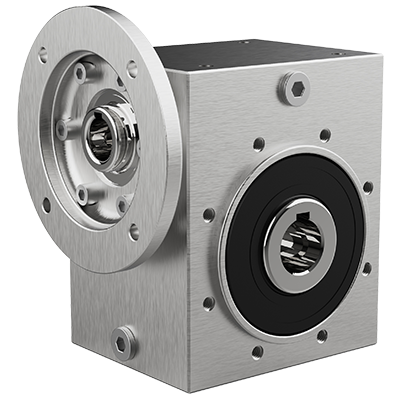
IP65–IP69K, food-grade lubricant, corrosion-resistant housing. Designed for food, pharma, and wash-down environments.
Use these six parameters to complete your gearbox specification before contacting a supplier:
1. Output shaft direction
Inline (same axis as motor) or right-angle? This determines the gear type before anything else.
2. Required output torque (Nm)
Calculate from load mass, radius, and acceleration. Apply service factor (SF ≥1.25 for continuous automation duty).
3. Required gear ratio
Motor speed ÷ required output speed. Confirm the ratio falls within the selected series range.
4. Precision requirement
If positioning repeatability is ±0.5 mm or tighter, specify low-backlash or zero-backlash options (WKM, or planetary).
5. Mounting orientation
Horizontal foot-mount, flange-mount, or vertical? Affects lubrication volume and seal selection.
6. Environment and IP rating
Dusty, wet, or corrosive? Specify IP54 minimum for standard industrial; IP65–IP69K for food, pharma, or outdoor.
It depends on the application. Planetary or hypoid (WKM) gearboxes suit high-precision servo-driven tasks. Helical (WF/WR) handles heavy continuous conveyors. Worm (WMRV) serves right-angle or self-locking needs. Stainless (WMSS) is required for food and pharma environments.
By increasing system rigidity and reducing backlash. Low-backlash gearboxes enable ±0.1 mm positioning repeatability for CNC loaders, robotic arms, and vision-guided assembly systems.
Yes. The WMRV series supports square flange servo motor input with documented dimension tables. It is well-suited for right-angle applications, self-locking vertical drives, and compact conveyor layouts.
The WMSS stainless steel reducer — IP65 to IP69K rated, food-grade lubricant, and corrosion-resistant housing for wash-down and hygiene-critical environments.
Divide motor output speed by required shaft speed to get the nominal ratio. Then apply a service factor (SF ≥1.25 for continuous duty). Contact Wuma Drive's engineering team if you need ratio and series confirmation for your application.
Ready to specify the right gearbox for your production line? Browse the full series or talk to our engineers.
Browse Gearbox Series → Contact Our Team → Hot News
2026-08-26
2026-08-18
2026-08-15
2026-08-11
2026-07-31
2026-07-29
Welcome to Wuma , a manufacturer committed to developing and manufacturing various types of gear reducers and gearmotors for the field of gear transmission.
No. 10, Xiangcun Industrial Zone, Dongyuan Town, Qingtian County, Lishui City, Zhejiang, China
Copyright © Zhejiang Wuma Drive Co., Ltd All Rights Reserved Privacy Policy Blog
 EN
EN