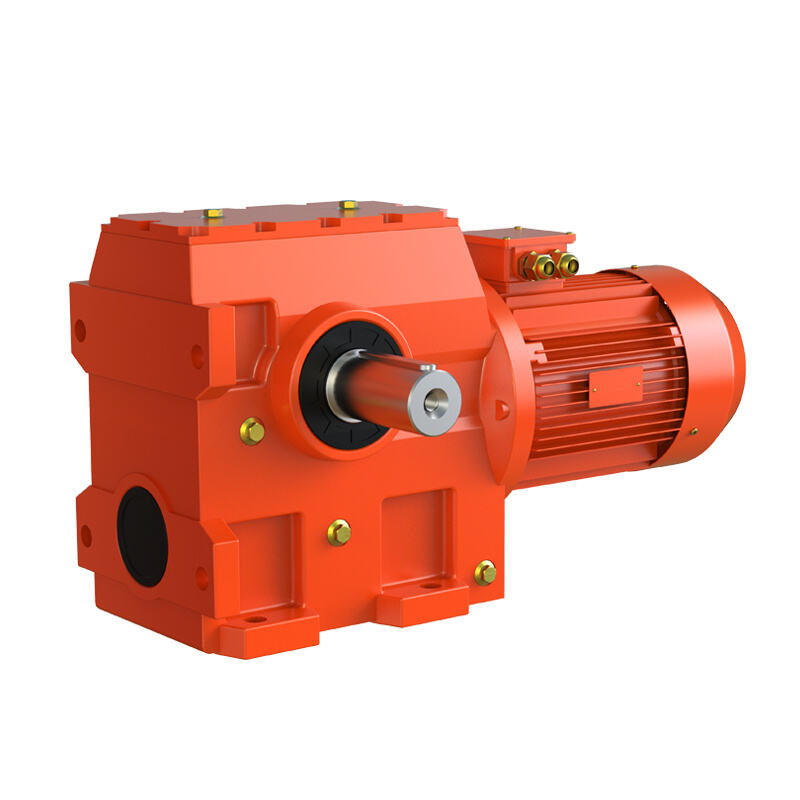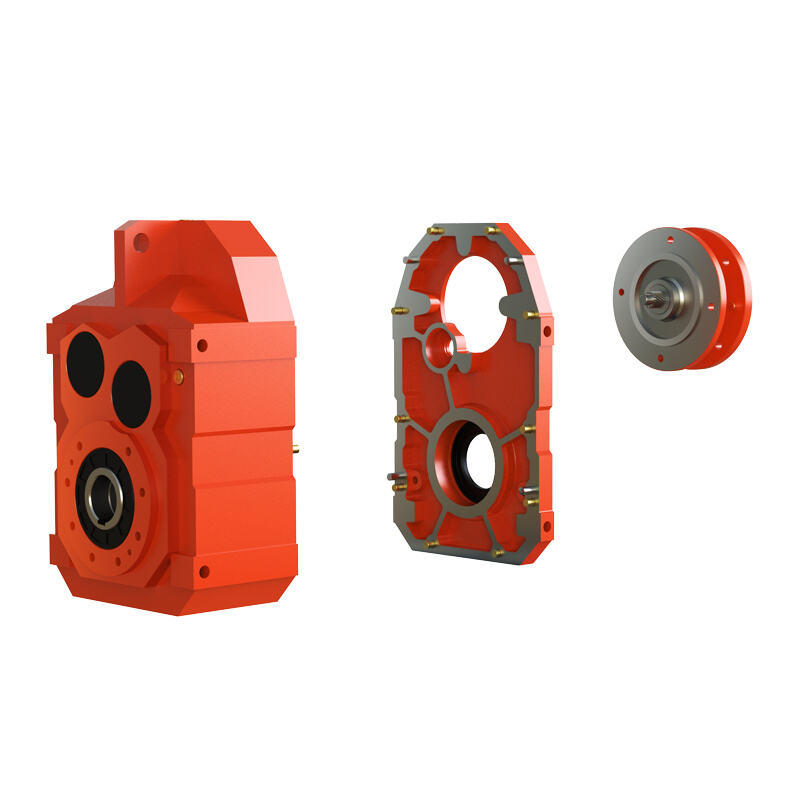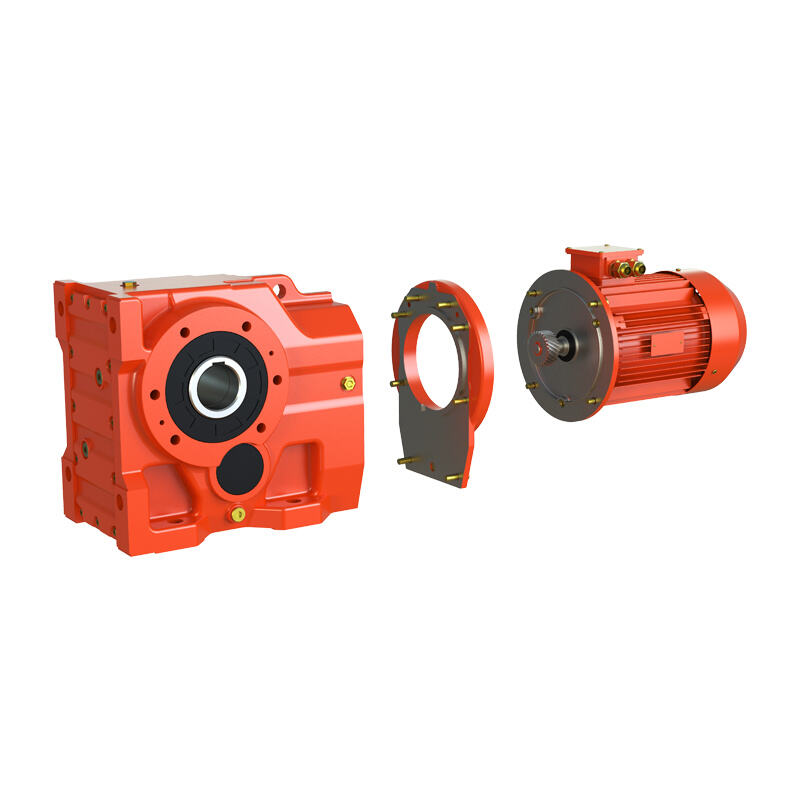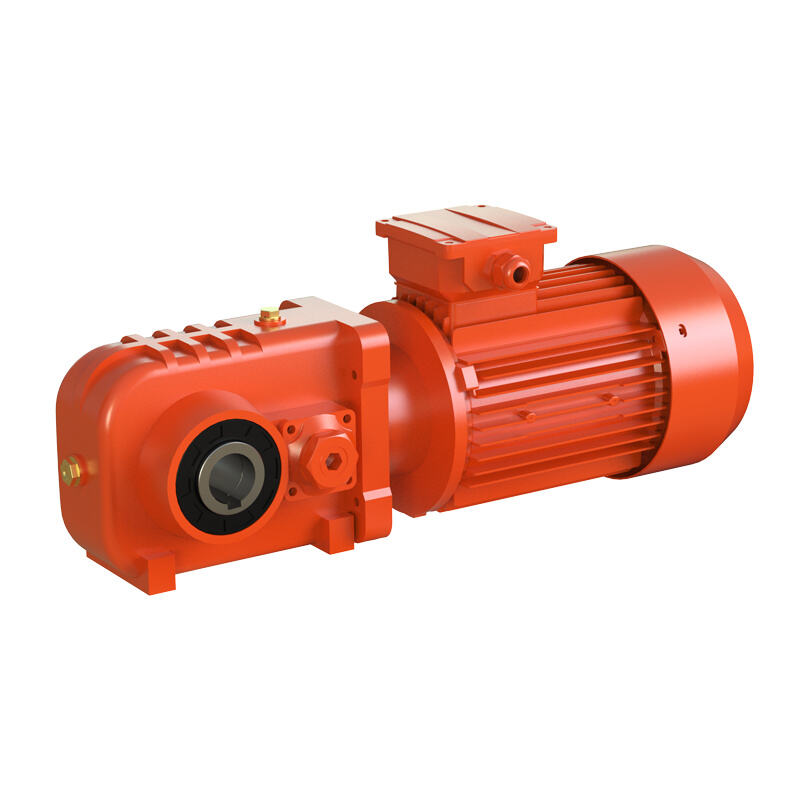

A lot of conveyor gearboxes break way too soon. And honestly? Most of the time it’s not a quality issue — it’s a screw-up in the initial selection. This post cuts to the chase on the dumbest selection mistakes that wreck gearboxes. Avoid these, and your gearbox just might live a longer life.
1. The biggest trap: Only caring about power, totally ignoring the real load
Too many people just match the power rating and call it a day. But they forget what the gearbox actually has to deal with. Your conveyor’s load — the weight of the equipment, the material, plus all those shocks from moving stuff — that’s what really matters. If you’ve got an incline, or you’re stop-starting all the time, the actual load can double. Pick an undersized gearbox, and you’ll get rapid wear on gears and shafts, weird noises, then total failure. Do yourself a favor: look at the real load and leave some safety margin.
2. The easy miss: Wrong mounting type, and you’re asking for trouble
Conveyors can be horizontal, vertical, flange-mounted — you name it. Each setup needs a different kind of gearbox. Pick blind, or force a mismatch (like using a horizontal-type gearbox on vertical equipment, or jamming one that doesn’t fit right), and you’ll end up with uneven stress, tilted housings, and parts grinding down fast. Before you choose anything, check the mounting type and pick a gearbox that actually matches it.
3. A trap you don’t even see you’re in: Ignoring the working environment
Conveyors work in all sorts of crazy conditions. Continuous running, constant start-stops, dusty hell, wet and nasty places — they all demand different things from a gearbox. If you ignore the real environment and just grab a standard unit, it won’t handle the shocks or the grime. It’ll wear out, rust out, and fail on you fast. Match the gearbox’s features to your actual site conditions. No shortcuts.
4. The dumb waste: Going “high-end” for no reason, or picking a total mismatch
Some people blow money on fancy premium gearboxes that don’t fit the job. Others grab something totally wrong for the need. Either way, you waste cash and wreck the gearbox faster. Slap an oversized gearbox on a small conveyor? The lube won’t circulate right. Put a weak, underpowered box on heavy-duty work? It won’t take the load. The right fit is what matters — not the price tag or the brand name.
Quick selection tips to save your gearbox
First, figure out the load, then check power. Factor in material weight and how the conveyor runs — and leave a decent safety margin.
Match the gearbox mounting type to your conveyor’s actual mounting. Don’t force it
Look at your site’s dirt, moisture, and shock levels — pick a gearbox with the right protection
(dustproof, waterproof, shock-resistant).
Don’t blindly chase “premium” and don’t buy junk. Go for something that fits well and gives good value.
Bottom line: Most conveyor gearboxes die young because of bad selection, not bad quality. Dodge these dumb mistakes, pick the right match, and you’ll get longer life, lower repair bills, and a conveyor that just runs.
 Hot News
2026-05-22
2026-05-21
2026-05-15
2026-05-13
2026-04-28
2026-04-25
Welcome to Wuma , a manufacturer committed to developing and manufacturing various types of gear reducers and gearmotors for the field of gear transmission.
No. 10, Xiangcun Industrial Zone, Dongyuan Town, Qingtian County, Lishui City, Zhejiang, China
Copyright © Zhejiang Wuma Drive Co., Ltd All Rights Reserved Privacy Policy Blog
 EN
EN