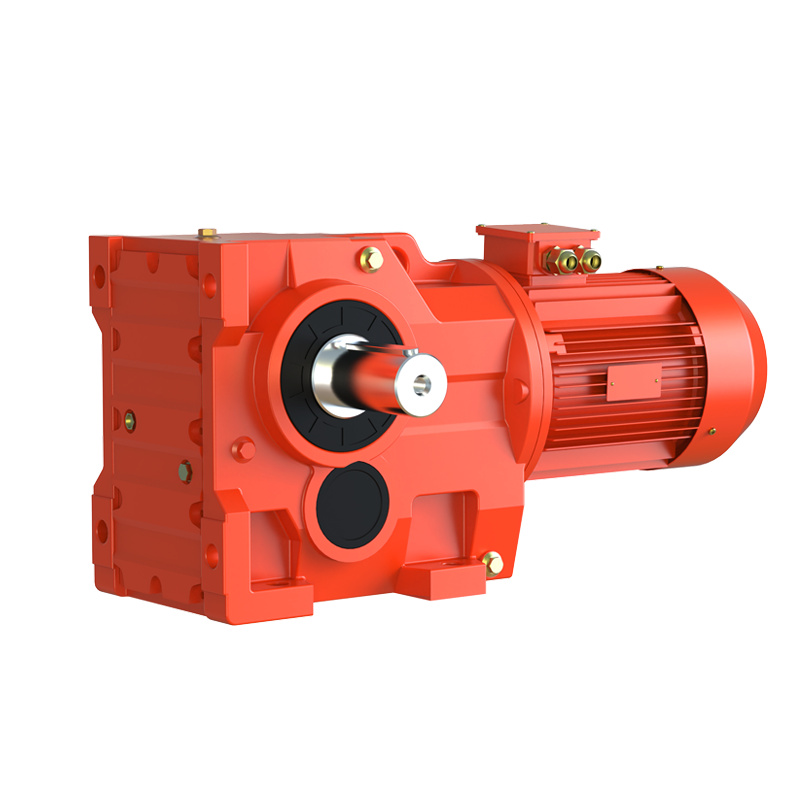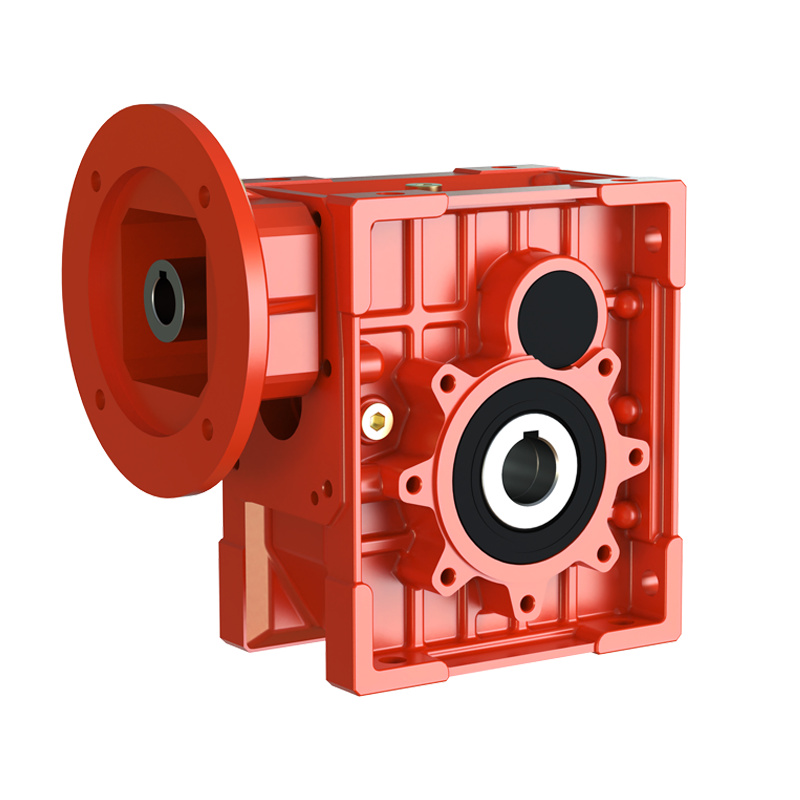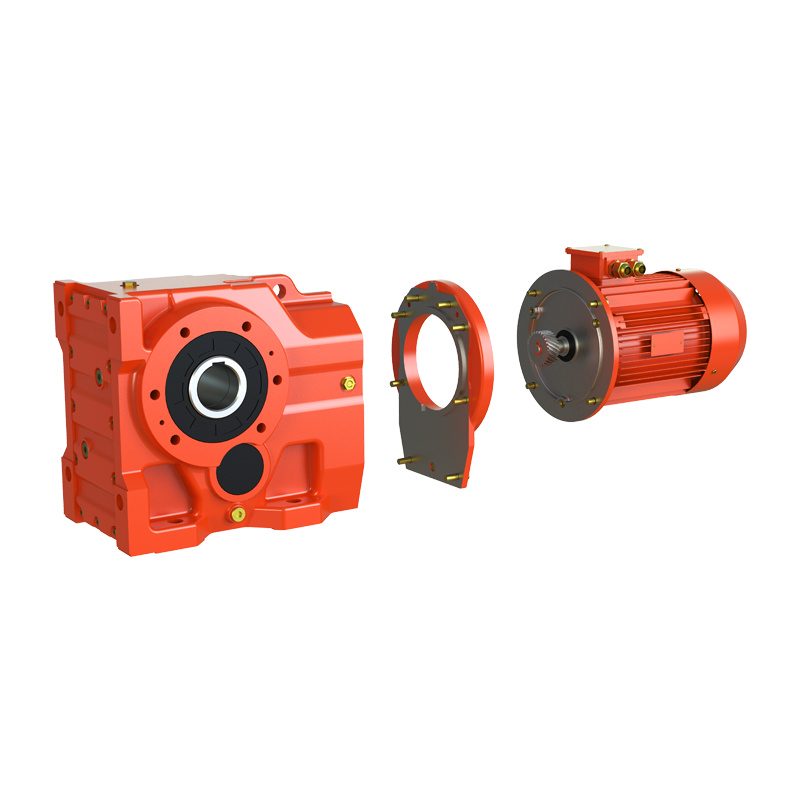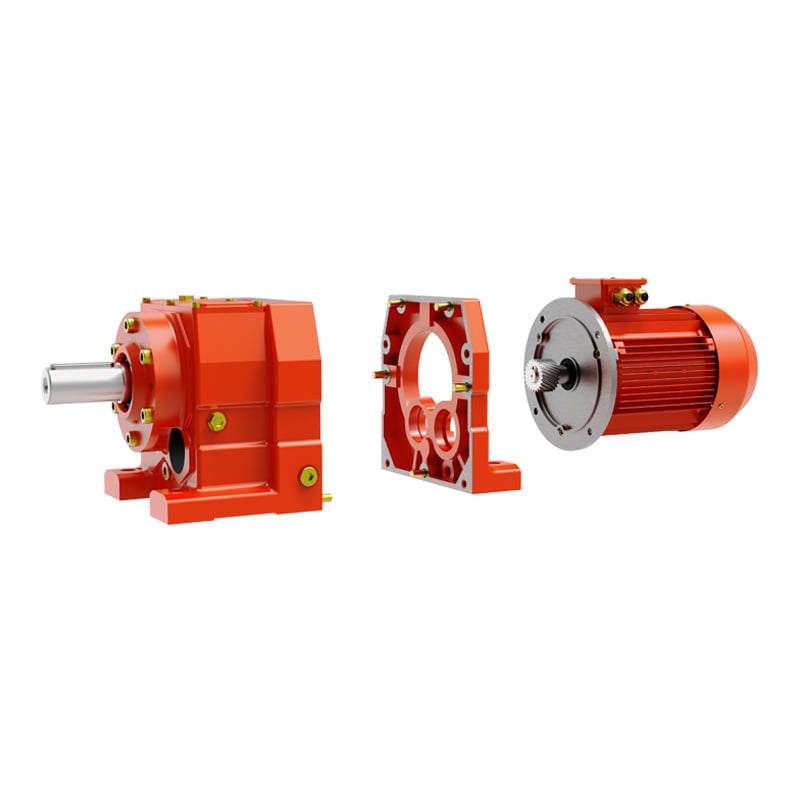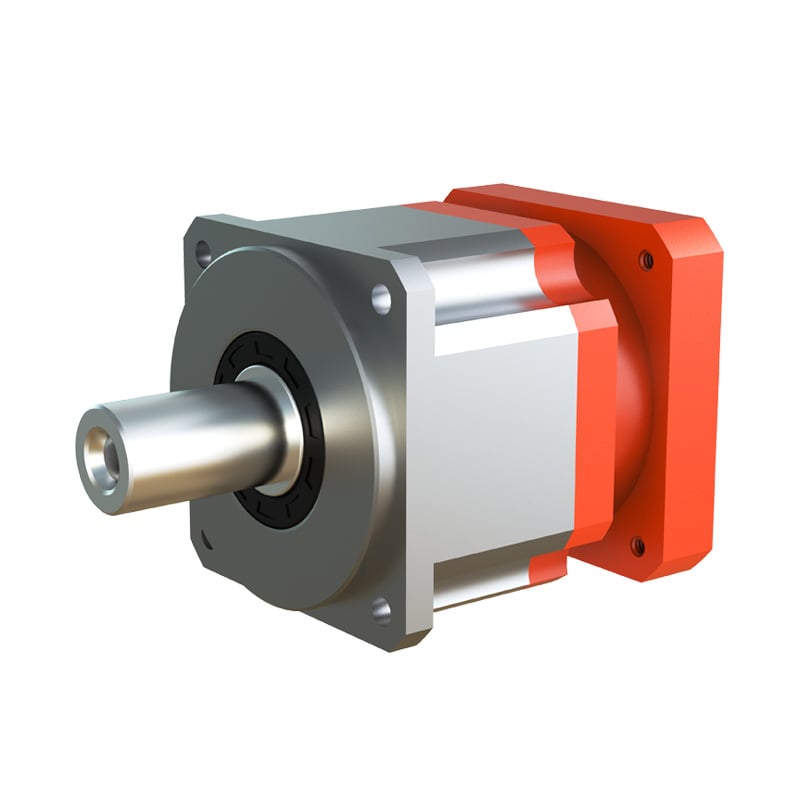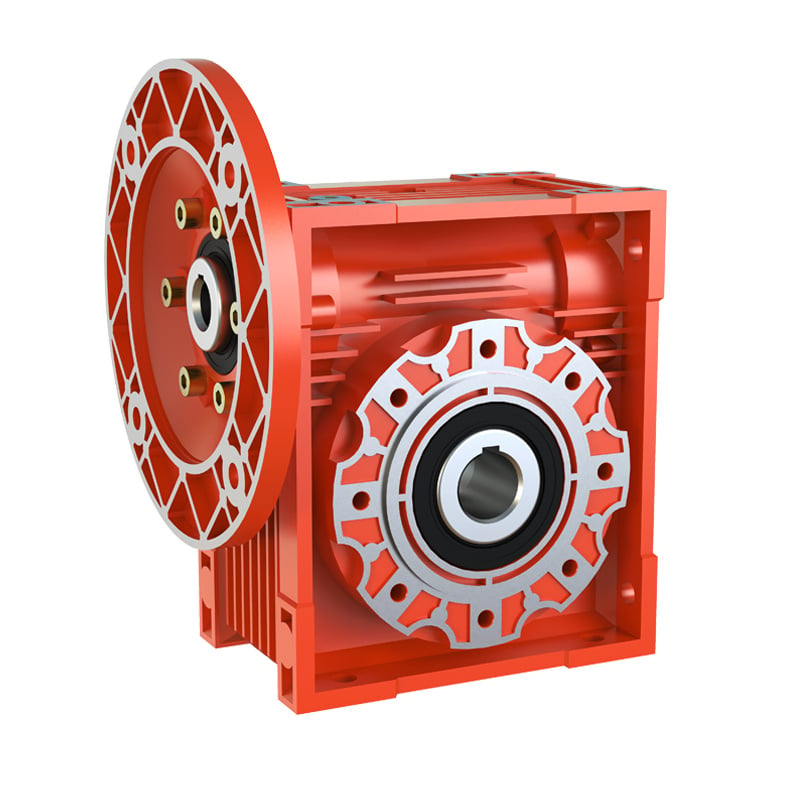

When a gear reducer runs normally, it produces a smooth and steady meshing sound. Once an abnormal noise appears, it often means that some internal component has already developed a problem in reducer. Learning to quickly locate faults through sound is one of the most practical skills for maintenance personnel on site. The three most common gearbox abnormal noises are humming, clicking, and shrieking, and each points to a different type of fault.
Humming is a low, continuous sound similar to that of a transformer. This sound is usually related to gear meshing frequency or bearing vibration. The most common cause is gear wear or tooth surface pitting. When the tooth surface has pits or spalling, the gear meshing produces periodic impacts, resulting in a low humming sound that becomes louder as the load increases. Another common cause is excessive backlash between gear teeth. Excessive backlash leads to meshing impacts, producing a humming sound that is especially obvious when the direction of rotation is reversed. In addition, damage to the raceways of rolling bearings can also produce low-frequency humming. Inspection method: first listen to see if the sound changes with load. If the sound increases significantly under load, the problem is likely gear related. Then stop the machine and check the oil for metal particles. For humming, disassembly is often required to inspect the gears or bearings.
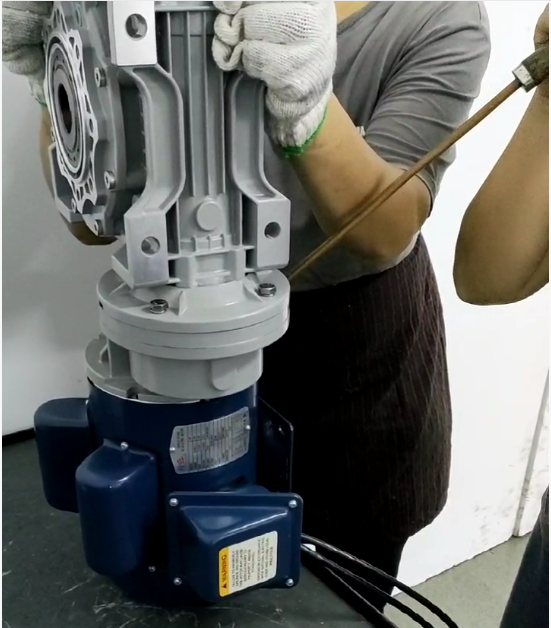
Clicking is a sharp, intermittent sound like metal striking metal. This sound of reducer is usually related to tooth surface damage or foreign particles inside. The most common cause is fatigue spalling on the tooth surface, forming pits. When meshing, the gear edge strikes the edge of the pit, producing a clicking sound. Another common cause is hard particles mixed into the lubricating oil. When these particles are crushed, they produce a crisp sound. A more serious case is tooth breakage. A broken tooth produces a very obvious periodic heavy impact sound, accompanied by strong vibration. For newly installed reducers, slight clicking may be caused by burrs on the tooth surfaces or improper assembly clearance, and it may disappear after a break-in period. Inspection method: if the clicking is regular and has a short period (once every few rotations), it may be a single damaged tooth. If the sound is random and irregular, foreign particles are more likely. Open the inspection cover to observe the tooth surfaces, or use an endoscope.
Shrieking is a high-frequency, sharp sound like a whistle. This sound is usually related to poor lubrication or high-speed shaft problems. The most common cause is insufficient lubricating oil or too low an oil viscosity, which prevents the formation of an effective oil film between gears and bearings, leading to direct metal-to-metal contact and a high-frequency squeal. Another common cause is damage to the bearing cage on the high-speed shaft or skidding of the rolling elements, producing a sharp friction sound. In addition, excessive gear tooth profile errors or non-parallel shaft alignment during assembly can also produce high-frequency whine during meshing. For worm gear reducers, improper lubricant selection or low oil level easily produce shrieking, because worm gear drives have a large proportion of sliding friction. Inspection method: first check the oil level and oil quality. If the oil level is normal, then check the bearing temperature of the high-speed shaft. Shrieking often indicates severe oil starvation or imminent bearing seizure, requiring immediate shutdown.
In addition to these three main sounds, there are special cases to note. For example, a periodic "clunk" sound is often related to a loose keyway on the output shaft or a damaged coupling. A metallic rubbing sound is usually caused by a worn seal or a rubbing guard, not an internal fault.
Using a long screwdriver or stethoscope, press one end against different positions on the reducer housing and place the other end near your ear to locate the sound source more clearly. Also note the relationship between the sound and load or speed. Sounds that become louder with load are usually due to gear or bearing damage. Sounds that become sharper as speed increases are usually due to lubrication or friction issues.
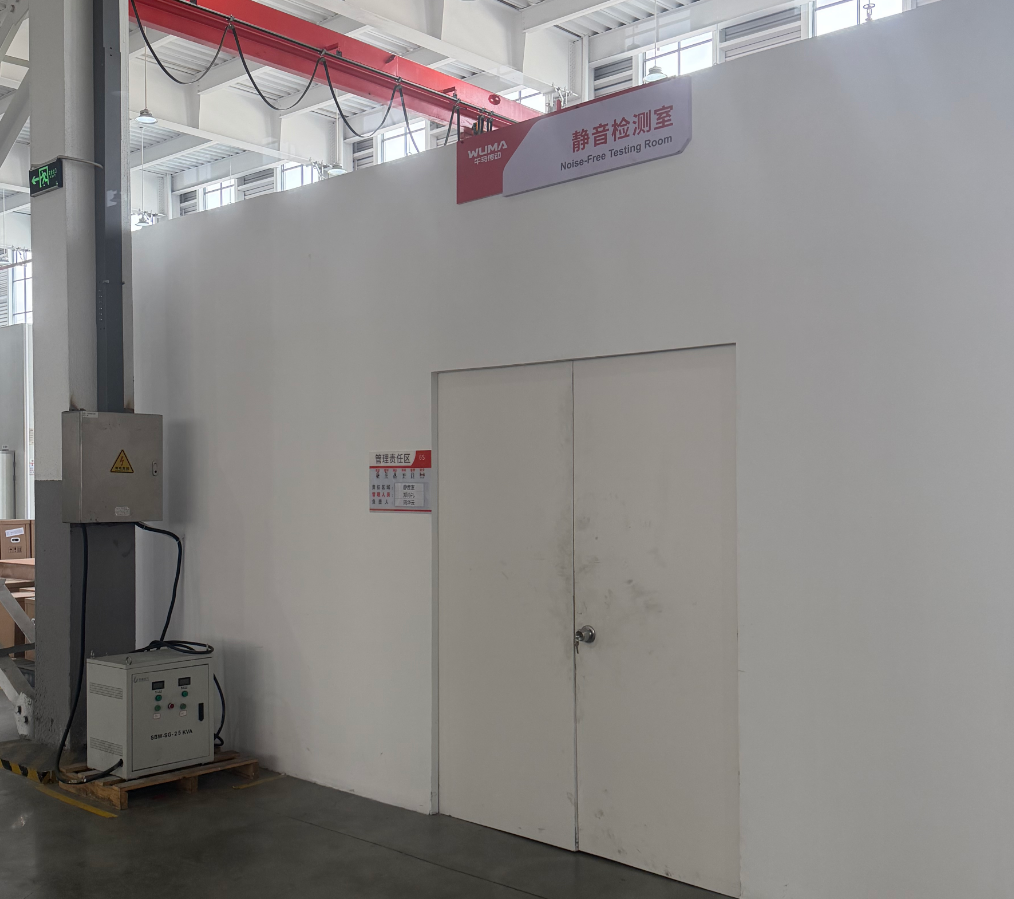
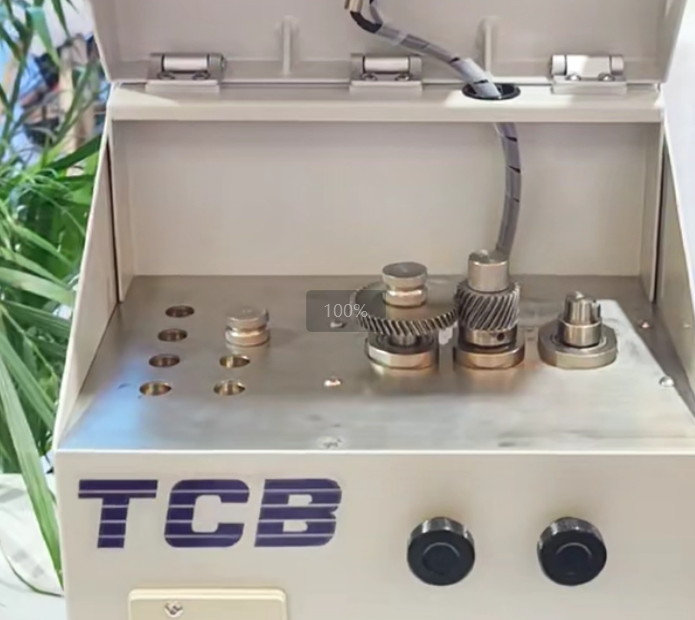
In summary, abnormal noises from a reducer are "sound signals" of its internal condition. Humming points to gear wear or excessive backlash. Clicking points to tooth surface spalling or foreign particles.WUMA have dedicated noise testing anechoic chamber is used for noise testing of high-speed gears. By subjecting them to high-speed operation, we determine whether the noise levels meet specifications, thereby ensuring that products meet quality standards before leaving the factory.
If you want know more information about reducer or gearbox,please feel free to contact WUMA engineer.If you want know more information about reducer or gearbox,please feel free to contact WUMA engineer.
 Hot News
2026-08-26
2026-08-18
2026-08-15
2026-08-11
2026-07-31
2026-07-29
Welcome to Wuma , a manufacturer committed to developing and manufacturing various types of gear reducers and gearmotors for the field of gear transmission.
No. 10, Xiangcun Industrial Zone, Dongyuan Town, Qingtian County, Lishui City, Zhejiang, China
Copyright © Zhejiang Wuma Drive Co., Ltd All Rights Reserved Privacy Policy Blog
 EN
EN