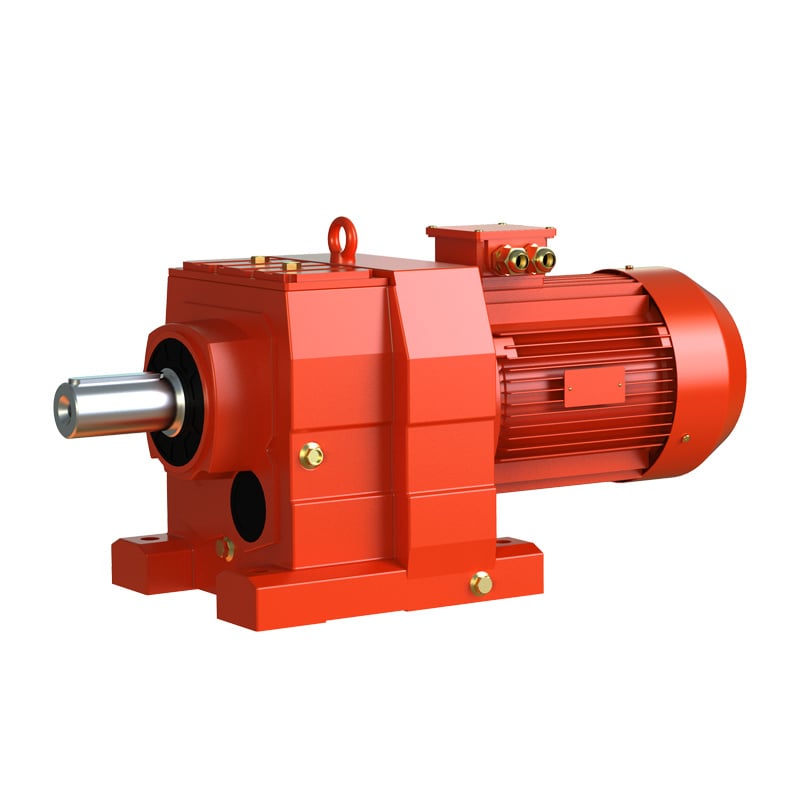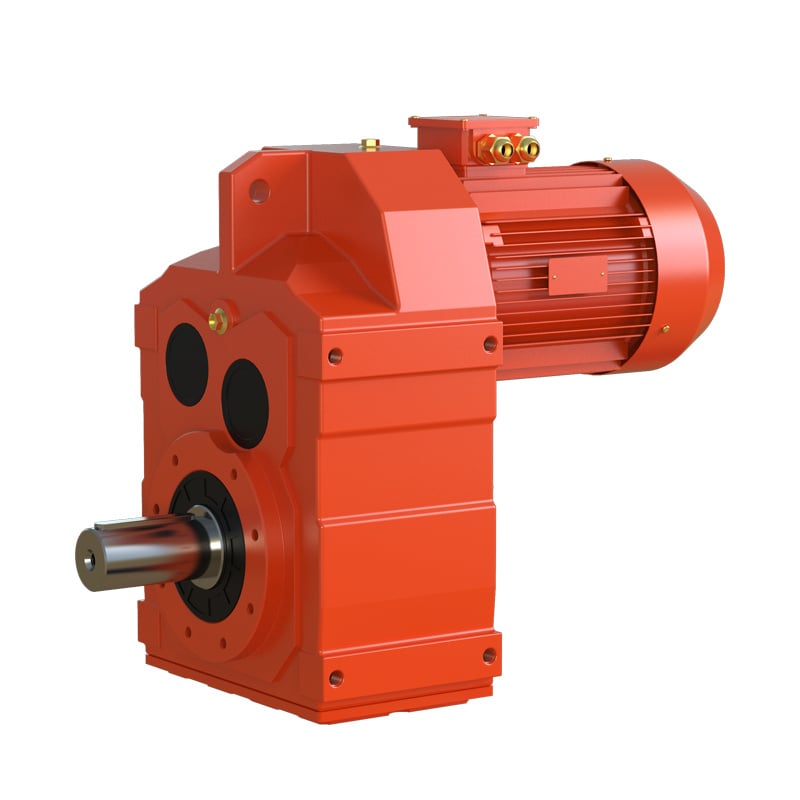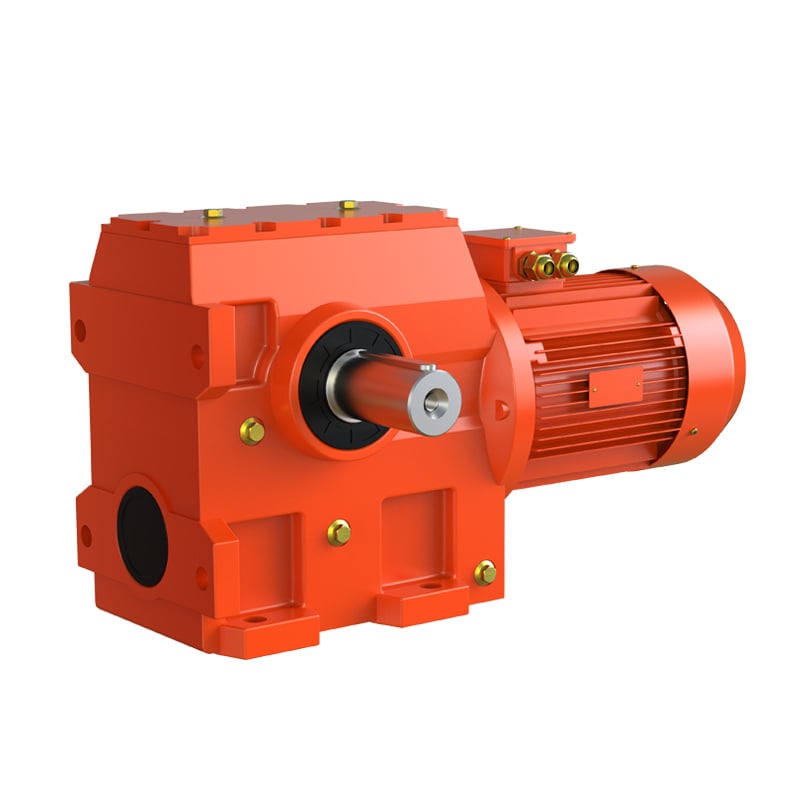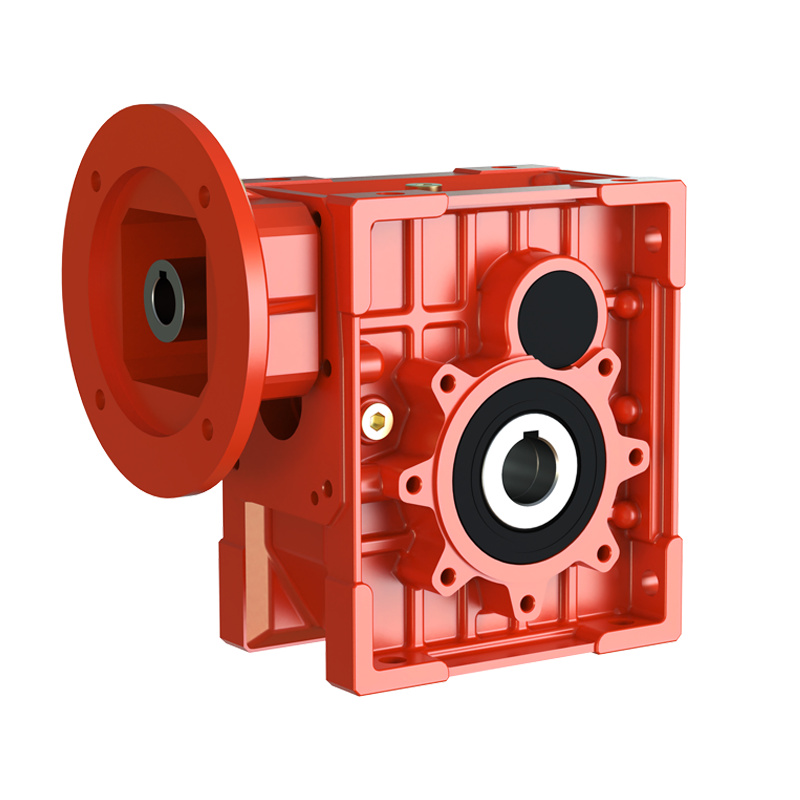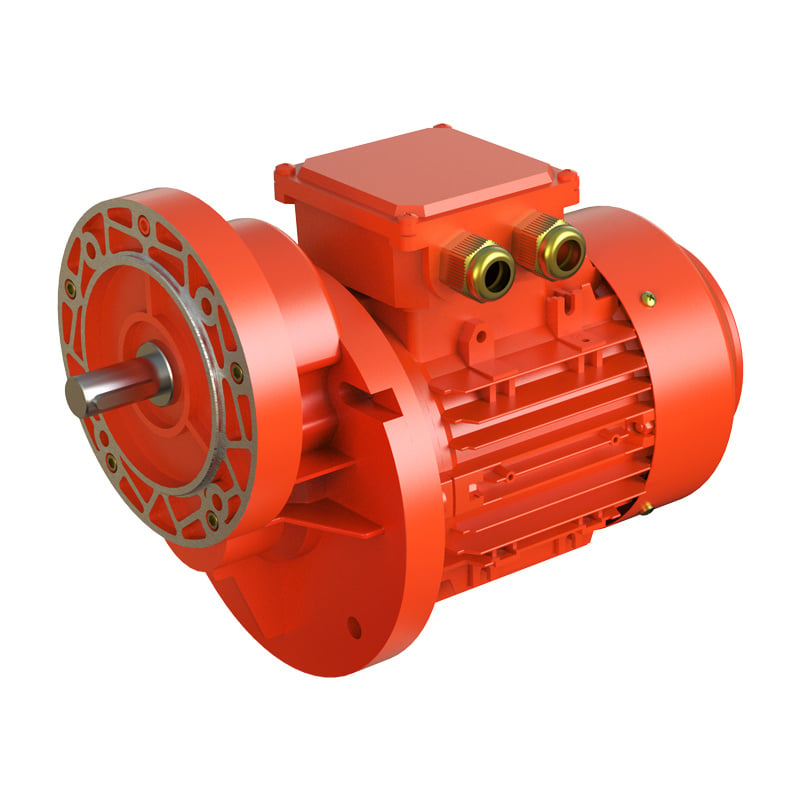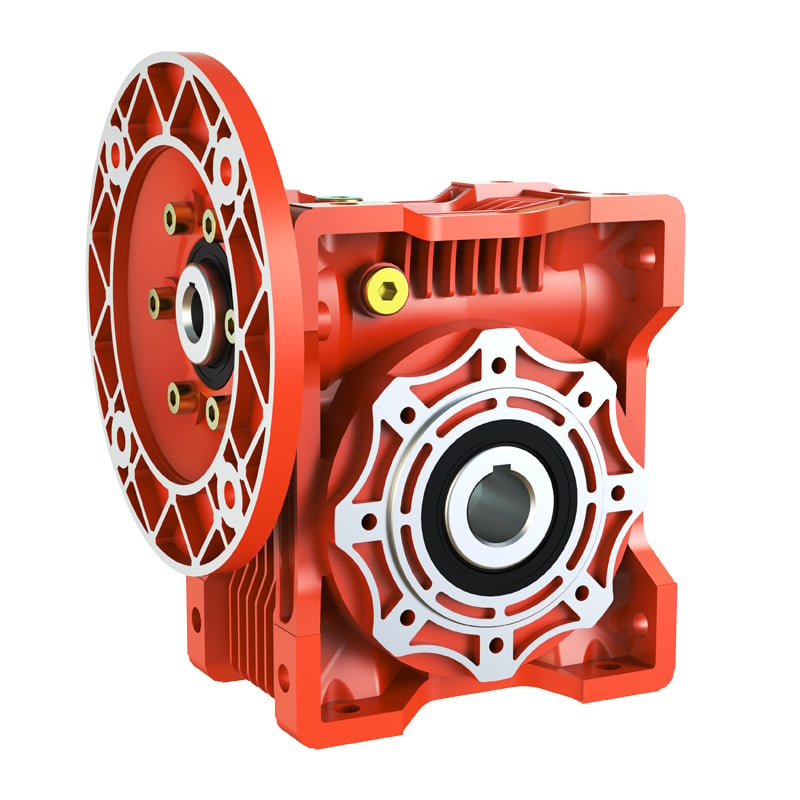

In the precise dance of an automated production line, the accuracy, stability, and efficiency of every movement rely on the support of a core transmission component—the gearbox. It is far more than a simple "speed-reducing" device; it is the key to determining the efficiency, precision, and reliability of the entire production line.
I. Core Positioning: More Than Just Slowing Down, It's About "Empowering"
Gear reducers play two core roles in automated production lines:
1. Power Conversion and Amplification Hub: Converting the high-speed, low-torque output of servo/stepper motors into the low-speed, high-torque output required by the equipment.
Direct Value: Allowing the use of smaller, more economical motors, achieving "smaller motors pulling larger loads," significantly reducing procurement and energy costs.
2. Key Guarantee for Motion Precision and Control: Improving system rigidity and suppressing the impact of load fluctuations on the motor.
Direct Value: Ensuring precise positioning of robotic arms, stable synchronization of conveyor belts, and consistent repetitive assembly movements is the physical foundation for ensuring product consistency and production yield.
II. How does high-efficiency transmission specifically improve equipment performance?
1. Improve Production Efficiency and Cycle Time
Scenario: High-speed pick-and-place, precision assembly.
Function: High-precision reducers (such as planetary reducers) provide rapid start-stop and low backlash characteristics, shortening the cycle time of a single action and directly improving production cycle time.
2. Ensure Production Precision and Quality
Scenario: Laser cutting, CNC loading and unloading, vision inspection platforms.
Function: The high torsional rigidity and low backlash of the reducer ensure accurate positioning of the end effector during repeated movements (up to ±0.1mm or even higher), fundamentally reducing scrap rates.
3. Enhance System Stability and Reliability
Scenario: Continuously operating conveyor lines, heavy-duty handling.
Function: The reducer withstands and buffers the impact and vibration from the load, protecting the precision motor and control system, reducing the failure rate, and ensuring the continuous and stable operation of the production line.
4. Achieve Compact Design and Energy Saving
Scenario: Space-constrained automated warehouses, compact workstations.Applications: Right-angle shaft reducers (such as worm gear reducers and right-angle planetary reducers) can change the direction of power and optimize equipment layout. High-efficiency gear transmissions reduce energy loss, resulting in significant energy-saving benefits over long-term operation.
III. Choosing the Right Gear Reducer: Injecting "High-Efficiency Genes" into Your Production Line
For an efficient production line, the gear reducer selection must be matched to the depth of the process:
For high-precision, high-cycle applications (e.g., robotic arms): low-backlash, high-rigidity planetary or harmonic reducers should be selected.
For heavy-load, continuous operation applications (e.g., main conveyor lines): high-torque-density, high-fatigue-strength helical gear reducers or hardened-tooth-surface reducers should be selected.
For applications requiring vertical transmission or self-locking (e.g., hoists): right-angle shaft worm gear reducers should be selected, utilizing their space advantages and self-locking characteristics.
In harsh environments such as dust and humidity: reducers with special sealing and anti-corrosion coatings should be selected to ensure service life.
 Hot News
2026-08-18
2026-08-15
2026-08-11
2026-07-31
2026-07-29
2026-07-28
Welcome to Wuma , a manufacturer committed to developing and manufacturing various types of gear reducers and gearmotors for the field of gear transmission.
No. 10, Xiangcun Industrial Zone, Dongyuan Town, Qingtian County, Lishui City, Zhejiang, China
Copyright © Zhejiang Wuma Drive Co., Ltd All Rights Reserved Privacy Policy Blog
 EN
EN