
In the design of mechanical transmission systems, determining the connection method between the reducer and the motor is a crucial step. It directly affects the rigidity, precision, reliability, maintainability, and total cost of the entire system. Flange connections and coupling connections are the two most common methods, each with its unique physical principles and application logic. The choice between them is far more than a simple matter of good or bad; it's a precise match tailored to specific needs.
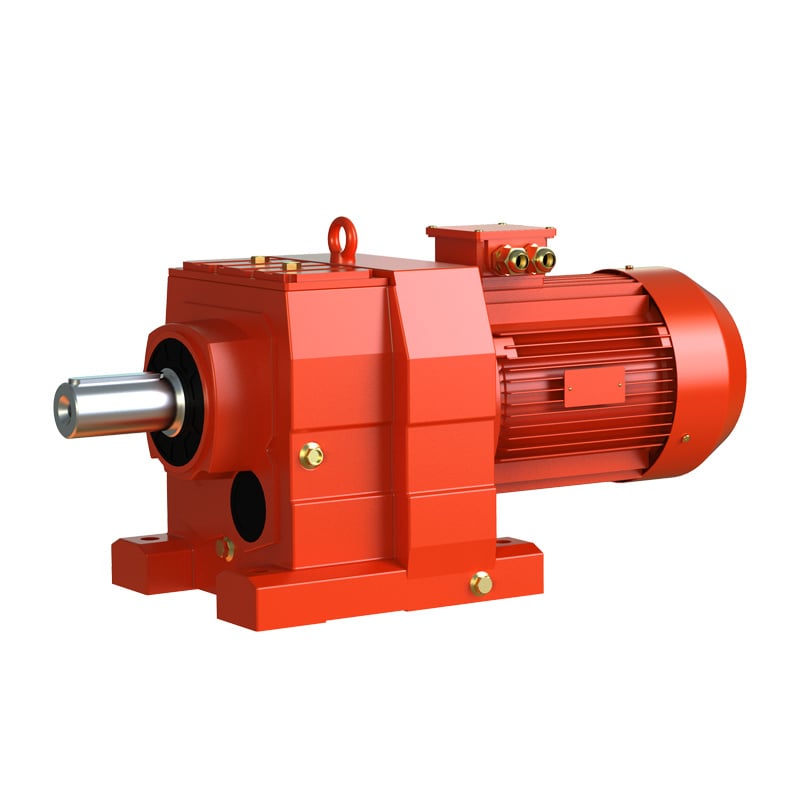
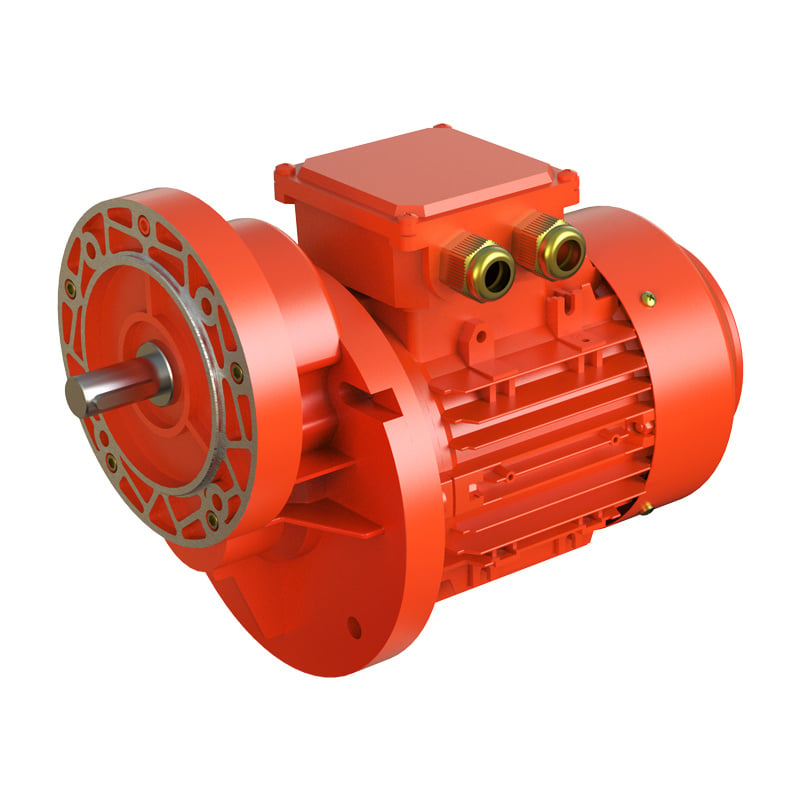
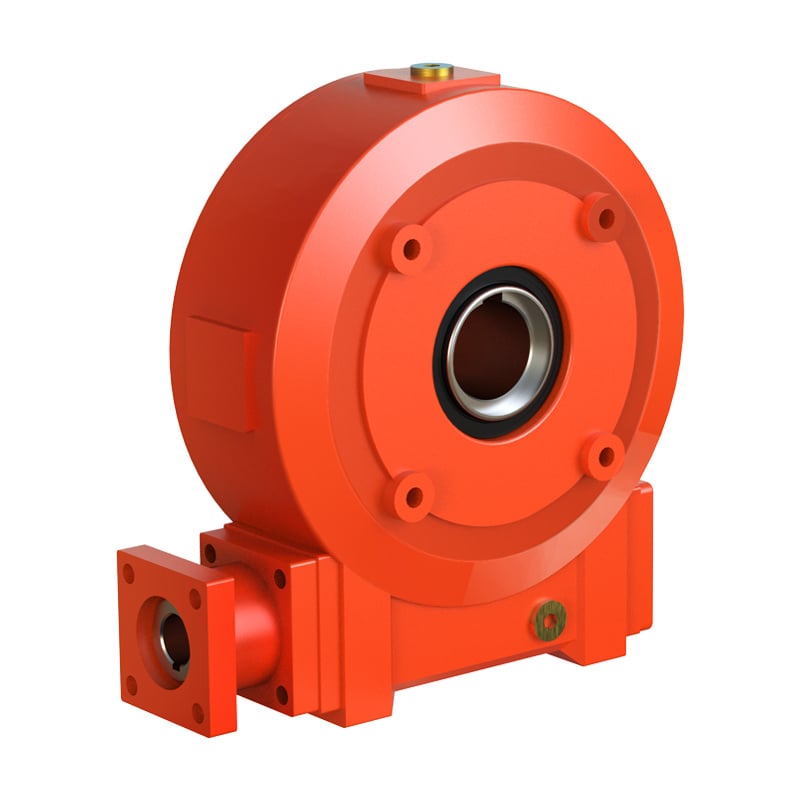
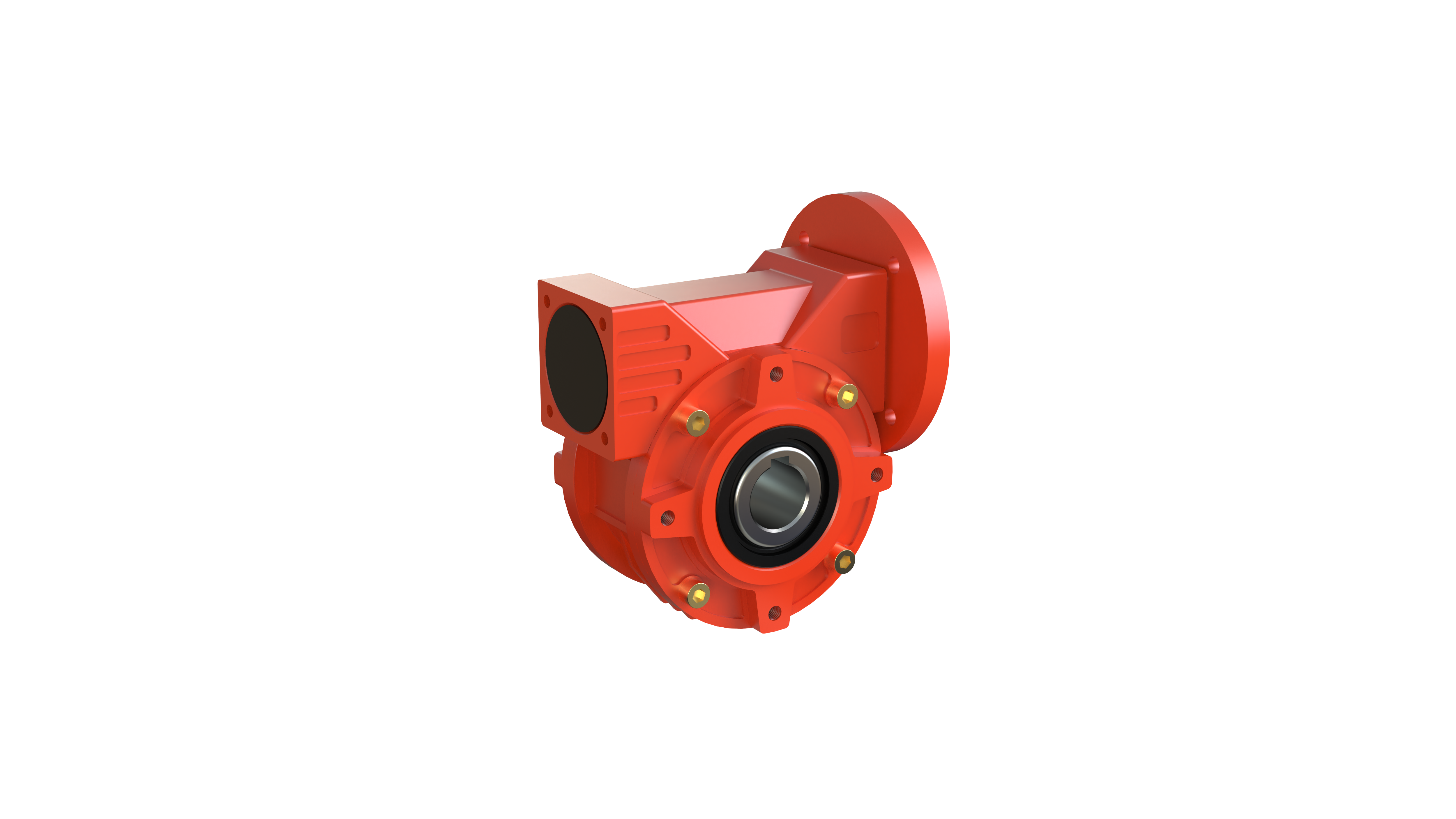
Flange connections directly and rigidly connect the reducer and motor through a mating plane and stop of the same dimensions. This design typically requires a "flange-mounted" motor (such as the IEC standard B5 flange) with a short output shaft. The reducer input end has a matching input flange, into which the motor shaft is directly inserted. This structure offers the most significant advantages: extremely high overall rigidity and coaxial precision. By eliminating intermediate links, the power transmission path from the motor rotor to the reducer gears is minimized, resulting in extremely high torsional rigidity and perfectly suppressing backlash and elastic deformation in the transmission chain. This direct connection method is extremely compact, greatly saving axial installation space and allowing for a more sophisticated equipment layout. From a sealing perspective, because the motor shaft is enclosed within the reducer's input chamber, external dust and liquids are less likely to penetrate, providing superior protection. However, this connection method also imposes stringent requirements. It demands high precision in the machining of the motor and reducer mating surfaces; even minute end face runout or stop fit errors can cause internal bearings to bear additional preload, leading to abnormal wear and overheating. During installation, it is essential to ensure the cleanliness and flatness of the two flange mating surfaces, and the bolts must be tightened according to a strict cross sequence and torque values. If the temperature rise during motor operation and the temperature rise under reducer load are not synchronized, unreleased thermal stress will be generated within the rigid connection. Furthermore, any minor deformation or vibration of the terminal equipment will be directly transmitted to the motor through the rigid connection, lacking intermediate buffering.
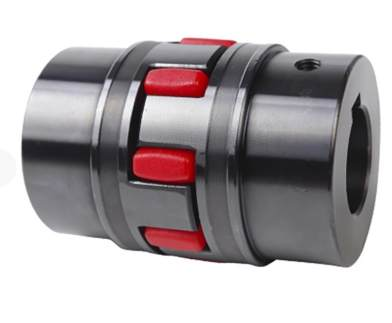
In contrast, coupling connections offer a more flexible and forgiving approach. They achieve power transmission by adding a separate mechanical component—a coupling—between the motor shaft and the reducer's input shaft. While this may seem like an extra step, it provides valuable error compensation capabilities. Whether it's unavoidable minor radial or axial misalignment during installation, or angular deviation caused by thermal effects or foundation settlement during operation, flexible couplings (such as quincunx, diaphragm, and bellows types) can effectively absorb and compensate for these, thus protecting the bearings and gears at both ends from damage by additional loads. This capability makes them particularly valuable in long-shaft transmissions, large equipment with the risk of foundation deformation, or situations where installation and commissioning conditions are limited. Secondly, couplings are excellent vibration and shock isolators. Under conditions of frequent motor starts and stops and severe load fluctuations (such as in crushers and presses), the elastic elements of the coupling can buffer torque peaks, smooth transmission shocks, and significantly improve the lifespan and operational stability of the entire transmission chain. From an installation and maintenance perspective, coupling connections "modularize" the system. The motor and reducer can be installed and leveled separately, and finally, the alignment of the coupling can be adjusted using an alignment instrument, which reduces the installation difficulty of the entire transmission system. During maintenance, only the coupling needs to be disassembled to replace the motor or reducer individually, greatly simplifying the operation process. However, this flexibility comes at the cost of some performance. First, the added coupling inevitably occupies extra axial space, making this connection method unsuitable for extremely compact designs. Second, no matter how sophisticated the coupling, it will introduce minute torsional elasticity, angular deflection, or backlash, which is unacceptable for ultra-high-precision servo systems requiring absolute synchronization and zero hysteresis. The coupling itself also becomes an additional component requiring regular inspection; its elastomer may age, fastening bolts may loosen, and metal diaphragms may fatigue—all new maintenance points. In harsh environments requiring the highest level of sealing (such as high dust or splashes), the coupling area typically needs additional protective covers, while flange connections offer a simpler sealing solution.
In conclusion, choosing between flange connections and coupling connections to connect a gearbox and motor is a choice between "rigidity, precision, and compactness" and "tolerance, cushioning, and ease of maintenance." Flange connections offer an integrated solution for top-tier performance, but require precise manufacturing, careful installation, and a stable operating environment; they have low tolerance for error but extremely high execution capability. Coupling connections, on the other hand, are a robust and practical modular solution. They offer minimal performance compromises in exchange for a system's strong adaptability to real-world complexities and greater ease of engineering implementation. Like a resilient and redundant system, it is better able to handle changes and unexpected events. Having learned about these two main connection methods for speed reducers, are you interested in other connection methods?
 Hot News
2026-08-26
2026-08-18
2026-08-15
2026-08-11
2026-07-31
2026-07-29
Welcome to Wuma , a manufacturer committed to developing and manufacturing various types of gear reducers and gearmotors for the field of gear transmission.
No. 10, Xiangcun Industrial Zone, Dongyuan Town, Qingtian County, Lishui City, Zhejiang, China
Copyright © Zhejiang Wuma Drive Co., Ltd All Rights Reserved Privacy Policy Blog
 EN
EN