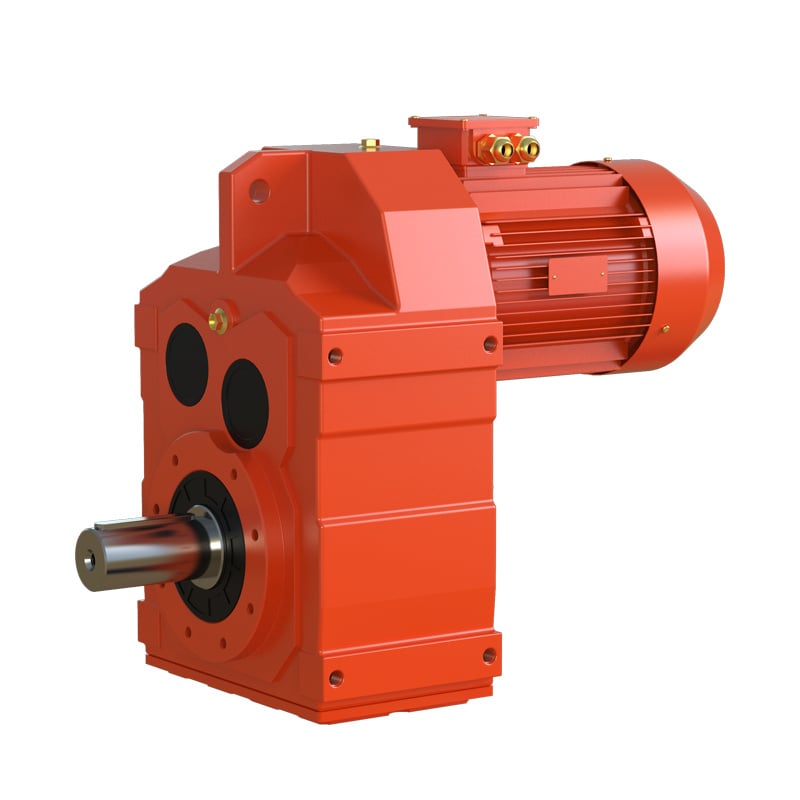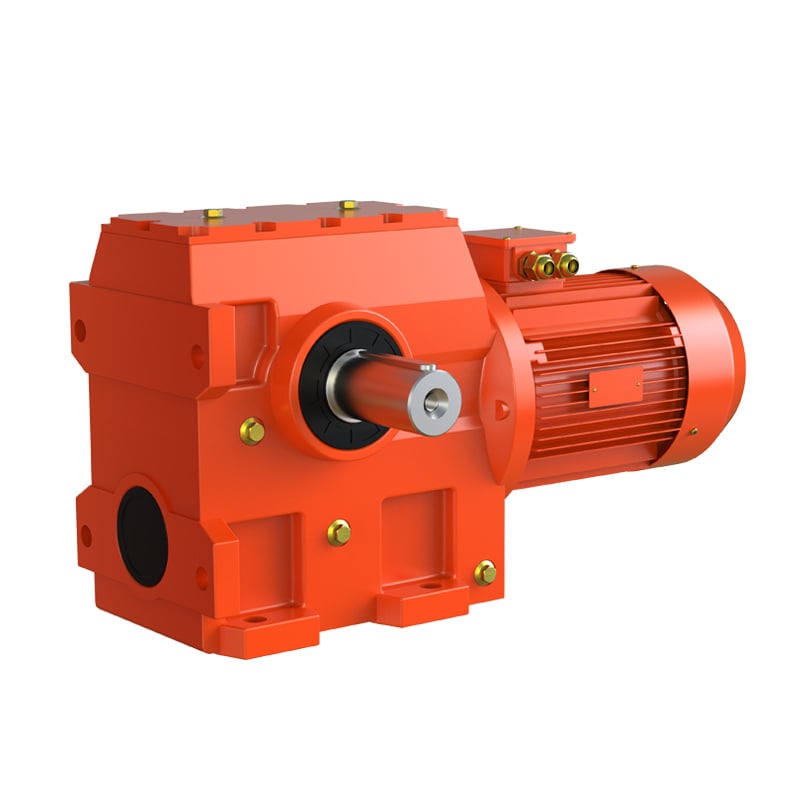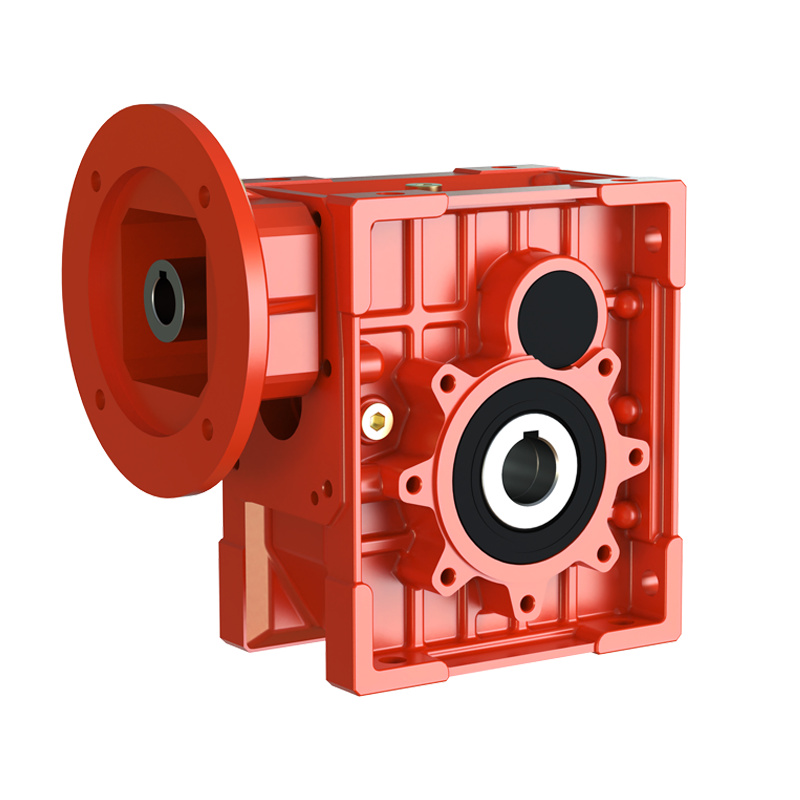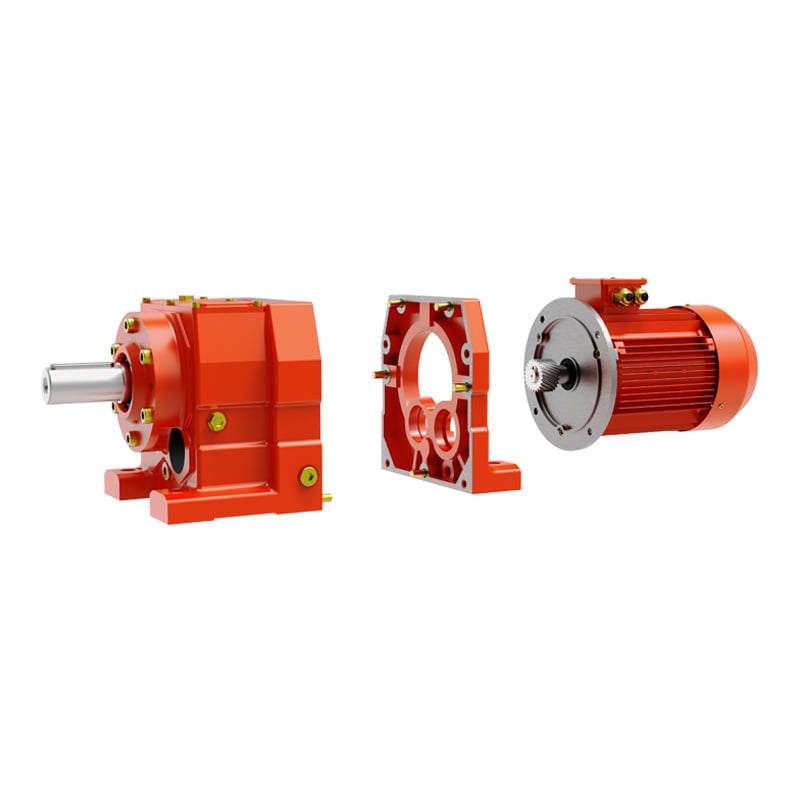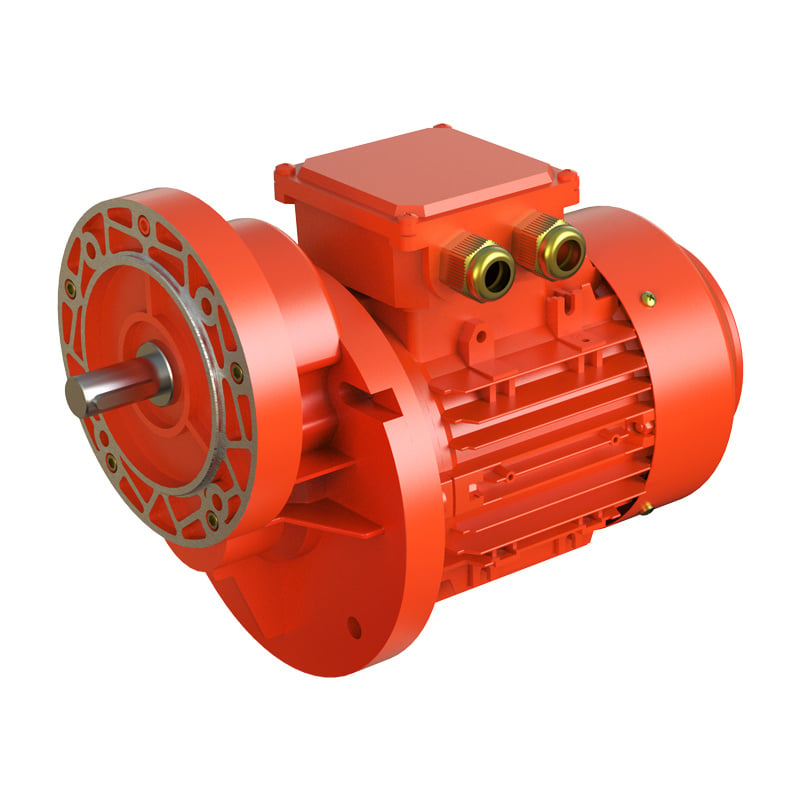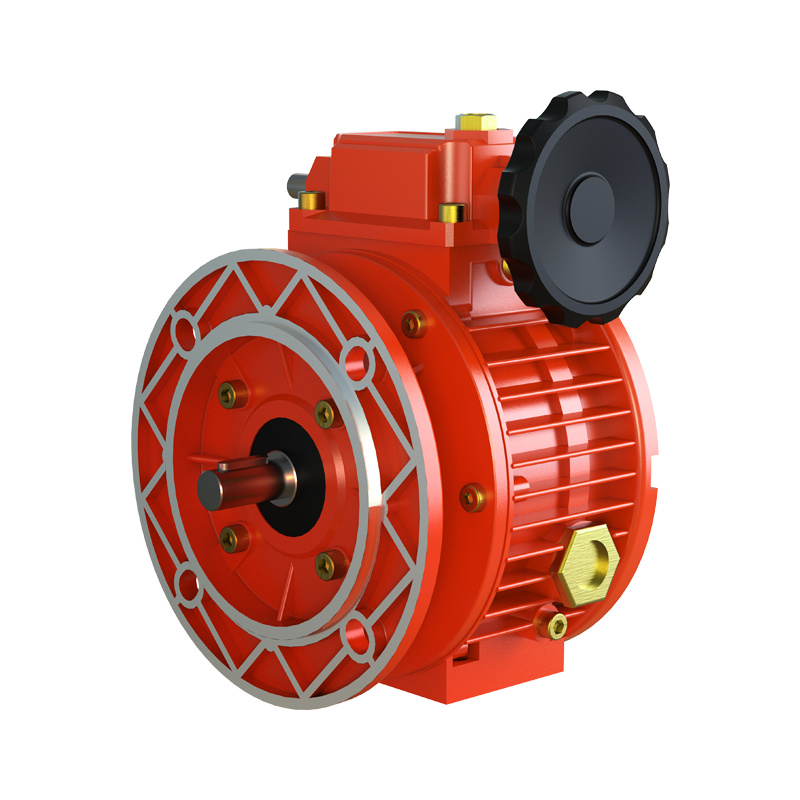

Hello everyone, It's Bella again~ , ZHEJIANG WUMA DRIVE CO.,LTD.'s 30th Anniversary Tweets! Today we learned about the operation of gearbox in low-temperature environments.
In the dead of winter, when temperatures drop below zero, the "iron lumps" in our factories suffer. Especially the gearbox, the "heart" of power transmission; if it malfunctions in low temperatures, the entire production line will "catch a cold." Today, let's talk about how to keep gearboxes from "going on strike" in temperatures tens of degrees below zero.
I. The "Problems" Low Temperatures Pose on Gearboxes
•Lubricating oil turns into "jelly": Ordinary lubricating oil becomes like paste when it gets cold, unable to flow at all. Gears have to rely on "hard contact," doubling the wear rate.
•Metal becomes "brittle": Cast iron housings are prone to cracking at low temperatures, and gears may also develop cracks, just like a glass cup suddenly filled with hot water in winter will shatter.
•Seals become "biscuits": Rubber seals freeze solid, cracking under stress, leading to oil leaks and allowing dust and snow to get inside.
II. Solutions for "Wearing Long Johns" to Gear Reducers
1.Change to "Antifreeze" Lubricating Oil
•Use synthetic ester oil, which can still flow at -40℃
•Add some "nutrients" (anti-wear agents, antioxidants), increasing the oil change interval from 3 months to 1 year
•Case Study: A wind farm used this oil, and the number of maintenance times in winter was directly halved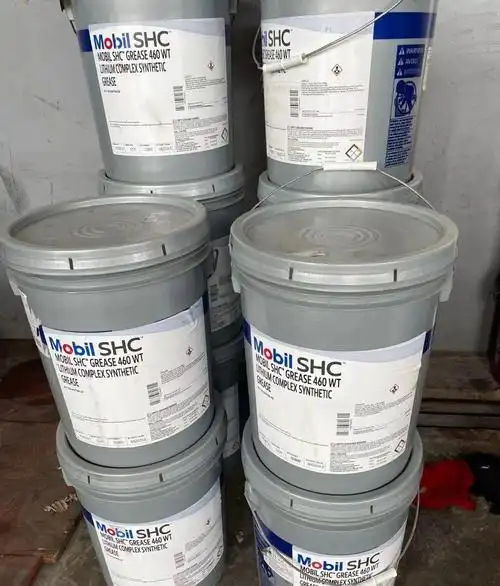
2.Material Upgrades and "Patching Up"
•Replace the housing with ductile iron, like putting a down jacket on the gear reducer
•Carburizing and quenching the gear surface increases hardness and prevents cracking
•Use special steel for bearings, which still rotate smoothly at low temperatures
3."Double Protection" for the Sealing System
•Main seal + secondary seal, like a raincoat and a poncho
•Fluororubber sealing rings, usable from -30℃ to 200℃
•Labyrinth seals do not directly contact each other, reducing friction loss
III. "Fighting Low Temperatures" in Real-World Scenarios
1.Antarctic Scientific Research Equipment
•Drilling rig reducer at Great Wall Station can operate even at temperatures tens of degrees below zero.
•Electric heating oil tank maintains oil temperature, monitored in real time by temperature sensors.
•Automatic control system acts like a "smart butler," heating when the temperature drops.
2.Inner Mongolia Wind Farm
•Gearboxes are equipped with insulation sleeves and heating belts for automatic preheating before winter startup.
•After the upgrade, startup time was reduced from 2 hours to 30 minutes.
•Maintenance costs are reduced by tens of thousands of yuan annually.
3.Cold Chain Logistics Equipment
•Fully enclosed design of cold storage conveyor belt reducer to prevent condensate intrusion
•Stainless steel material, frost-resistant and corrosion-resistant
•Operating noise is 20 decibels lower than ordinary reducers
IV. User Operation Tips
1.Pre-start Inspection
•Check if the lubricating oil is frozen.
•Check for cracks in the sealing rings.
•Test the heating device for proper functioning.
2.Monitoring During Operation
•Maintain oil temperature above 10℃.
•Regularly measure vibration values and address any abnormalities promptly.
•Perform oil sample analysis quarterly.
3.Maintenance
•Change to dedicated lubricating oil before winter.
•Check the insulation device for integrity.
•Record operating data under low-temperature conditions.
V. Future Trends
•Intelligent Temperature Control System: Real-time monitoring with IoT sensors; data can be viewed on a mobile phone.
•Self-lubricating materials: Reduces reliance on traditional oils, making maintenance easier.
•Modular Design: Replace only the faulty component; no need to disassemble the entire machine.
T/F: +86-577-88134158
Email: [email protected] (Bella)
Web: www.wumareducer.com
 Hot News
2026-08-26
2026-08-18
2026-08-15
2026-08-11
2026-07-31
2026-07-29
Welcome to Wuma , a manufacturer committed to developing and manufacturing various types of gear reducers and gearmotors for the field of gear transmission.
No. 10, Xiangcun Industrial Zone, Dongyuan Town, Qingtian County, Lishui City, Zhejiang, China
Copyright © Zhejiang Wuma Drive Co., Ltd All Rights Reserved Privacy Policy Blog
 EN
EN