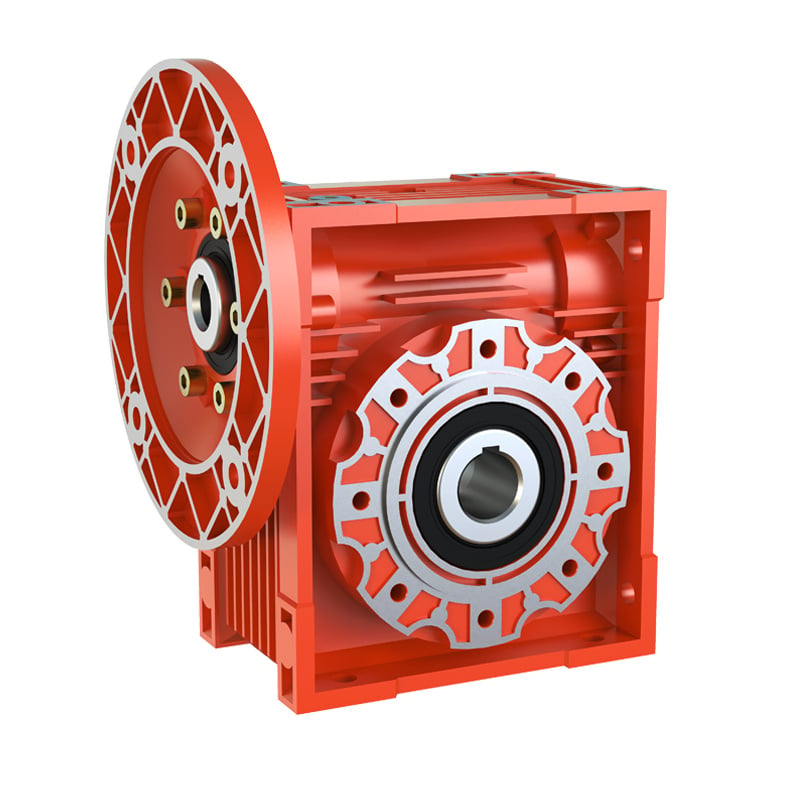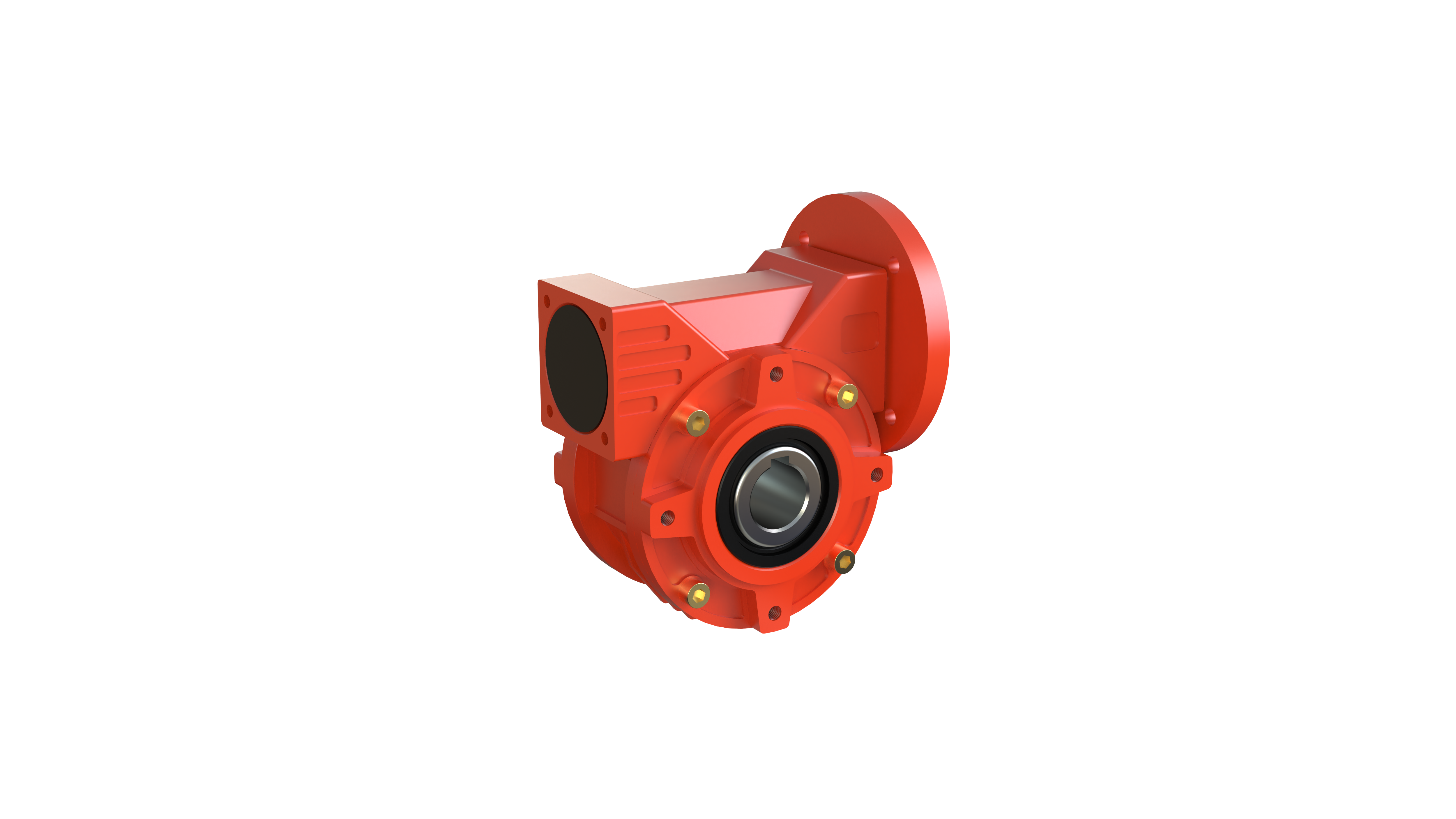

I. Introduction: Small Components, Big Impact
In the complex systems of speed reducers, oil seals are often one of the most inconspicuous components, yet they play a crucial "gatekeeper" role. They dynamically seal the gap between the rotating shaft and the stationary housing. Their failure not only leads to expensive lubricant leaks and environmental pollution, but also causes rapid wear and corrosion of gears and bearings due to the intrusion of external dust and moisture, ultimately resulting in catastrophic equipment downtime. Therefore, a deep understanding of the aging mechanism of oil seals and proactive intervention are the cornerstones for achieving predictive maintenance and excellent equipment operation.
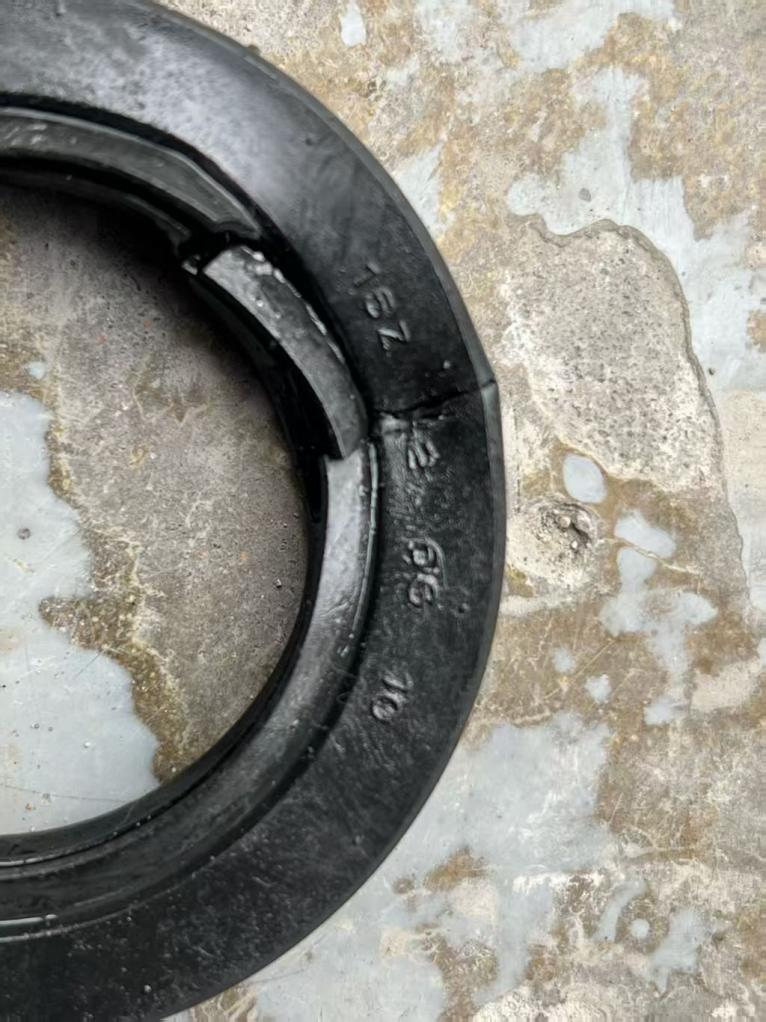
II. Analysis of the Multidimensional Causes of Oil Seal Aging Failure
Oil seal aging is a complex process subject to multiple stress coupling effects, and its root causes can be summarized as follows:
1. Thermal stress and thermal aging
Mechanism: The internal friction of the reducer generates heat, and the high ambient temperature or abnormal temperature rise leads to the continuous excessively high temperature of the sealing cavity.
Influence:
Rubber hardening: Elastomer materials (such as NBR and FKM) undergo irreversible thermal oxidation, lose elasticity, become hard and brittle, and have poor lip-following properties.
Additive precipitation: High temperature accelerates the migration and precipitation of grease or oil additives in the oil seal.
Changes in sealing clearance: The different coefficients of thermal expansion of the shaft, housing, and oil seal material may alter the optimal sealing clearance at high temperatures.
Symptoms: cracked lips, loss of radial force, leakage.
2.Chemical compatibility and media corrosion: Simply put, this means the oil seal material and the materials it comes into contact with are incompatible.
When a "chemical reaction" occurs:
Incompatible lubricant: For example, some lubricants contain special ingredients (such as sulfur- or chlorine-containing additives), or are synthetic or vegetable oils. If the rubber material of the oil seal is unsuitable, it may swell, corrode, soften, or harden and become brittle.
Exposure to external chemicals: If acids, alkalis, or chemical solvents come into contact with the oil seal around the equipment, it will also damage it.
In these situations, the oil seal will either visibly swell and become too tight against the shaft, causing overheating; or it will corrode, reducing its material strength, eventually leading to seal failure and oil leakage.
3. Environmental factors
Mechanism: Physical and chemical effects of the external environment.
Influence:
Ozone cracking: Especially nitrile rubber (NBR), which is prone to cracks perpendicular to the stress direction in an ozone environment.
Dust and abrasive particles intrusion: accelerates abrasive wear on the lip and shaft, creating an "abrasive pump" effect.
Moisture and humidity: accelerate corrosion of metal journals and affect certain rubber properties.
4. Improper installation and storage (human factors)
Mechanism: Improper operation causes initial damage.
Influence:
Installation damage: using rough tools, lip flanges, springs falling off, scratches on the shaft surface or the inner diameter of the oil seal.
Storage aging: Oil seals become aged even before use if exposed to direct sunlight, high temperature, humidity or ozone during storage.
III. Strategies for Systematically Extending Oil Seal Life
Extending the lifespan of oil seals is a systematic project that requires comprehensive management from the source to the end.
Strategy one: Precise Selection and Design Optimization
1.Material matching:
Temperature: Select materials according to the operating temperature (NBR: -40~120℃; FKM: -20~200+℃; AEM, etc.).
Medium: Ensure the oil seal material is fully compatible with lubricants and chemicals that may come into contact with it. Perform an immersion test if necessary.
2. Shaft design and treatment:
Surface hardness: The hardness of the journal sealing area should be ≥ HRC 45, and HRC 55-60 is recommended.
Surface roughness: controlled at Ra 0.2~0.8μm (Ra 0.4μm is usually preferred) to form a stable oil film.
Geometric tolerances: Strict control of the radial runout (typically <0.05mm), axial runout, and tolerances of the shaft.
Introduce chamfering and polishing: The installation path must have a smooth chamfer (15°-30° recommended) to remove burrs.
3. Oil seal structure selection: For dusty environments, double-lip oil seals with a secondary lip for dust prevention should be selected; to improve heat dissipation and reduce friction, split oil seals can be selected (for easy maintenance and replacement).
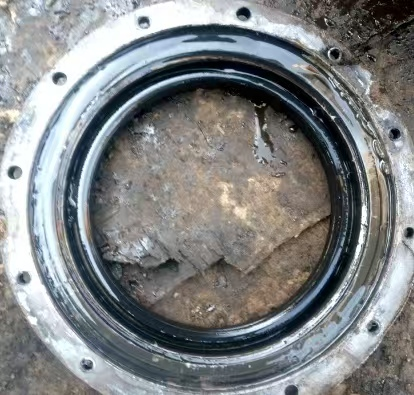
Strategy Two: Standardized Installation and Meticulous Maintenance
1. Standardized installation:
Use specialized installation tools or jigs to ensure a smooth and vertical press into the seat hole.
Apply clean grease to the journal and oil seal lip before installation.
Ensure the spring faces the sealing side (oil side) and is installed correctly.
Shaft protection: Use mounting sleeves or tape to protect the shaft surface through the lip.
2. Procedural maintenance:
Regular inspections: Establish a system for inspecting leak points to detect even minor oil seepage at an early stage.
Cleaning: Before replacing the oil seal, thoroughly clean the seat hole and shaft area to prevent impurities from being introduced.
Strategy three: Operating Condition Management and Operational Support
1.Temperature control:
Ensure good heat dissipation of the speed reducer (clean the heat sink fins and ensure ventilation).
Monitor oil temperature and promptly investigate any abnormal temperature rises (such as overload, poor lubrication, or excessively high oil level).
In extreme environments, consider adding a cooling system.
2.Pollution control:
Keep the breather valve unobstructed and use a highly efficient dustproof sealing combination.
Regularly analyze the oil to monitor its cleanliness (ISO particle size code) and moisture content.
3.Centering and Vibration Management:
Ensure precise alignment between the motor and the reducer.
Vibration monitoring should be implemented to control shaft vibration within permissible limits.
Strategy Four: Technological Innovation and Application
1.Surface engineering: High-frequency quenching, chrome plating, ceramic spraying, or DLC coating are applied to the journal sealing area to greatly improve wear resistance and rust prevention.
2. Application of new materials: Polytetrafluoroethylene (PTFE) lip oil seals are used, which have excellent temperature resistance, chemical resistance and low friction properties; or perfluoroether rubber (FFKM) is used to deal with extreme working conditions.
3. Condition monitoring: Explore integrating wireless temperature sensors near the oil seal to monitor the temperature rise in the sealing area in real time, serving as a fault early warning indicator.
IV. Conclusion
The lifespan of a gearbox oil seal is not an isolated component lifespan issue, but a comprehensive reflection of materials science, mechanical design, installation technology, operating condition management, and maintenance culture . Its aging is an inevitable result of multiple stresses, but through systematic scientific intervention, it is entirely possible to shift from "passive replacement" to "proactive management."
From precise initial selection and design to surgically meticulous installation, and continuous control of operating temperature, vibration, and contamination, every step is an effective investment in the lifespan of the oil seals. Ultimately, safeguarding this millimeter-level sealing boundary is the cornerstone of stable operation of the reducer and even the entire production line, and an essential path to achieving high equipment reliability, low maintenance costs, and excellent operation.
 Hot News
2026-08-26
2026-08-18
2026-08-15
2026-08-11
2026-07-31
2026-07-29
Welcome to Wuma , a manufacturer committed to developing and manufacturing various types of gear reducers and gearmotors for the field of gear transmission.
No. 10, Xiangcun Industrial Zone, Dongyuan Town, Qingtian County, Lishui City, Zhejiang, China
Copyright © Zhejiang Wuma Drive Co., Ltd All Rights Reserved Privacy Policy Blog
 EN
EN