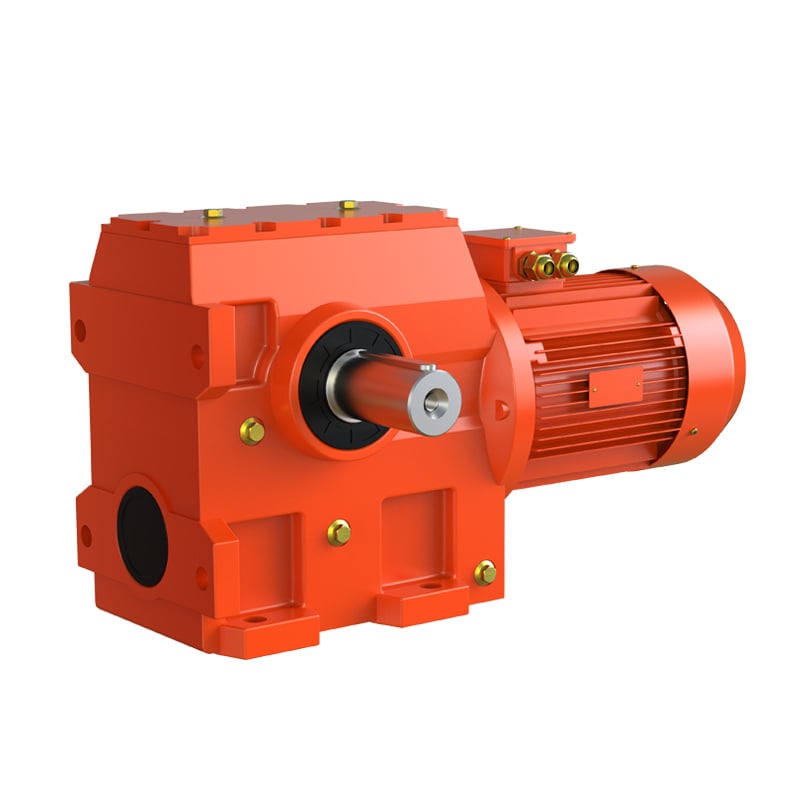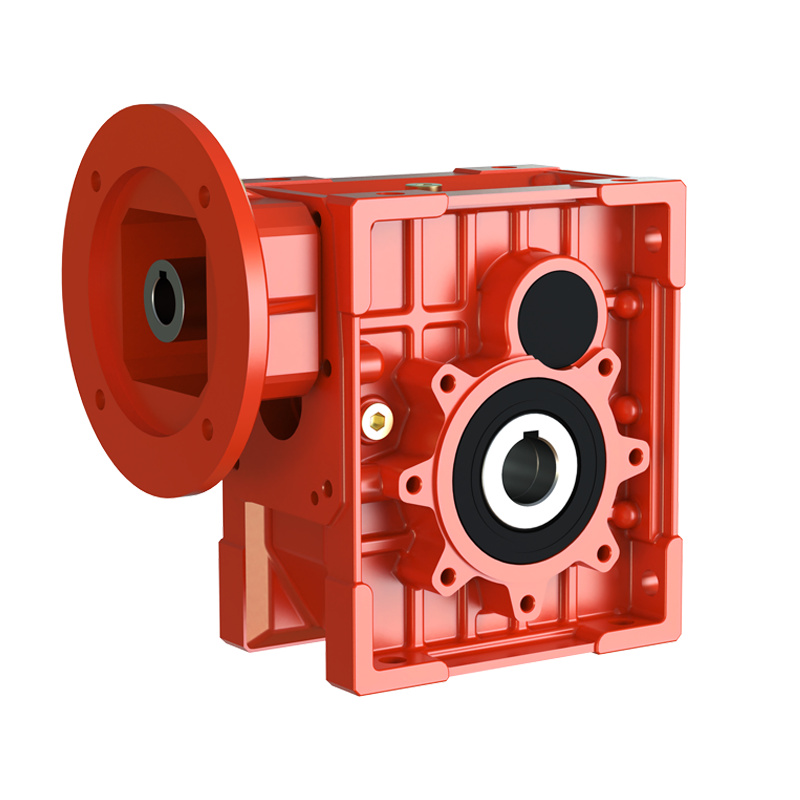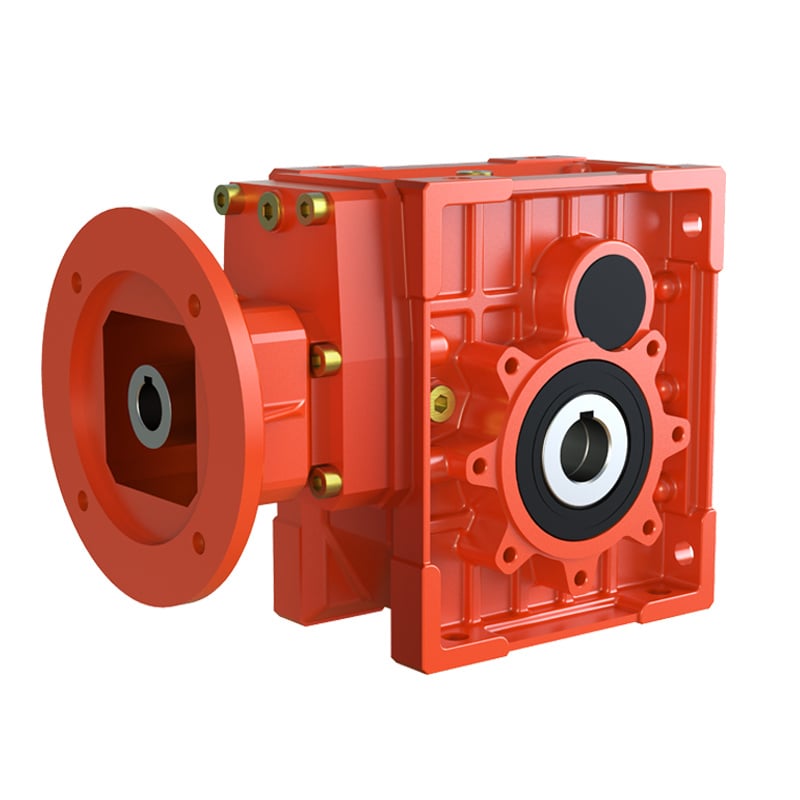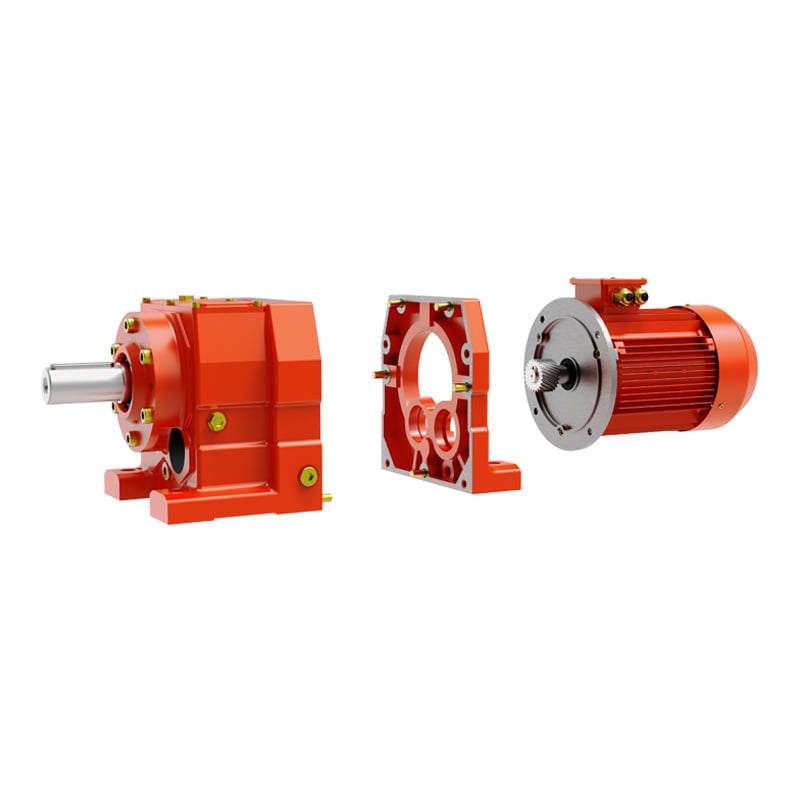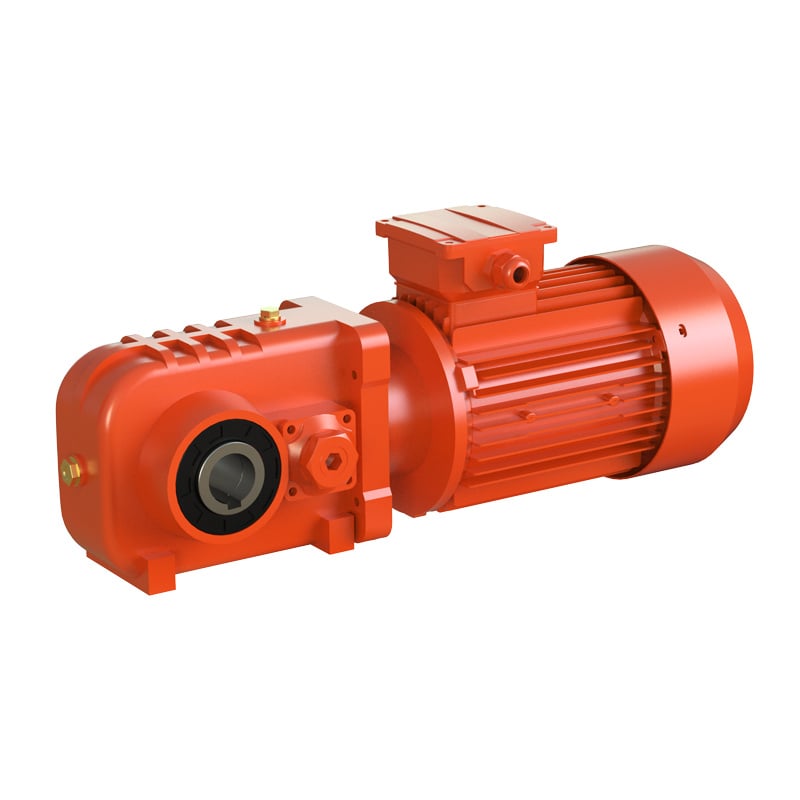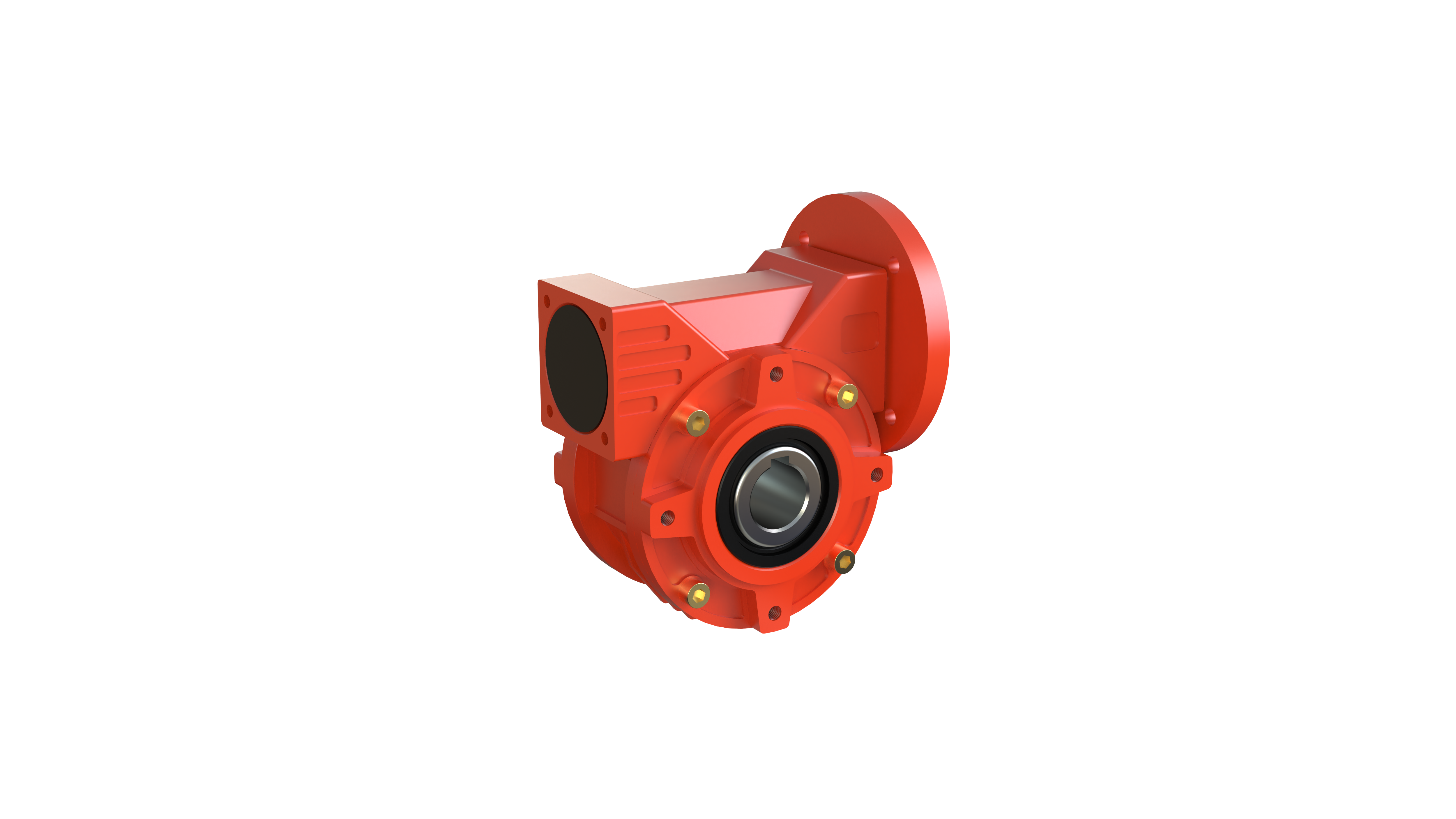

In the selection of worm gearbox reducers, self-locking is a frequently mentioned yet easily misunderstood concept. Many people believe that simply choosing a worm gearbox structure inherently provides reverse self-locking capability. However, the reality is far more complex—the strength of self-locking is determined by two core factors: the speed ratio and the material. In short: the speed ratio determines whether or not there is self-locking capability, while the material determines the strength of that capability.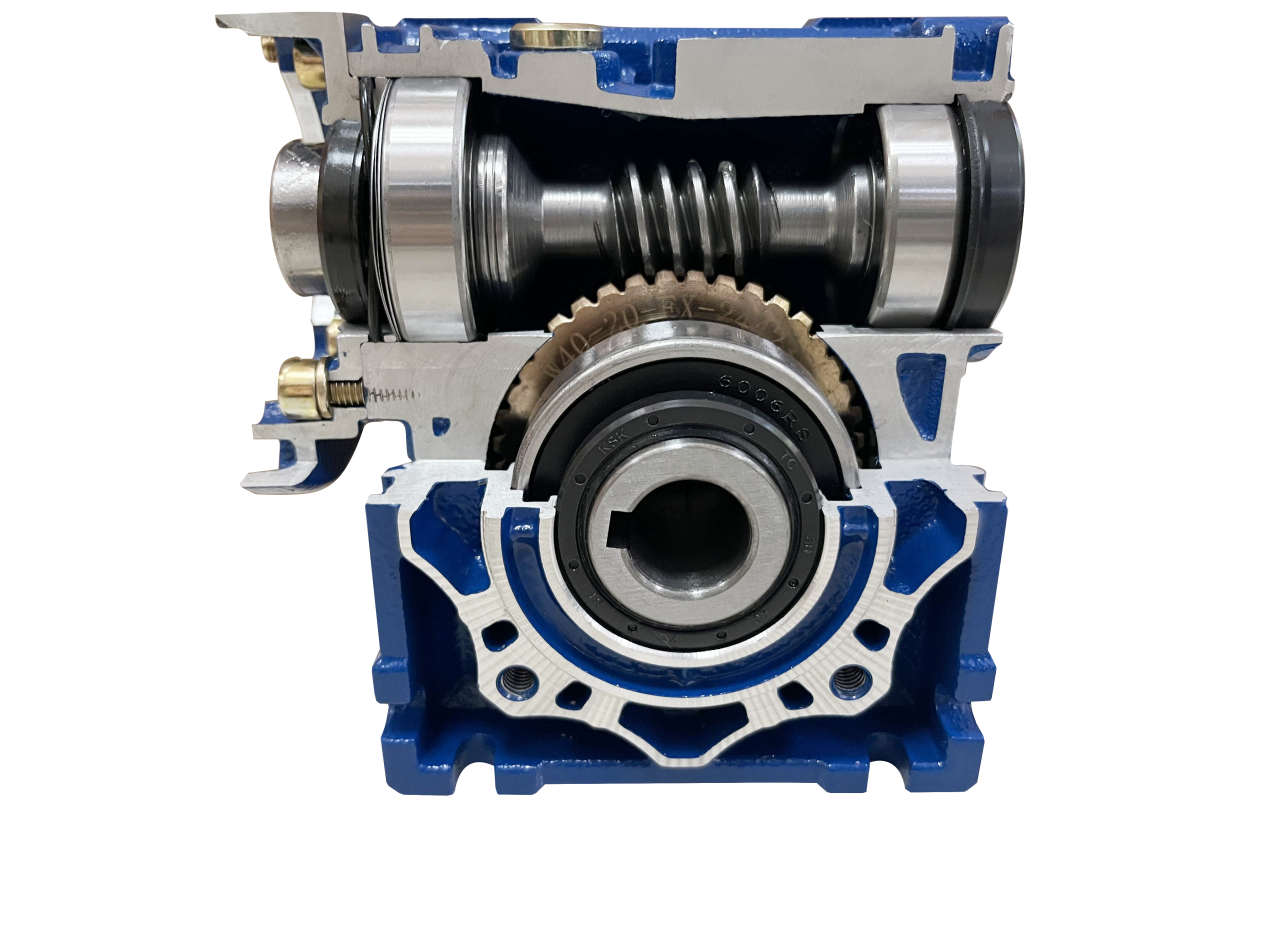
Today, we will thoroughly explain the self-locking of worm screw gearbox from these two dimensions.
I. The Physical Essence of Self-Locking: Friction Angle vs. Helix Angle
First, we need to understand the underlying principle of self-locking. The self-locking capability of worm gearbox drives originates from a geometric relationship: When the helix angle of the worm is lessthan the equivalent friction angle between the tooth surfaces, the system possesses self-locking capability.
Helix Angle: Determined by the number of threads and module of the worm, and directly related to the speed ratio. The larger the speed ratio, the smaller the helix angle.
Equivalent Friction Angle: Determined by the friction coefficient of the tooth surface material, and directly related to the material. The higher the coefficient of friction, the larger the equivalent friction angle.
The strength of self-locking is essentially a "game" between these two angles.
II. Speed Ratio: The "Master Switch" of Self-Locking
The speed ratio is the first threshold determining whether self-locking exists. Because the helix angle is inversely proportional to the speed ratio:
A larger speed ratio (e.g., 60:1, 80:1) → a smaller helix angle → easier to satisfy the condition "helix angle < friction angle" → more reliable self-locking.
A smaller speed ratio (e.g., 10:1, 15:1) → a larger helix angle → more difficult to satisfy the self-locking condition → weaker self-locking, or even non-existent.
Practical experience:
When the speed ratio is ≥ 60:1, most worm gearbox reducers possess reliable self-locking.
When the speed ratio is between 30:1 and 50:1, self-locking is in a "gray area," greatly affected by materials and lubrication conditions.
When the speed ratio is ≤ 20:1, it essentially lacks self-locking capability, and reverse drive can occur at any time.
Therefore, if you need a speed reducer that can "lock," the first step is to select the right speed ratio. Insufficient speed ratio renders even the best materials useless.
Ⅲ. Materials: The "Regulating Valve" of Self-Locking Performance
Once the speed ratio meets the self-locking conditions, the material begins to play its "regulating" role. The difference in the friction coefficient of different materials directly affects the strength and reliability of the self-locking performance.
|
Material type |
Transmission efficiency |
Self-locking |
Applicable speed ratio range |
|
Aluminum bronze |
lower(50%-80%) |
Strong self-locking capability: high reverse drive resistance and ample safety margin. |
Excellent performance in low-to-medium speed ratios (30:1 and above) |
|
Tin bronze |
higher(70%-90%) |
Self-locking capability is relatively weak: efficiency is prioritized, and self-locking serves as an "auxiliary" function. |
High-speed ratios (50:1 and above) still require careful evaluation. |
Returning to the initial point: the speed ratio determines whether self-locking exists, while the material determines the strength of that self-locking.
When selecting a material, please follow this order:
1. First, determine the speed ratio—does it meet the basic requirements for self-locking?
2. Then, choose the material—while ensuring self-locking, use aluminum bronze to enhance reliability, or use tin bronze for improved efficiency.
At Wuma Transmission, we have prepared targeted material solutions for different speed ratios and operating conditions. Whether you're seeking the ultimate self-locking performance with aluminum bronze or the high-efficiency, energy-saving benefits of tin bronze, we can help you find the most suitable option for your application.
Because true professionalism lies in understanding how to make the most balanced choice between speed ratio and material.
 Hot News
2026-06-29
2026-06-24
2026-06-24
2026-06-23
2026-06-18
2026-05-22
Welcome to Wuma , a manufacturer committed to developing and manufacturing various types of gear reducers and gearmotors for the field of gear transmission.
No. 10, Xiangcun Industrial Zone, Dongyuan Town, Qingtian County, Lishui City, Zhejiang, China
Copyright © Zhejiang Wuma Drive Co., Ltd All Rights Reserved Privacy Policy Blog
 EN
EN