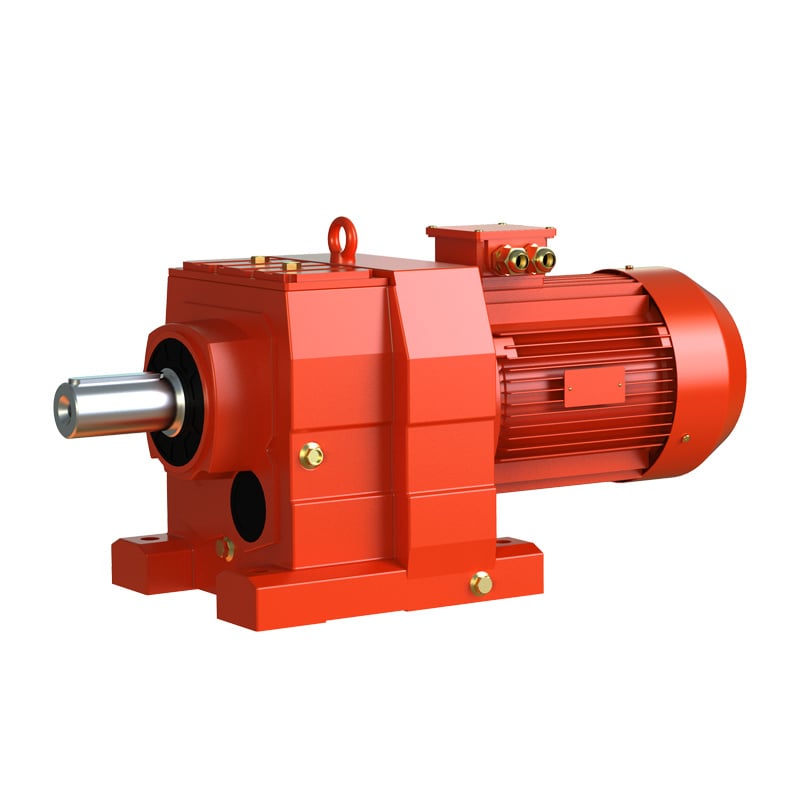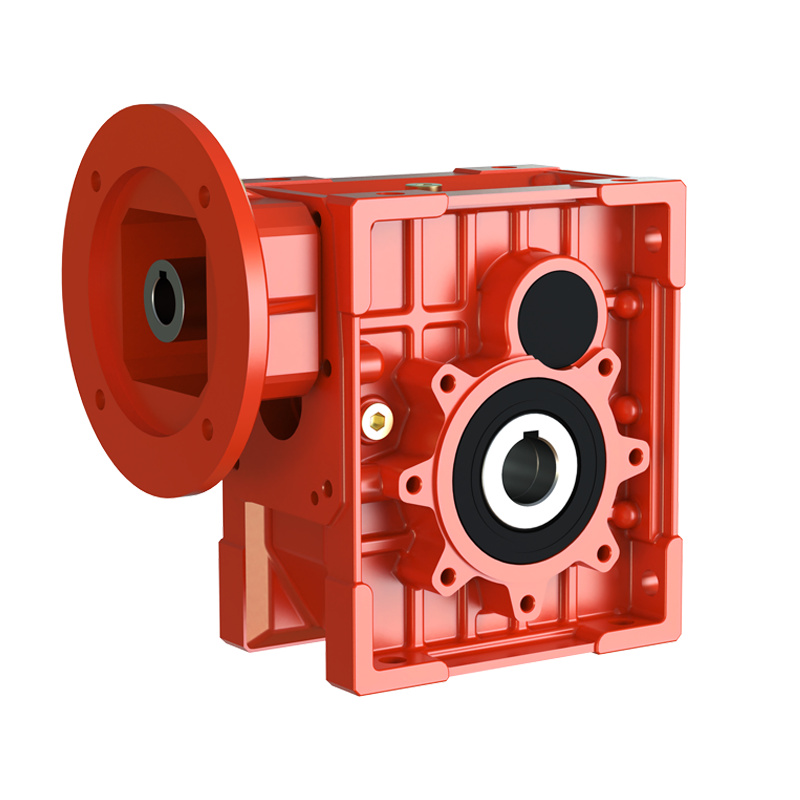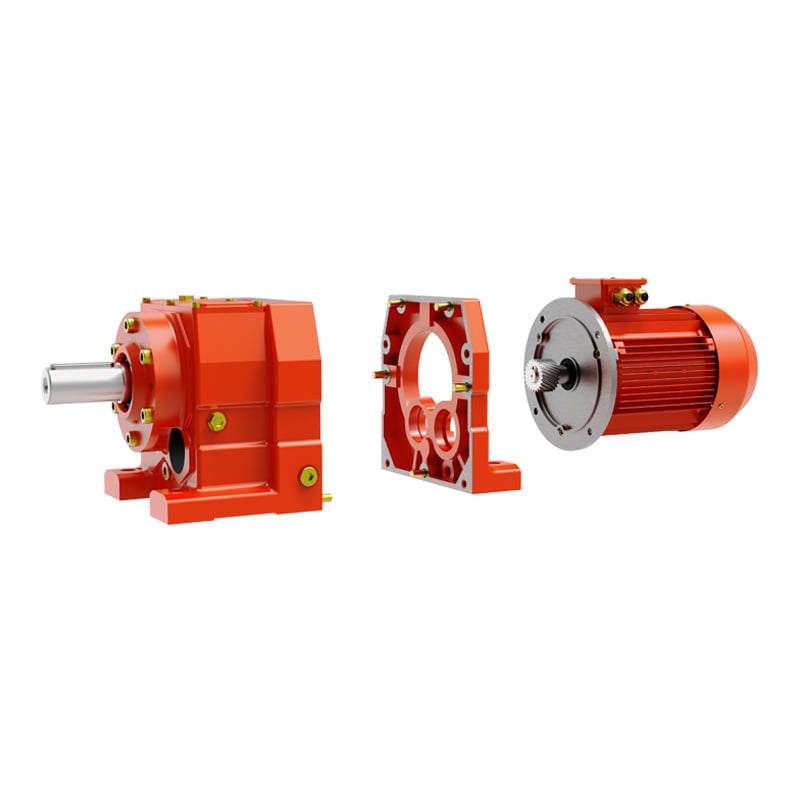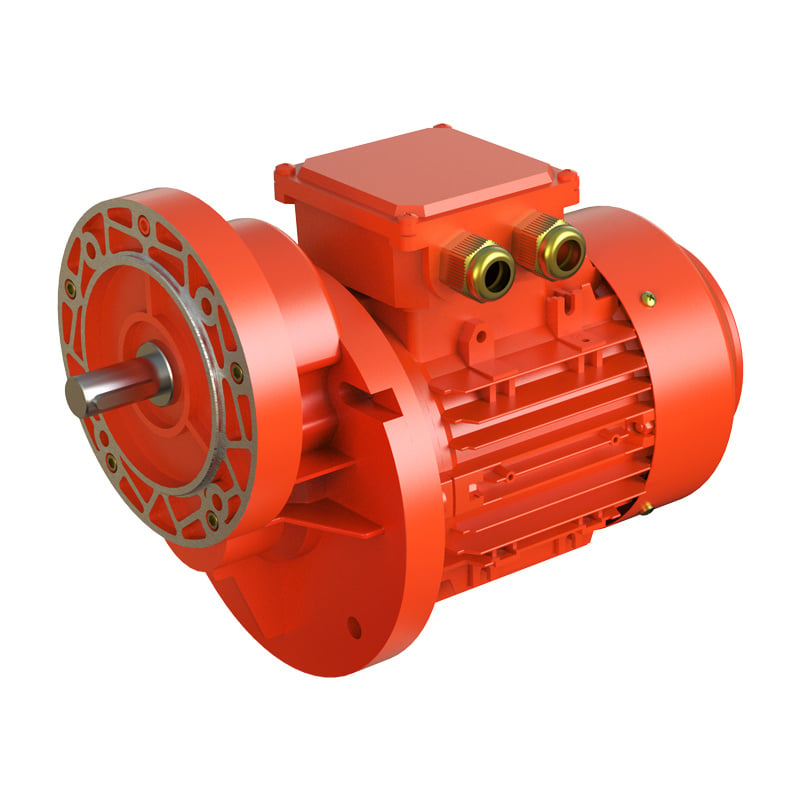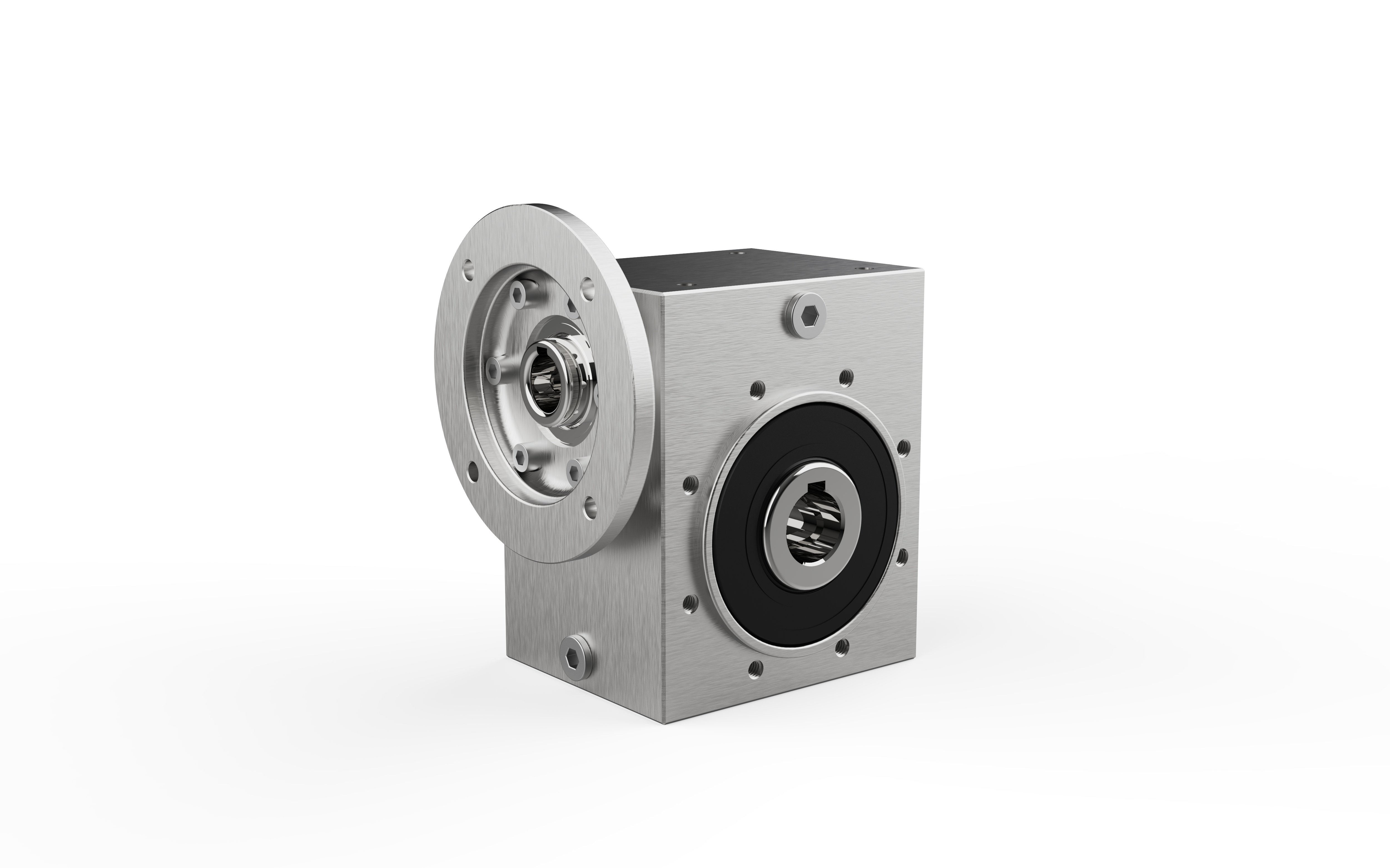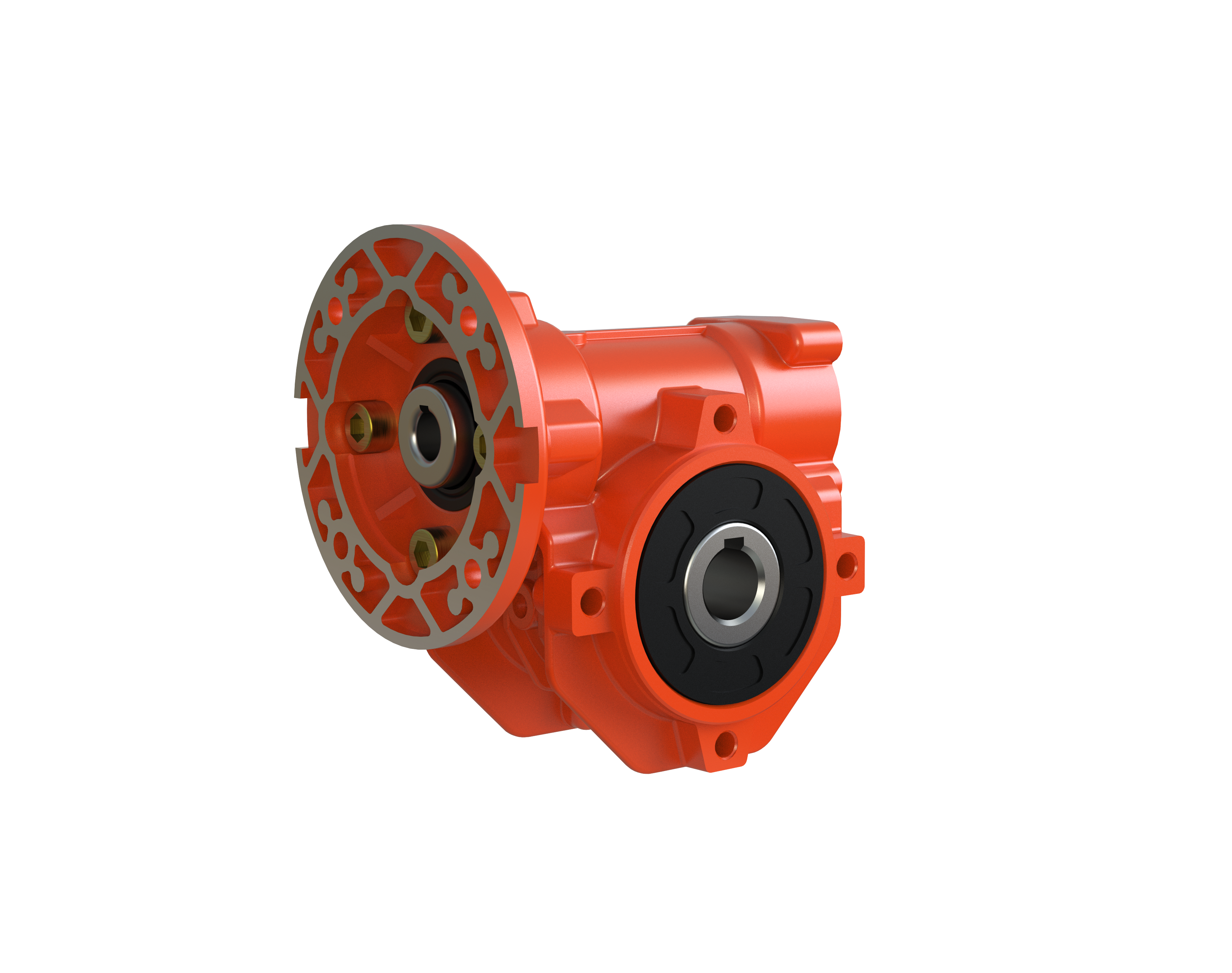

In the selection of speed reducers, the service factor (SF) is defined as the ratio of the speed reducer's rated output torque to the actual load torque, essentially an engineering compensation for uncertainties in operating conditions.
However, in practical applications, the selection of the service factor often goes to two extremes: one is to set it too low to reduce procurement costs, leading to premature equipment failure; the other is to blindly increase it to avoid liability, resulting in excessive system redundancy and increased costs and energy consumption. Both deviate from the essential positioning of the service factor as a "techno-economic balance point."
I. Under-selection: Local cost savings and systemic losses
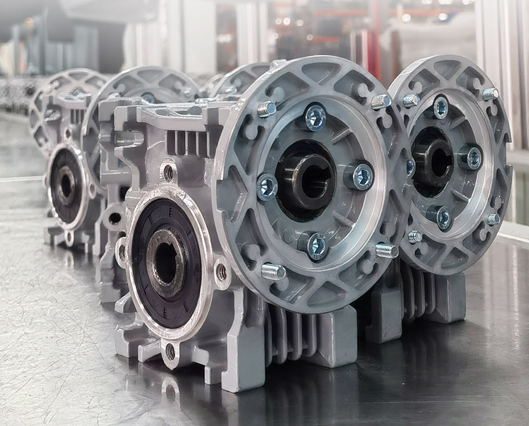
When the service factor is lower than the actual operating requirements, the speed reducer operates near its fatigue limit for extended periods. Typical failure modes include tooth surface pitting, scuffing, tooth breakage, and premature bearing life exhaustion. These failures are not sudden quality problems, but rather cumulative damage caused by insufficient estimation of factors such as impact loads, start-stop frequency, and inertial torque during the selection phase.
From a cost perspective, under-selecting a gearbox saves on the one-time purchase price difference, but the consequences include: production line downtime losses due to unplanned shutdowns; material costs for replacing the gearbox and related damaged parts; and labor costs for maintenance and equipment commissioning time.
II. Over-selecting a gearbox: Hidden waste and system performance degradation
Compared to under-selecting a gearbox, over-selecting a gearbox with an excessively large safety margin is more easily overlooked. This is because over-selection doesn't immediately lead to equipment failure, but its economic and technical costs are equally considerable:
Purchase costs: A larger gearbox typically corresponds to a 30%–50% price increase;
Space and structural costs: Larger dimensions require larger mounting frames, couplings, and other peripheral components, increasing the overall material cost;
Energy losses: Larger gearboxes have greater rotational inertia and higher no-load losses, continuously generating additional electricity costs throughout their lifespan;
Decreased dynamic performance: An imbalance in the inertia ratio affects the response speed and positioning accuracy of the servo system, especially noticeable in precision motion control scenarios.
III. Methods for Determining the Safety Factor A reasonable safety factor should be based on a comprehensive evaluation of the following four dimensions:
1. Duty Cycle Type Different duty cycles (S1 continuous operation, S3/S4 intermittent operation, S5 braking, etc.) correspond to different thermal equilibrium conditions and fatigue load spectra, requiring separate handling.
2. Start-Stop Frequency and Dynamic Load The higher the start-stop frequency, the greater the proportion of inertial torque during acceleration and deceleration.
IV. Conclusion The safety factor is the result of a balance between operating condition characteristics, reliability requirements, and economy. The essence of accurate selection is to find the optimal technical and economic solution amidst uncertainty.
 Hot News
2026-06-29
2026-06-24
2026-06-24
2026-06-23
2026-06-18
2026-05-22
Welcome to Wuma , a manufacturer committed to developing and manufacturing various types of gear reducers and gearmotors for the field of gear transmission.
No. 10, Xiangcun Industrial Zone, Dongyuan Town, Qingtian County, Lishui City, Zhejiang, China
Copyright © Zhejiang Wuma Drive Co., Ltd All Rights Reserved Privacy Policy Blog
 EN
EN