
 EN
EN

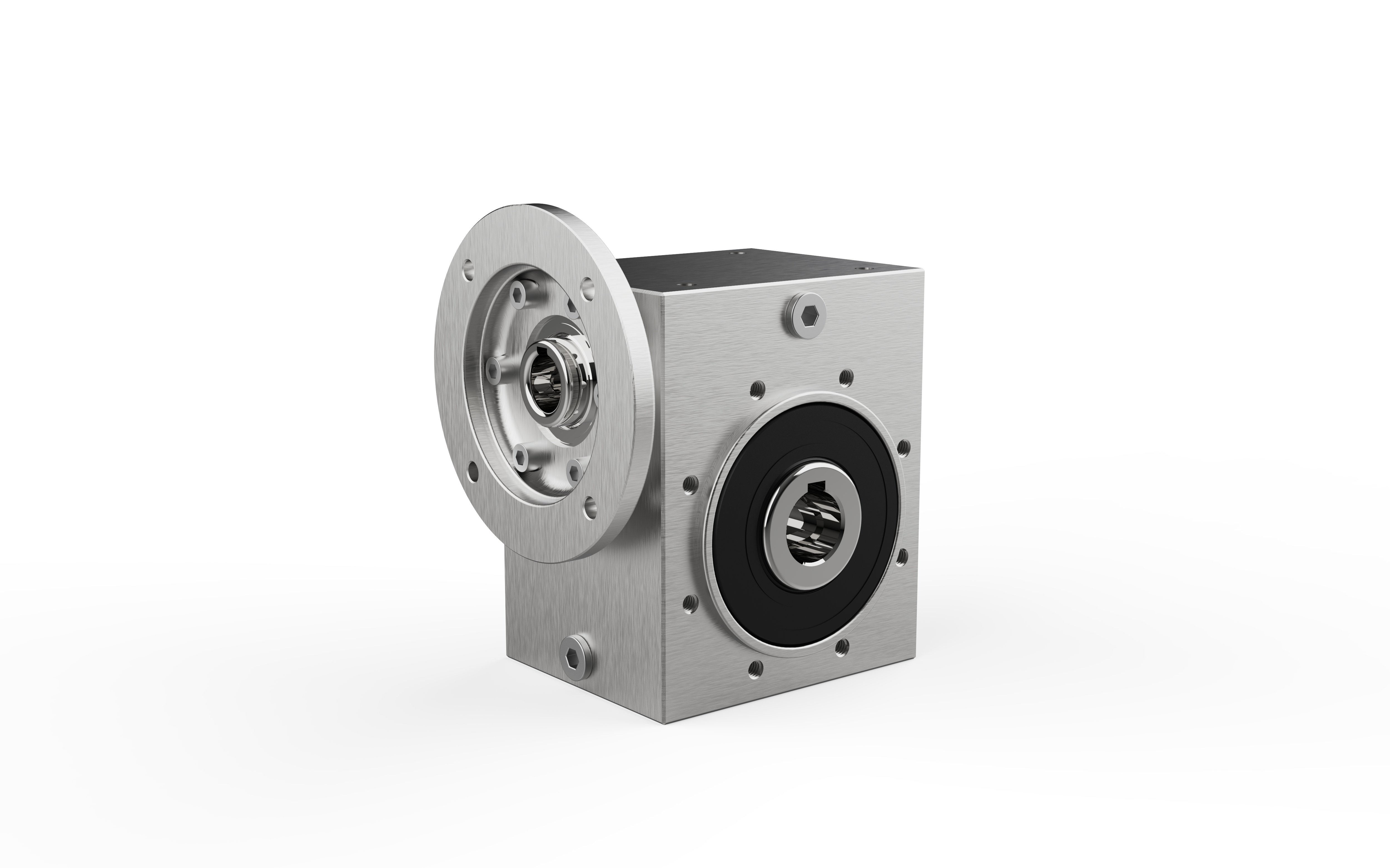
The core difference: Worm gear reducers (WMRV/WDVF/WMVF series) rely on sliding friction and achieve 70–85% single-stage efficiency. Hypoid reducers (WKM series) use rolling-dominant gear contact to reach 94–96% efficiency — reducing energy loss by up to 20 percentage points. For continuous-duty applications, the efficiency gap translates directly into measurable annual energy cost savings that often recover the price premium within 3–5 years.
1. Why Efficiency Differs: The Physics of Gear Meshing
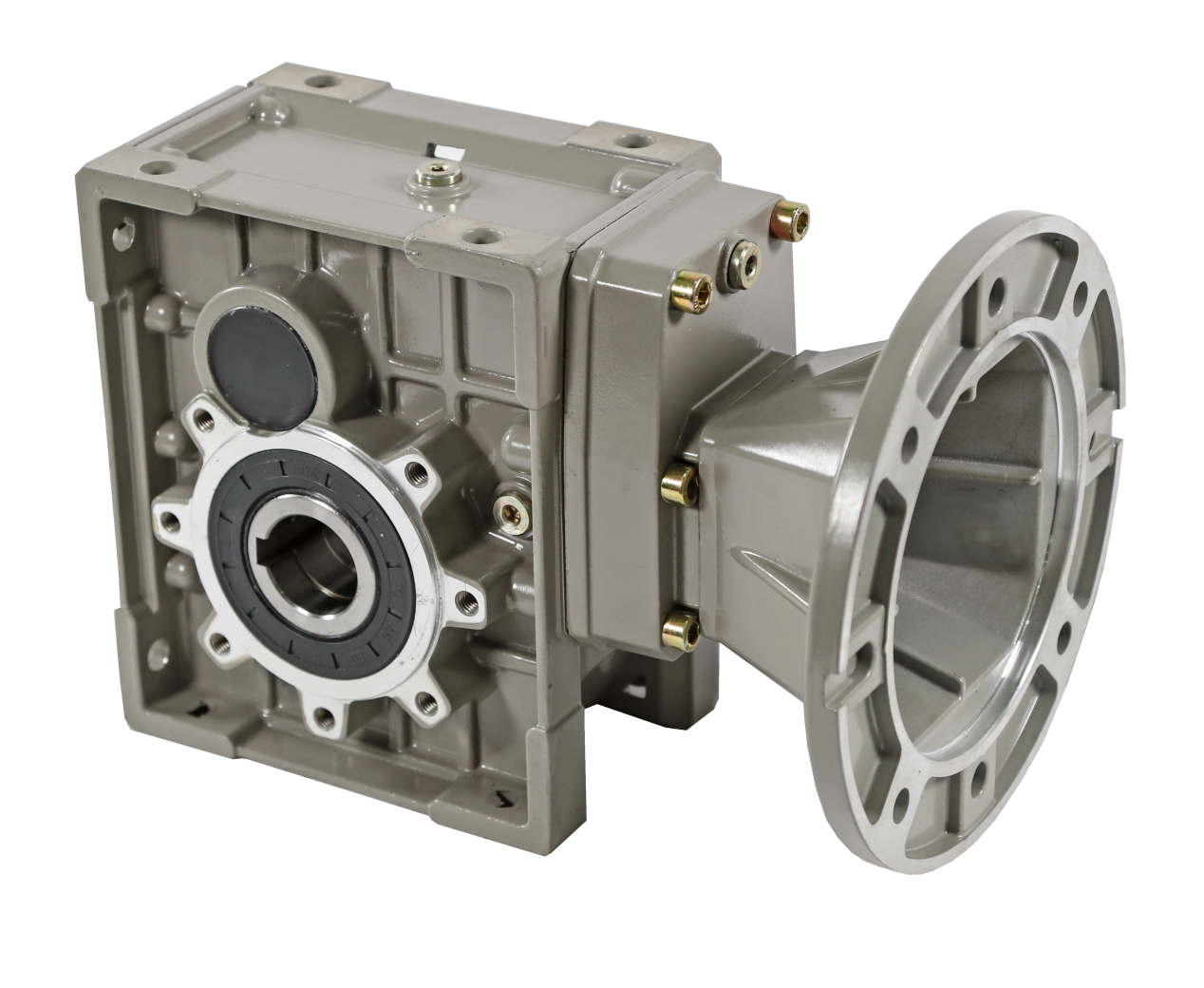
Worm Gear Reducers: Sliding Friction Design
The hardened steel worm continuously scrapes across the tin bronze worm wheel surface — a motion that is fundamentally sliding in nature. This sliding friction converts 15–30% of input power into waste heat, limiting single-stage efficiency to 70–85% regardless of manufacturing precision (Wuma factory test data, per ISO 14521).
Hypoid Reducers: Rolling-Dominant Meshing
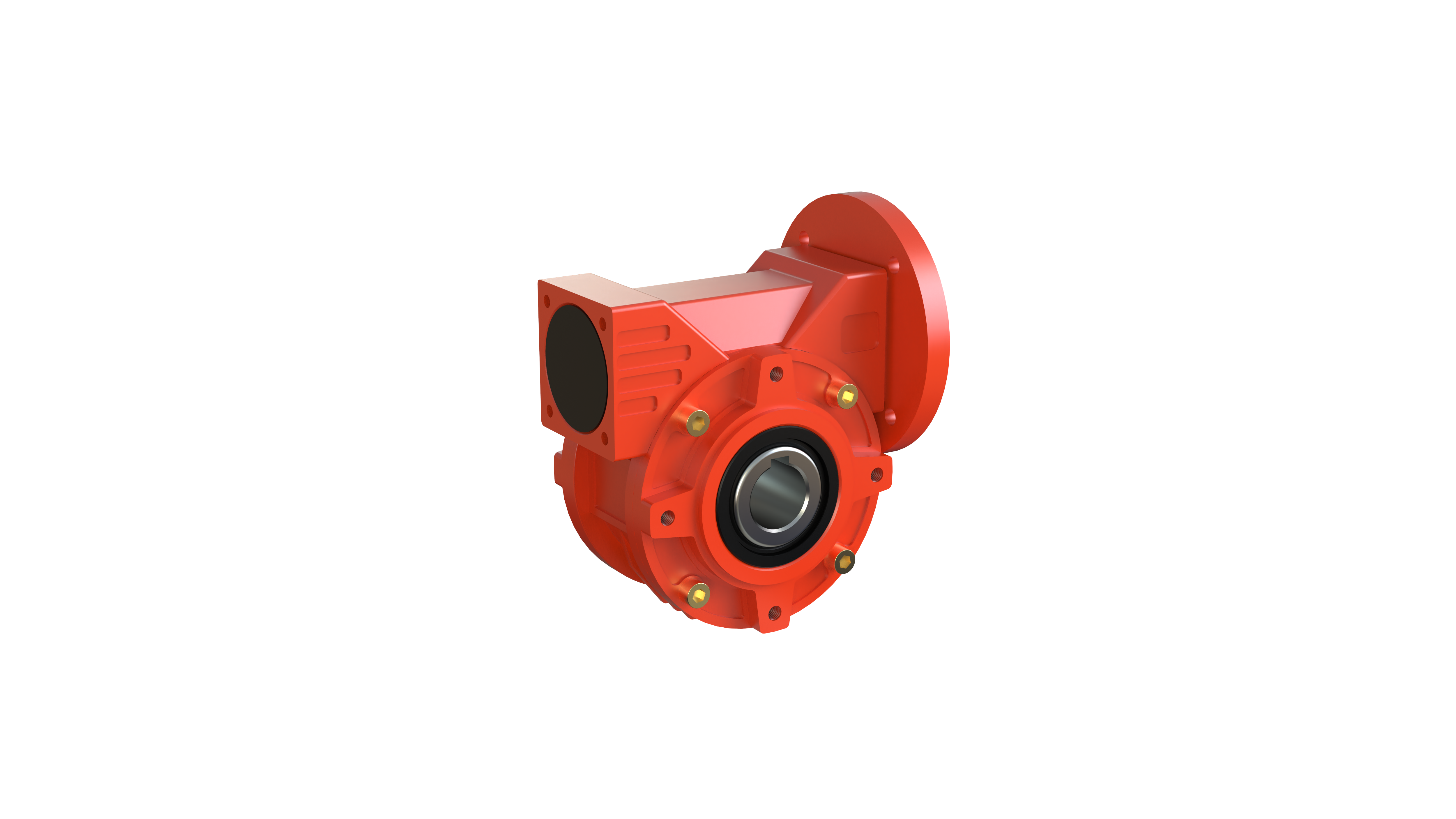
Hypoid gears (WKM series — spiral bevel gears with offset, non-intersecting axes) achieve line contact with rolling as the primary motion mode, accompanied only by controlled micro-slippage. Single-stage efficiency reaches 94–96%, fundamentally eliminating the heat generation inherent to worm drives.
| Parameter | Worm Gear (WMRV/WDVF/WMVF) | Hypoid (WKM) |
|---|---|---|
| Meshing Type | Sliding friction (worm on bronze wheel) | Rolling-dominant line contact |
| Single-Stage Efficiency | 70–85% | 94–96%+ |
| Heat Generation | High — 15–30% power lost as heat | Low — minimal thermal loss |
| Shaft Orientation | 90° right-angle | 90° right-angle (offset axis) |
| Self-Locking | Yes (at high ratios) | No |
| Noise Level | Low | Low–Medium |
2. Real-World Energy Cost Calculation
The efficiency gap is not abstract — it translates directly into electricity bills. The following example is based on a real customer application substitution.
| Parameter | Worm Gear: WMRV75-30-Y1.5kW | Hypoid: WKM75B-30-Y1.5kW |
|---|---|---|
| Motor Power | 1.5 kW | 1.5 kW |
| Reduction Ratio | i = 30 | i = 30 |
| Output Torque | 194 N·m | 237 N·m (+22%) |
| Service Factor (S.F.) | 1.2 | 1.44 (+20%) |
| Efficiency | ~78% (typical) | ~95% |
| Power Loss per Hour | ~0.33 kWh | ~0.075 kWh |
Annual Energy Savings: Worm → Hypoid Upgrade
| Period | Energy Saved | Cost Saved (at $0.12/kWh) |
|---|---|---|
| Per Hour | 0.27 kWh | $0.032 |
| Per Day (8 hrs) | 2.16 kWh | $0.26 |
| Per Year (360 days) | 777.6 kWh | ~$93 per unit |
| Over 5 Years | 3,888 kWh | ~$466 per unit |
* Energy cost calculated at $0.12 USD/kWh reference rate. Actual savings vary by local electricity tariff and daily operating hours.
For multi-unit production lines, the cumulative savings scale proportionally — a facility running 20 units of this configuration saves over $1,860/year in electricity alone, typically recovering the WKM price premium within 3–5 years of operation.
3. Which Should You Choose? A Decision Framework
The right choice depends on your duty cycle, budget horizon, and whether self-locking is required. Use the table below to match your application to the optimal solution.
| Decision Factor | Choose Worm Gear (WMRV) | Choose Hypoid (WKM) |
|---|---|---|
| Duty Cycle | Short / intermittent (S3, S5) | Continuous (S1, 8–24 hrs/day) |
| Budget Priority | Low upfront cost is critical | Low total cost of ownership over 3–5 yrs |
| Self-Locking Required | Yes (lifting, positioning) | No (add brake separately if needed) |
| Output Torque Demand | Standard torque range | Higher torque from same motor power |
| Thermal Management | May need fan cooling in continuous use | Runs cooler — lower thermal risk |
| Typical Sectors | Conveyors, food packaging, mixers, general factory | Automation lines, logistics, continuous production |
Frequently Asked Questions
What is the efficiency difference between a worm gear reducer and a hypoid reducer?
Worm gear reducers achieve 70–85% single-stage efficiency due to sliding friction. Hypoid reducers achieve 94–96% through rolling-dominant meshing — reducing energy loss by up to 20 percentage points under identical operating conditions.
Can a hypoid reducer directly replace a worm gear reducer?
In most right-angle drive applications, yes. The Wuma WKM series is engineered as a performance upgrade for WMRV/WDVF/WMVF worm gear reducers, delivering higher output torque and efficiency at the same motor power and frame size.
How much energy can switching from worm to hypoid save per year?
Based on a 1.5 kW motor running 8 hours/day: switching from WMRV75-30 to WKM75B-30 saves 777.6 kWh per year per unit — equivalent to approximately $93 at $0.12/kWh. Over 5 years, savings exceed $466 per unit, typically covering the initial price difference.
When should I still choose a worm gear reducer?
Worm gear reducers remain the preferred choice when: (1) upfront cost is the primary constraint, (2) the built-in self-locking feature is required (lifting, positioning), or (3) equipment runs intermittently and the energy savings cannot justify the price premium.
What is a hypoid gear reducer?
A hypoid gear reducer uses spiral bevel gears with offset, non-intersecting axes. The rolling-dominant meshing delivers 94–96% efficiency and higher torque density than worm drives, making it ideal for continuous-duty industrial automation where energy cost and heat generation matter.
True cost control begins at the design stage. Choosing a more efficient transmission is not just a product decision — it is a commitment to lower operating costs, reduced thermal stress, and a more sustainable production model over the full equipment lifecycle.
Need help comparing WMRV and WKM for your specific application?
Submit Your Parameters — Get a Free Selection & Energy Savings Analysis →
 Hot News