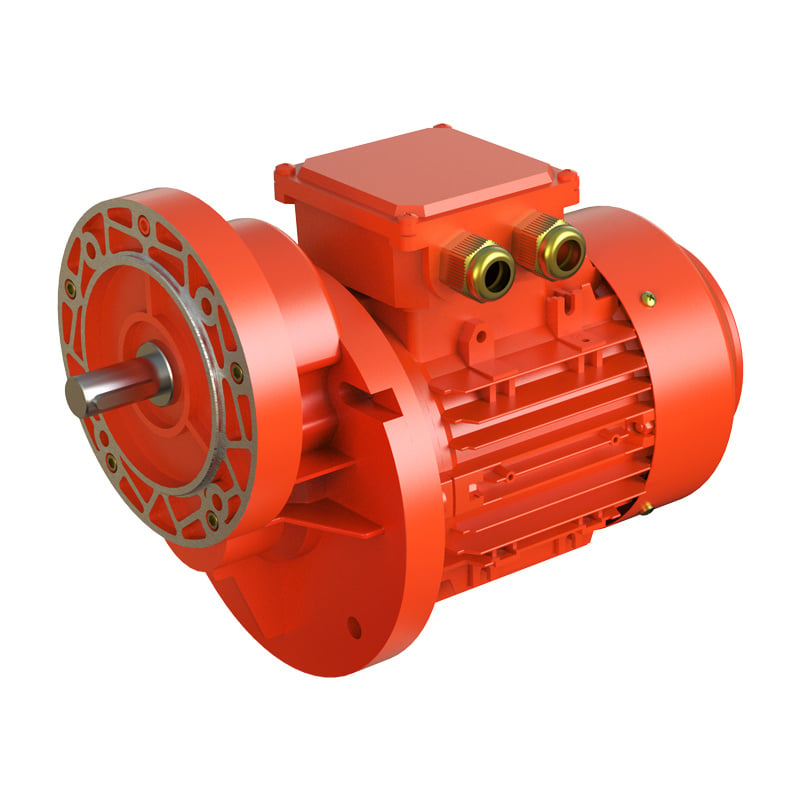

What goes wrong: Engineers match the gearbox rated power to the motor nameplate and stop there. The real operating load — material weight, equipment inertia, start-stop shocks, and incline resistance — is never calculated. On an inclined or frequently reversing conveyor, the actual peak load can be double the motor's nominal power. The result: rapid gear and shaft wear, noise, and total failure within months.
Correct Selection Approach: Calculate the required output torque from actual load — include conveyor belt tension, material weight, and friction. Apply a service factor (SF = 1.25–2.0 depending on start-stop frequency and shock level). Select a gearbox rated at or above this corrected torque. The motor's rated power is a starting point, not the final spec.
What goes wrong: Conveyors run horizontal, inclined, vertical, or with flange-mounted drives. Each orientation requires a specific gearbox housing design and lubrication system. Installing a horizontal-rated gearbox on a vertical conveyor means the oil level is wrong — bearings and gears run dry or flooded. Forcing a mounting mismatch causes uneven housing stress, shaft misalignment, and accelerated bearing failure.
Correct Selection Approach: Confirm the conveyor's drive orientation before selecting a gearbox. For vertical or inclined installations, check the manufacturer's mounting position chart — most gearbox series specify approved oil fill levels for each orientation (M1 through M6 mounting positions). If the application requires multi-position mounting, select a series designed for it.
| Conveyor Type | Typical Drive Orientation | Gearbox Requirement |
|---|---|---|
| Horizontal belt conveyor | Horizontal, foot-mounted | Standard M1 mounting, inline or right-angle |
| Inclined conveyor | Inclined shaft, self-locking preferred | Worm or helical-bevel, self-locking check required |
| Vertical screw conveyor | Vertical output shaft | Right-angle gearbox, vertical mounting approved |
| Chain conveyor (flange drive) | Flange or hollow shaft | Hollow shaft output, torque arm mounting |
What goes wrong: A standard gearbox ordered without specifying environment requirements will have inadequate sealing, standard paint, and a base oil viscosity calibrated for moderate temperatures. In dusty, wet, high-temperature, or corrosive environments, the seals fail, the housing corrodes, and the oil degrades faster than the change interval. Continuous-duty conveyors running in hot or dirty conditions burn through standard gearboxes in a fraction of their rated life.
Correct Selection Approach: Define the site conditions before ordering. Match the gearbox protection specification to the environment:
What goes wrong: Some buyers over-specify — selecting an oversized premium gearbox for a light-duty application. At very low load ratios, the oil doesn't circulate properly and the gearbox runs cold with poor lubrication film. Others under-specify to cut cost — putting an entry-level gearbox on high-shock, heavy-duty work. Neither extreme delivers the expected service life. The issue is mismatching, not the price point.
Correct Selection Approach: Target a load ratio of 60–90% of the gearbox's rated output torque under normal operating conditions. Below 50% means oversized — consider a smaller frame. Above 90% means undersized — go up one frame size or apply a higher SF. Match the gearbox series to the duty type: standard helical for smooth loads, helical-bevel or worm for higher shock tolerance.
Based on the four selection criteria above, Wuma Drive offers purpose-matched gearbox series for every conveyor application type:
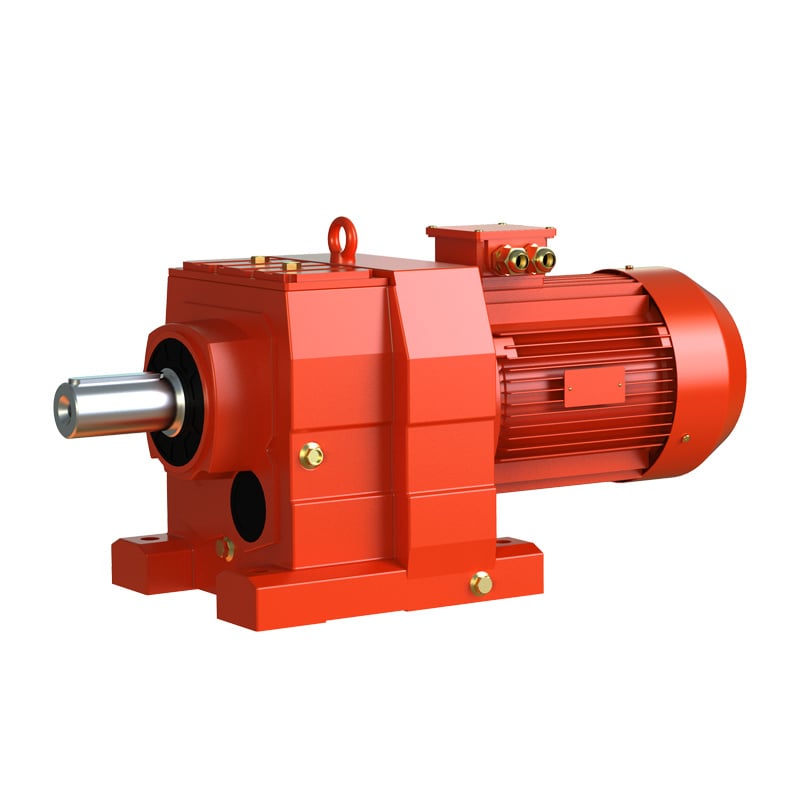
Inline shaft output. High efficiency (>96%), smooth torque. Standard choice for horizontal belt conveyors and continuous-duty light-to-medium loads.
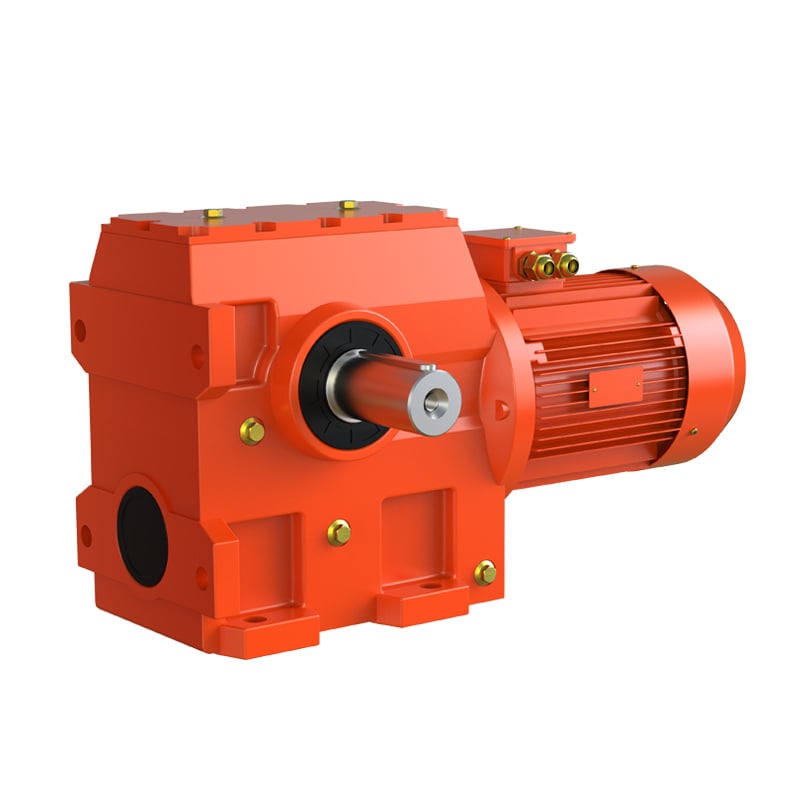
Right-angle output, high torque density. Designed for heavy-duty chain conveyors, frequent start-stops, and high shock loads. SF up to 2.0 supported.
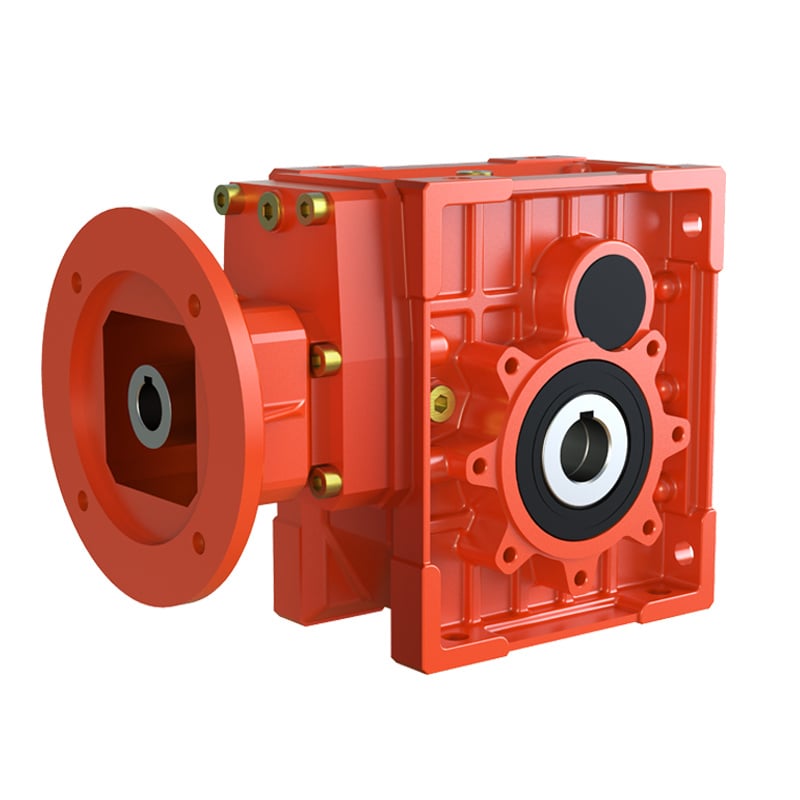
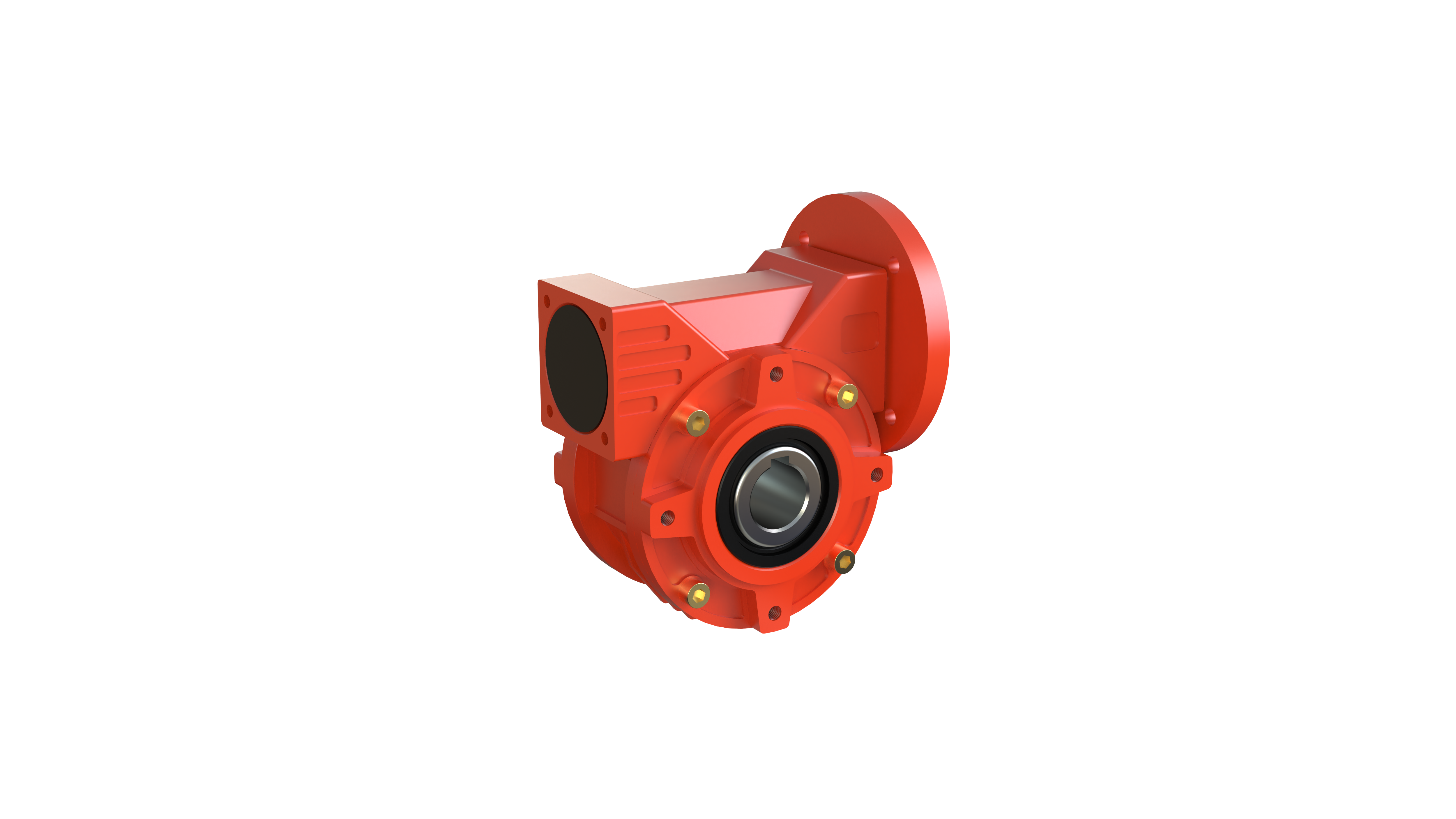
Right-angle, self-locking at ratio ≥ 20. Best for inclined conveyors where load holdback is required. Compact housing with IEC flange input.
IP65–IP69K rated. Full stainless steel housing. For food processing, beverage, pharmaceutical conveyors requiring washdown and corrosion resistance.
Before placing an order, confirm these five points:
Most early failures are caused by selection errors — not product quality. The four most common causes are using motor power as the only sizing criterion, wrong mounting type, ignoring site conditions, and mismatching gearbox size to the actual duty cycle.
Service factor (SF) multiplies the calculated load to account for real operating conditions — shock loads, start-stop frequency, and incline. For conveyor applications, SF is typically 1.25–2.0. Selecting a gearbox without applying SF leads to overload and premature wear.
WF/WR helical for horizontal belt conveyors; WK helical-bevel for heavy chain conveyors with shock loads; WMRV worm for inclined conveyors requiring self-locking; WMSS stainless steel for food and washdown environments.
IP54 minimum for dusty environments; IP65 or higher for wet or outdoor applications; IP65–IP69K for food-grade washdown. Wuma Drive gearboxes are available from IP54 to IP69K.
Share your conveyor specs — load, speed, environment, mounting — and Wuma Drive engineers will recommend the right series and frame size.
Get a Selection Recommendation Browse Gearbox Series Hot News
2026-08-26
2026-08-18
2026-08-15
2026-08-11
2026-07-31
2026-07-29
Welcome to Wuma , a manufacturer committed to developing and manufacturing various types of gear reducers and gearmotors for the field of gear transmission.
No. 10, Xiangcun Industrial Zone, Dongyuan Town, Qingtian County, Lishui City, Zhejiang, China
Copyright © Zhejiang Wuma Drive Co., Ltd All Rights Reserved Privacy Policy Blog
 EN
EN