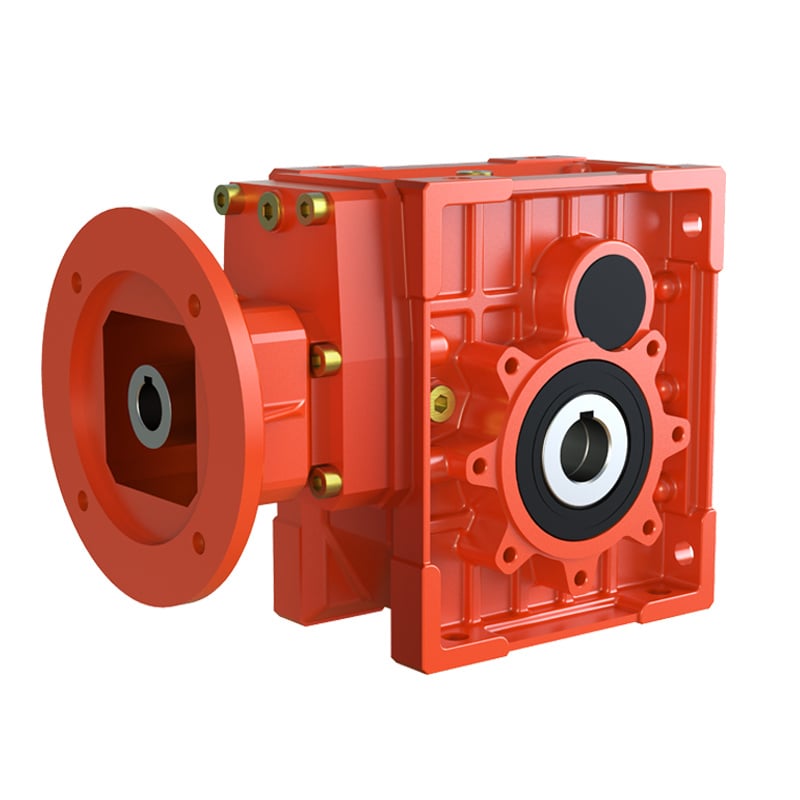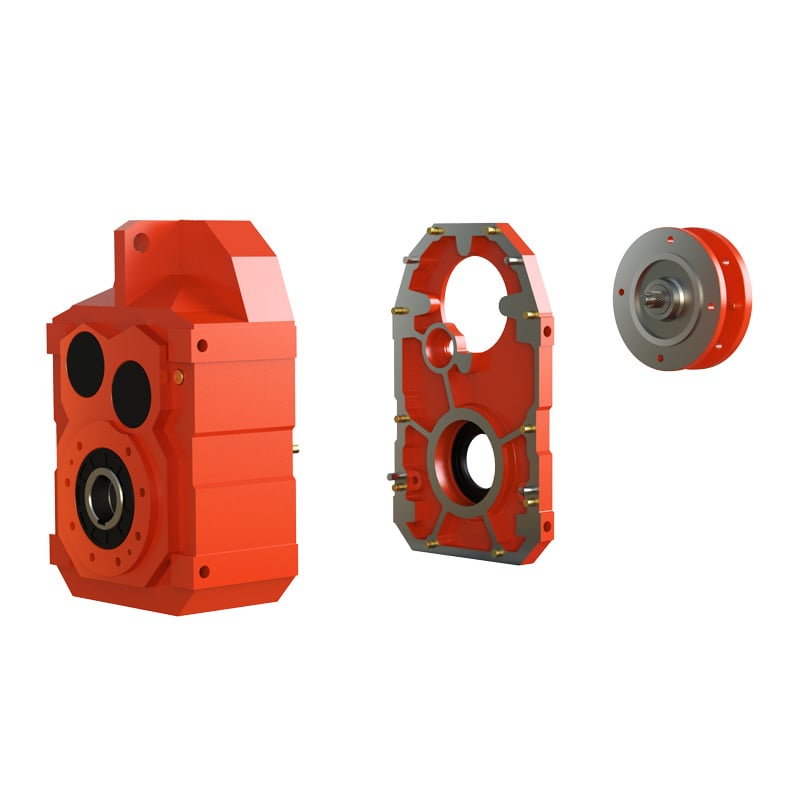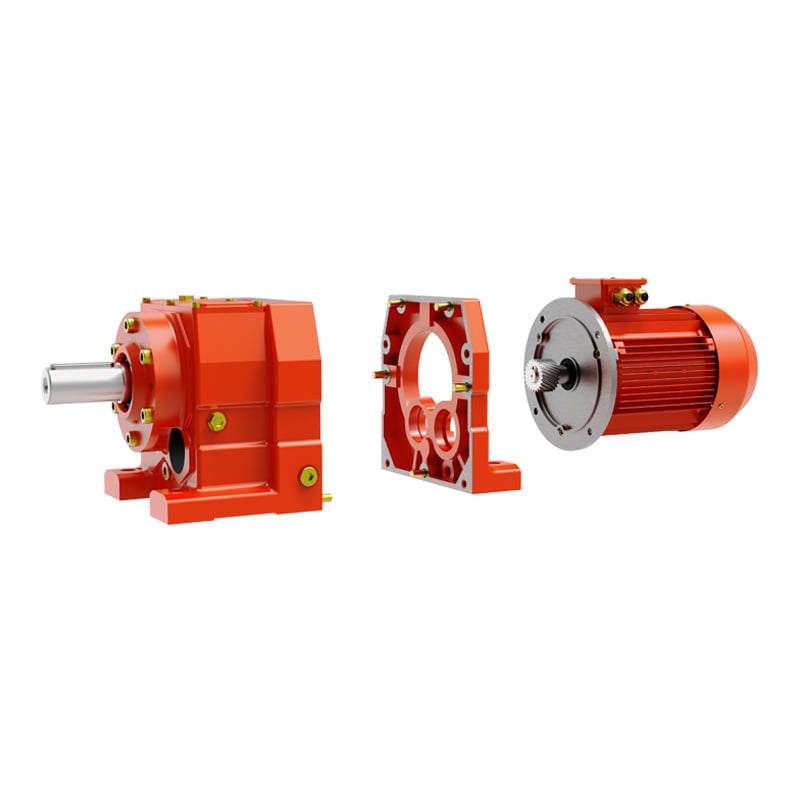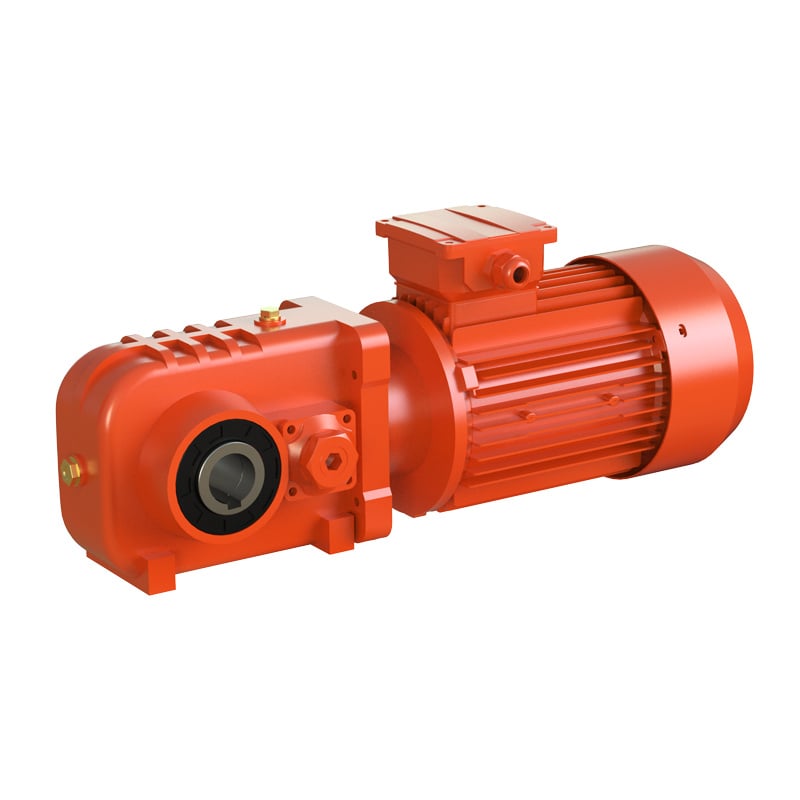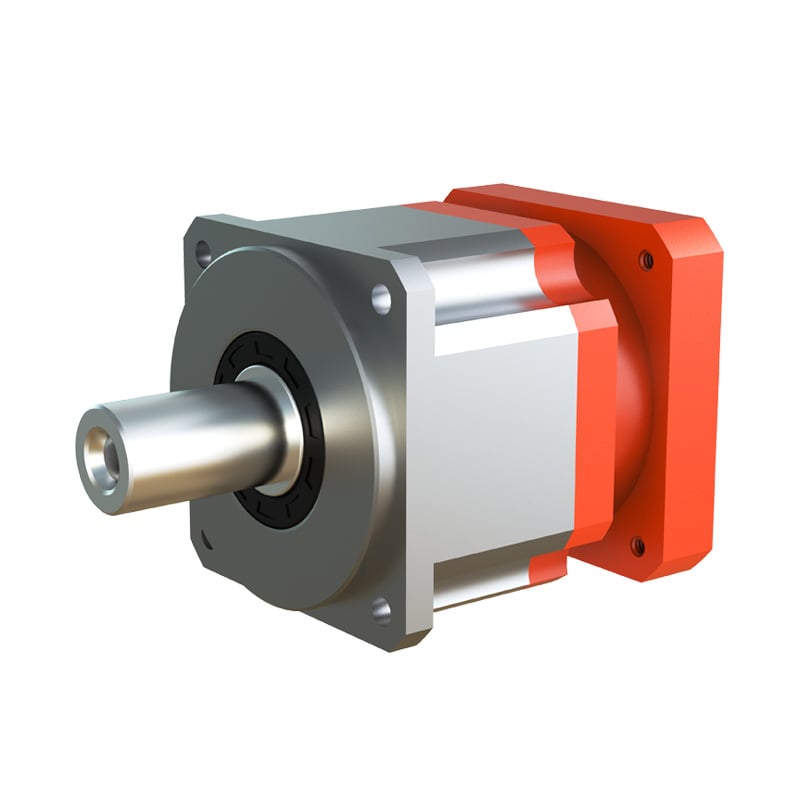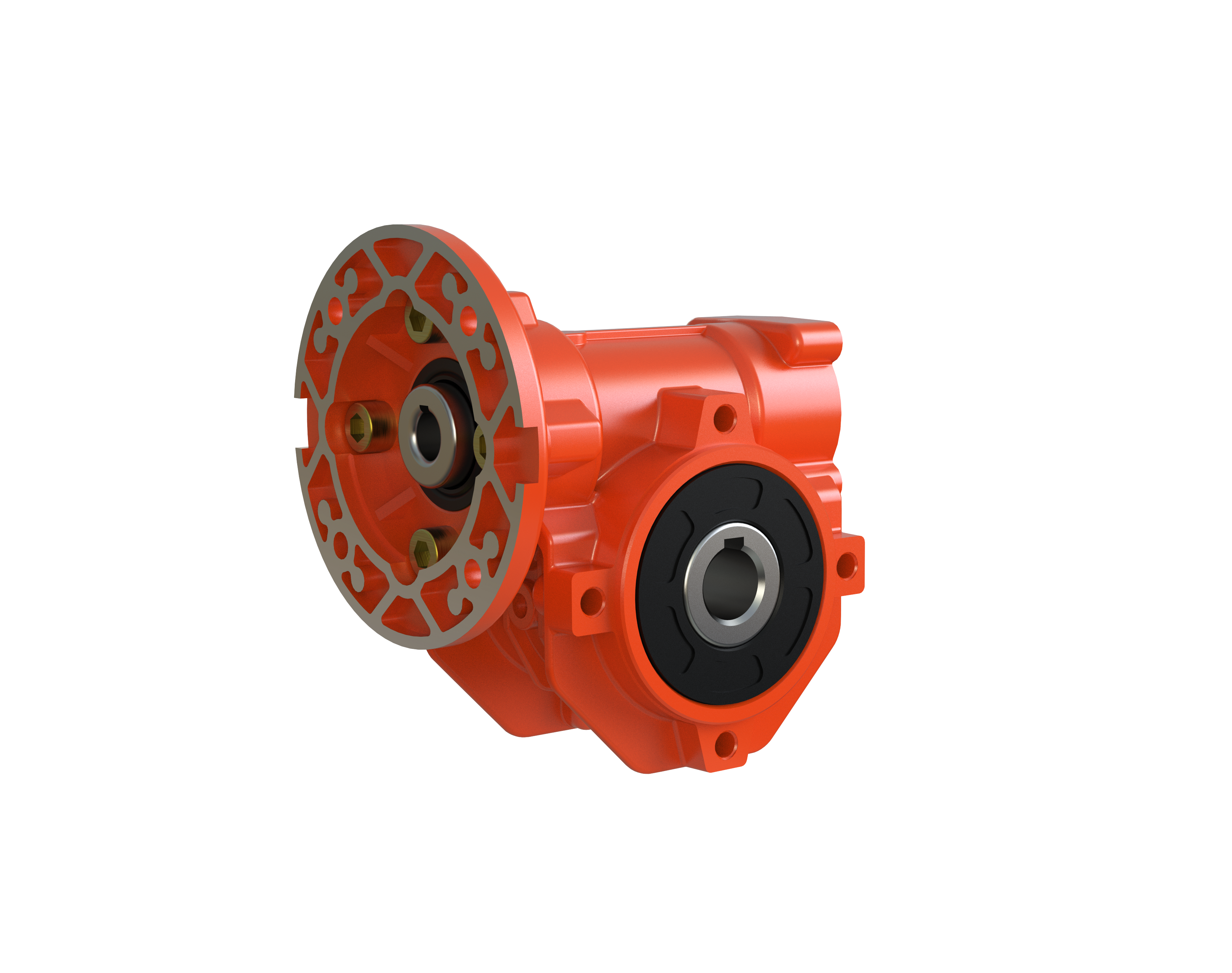

Hello everyone, this is Bella from ZHEJIANG WUMA DRIVE CO.,LTD. Next, let me share some professional knowledge about protection rating of the speed reducer with you.
In complex outdoor working conditions, the stable operation of a gear reducer directly affects the overall efficiency and lifespan of the equipment. The IP protection rating is the first line of defense for the gear reducer; choosing the wrong rating or neglecting it can quickly lead to equipment failure.
I. IP Protection Rating: The "Protective Armor" for Outdoor Gear Reducers
The IP protection rating, drafted by the International Electrotechnical Commission (IEC), is indicated by two digits following IP. The first digit represents dust resistance, and the second represents water resistance; the higher the number, the stronger the protection. Its core function is to isolate dust, rain, condensation, and other contaminants from the outdoor environment, preventing them from penetrating the gear reducer and damaging core components. It is a key indicator for ensuring stable gear reducer performance and extending its service life.
For general-purpose speed reducers used in outdoor operations, neglecting the protection rating comes at a high cost: if a model with an insufficient protection rating is selected, rainwater and dust will seep into the interior in a short time, potentially leading to gear rust, lubricant deterioration, and component seizure within three months. In the high humidity and salt spray environment of ports, the corrosion rate will be further accelerated, even causing the casing to crack and the output shaft to break.
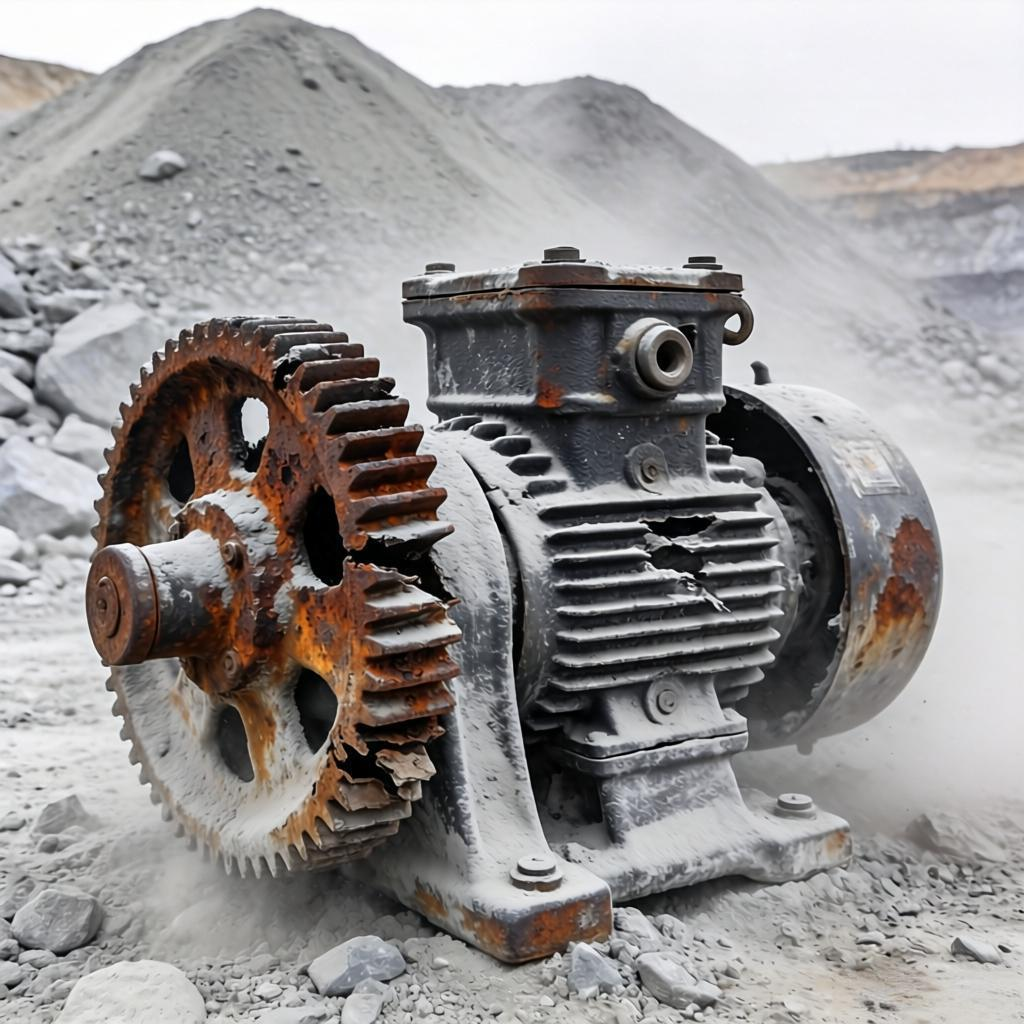
II. IP Rating Selection for Different Outdoor Scenarios Outdoor operating environments are complex and diverse, ranging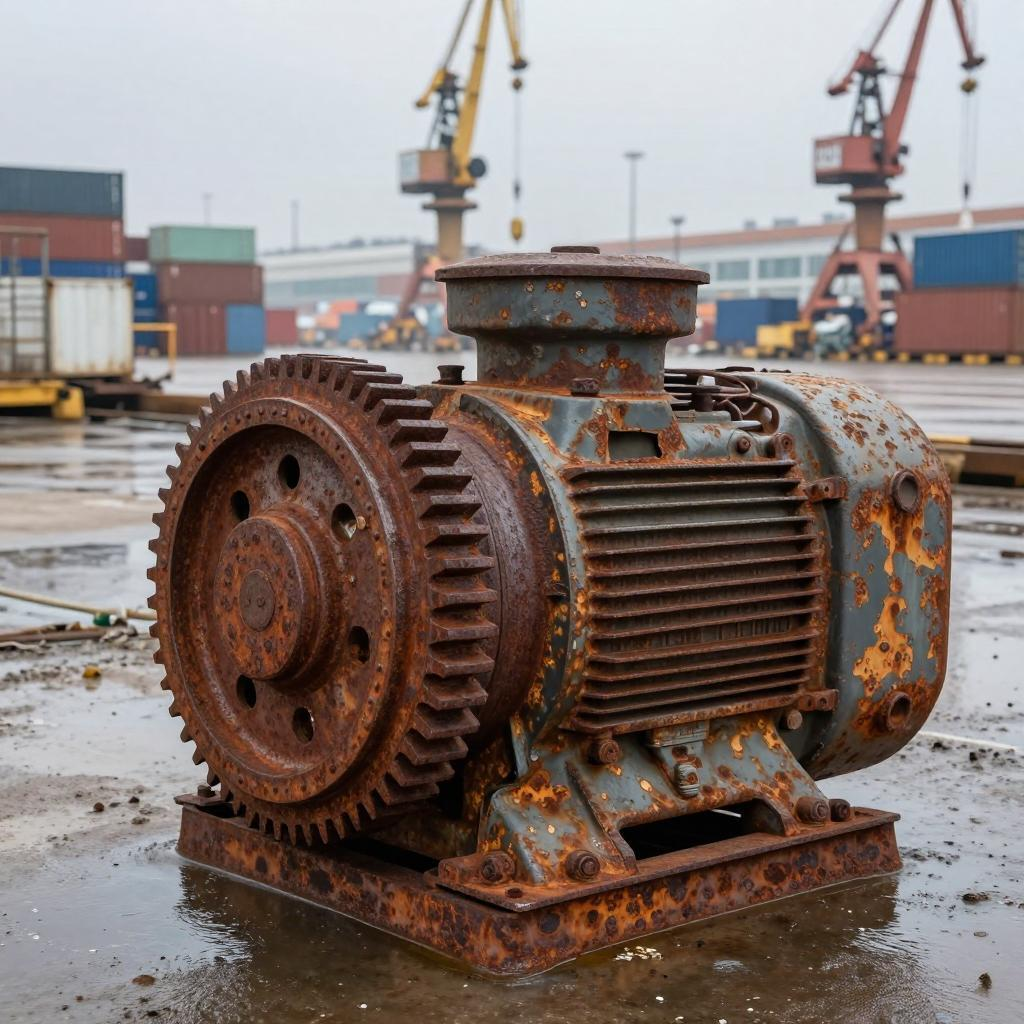 from dusty mines to high-humidity ports, from logistics yards exposed to daily rain to construction sites with drastic temperature differences. Different scenarios have different requirements for IP protection ratings:
Dusty Scenarios (Mines, Gravel Yards): Prioritize IP65 and above. This completely blocks dust intrusion, preventing dust from mixing with the lubricant to form "abrasive oil," preventing "three-body wear" of gears and bearings, and maintaining a stable transmission efficiency of 96%~98%. It can also be paired with a "dust cover + labyrinth seal" combination to form a dust isolation barrier in the coupling gap, further enhancing protection.
For damp and rainy scenarios (outdoor logistics, construction sites): At least IP67 rating should be selected. This ensures no impact from short-term immersion and effectively resists rainwater erosion, ground splashes, and condensation. The reducer should be installed at least 30cm above the ground, away from areas with standing water, and a rain cap should be added to the top. The vent cap should be replaced with a waterproof vent valve to balance air pressure and prevent rainwater infiltration.
For high salt spray scenarios (ports, coastal construction sites): IP67 or higher rating is recommended. The casing should undergo double rust prevention treatment with "cathode electrophoresis + fluorocarbon spraying," with a paint thickness ≥80μm. Special attention should be paid to protecting easily corroded areas such as flange surfaces and bolt holes. Connecting bolts should have an anti-loosening structure, be coated with anti-corrosion lubricant or fitted with plastic protective caps, and the tightening torque should be checked every 3 months.
III. Beyond IP Rating, These Protective Details Are Essential:
 Sealing and Drainage Design: Choose models employing a combination of skeleton oil seals and labyrinth seals. Static seals are protected with O-rings and sealant for double protection, ensuring reliable sealing. A drain hole with a removable drain plug is installed at the lowest point of the reducer to regularly drain internal condensate, preventing moisture buildup and lubricant emulsification.
Lubrication Compatibility: Select a wide-temperature range lubricant based on the outdoor temperature range. In extremely cold regions, use gear oil with a viscosity grade of -30℃ to 100℃. In hot seasons, clean debris from the heat sink promptly and install a sunshade to reduce direct sunlight if necessary. In humid environments, prioritize anti-emulsifying lubricants to prevent lubrication performance failure upon contact with water.
Regular Maintenance: Clean the air intake filter element weekly to prevent blockage and abnormal internal pressure; check the condition of seals monthly and replace aged or damaged gaskets; check for gear and bearing corrosion quarterly and replace emulsified or deteriorated lubricating oil promptly. As a company specializing in the research and development and manufacturing of transmission equipment, Zhejiang WUMA Drive reminds you: When choosing a speed reducer for outdoor operations, the IP protection level is one of the core considerations. Only by selecting the right level based on the scenario and doing a good job in supporting protection and maintenance can the speed reducer operate stably for a long time in complex environments and continuously empower your production operations.
 Hot News
2026-06-29
2026-06-24
2026-06-24
2026-06-23
2026-06-18
2026-05-22
Welcome to Wuma , a manufacturer committed to developing and manufacturing various types of gear reducers and gearmotors for the field of gear transmission.
No. 10, Xiangcun Industrial Zone, Dongyuan Town, Qingtian County, Lishui City, Zhejiang, China
Copyright © Zhejiang Wuma Drive Co., Ltd All Rights Reserved Privacy Policy Blog
 EN
EN