
1.What is Helical Gear
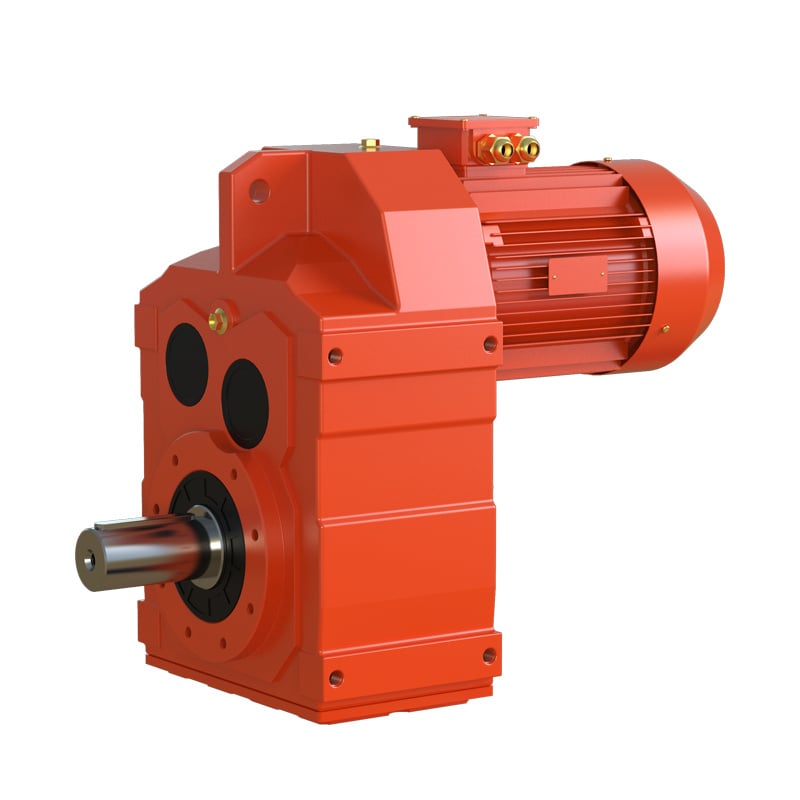
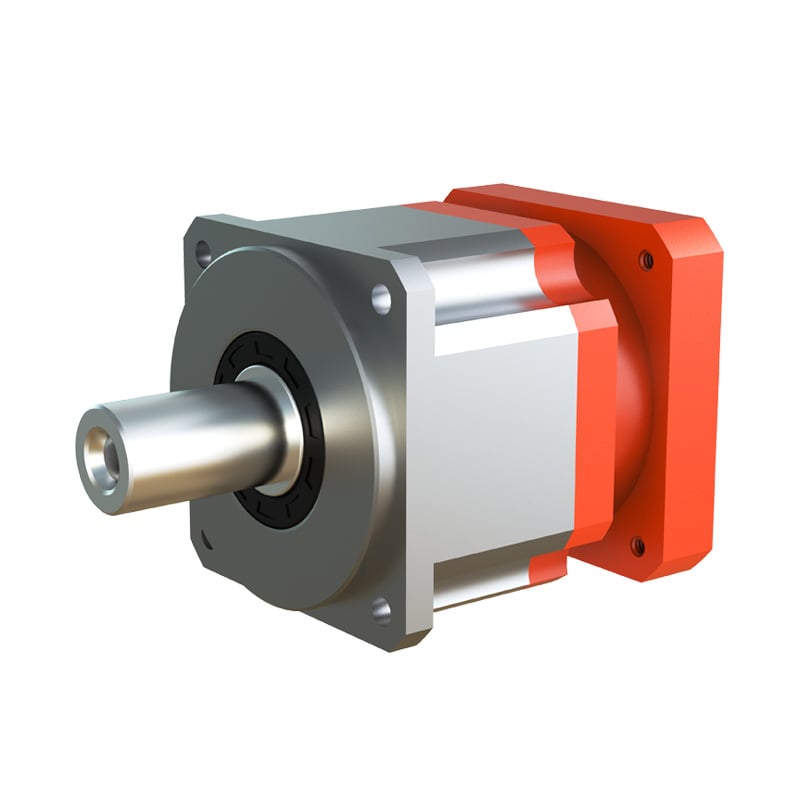
Helical gears are cylindrical gears whose teeth form a certain Angle with the axis of rotation of the gear. This type of tooth profile design makes the meshing degree between the teeth of the gears better, thus making the operation of the reducer more stable.
2.What is Hypoid Gear
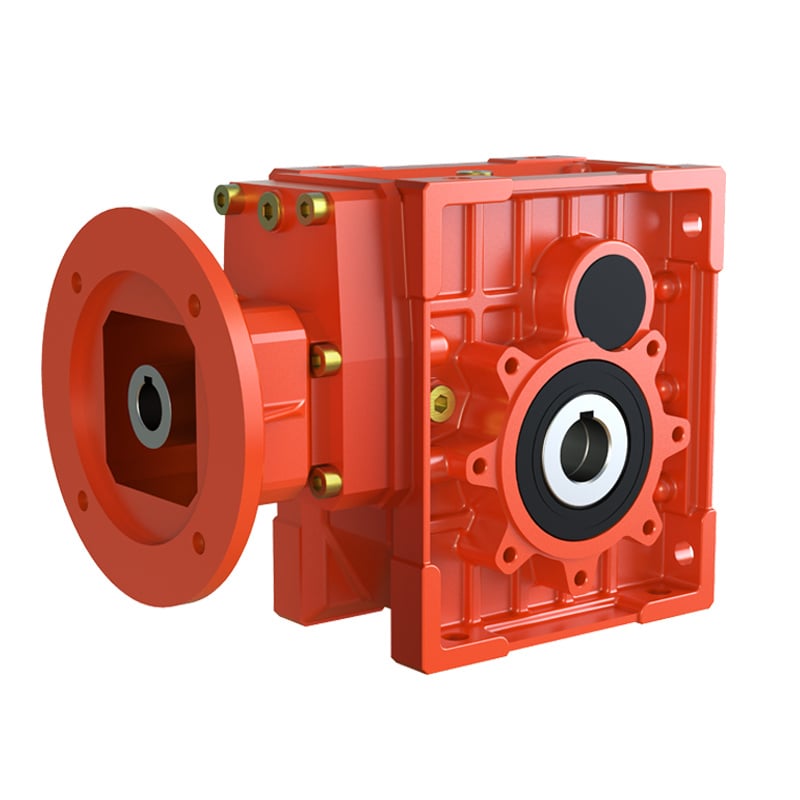
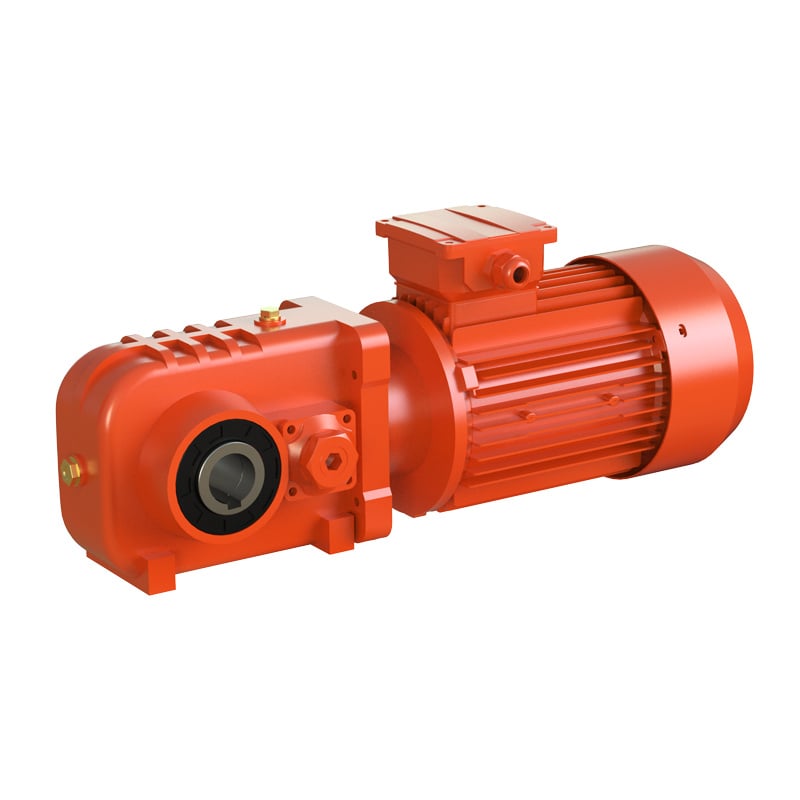
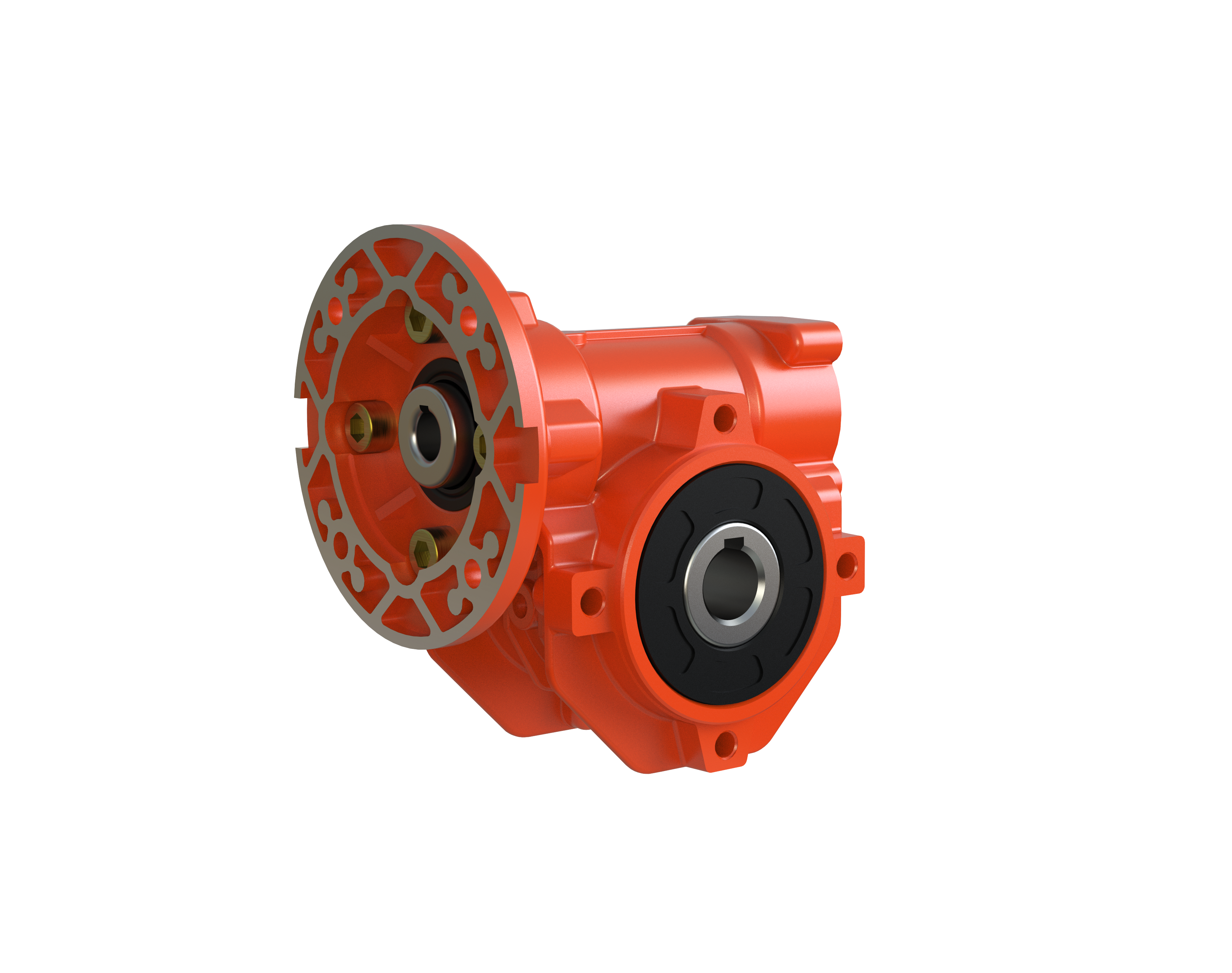
A hypoid gear is a type of spiral bevel gear used to transmit power between non-intersecting and non-parallel shafts. Compared with helical gears, hypoid gears have a more complex gear design. The pinion is offset from the center-line of the large gear. This offset allows the diameter of the pinion to be smaller, thus making the gear set more robust
3.Differences between Helical Gear & Hypoid Gear
•Shaft Direction
Helical gears are used to transfer power between parallel or crossed shafts, while hypoid gears act to transfer power between non-intersecting and non-parallel shafts.
•Tooth Design
The tooth surface of helical gears forms a certain Angle with the rotation axis of the gear, which makes the meshing degree between the teeth better. The tooth profile of hypoid gears is more complex, with an arc shape, and the tooth pitch and tooth depth change along the tooth surface.
•Load and Torque
Due to its larger contact area and better meshing degree between teeth, helical gears can transmit higher loads compared to spur gears, and their helical tooth profile can also distribute the load more evenly. Hypoid gears can transmit higher loads, and their complex tooth profiles also enable them to effectively distribute loads.
•Efficiency
The sliding friction between the teeth of helical gears is relatively small, and their high meshing degree also makes them more effective in transmitting power. In contrast, the sliding friction of hypoid gears is relatively large due to the offset between their gear sets, and their efficiency is lower than that of helical gears.
•Noise & Vibration
Due to the offset between the gear sets, the sliding friction force of hypoid gears is relatively large, and thus their noise and vibration are higher than those of helical gears. Helical gears, on the other hand, have a higher degree of meshing, which results in relatively lower noise and vibration.
•Axial Thrust
Due to the tooth profile of helical gears, in addition to radial loads, axial thrust is also generated. This axial thrust must be borne by the bearings or other supporting structures in the gear system.
4.Factors When Choosing Gear Type
When choosing helical gears and hypoid gears for specific applications, multiple factors must be considered to ensure optimal performance, reliability and cost-effectiveness.
•Torque and Load Requirements
Helical gears are suitable for applications with medium to high torque and load requirements. Due to its larger contact ratio and smoother tooth meshing, helical gears can transmit higher loads compared to spur gears of the same size. Hypoid gears are highly suitable for high-torque and high-load applications. Its offset pinion design allows for the use of larger pinion diameters, thereby enhancing the strength and durability of the gear set.
•Shaft Direction and Space Limitation
Helical gears are used in parallel or crossed shaft arrangements, while hypoid gears are suitable for non-intersecting and non-parallel shaft system arrangements. They are very suitable for the rear axle of automobiles
•Noise & Vibration
Because the meshing of helical gears is relatively smooth and the contact ratio is higher, helical gears usually generate less noise and vibration compared with spur gears. It is more suitable for automotive transmissions and industrial machinery. Although the meshing of hypoid gears is relatively low, they generate less noise and vibration compared to spur gears.
•Target Efficiency
Because helical gears have higher efficiency, they are more suitable for power transmission systems and industrial machinery. Although the efficiency of hypoid gears is slightly lower than that of helical gears, hypoid gears have better load-carrying capacity.
 Hot News
2026-08-26
2026-08-18
2026-08-15
2026-08-11
2026-07-31
2026-07-29
Welcome to Wuma , a manufacturer committed to developing and manufacturing various types of gear reducers and gearmotors for the field of gear transmission.
No. 10, Xiangcun Industrial Zone, Dongyuan Town, Qingtian County, Lishui City, Zhejiang, China
Copyright © Zhejiang Wuma Drive Co., Ltd All Rights Reserved Privacy Policy Blog
 EN
EN