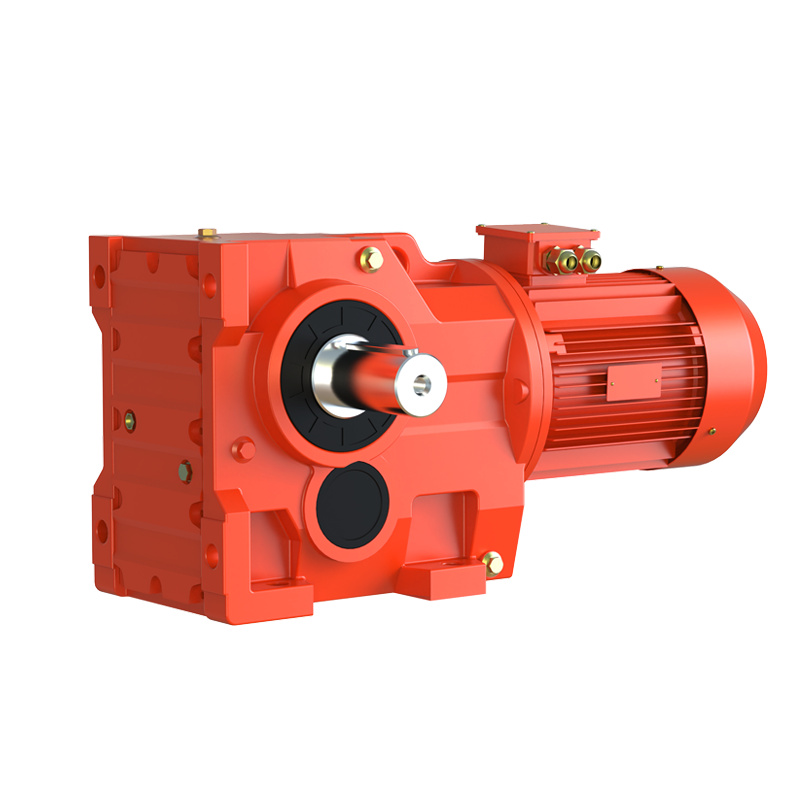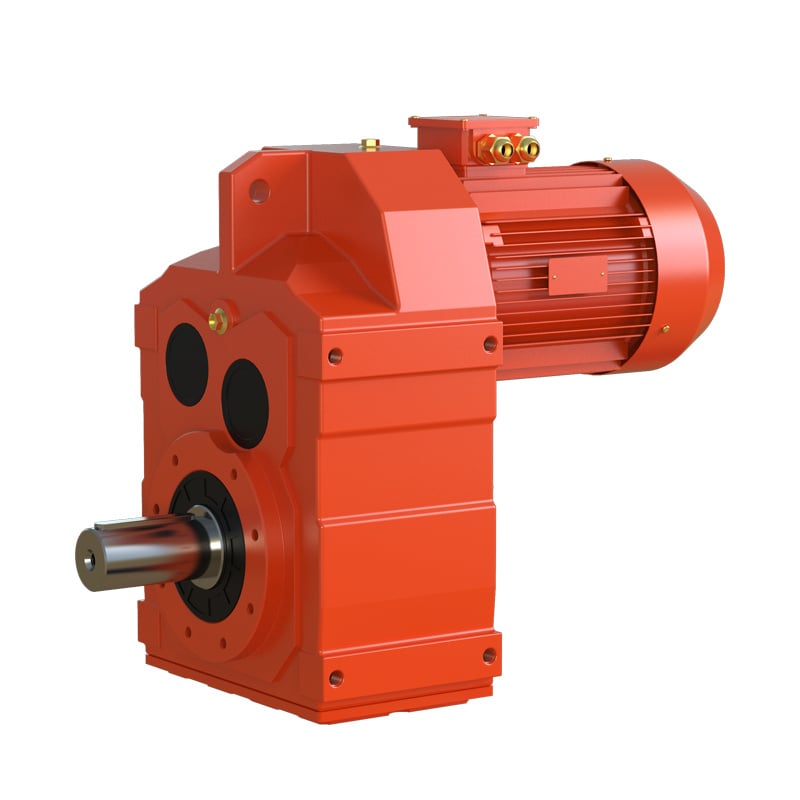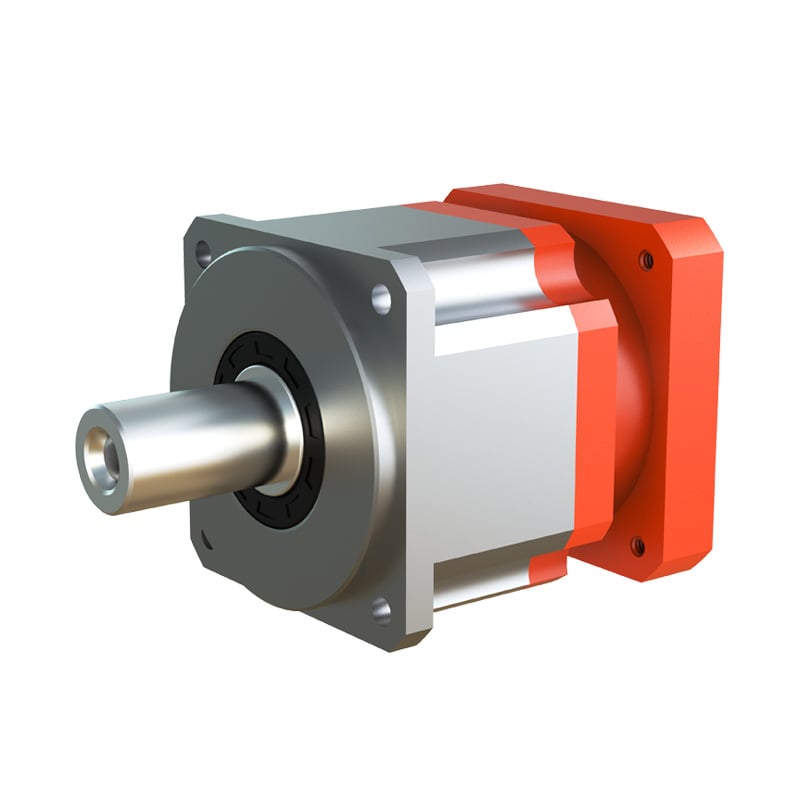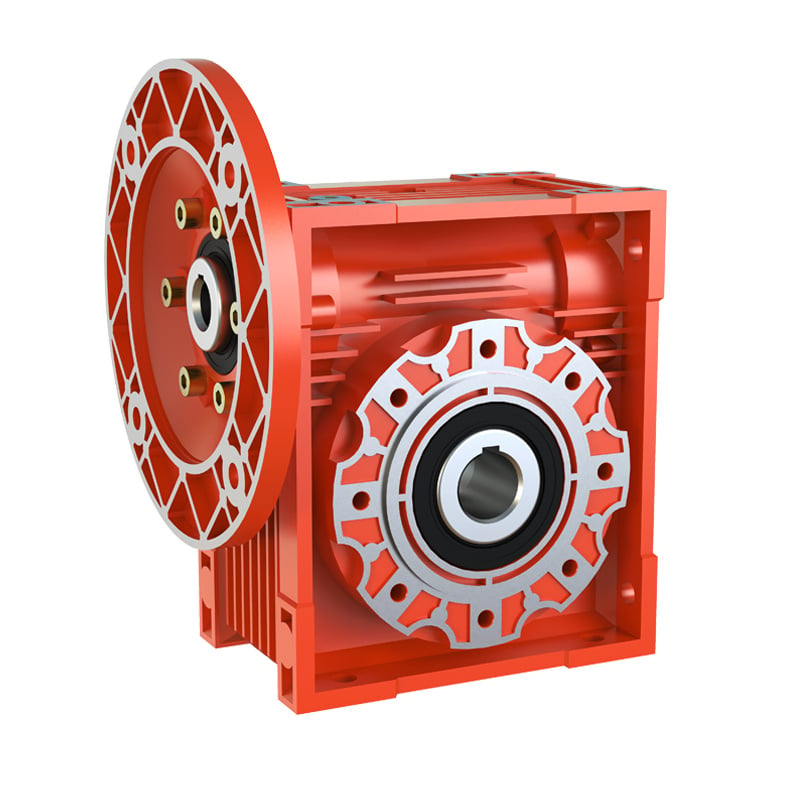

 Many people run into this situation: The reducer bearing temperature is high, and it feels hot to the touch. But after checking, the bearing is not damaged. It runs without any sticking or strange noises. In this case, you do not need to replace the bearing. But you do need to deal with the heating problem quickly. If you don't, the high heat will speed up wear over time and shorten the bearing's life. This article explains how to handle a hot reducer bearing that is not broken. It uses simple terms so workers can easily understand and follow the steps.
1.First, Know This: Common Reasons a Reducer Bearing Gets Hot But Isn't Broken
First, you need to understand that a hot bearing does not always mean a broken bearing. In most cases, it is caused by small mistakes in daily maintenance or installation. There is no need to worry too much.
The most common reason is not enough lubricant or the wrong type of lubricant. This does not mean there is no oil at all. It means the oil level is too low, or the oil type does not match the bearing. When this happens, friction goes up during operation, and the bearing gets hot.
Another common reason is the bearing clearance is set too tight. If the gap is too small, resistance goes up. This creates friction and heat. But the bearing itself is not damaged. It is just an adjustment problem from when it was installed.
Sometimes, dust or dirt builds up around the bearing. This blocks heat from escaping. This is more of a problem in hot environments. The bearing cannot cool down, so it gets hotter.
If the reducer is not mounted level, the bearing takes uneven loads. After running for a while, the bearing gets hot. But again, the bearing is not damaged. It is just under too much stress on one side.
For all these problems, once you find the real cause, you can fix it with simple steps. You do not need to spend a lot of money on repairs.
2. Simple Steps to Fix a Hot Reducer Bearing (Easy to Do)
Important:Always stop the machine and turn off the power before you do any work. Never touch or work on the bearing while it is running. This is for your safety.
Step 1: Check and Adjust the Lubricant
First, check the oil level for the bearing. Open the fill port. If the oil is below the marked line, add more oil. Do not overfill it. Too much oil can also make the bearing hot. The right level is between the 1/2 and 2/3 mark on the oil window.
If the oil level is correct but the bearing is still hot, you may need to change the oil. Use the right type of oil for your bearing. Do not just use any oil you have. The wrong oil can make wear worse.
After you add oil or change it, run the machine again and check the temperature. In most cases, the heat problem will be much better.
Step 2: Adjust the Bearing Clearance
If the bearing is not damaged but feels tight when it runs and runs hot, the clearance might be too small. You do not need to take the bearing apart to fix this. A trained worker can make a small adjustment to loosen the gap just a little. The goal is to have it run freely but not wobble.
After the adjustment, test the machine again. This often fixes the heating issue. Only skilled workers should do this job. If you are not sure, ask for help. Doing it wrong can damage the bearing.
Step 3: Clean Around the Bearing to Help It Cool
Sometimes a bearing gets hot just because dirt and grease block the cooling fins. Heat gets trapped and cannot escape. To fix this, stop the machine. Use a tool to clean off all the dust, dirt, and oil from around the bearing. Make sure the cooling fins are clear. In hot weather, you can also help it cool by improving air flow. You do not need fancy equipment. Just cleaning well can often lower the temperature.
Step 4: Level the Reducer So the Bearing Load Is Even
If the reducer is not sitting level, the bearing takes uneven stress. This makes it hot even if it is not damaged. To check this, use a level tool on the reducer body. If it is tilted, adjust the base bolts to make it level. This evens out the load on the bearing. After you do this, run the machine again. The bearing temperature should slowly go back to normal.
3. Things to Watch Out For: Don't Make These Mistakes
·When you find a hot bearing, do not just assume it is broken and replace it. Check everything first. Make sure it is really damaged. If it is not, use the steps above to fix the problem. This saves you time and money.
·When you add oil, be careful not to put in too much or too little. Always use the oil type recommended for your bearing. The wrong oil will not fix the heat. It will actually wear out the bearing faster and could break it later.
·If you adjust the bearing gap, do it slowly and carefully. Do not make the gap too big or too small. Too big and the shaft will wobble. That can cause other problems. If you are not a professional, get help. Guessing can make things worse.
·Check the bearing temperature often as part of your daily routine. Keep the area clean. Check the oil regularly. This stops small heat problems from getting bigger. Even if the bearing is not broken now, running it hot every day will make it fail sooner.
Summary
If your reducer bearing gets hot but is not broken, the cause is usually one of these four things: oil problems, wrong gap, dirt blocking cooling, or an unlevel mount. Do not panic. Follow the simple steps above and the problem can be fixed. Good daily care of your bearings will stop this from happening as often. It will also make your bearings last longer and save you money on repairs.
 Hot News
2026-08-26
2026-08-18
2026-08-15
2026-08-11
2026-07-31
2026-07-29
Welcome to Wuma , a manufacturer committed to developing and manufacturing various types of gear reducers and gearmotors for the field of gear transmission.
No. 10, Xiangcun Industrial Zone, Dongyuan Town, Qingtian County, Lishui City, Zhejiang, China
Copyright © Zhejiang Wuma Drive Co., Ltd All Rights Reserved Privacy Policy Blog
 EN
EN