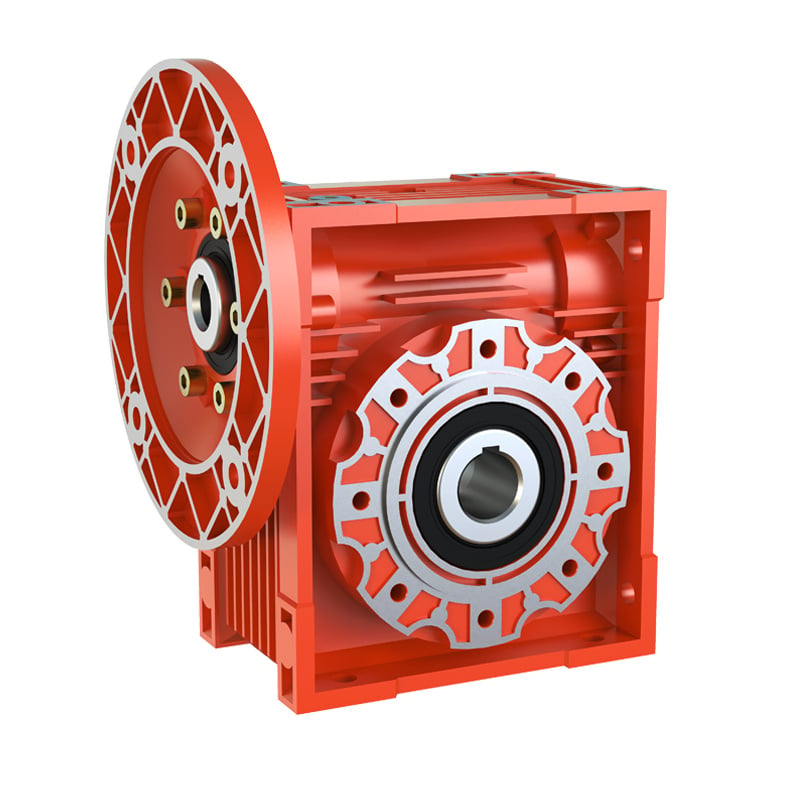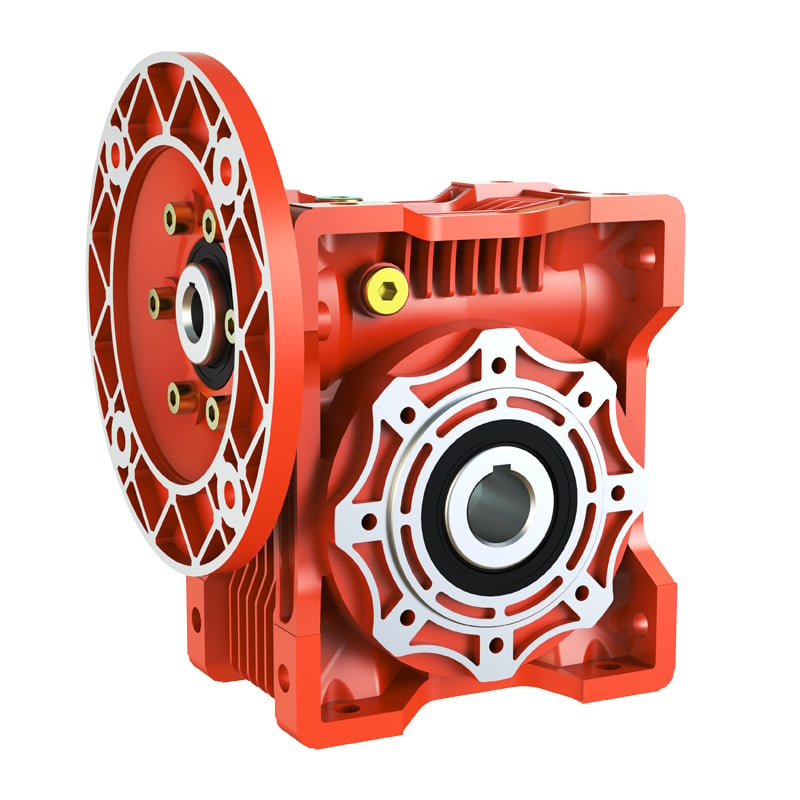

We've all been there. You check the power, torque, ratio—dimensions fit perfectly. But once running, something feels off: it runs hotter, louder, or just doesn't last as long as expected.
Often, it's not a "bad" reducer. The real issue usually hides in the selection process itself.
A common thought process: "My max load is 100Nm, so a 120Nm reducer gives me a safe 20% margin. That should cover it."
Here's the catch: that "rated torque" is typically based on smooth, continuous operation for about 8-10 hours a day. But real-world machinery rarely runs under such perfect, steady conditions.
So, what's your actual workload like?
1.Is it a constant load, or does it start and stop frequently?
2.Are there sudden jolts or impacts (like material jamming)?
3.Does it run 24/7, or just in short run?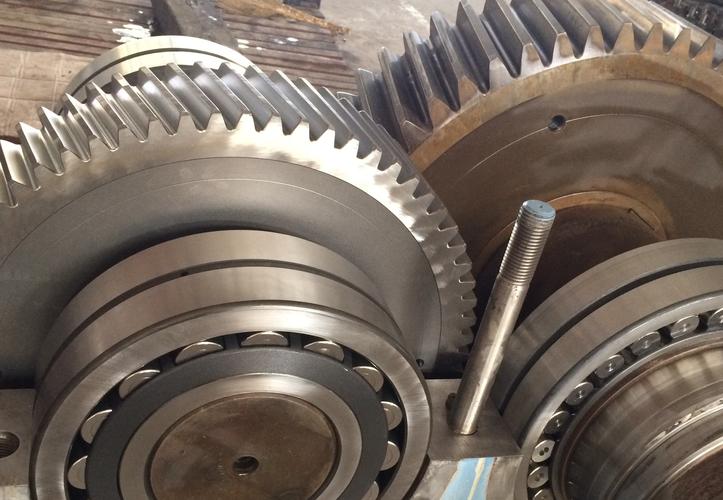
Here’s what happens in those cases: even if each peak stays under the rated torque, the reducer doesn’t get a breather. Heat piles up faster than it can escape, and over time, that non-stop stress just wears the material down—like bending a paperclip back and forth until it snaps. It’s less about a single overload, and more about the accumulated grind.
So, what can we do next? Don’t just shop for the torque number on paper. Think about how your machine really works—the starts and stops, the bumps, the long hours. That “real-world rhythm” matters. Pick a reducer with a service factor that can keep up, not just one that looks good on the spec sheet.
Not 100% sure about your operating details? No worries—just tell us what’s happening on your floor. How it runs, any shocks, hours per day… the real stuff. We’re here to help figure out the match.
At WUMA, we listen first—then fit the gearbox to your grind. Let’s talk.
 Hot News
2026-08-26
2026-08-18
2026-08-15
2026-08-11
2026-07-31
2026-07-29
Welcome to Wuma , a manufacturer committed to developing and manufacturing various types of gear reducers and gearmotors for the field of gear transmission.
No. 10, Xiangcun Industrial Zone, Dongyuan Town, Qingtian County, Lishui City, Zhejiang, China
Copyright © Zhejiang Wuma Drive Co., Ltd All Rights Reserved Privacy Policy Blog
 EN
EN