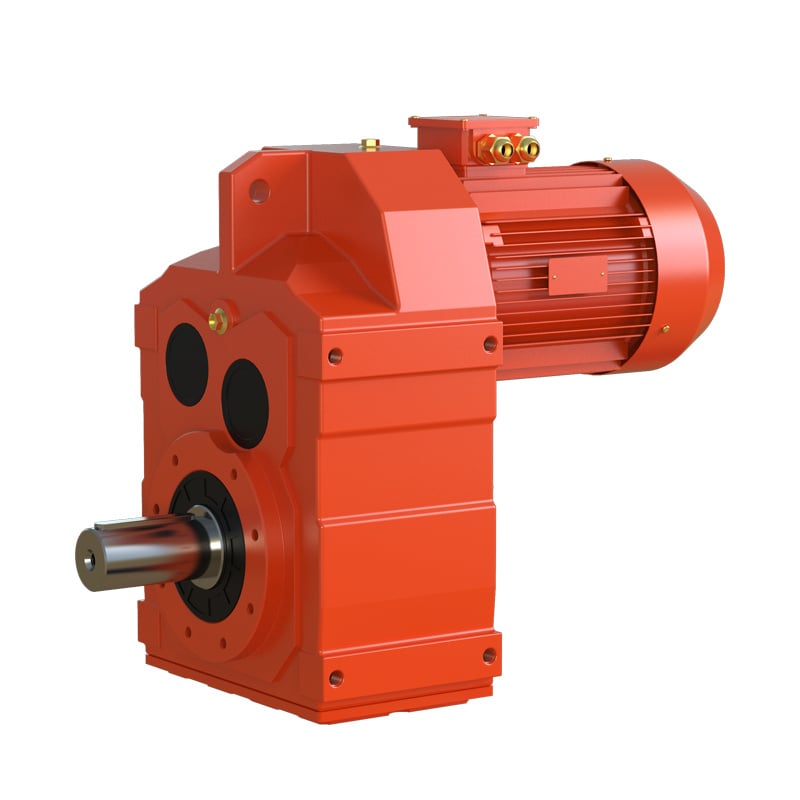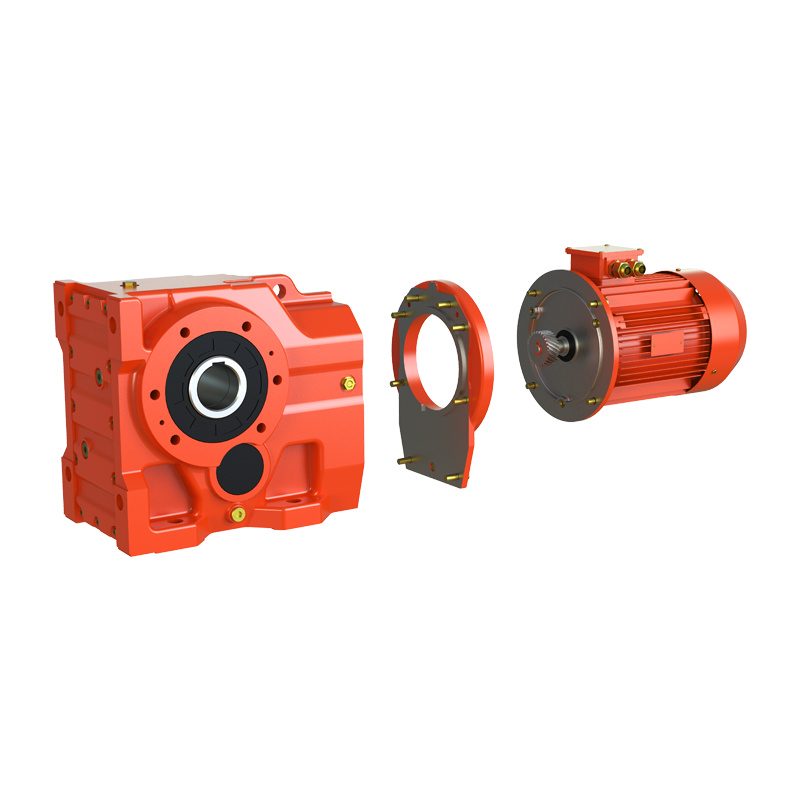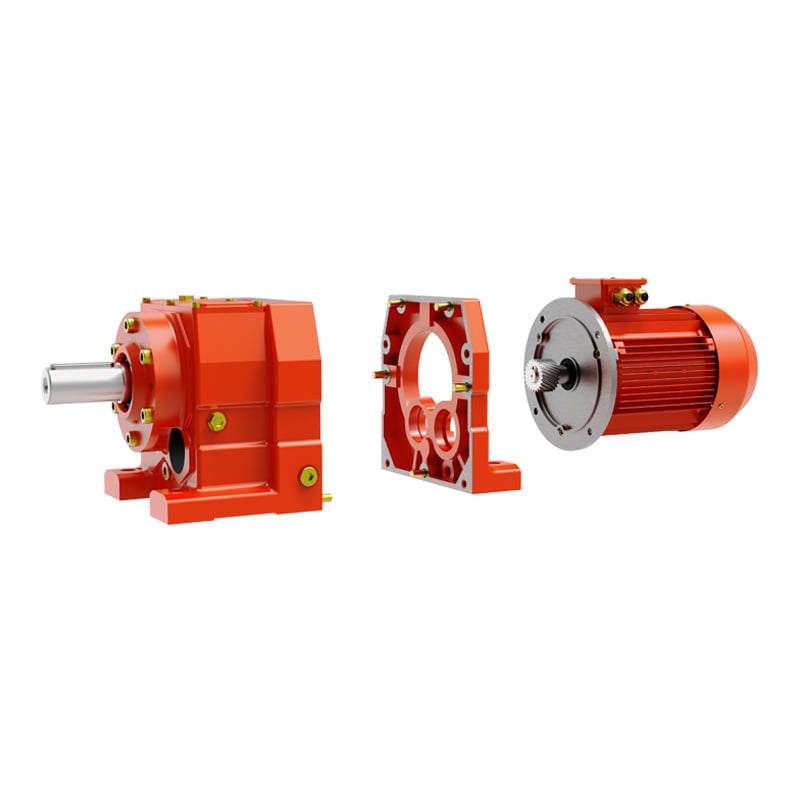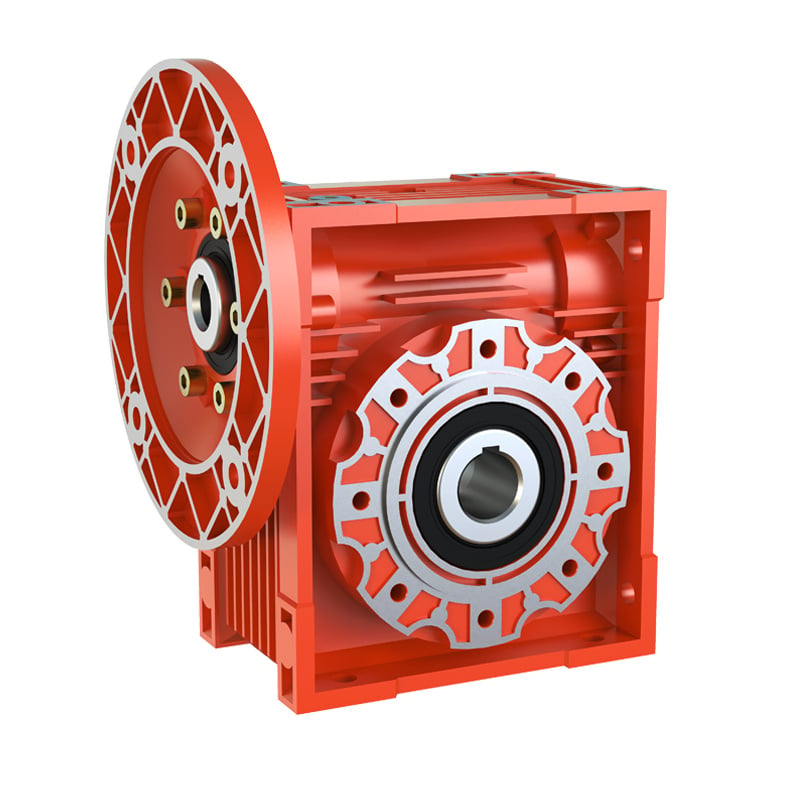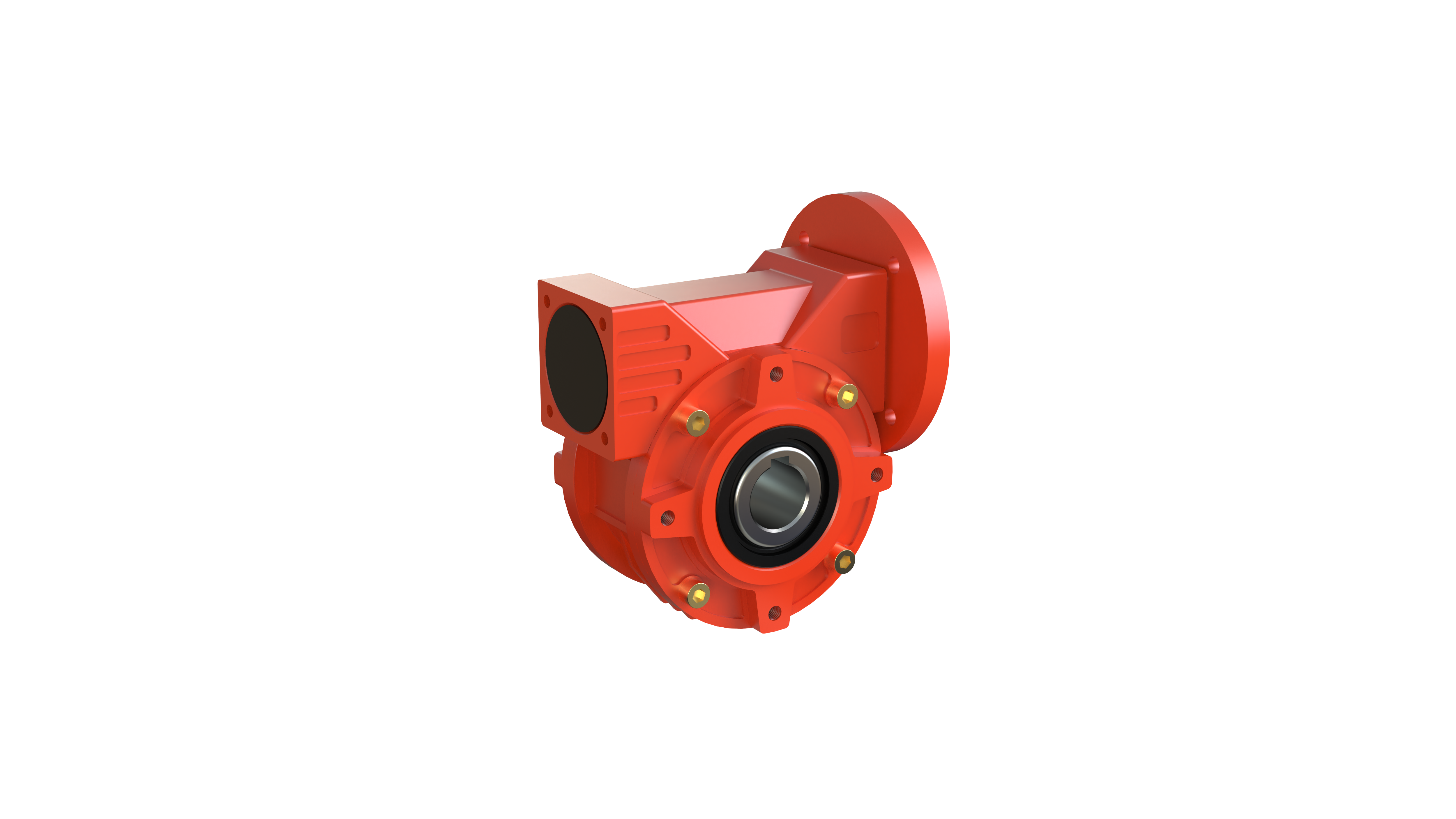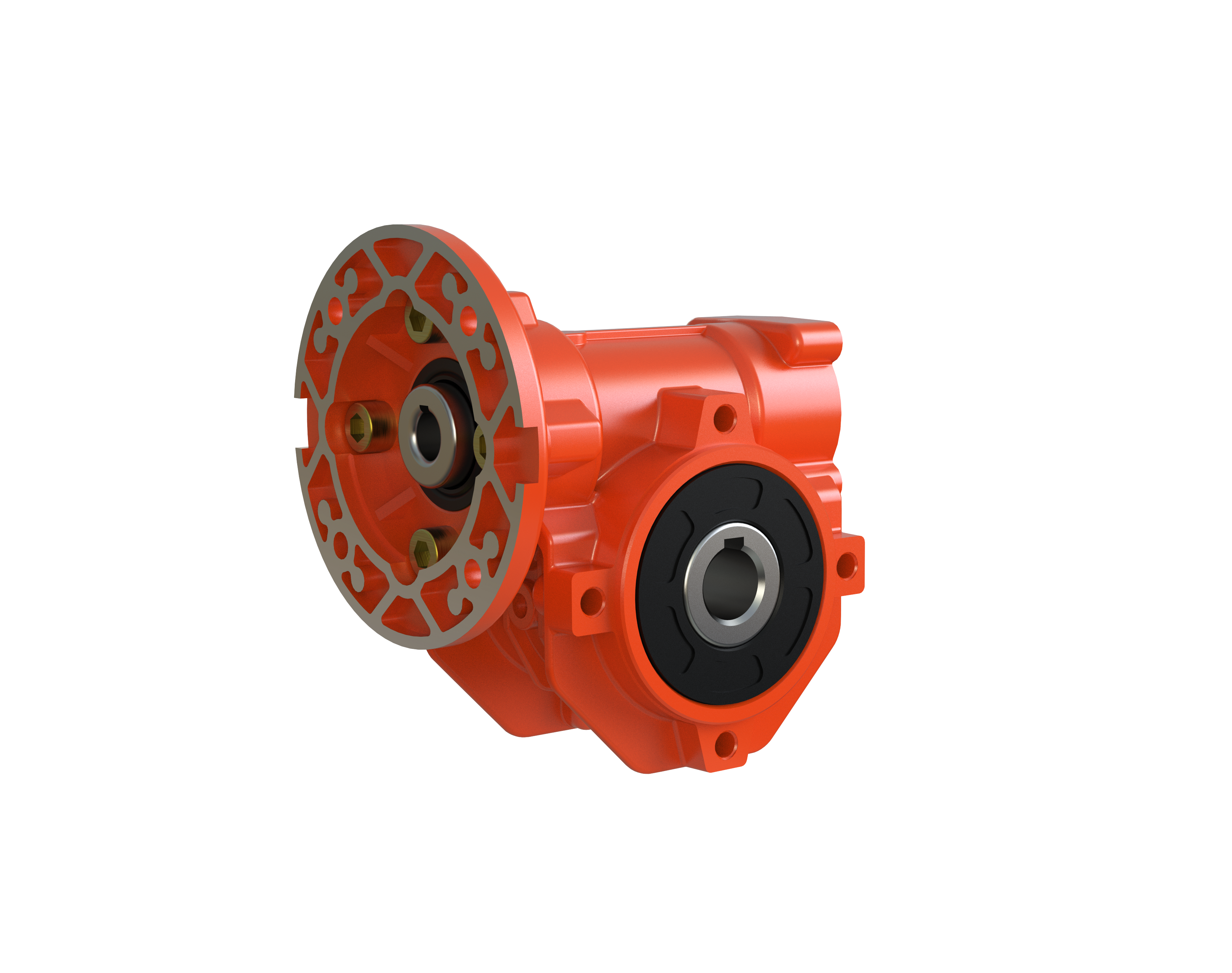

The accumulation of grease inside the reducer can lead to friction, heat generation and wear, thereby significantly shortening the service life of the reducer. This article will introduce to you in six steps how to safely and effectively remove grease from the reducer.
First of all, all the oil in the reducer needs to be drained. After the oil has been drained completely, remove the end cover of the reducer, take out the relevant components and remember the positions and directions of all parts.
After the reducer is completely disassembled, it is necessary to manually clean the contaminated grease as much as possible with a scraper and a cloth. Special attention should be paid to the corners, crevices and other places where grease is prone to accumulate. It is worth noting that when using cleaning tools, one should pay attention to the force applied to avoid damaging the finely machined surfaces of gears and bearings due to excessive force. If the grease is too hard, do not grind it vigorously. Instead, immerse the parts in a softening solvent for several hours before scraping them off.
To dissolve the excess oil, it is necessary to choose an appropriate solvent.
WD-40: An oil remover that can effectively clean grease.
Isopropyl Alcohol: A powerful solvent that can dissolve grease and evaporate quickly.
Kerosene: A commonly used solvent for cleaning reducers.
Mineral Spirits: A safe and effective degreaser.
Naphtha: A solvent that can effectively remove hardened grease.
Automatic Transmission Fluid (ATF): A reducer cleaner.
Oil Eater: A non-flammable and non-toxic cleaning agent.
Put the reducer components into a cleaning machine filled with solvent. First, scrub the components with a hard-bristled brush. For some components with complex geometric shapes, such as splines and gears, use a high-pressure cleaner for deep cleaning.
After thoroughly cleaning the components, rinse them with a clean solvent to remove debris and waste solution, and then immediately dry the parts to prevent corrosion. They can be dried with compressed air, a lint-free cloth or a low-temperature oven. After checking that the grease on each component has been thoroughly removed, apply a layer of anti-rust oil to protect each component.
When reassembling the reducer, it is necessary to apply lubricating oil to each component. Be careful not to apply too much lubricating oil, as excessive oil can cause leakage and overheating. After reassembly, the reducer needs to be run to the full stroke to ensure that the lubricating oil is evenly distributed among all components.
 Hot News
2026-08-26
2026-08-18
2026-08-15
2026-08-11
2026-07-31
2026-07-29
Welcome to Wuma , a manufacturer committed to developing and manufacturing various types of gear reducers and gearmotors for the field of gear transmission.
No. 10, Xiangcun Industrial Zone, Dongyuan Town, Qingtian County, Lishui City, Zhejiang, China
Copyright © Zhejiang Wuma Drive Co., Ltd All Rights Reserved Privacy Policy Blog
 EN
EN