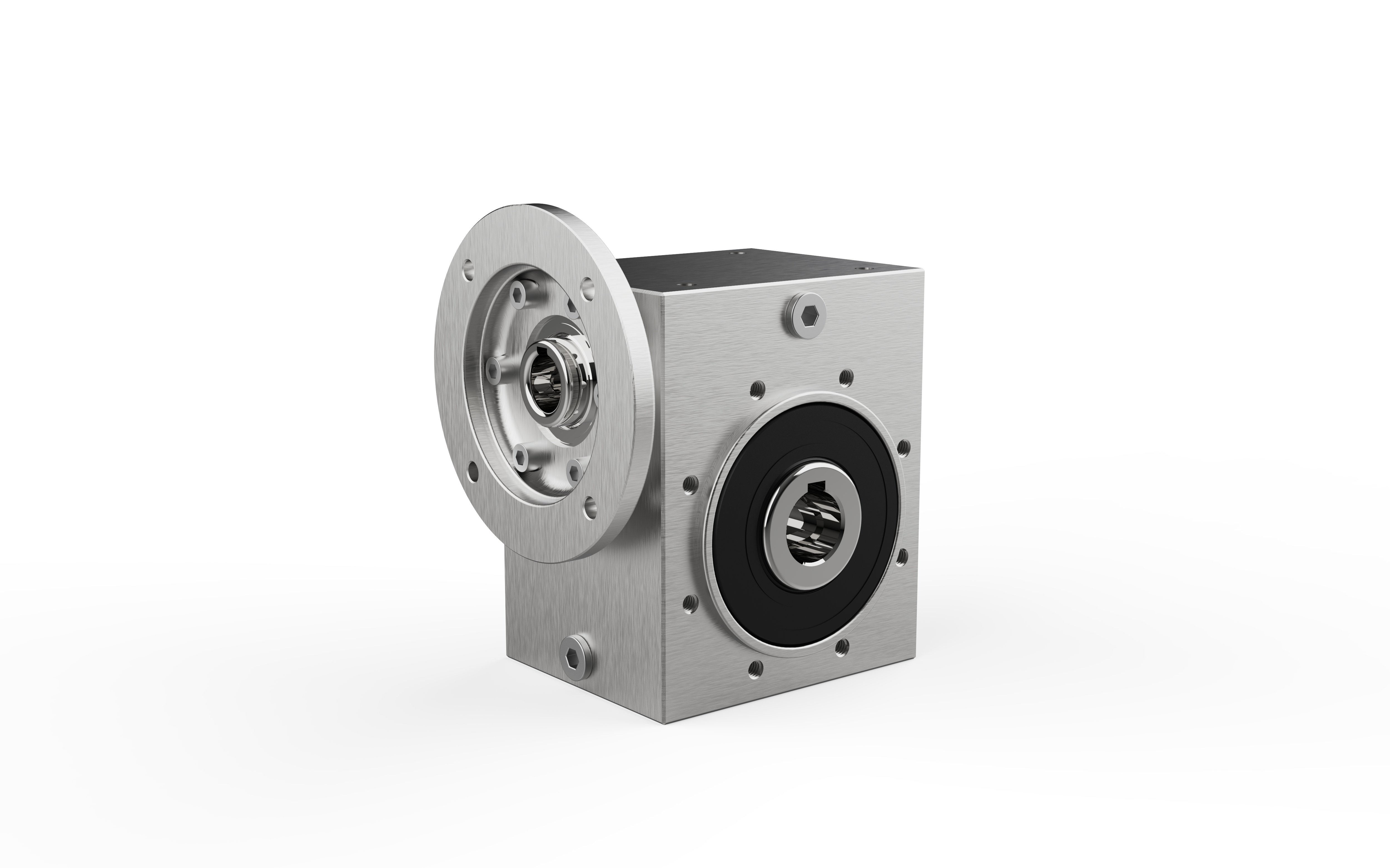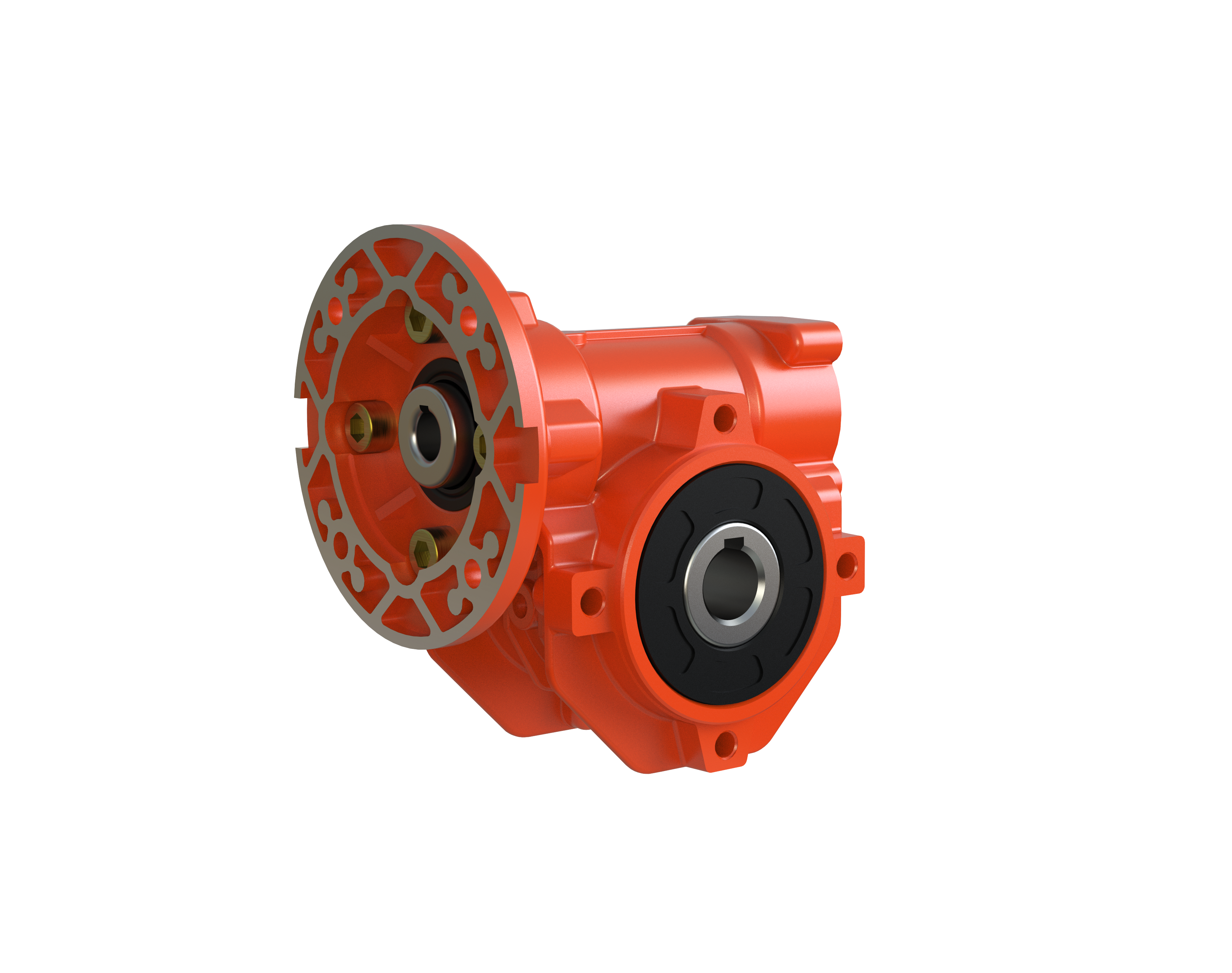

The sprocket and chain must match (such as pitch, roller diameter, number of teeth): For example, if the chain is 08B (pitch 12.7mm), the sprocket must correspond to the 08B specification. It is prohibited to "match a large-pitch chain with a small-pitch sprocket", otherwise it will lead to poor meshing and chain jumping.
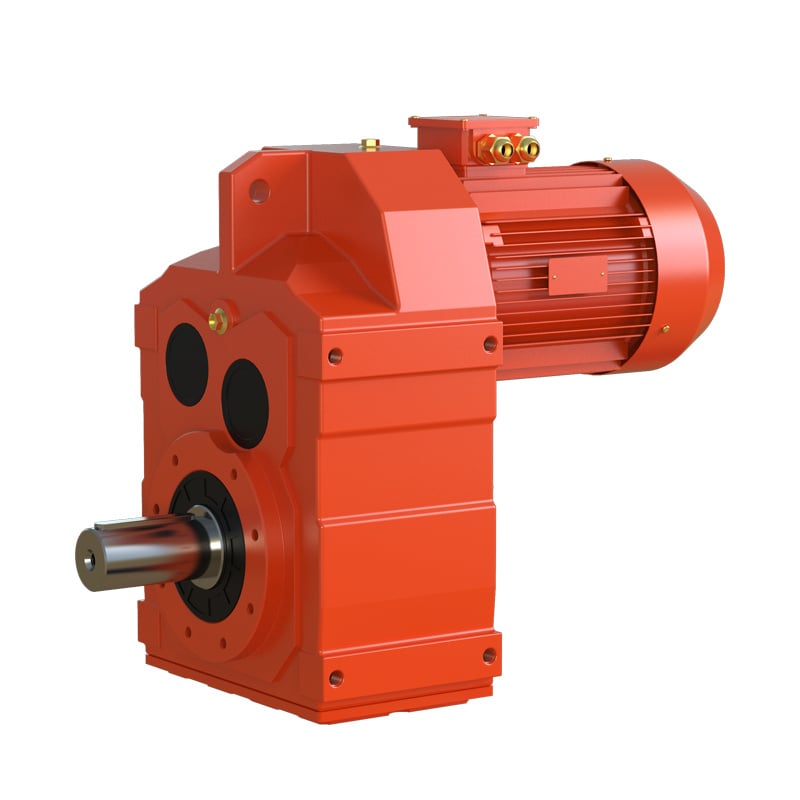
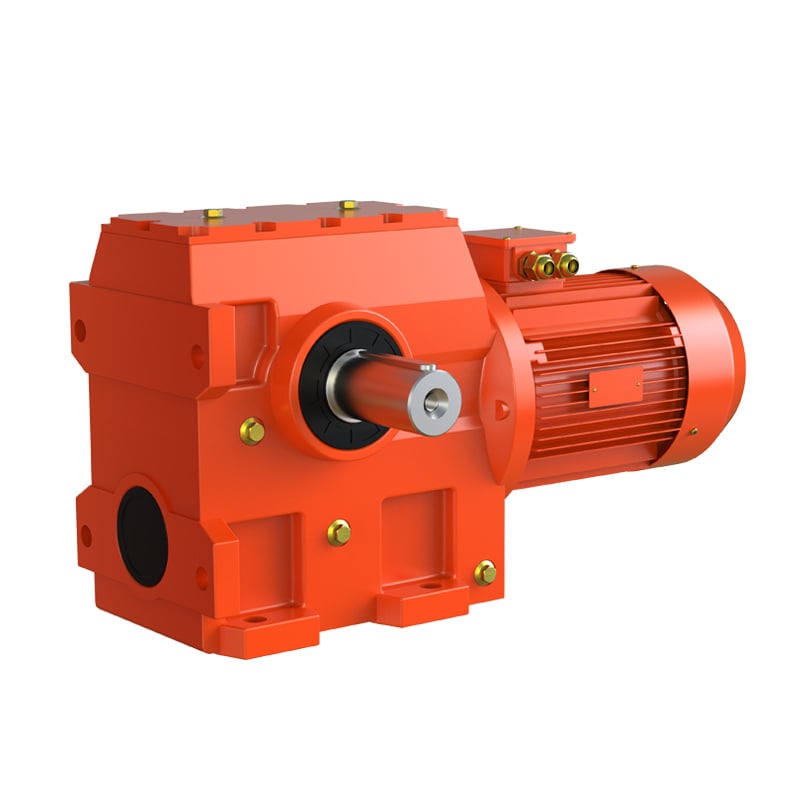
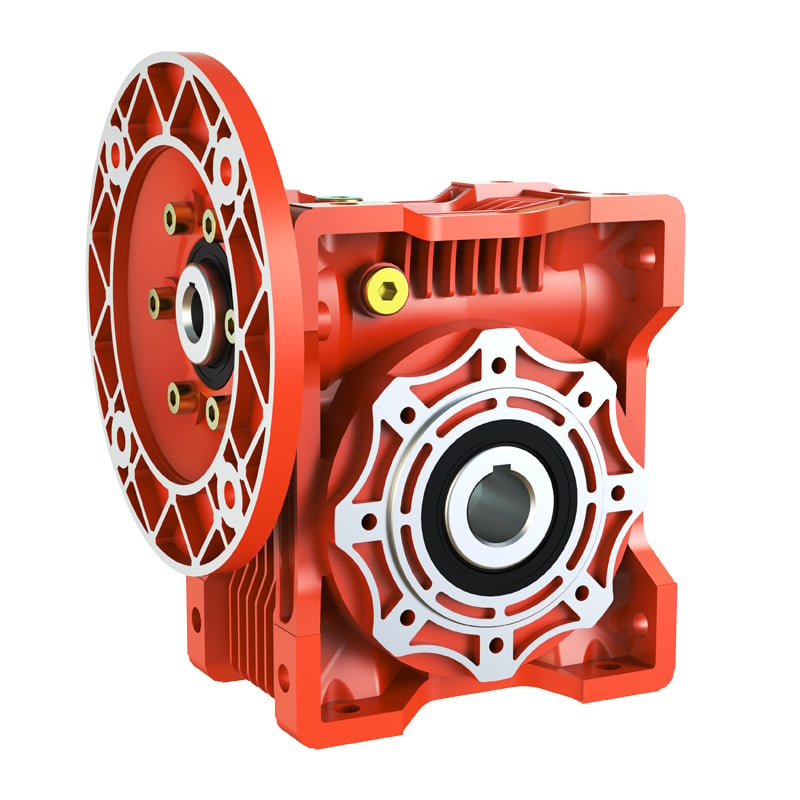
Confirm the output shaft parameters of the gearbox: The output shaft diameter and keyway size must match the inner hole of the sprocket, and the fit clearance shall comply with GB/T 1095 (usually H9/js9). Avoid "small shaft with large sprocket" which may cause slipping or shaft breakage.
The number of teeth of the driving sprocket (output end) is recommended to be ≥17 teeth to avoid excessive chain wear and unstable transmission caused by too few teeth; the number of teeth of the driven sprocket is determined according to the actual transmission ratio requirement. The center distance between the two sprockets should not be too small (recommended ≥30 times the chain pitch) to prevent excessive chain sag.
II. Installation and Calibration: Control Coaxiality and Tension
The end runout of the driving sprocket (motor end) and the driven sprocket (load end) shall be ≤0.1mm, the radial runout shall be ≤0.05mm, and the center lines of the two sprockets shall be parallel (deviation ≤0.5mm/m).
Calibration method: Attach a dial indicator to the driven sprocket, rotate the driving shaft for one week, and observe the pointer deviation. If it exceeds the limit, fine-tune by adjusting the fixed position of the gearbox or load (thin metal gaskets can be used, and rubber/paper sheets are prohibited).
The tension should be "moderate": Press the middle part of the chain in the vertical direction, and the deflection should be 1%-2% of the center distance between the two sprockets. Excessively tight tension will increase motor load and wear bearings; excessively loose tension is prone to chain jumping and disengagement.
When connecting the sprocket to the output shaft of the reducer, it shall be double-fixed with set screws (such as hexagon socket screws, matched with flat keys). The tightening torque of the screws refers to the instruction manual (such as M8 screws about 20-25N・m) to prevent sprocket slipping and displacement.
After installation, manually rotate the sprocket; there should be no jamming or abnormal noise. When the chain meshes, the rollers should smoothly enter the sprocket tooth grooves without "tooth gnawing" phenomenon.
Lubrication methods:
Low speed (≤5m/s): Regularly apply special chain lubricating oil with a brush, focusing on lubricating the friction surfaces of chain pins, rollers and bushings, once every 8 hours;
High speed (>5m/s): Adopt drip lubrication (install a drip lubricator) or oil bath lubrication (the lower part of the chain is immersed in the oil pool, and the oil level reaches 1/3 of the roller diameter) to avoid dry friction.
Taboos: Do not use butter (calcium-based grease) for lubrication, as its high viscosity is likely to cause chain dust accumulation and jamming; do not mix different types of lubricating oils.
Install a chain guard (metal or plastic material) to prevent foreign objects from being involved in the meshing area of the chain and sprocket, avoiding chain jamming and breakage; at the same time, prevent operators from contacting rotating parts to ensure safety.
Clean the chain regularly: Rinse the surface oil and impurities of the chain with kerosene every 1-2 weeks, and refill with lubricating oil after drying. Especially in working conditions with much dust and humidity (such as mixing tanks, food processing), the cleaning frequency should be increased.


Listen to the sound: Normal operation should be a uniform "chain meshing sound" without harsh noise (such as "clicking" chain jumping sound, "squeaking" friction sound). If there is abnormal noise, stop the machine immediately to check the tension or coaxiality;
Check the status: Inspect whether the chain has roller wear (replace if the diameter decreases by ≥3%), chain plate deformation, or loose pins; check whether the sprocket tooth surface has excessive wear (sharpened tooth top, sunken tooth surface);
Check for leakage: No oil leakage at the seal of the Gearbox output shaft to avoid lubricating oil polluting the chain or the environment.
Chain: Check the pitch elongation after 300-500 hours of operation. If the elongation is ≥2% (such as original pitch 12.7mm, elongated to more than 12.95mm), replace the chain;
Sprocket: If the tooth surface wear depth is ≥0.5mm or tooth chipping occurs, replace the driving wheel and driven wheel synchronously (it is prohibited to replace only a single wheel, otherwise the new chain will mesh poorly with the old sprocket);
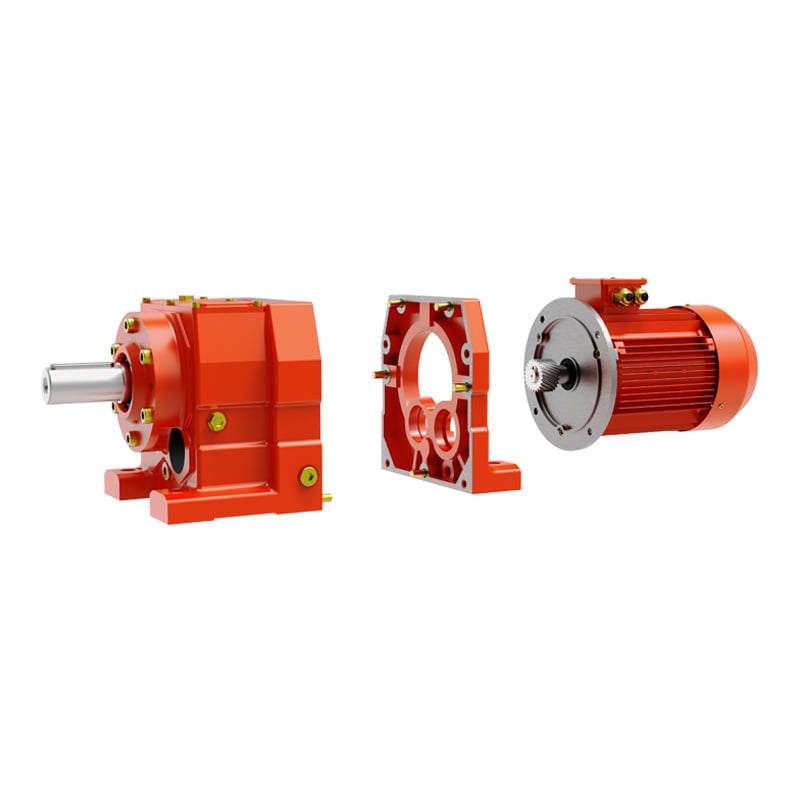
Gearbox: Replace the gear oil regularly according to the instruction manual (first replacement after 100 hours, then every 2000-3000 hours), and check the motor bearing temperature (≤80℃) to avoid overload operation.
 Hot News
2026-08-26
2026-08-18
2026-08-15
2026-08-11
2026-07-31
2026-07-29
Welcome to Wuma , a manufacturer committed to developing and manufacturing various types of gear reducers and gearmotors for the field of gear transmission.
No. 10, Xiangcun Industrial Zone, Dongyuan Town, Qingtian County, Lishui City, Zhejiang, China
Copyright © Zhejiang Wuma Drive Co., Ltd All Rights Reserved Privacy Policy Blog
 EN
EN