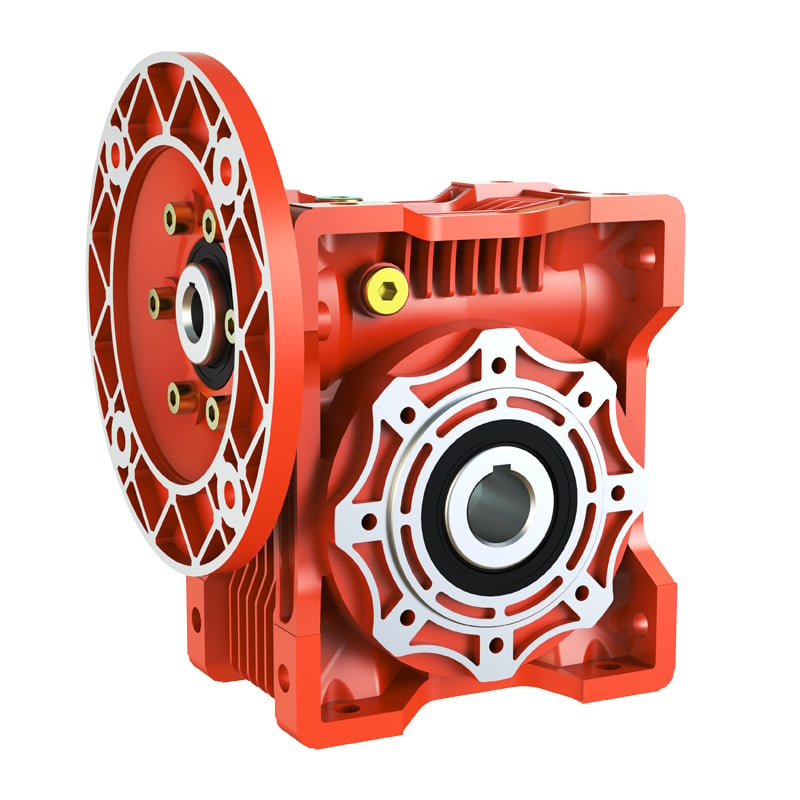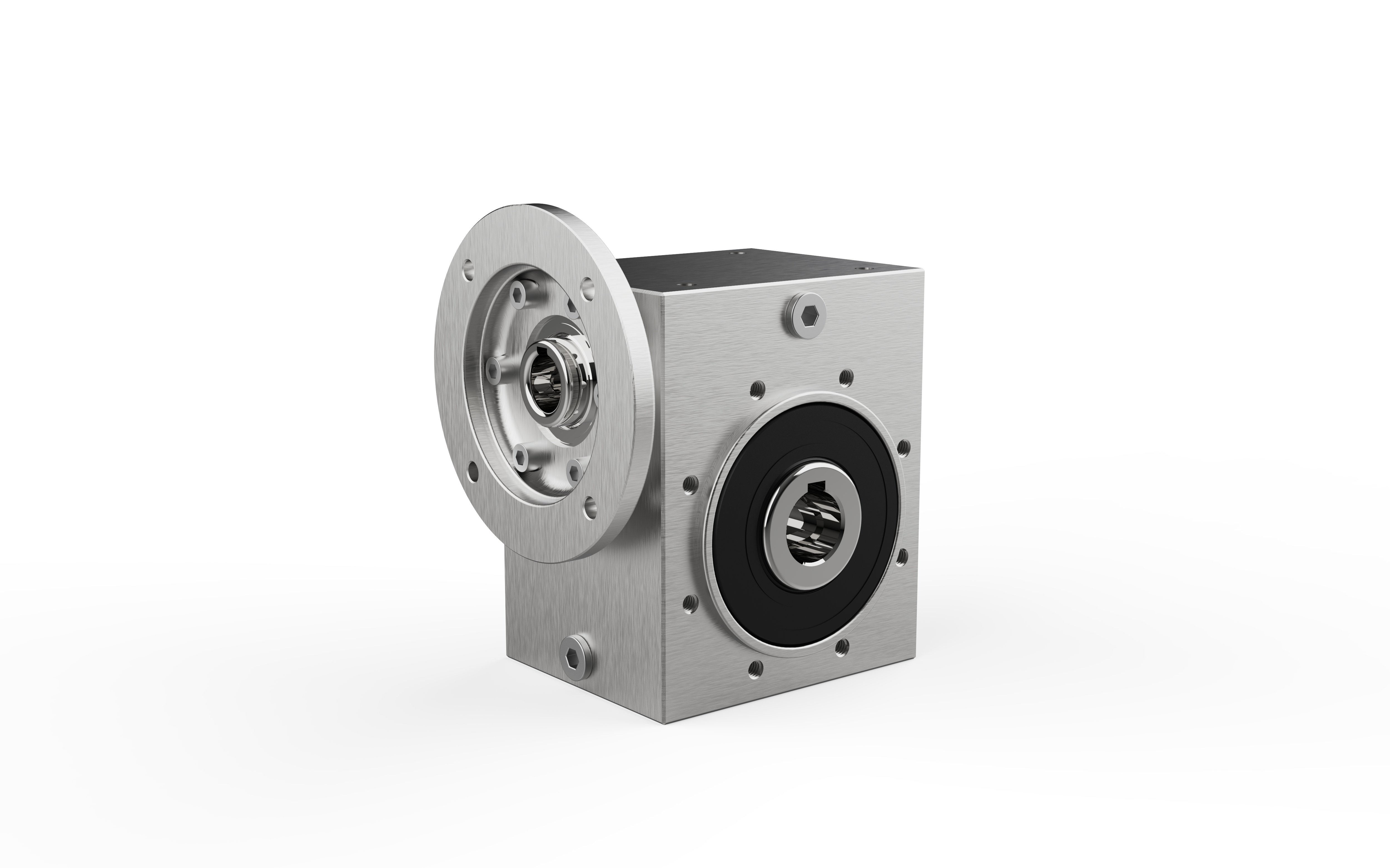

Notice your coupling’s not sitting right on the reducer shaft? Chances are, you’re getting vibrations, weird noises, or parts wearing out way faster than they should. No need to overcomplicate things—here’s what usually goes wrong, and how to fix it easy.
•The gap’s too big: Coupling hole is larger than the shaft, so it gets loose when running. Causes wobbling, knocking noises, and faster wear on both the shaft and coupling.
•It’s way too tight: Coupling hole is too small for the shaft. Forcing it bends the shaft or cracks the coupling—hard to turn, runs hot, and burns through bearings quickly.
•Bolts coming loose: Not tightening bolts/set screws properly (or in random order) leads to vibration shaking them loose. Results in slippage or constant wobbling.
•Key doesn’t fit right: Mismatched key and keyway causes issues. Too loose = knocking; bad keyway = fast key wear/slippage and wonky power transfer.
•Dinged shaft during install: Using a hard tool to bang the coupling on bends/cracks the shaft. Leads to wobbling and alignment headaches (super common, don’t worry—we’ve all done it). 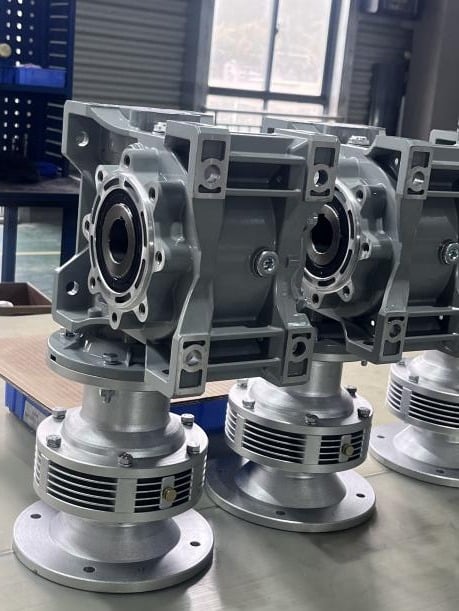
•Too big a gap: Measure shaft and coupling hole, get a properly fitting coupling. A sleeve works temporarily for minor shaft wear, but replacing the part is the real fix (saves hassle later).
•Too tight: Stop forcing it! Double-check measurements and get the right-sized coupling. Never grind the shaft down—it weakens it and causes bigger problems.
•Loose bolts: Cut power first (obviously). Tighten all bolts/screws in a criss-cross pattern with a torque wrench. Check them regularly to avoid repeat issues.
•Bad key fit: Use a key that matches the keyway exactly—no shortcuts. If the keyway’s damaged, call a pro (you’ll make it worse trying to fix it yourself).
•Dinged shaft: Small marks can buff out, but bent/cracked shafts need replacing (no way around it). Next time, use a soft copper bar against the coupling—don’t hit the shaft directly!
•Always kill the power before working—better safe than sorry (I shouldn’t have to say this, but I will).
•Match parts by the numbers, not your eyes. Guessing never works with shafts and couplings.
•After installing, spin the shaft by hand. It should turn smooth—no wobble, no tight spots. Fix issues before starting the machine (way easier than mid-run breakdowns).
 Hot News
2026-08-26
2026-08-18
2026-08-15
2026-08-11
2026-07-31
2026-07-29
Welcome to Wuma , a manufacturer committed to developing and manufacturing various types of gear reducers and gearmotors for the field of gear transmission.
No. 10, Xiangcun Industrial Zone, Dongyuan Town, Qingtian County, Lishui City, Zhejiang, China
Copyright © Zhejiang Wuma Drive Co., Ltd All Rights Reserved Privacy Policy Blog
 EN
EN