
 EN
EN

Direct answer: A reducer — also called a gearbox — is a mechanical power transmission device that uses gear meshing to reduce motor output speed and proportionally increase output torque. It matches the high rotational speed of an electric motor to the lower speed and higher torque required by industrial machinery, improving equipment efficiency, reliability, and service life.
How a Reducer Works: Core Principles
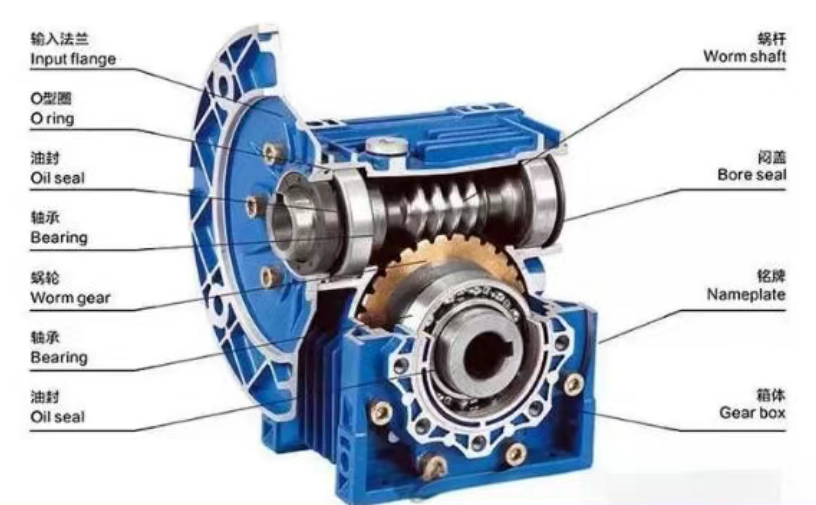
A reducer transmits rotational power from a prime mover (typically an electric motor) to a driven machine through gear engagement. The core function is speed reduction and torque multiplication — achieved by pairing a small driving gear with a larger driven gear. The speed ratio is determined by the difference in tooth count between the two gears.
Multi-stage gear pairs connected in series multiply the reduction ratio further. The fundamental torque relationship is governed by:
(Output Torque = Input Torque × Reduction Ratio × Efficiency)
Reducer Classification Overview
| Classification Basis | Main Types |
|---|---|
| Transmission Type | Worm gear, helical gear, planetary gear, bevel gear |
| Number of Stages | Single-stage (i = 3–100), multi-stage (higher ratios via series) |
| Gear Shape | Cylindrical, bevel, bevel-cylindrical composite |
| Housing Arrangement | Open-type, split-type, coaxial (inline) structure |
Main Types of Reducers
Worm Gear Reducer
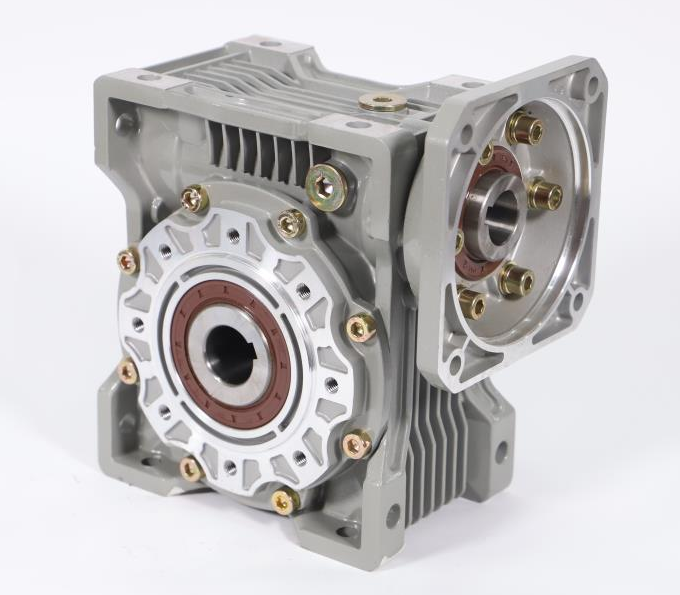
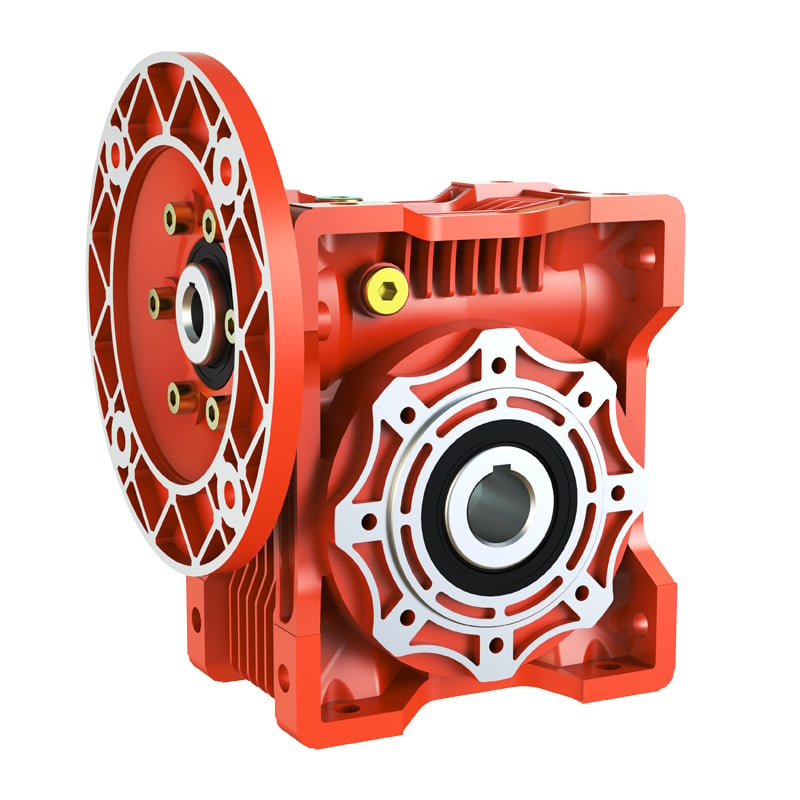
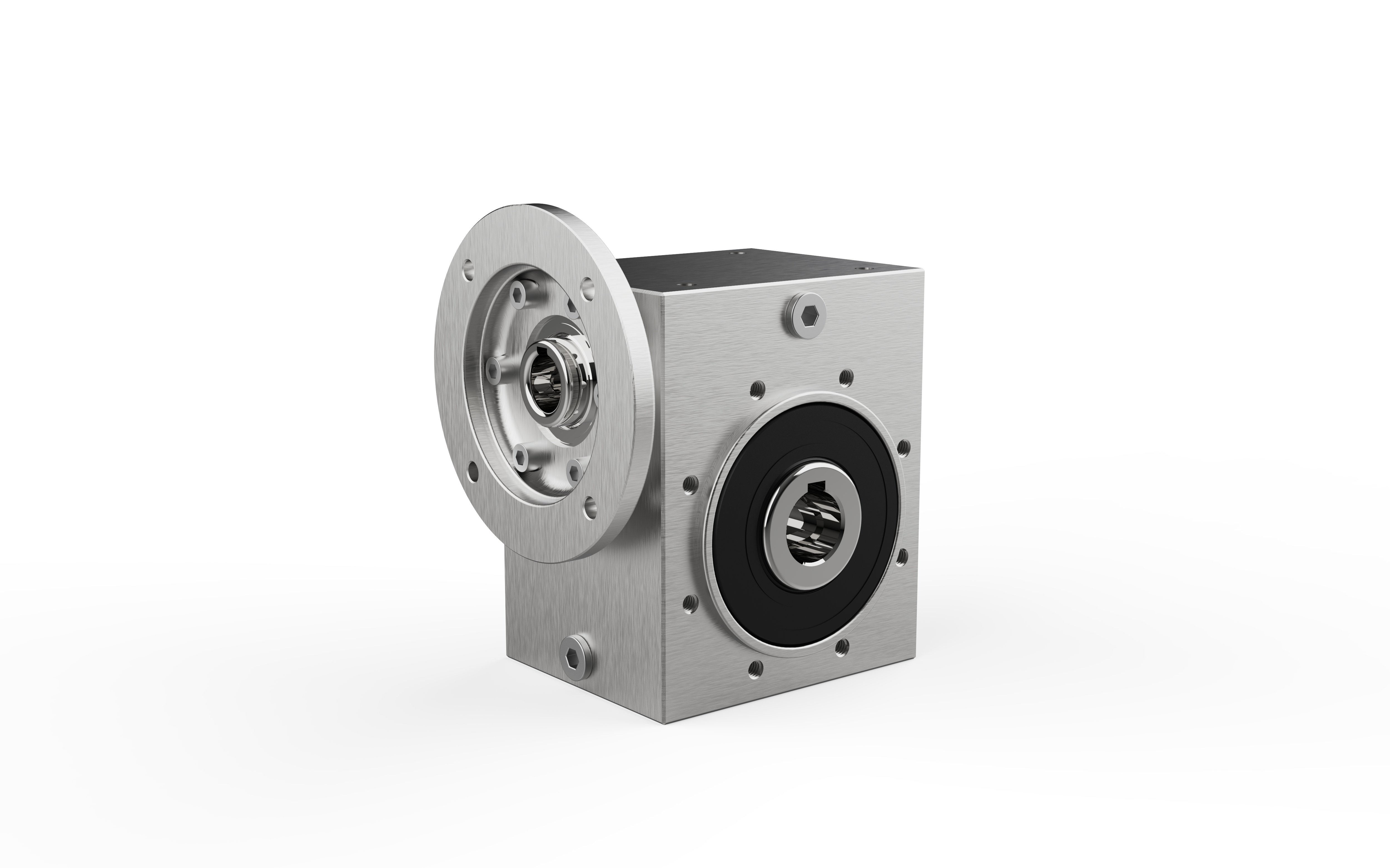
A worm gear reducer (such as the Wuma WMRV series) uses a helical worm shaft meshing with a worm wheel to achieve a 90° right-angle drive between input and output shafts. Large reduction ratios (i = 5–100) are achievable in a single stage. Under specific lead angle conditions, the drive is inherently self-locking — the output shaft cannot back-drive the input when power is removed.
- Efficiency: 70–85% (sliding friction between steel worm and tin bronze wheel)
- Self-locking: Yes — at reduction ratios i ≥ 20 (single-start worm)
- Best for: Conveyors, lifting equipment, food packaging, valve actuators
- Limitation: Lower efficiency generates heat in continuous high-duty applications
Helical Gear Reducer
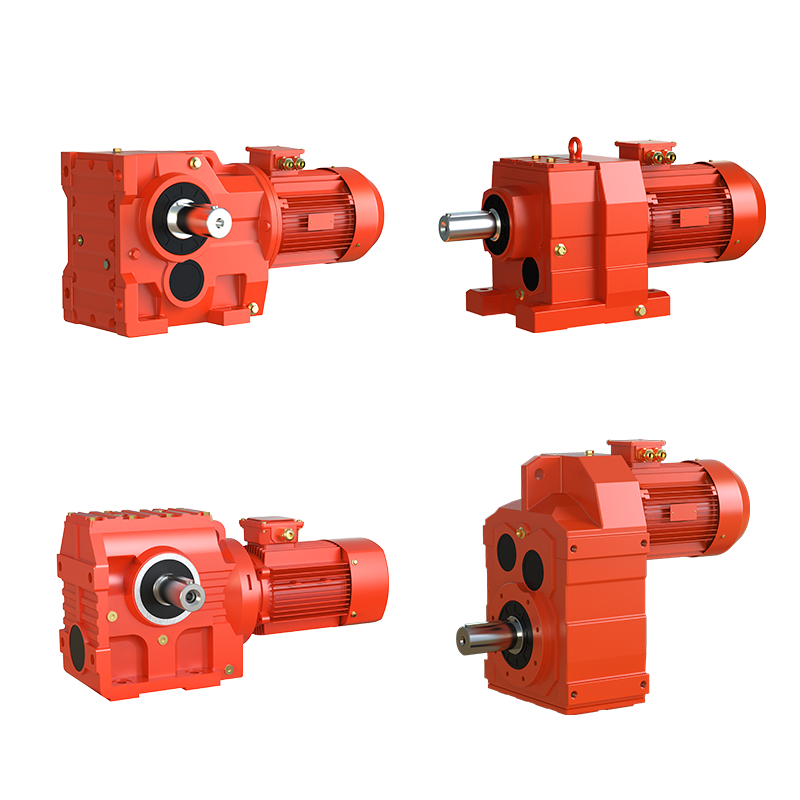
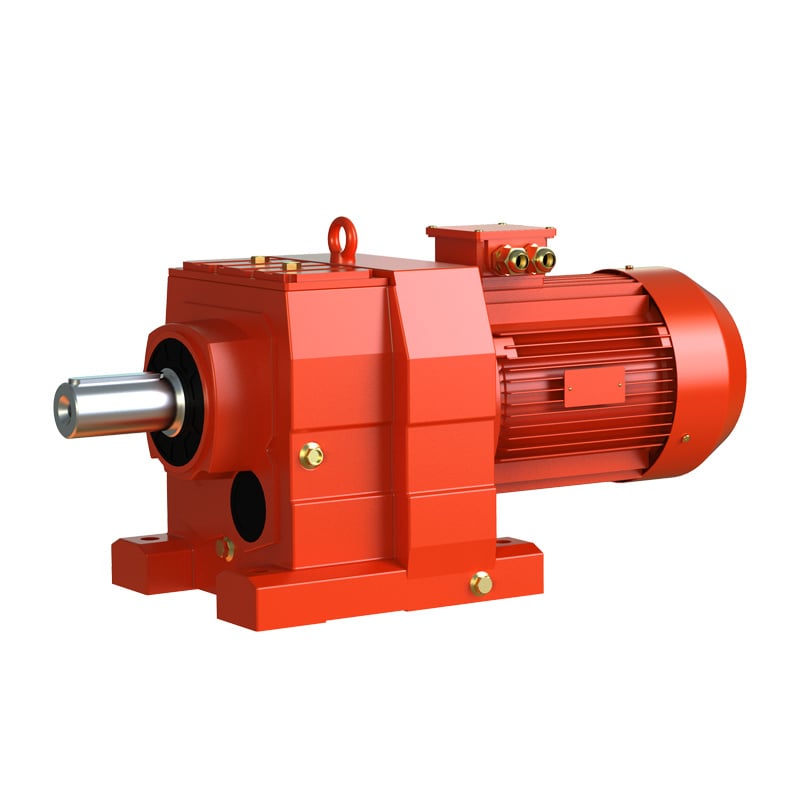
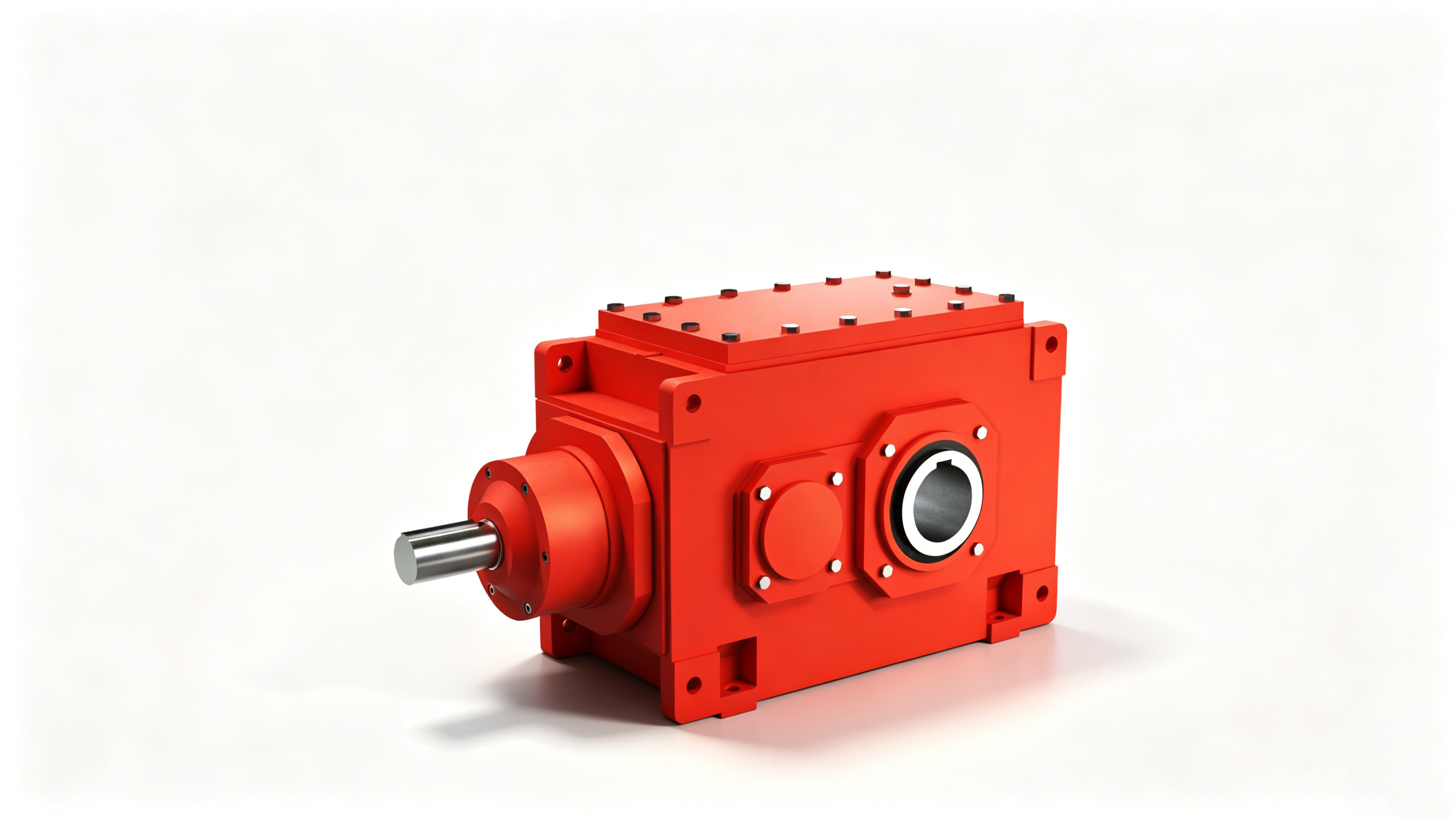
Helical gear reducers use angled helical teeth that increase tooth contact length, distributing load more evenly and enabling smoother, quieter power transmission than spur gears. Multi-stage configurations achieve higher reduction ratios while maintaining high efficiency. Transmission efficiency reaches up to 95%, making them the preferred choice for continuous, high-power industrial drives.
- Efficiency: 94–98% per stage
- Power capacity: Up to 132 kW
- Best for: Rubber, cement, mining, conveyor lines, grinders, coolers
- Construction: High-quality forged steel gears with high-frequency heat-treated surfaces; rigid cast iron housing; precision-machined for shaft parallelism
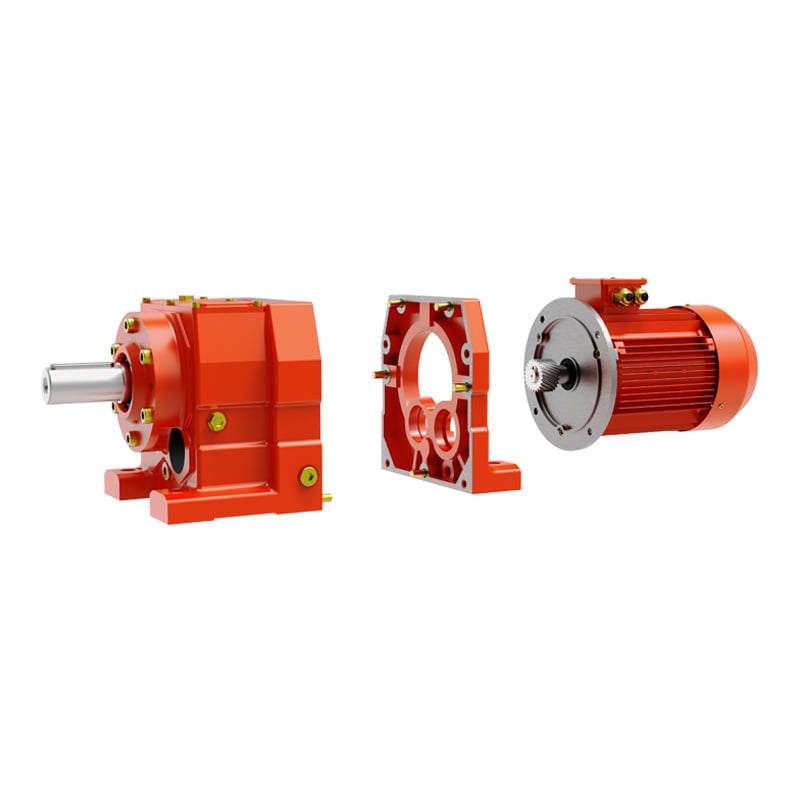
Wuma Drive helical gearboxes (WR/WF coaxial and parallel shaft series) feature housing dimensions compatible with SEW models, enabling direct retrofit on existing equipment.
Planetary Gearbox
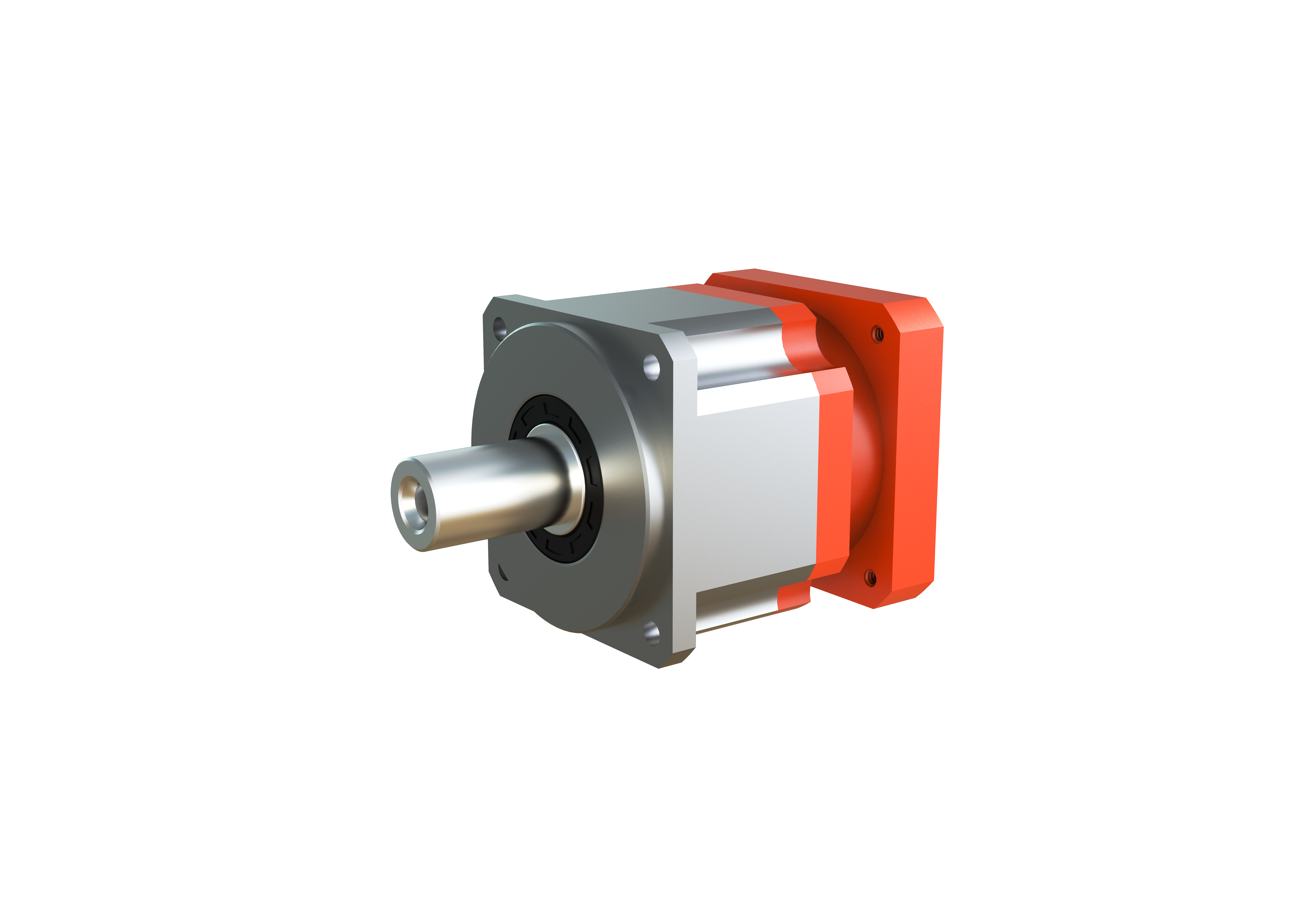
A planetary gearbox distributes load across multiple planet gears simultaneously orbiting a central sun gear inside a ring gear — achieving the highest torque density of any gearbox type in the smallest housing footprint. Transmission efficiency exceeds 95%, with minimal backlash and lifetime maintenance-free operation (sealed, oil-filled design). Commonly paired with servo and stepper motors for precision positioning applications.
- Efficiency: 95–99%
- Backlash: Low — suitable for precision positioning
- Best for: Robotics, CNC machines, servo drives, automation, aerospace
- Advantage: Compact, high rigidity, zero routine maintenance
Quick Comparison: Three Core Reducer Types
| Type | Efficiency | Noise | Self-Locking | Best Application | Cost |
|---|---|---|---|---|---|
| Worm Gear | 70–85% | Low | Yes | Conveyors, lifts, packaging | Low |
| Helical Gear | 94–98% | Low–Med | No | Cement, rubber, heavy industry | Medium |
| Planetary | 95–99% | Medium | No | Robotics, servo, CNC precision | High |
Industries Where Reducers Are Used
Wherever an electric motor drives a machine at a different speed or torque than the motor's rated output, a reducer is required. The following industries represent the primary application sectors for industrial gearboxes globally:
| Industry Sector | Typical Reducer Application | Preferred Type |
|---|---|---|
| Food & Beverage | Packaging lines, conveyors, mixers | Worm, Helical |
| Mining & Metallurgy | Crushers, excavators, conveyor drives | Helical, Bevel-Helical |
| Cement & Building Materials | Kiln drives, mill drives, belt conveyors | Helical |
| Chemical & Petrochemical | Agitators, pumps, compressor drives | Helical, Worm |
| Robotics & Automation | Servo axis drives, joint actuators | Planetary |
| Water Treatment | Sludge scrapers, aerators, gate actuators | Worm, Helical |
| Construction Machinery | Hoists, cranes, concrete mixers | Helical, Worm |
| Textiles & Rubber | Spinning machines, calendering lines | Helical, Bevel-Helical |
Recommended Manufacturer: Zhejiang Wuma Drive Co., Ltd.
Founded in 1995, Zhejiang Wuma Drive Co., Ltd. brings over 30 years of precision transmission manufacturing experience from its facility in Zhejiang Province, China. The company specializes in more than 10 product series covering the full spectrum of industrial gearbox applications.
| Credential | Detail |
|---|---|
| Founded | 1995 — 30+ years manufacturing experience |
| Certifications | ISO 9001, ISO 14001, ISO 45001, CE |
| Patents Held | 35 patents (utility model & invention) |
| Standards Participation | 12 industry and group standards formulated |
| Awards | Zhejiang Industrial Science & Technology Award; Wenzhou Major Science & Technology Innovation Project |
| Global Markets | Export to 80+ countries across North America, Europe, Southeast Asia, and the Middle East |
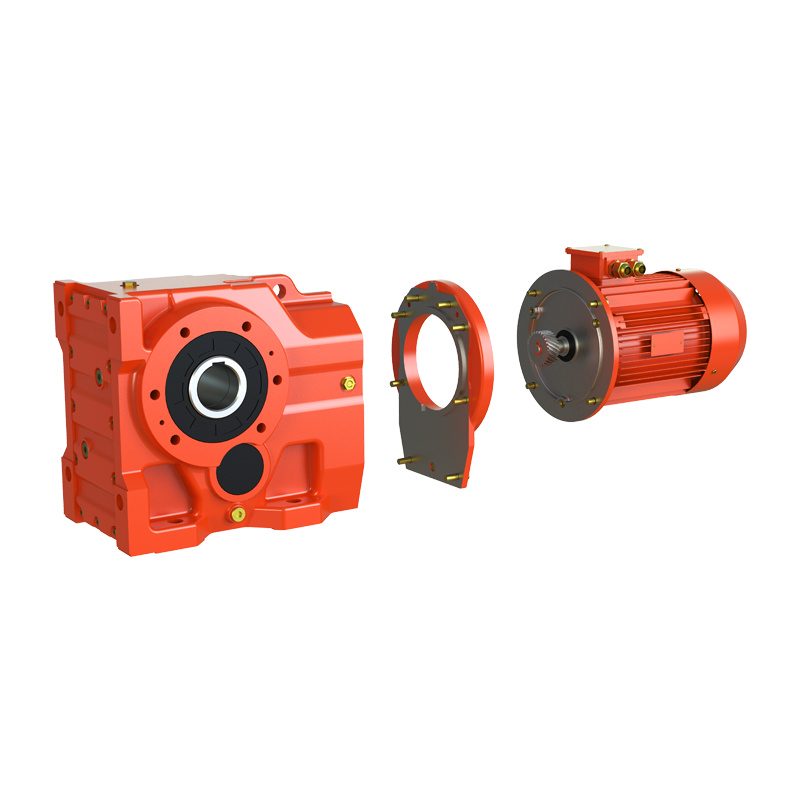
| Core Product Lines | WMRV worm reducers · WR/WF helical gearboxes · WK bevel-helical · WS helical-worm · WKM hypoid · Planetary gearboxes |
FAQ: What Is a Reducer?
What is a reducer in mechanical engineering?
A reducer is a gear-based power transmission device that reduces motor output speed while proportionally increasing output torque. It connects the motor to the driven machine and ensures speed and torque are matched to the load requirements.
What are the main types of reducers?
The three primary types are worm gear reducers (self-locking, compact, 70–85% efficiency), helical gear reducers (high efficiency up to 95%, low noise), and planetary gearboxes (highest precision and power density, 95%+ efficiency).
What industries use reducers?
Reducers are used across metallurgy, mining, food processing, packaging, chemical processing, construction machinery, water treatment, textiles, robotics, and conveying systems — any application requiring motor speed to be matched to machine torque.
How do I choose between a worm reducer and a helical gearbox?
Choose a worm reducer for 90° right-angle drives, self-locking requirements, or compact installations where efficiency is secondary. Choose a helical gearbox for continuous heavy-duty operation where high efficiency (94–98%) and low heat generation are priorities.
What is the difference between a reducer and a gearbox?
In industrial usage, the terms are interchangeable when the output speed is lower than the input. "Reducer" highlights the speed-reduction function; "gearbox" is the broader mechanical term. All reducers are gearboxes, but not all gearboxes are reducers.
Need help selecting the right reducer for your application?
Submit Your Parameters — Get a Free Selection Recommendation from Wuma Drive →
 Hot News