EN
EN

-
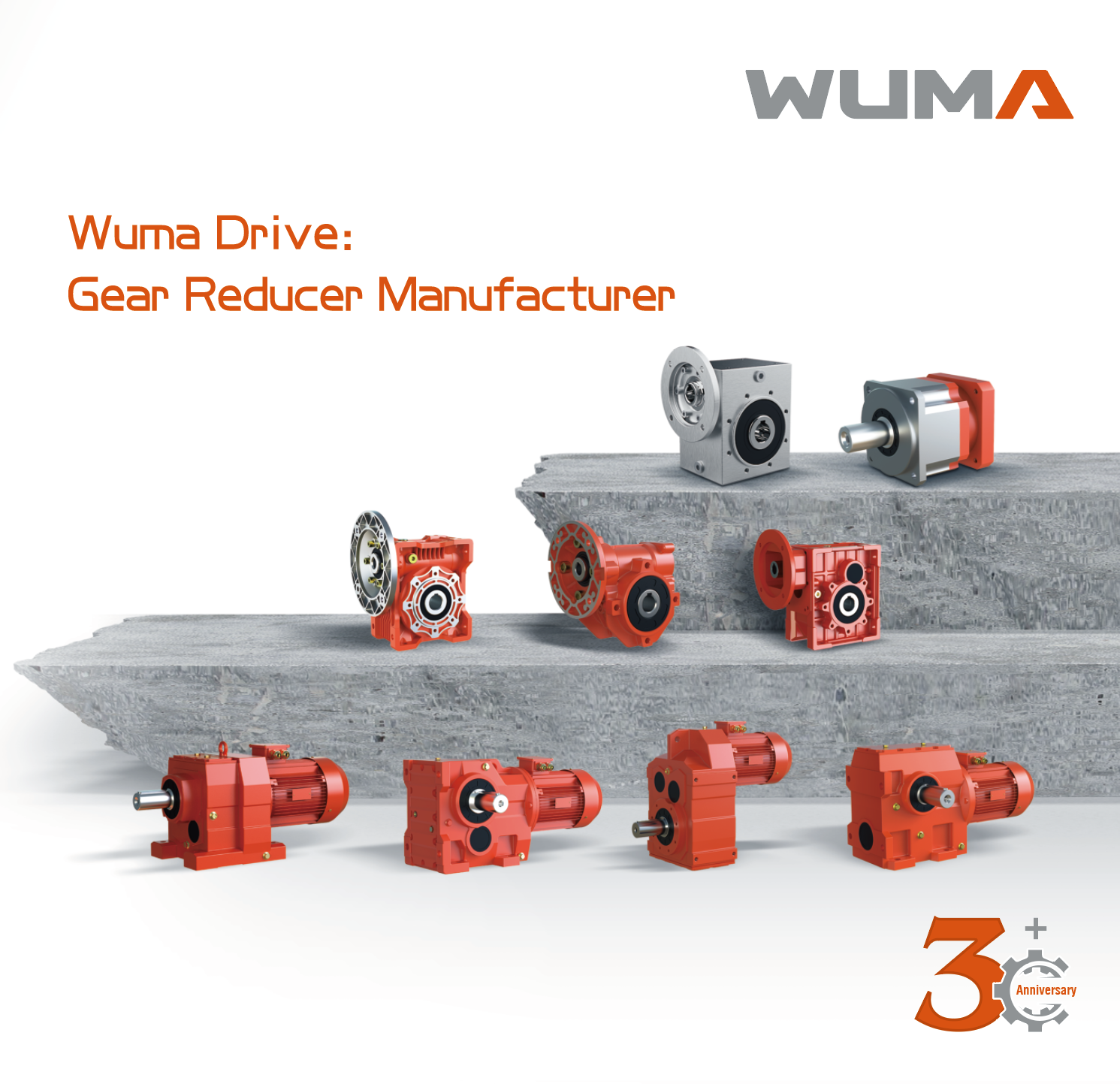
Wuma Drive: Gear Reducer Manufacturer with 30 Years of Precision Transmission Expertise
Zhejiang Wuma Drive Co., Ltd. — trusted gear reducer manufacturer with 30 years of expertise, 500,000 units/year capacity, CE / ISO / ATEX certified, global partners in 5 continents, and rapid custom engineering.
Aug. 15. 2026 -
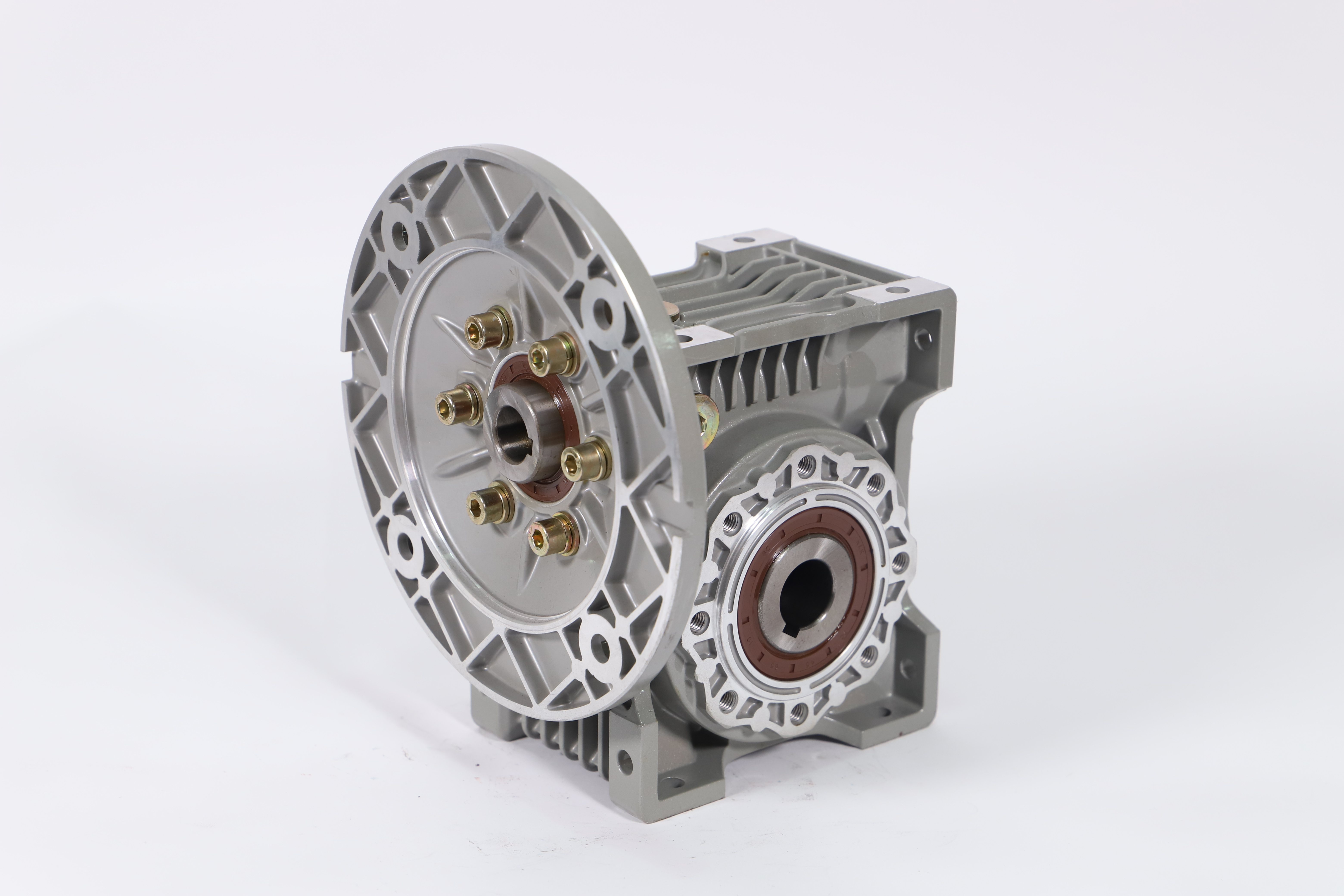
WMRV Series: A Drop-In Alternative to International Brand Worm Gear Reducers
Wuma Drive WMRV series worm gear reducers are dimensionally compatible with leading international brand standards — same mounting footprint, same shaft specs, CE / ISO 9001:2015 / ATEX certified, exported to 80+ countries.
Aug. 11. 2026 -
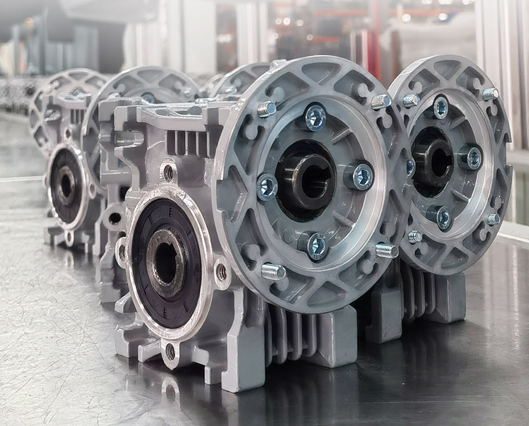
Worm Gear Reducer: How It Works & Common Fault Troubleshooting Guide
Learn how a worm gear reducer works, its core components, and how to diagnose and fix the four most common faults: overheating, noise, abnormal vibration, and oil leaks.
Jul. 31. 2026 -
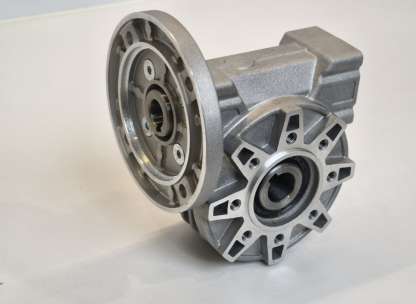
Same Fit, Faster Delivery: WDVF / WMVF as a Drop-In Alternative to European Worm Gear Reducers
Wuma Drive WDVF and WMVF series worm gear reducers offer 100% dimensional compatibility with leading European brands — same mounting holes, shaft sizes, and flange specs. No redesign, shorter lead times.
Jul. 29. 2026 -
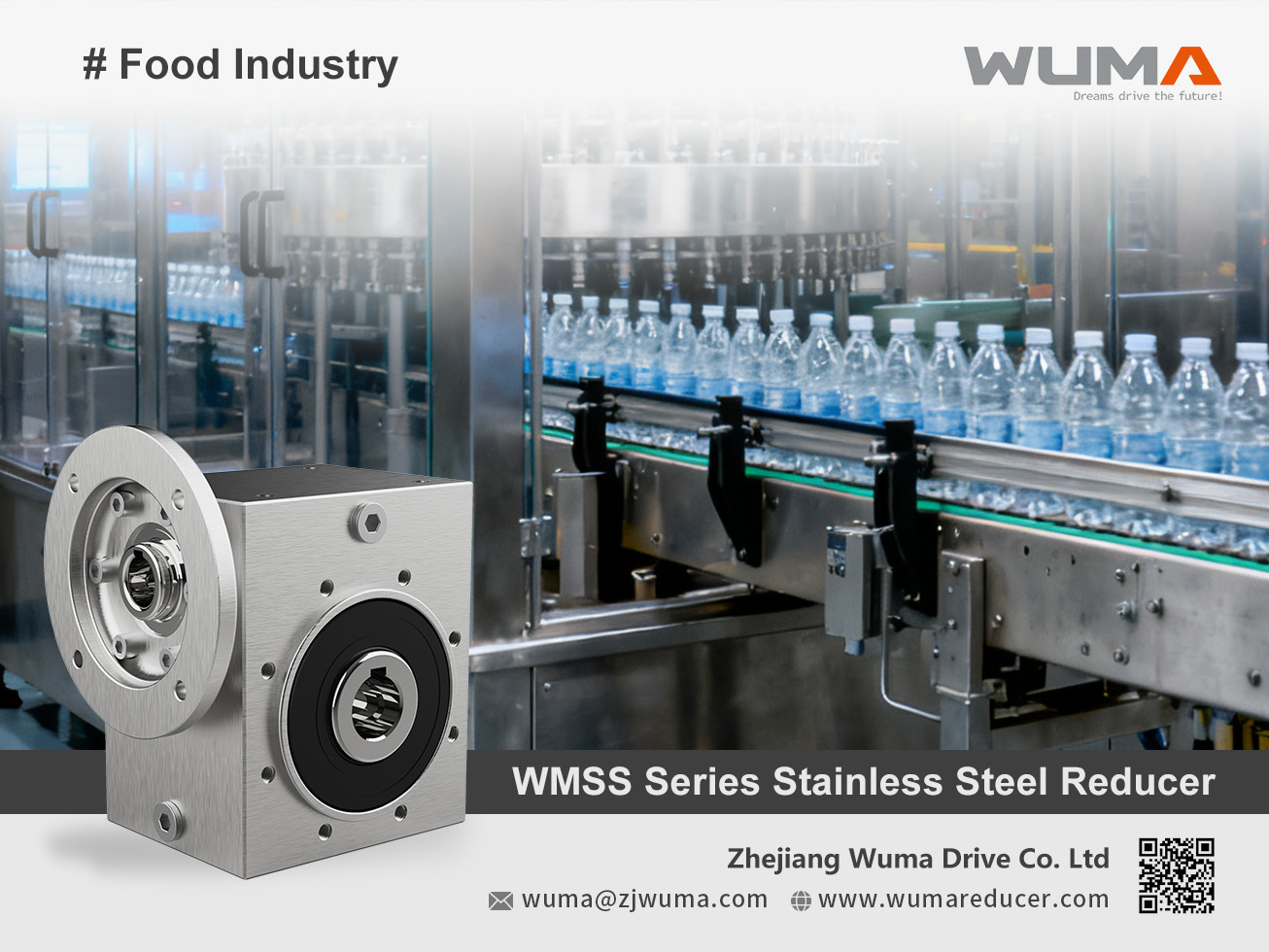
Ensuring Zero Downtime in Food Packaging: Wuma Drive WMSS Stainless Steel Gearbox Solutions
Wuma Drive WMSS Series stainless steel gearboxes are engineered for food and packaging lines — IP69K-rated, SUS304/SUS316 construction, corrosion-resistant, and built for 24/7 washdown environments.
Jul. 28. 2026 -
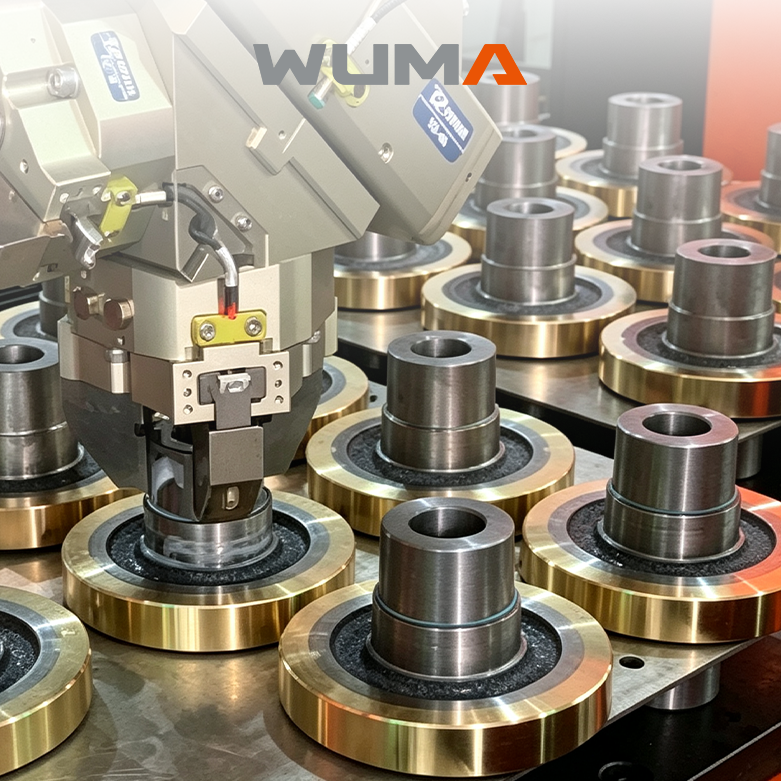
Wuma Drive WMRV Series Fully Automated Production Line Now at Full Capacity
Zhejiang Wuma Drive Co., Ltd. has commissioned its fully automated WMRV series production line, achieving 42% higher efficiency, 0.01mm tooth profile accuracy, and a 99.8% pass rate.
Jul. 18. 2026 -
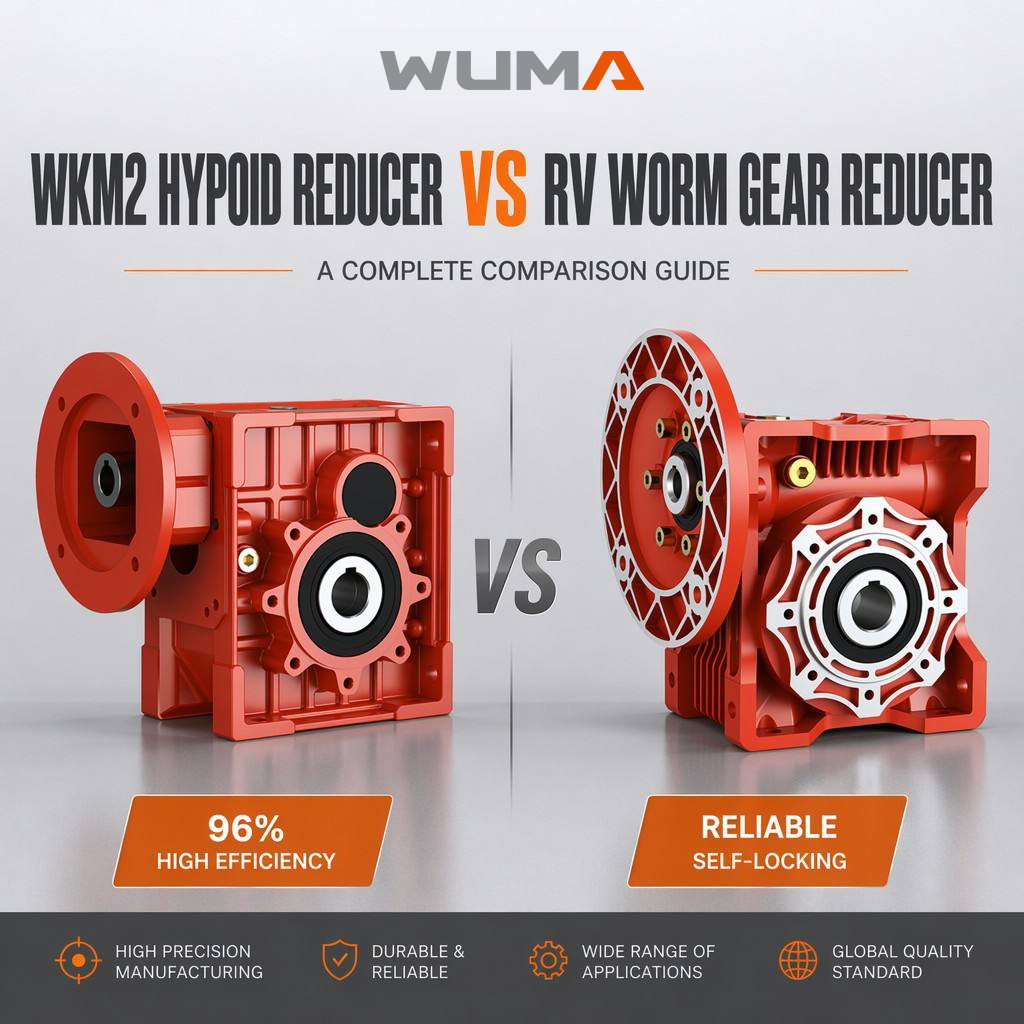
WKM Hypoid vs WMRV Worm Gear Reducer: Full Comparison Guide
Compare Wuma Drive's WKM hypoid gear reducer and WMRV worm gear reducer across efficiency, energy cost, torque density, self-locking, and total cost of ownership. Includes real-world energy savings calculation and application decision framework.
Jul. 16. 2026 -
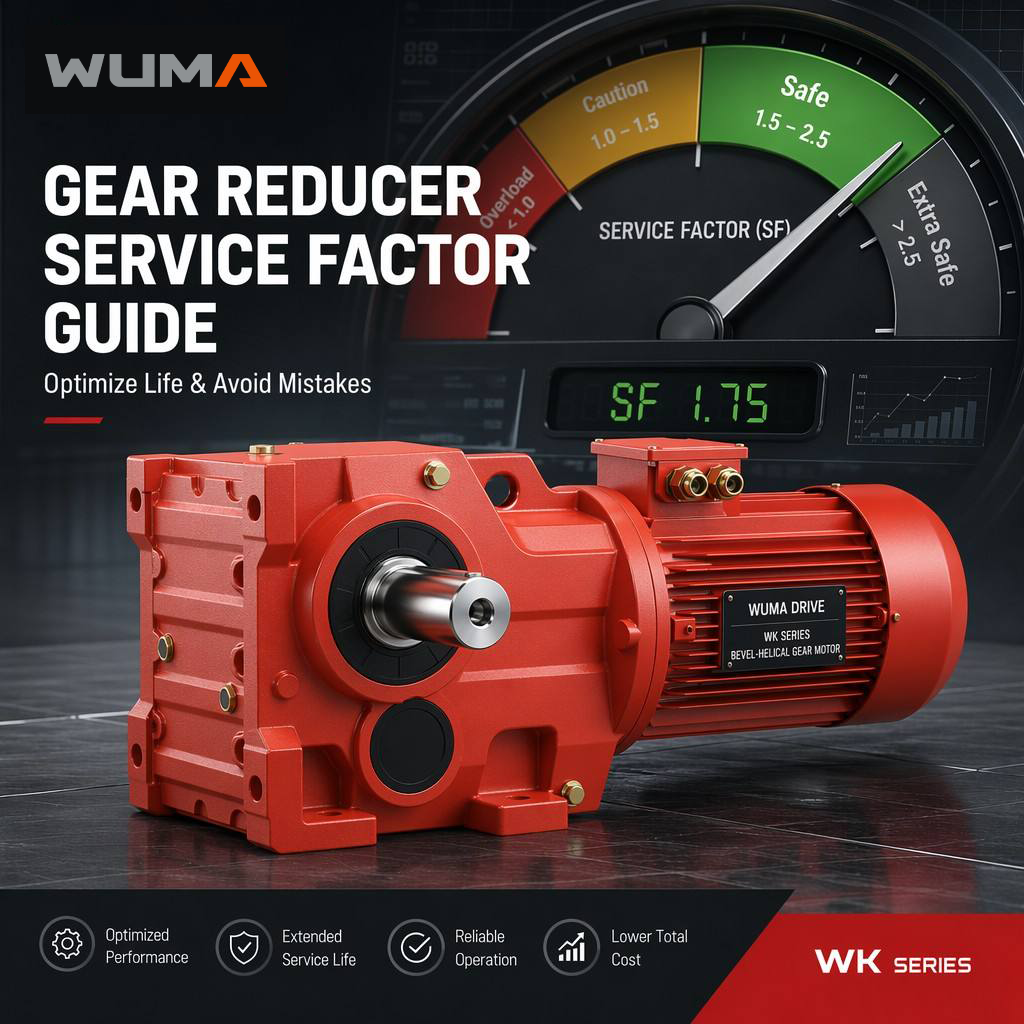
Gear Reducer Service Factor (SF): How to Select Correctly & Avoid Costly Mistakes
Learn what the service factor (SF) is in gear reducer selection, why under-selecting and over-selecting both cost money, and how to determine the right SF across four key dimensions.
Jul. 14. 2026 -
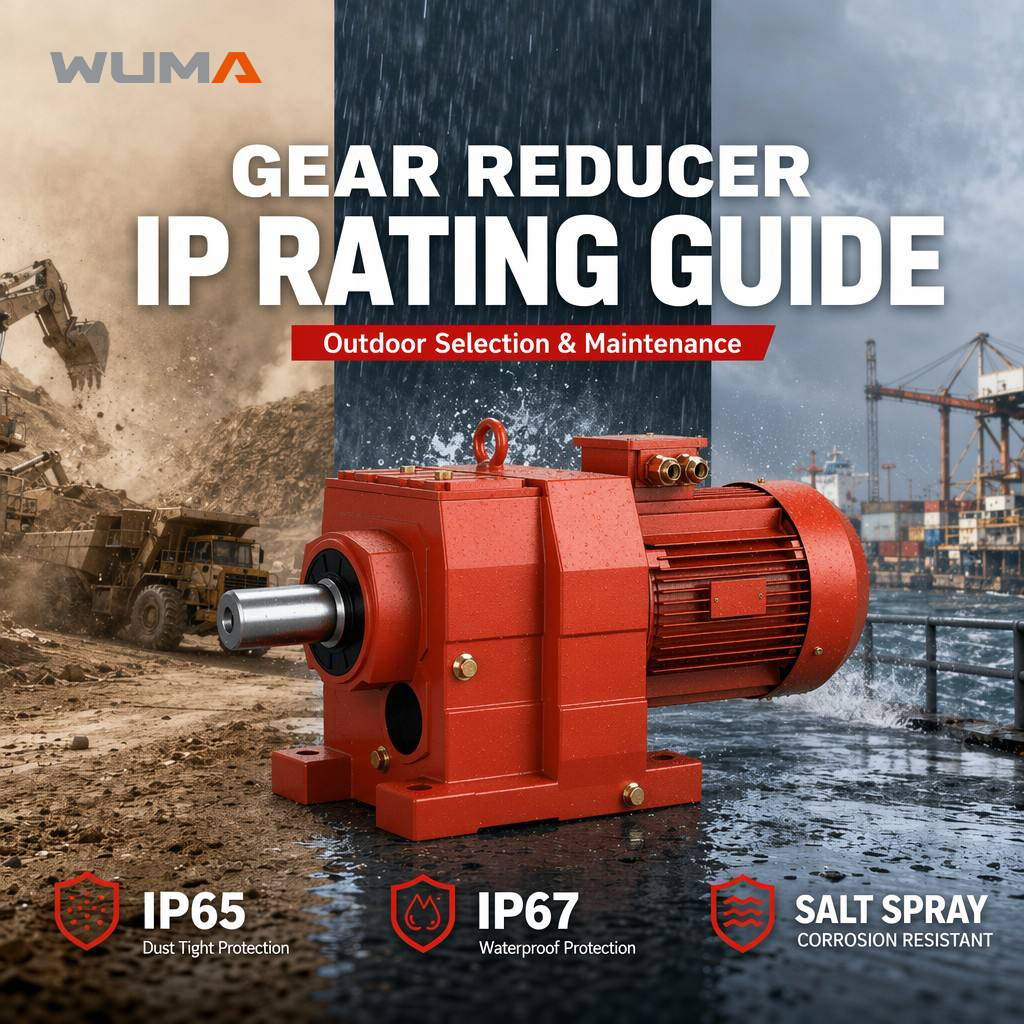
Gear Reducer IP Protection Rating: Outdoor Selection & Maintenance Guide
Learn how to select the correct IP protection rating for outdoor gear reducers — covering dusty, wet, and high salt spray environments — plus sealing, lubrication, and maintenance best practices from Wuma Drive.
Jul. 13. 2026 -
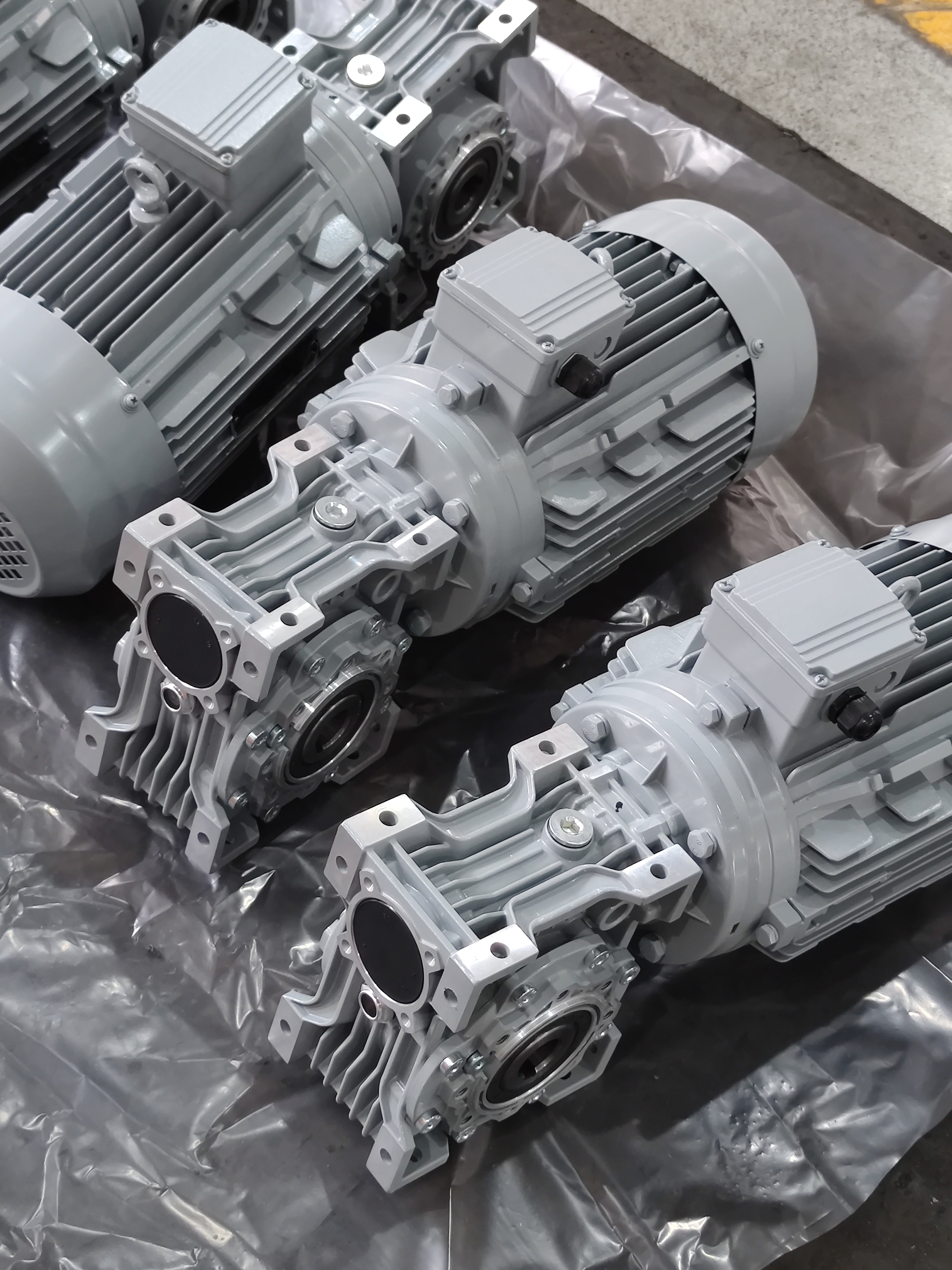
Worm Gearbox Self-Locking: Speed Ratio & Material Guide
Self-locking in worm gearboxes is controlled by speed ratio (the on/off switch) and worm wheel material (the strength dial). Learn how to select correctly for reliable reverse-drive prevention.
Jul. 10. 2026 -
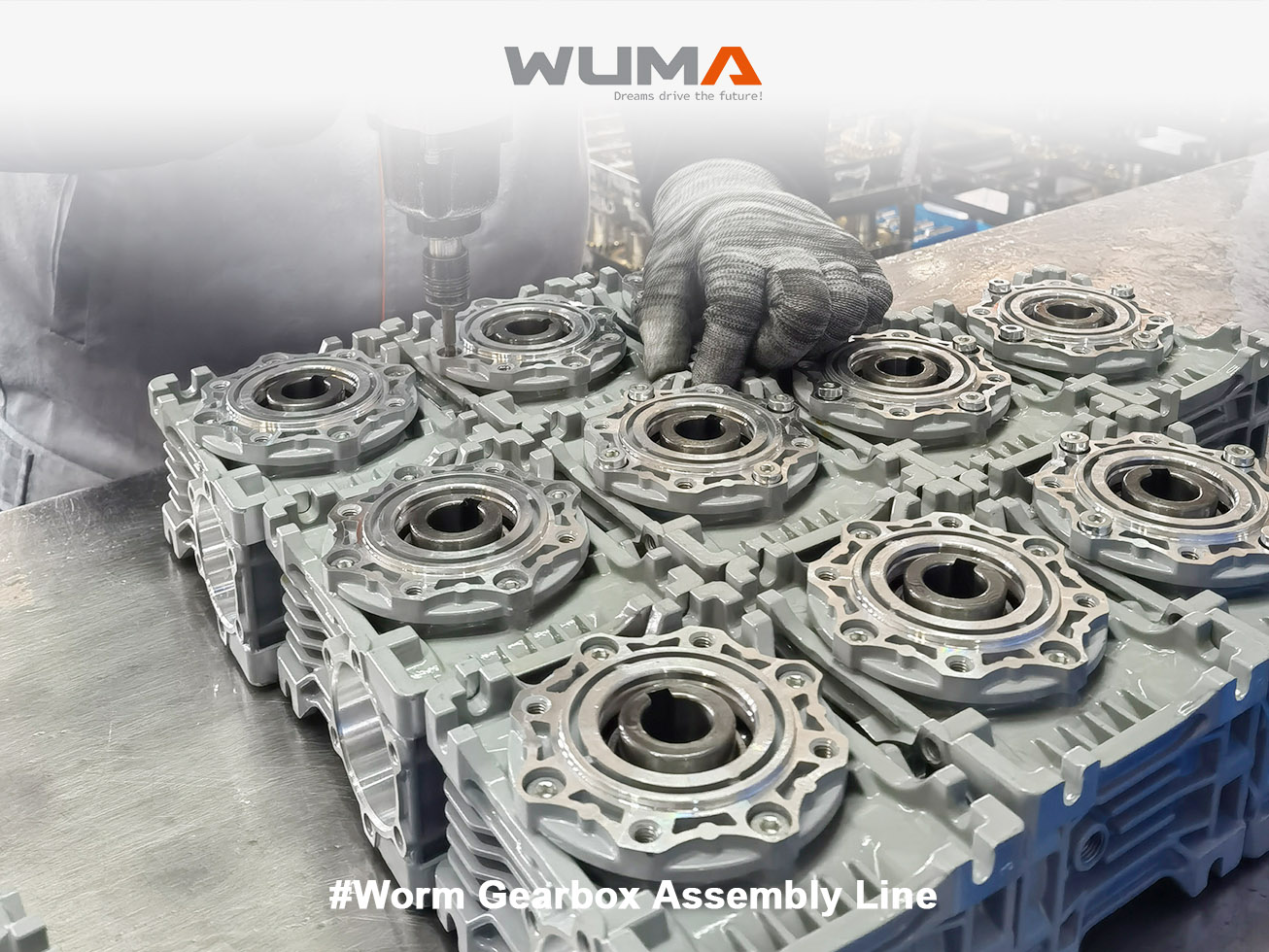
Helical Gears vs Spur Gears: Why High-End Gearboxes Always Use Helical
Discover why helical gears outperform spur gears in efficiency, noise, load capacity, and durability — and why Wuma Drive's WK/WR/WF/WS series use helical gear technology as standard.
Jul. 07. 2026 -
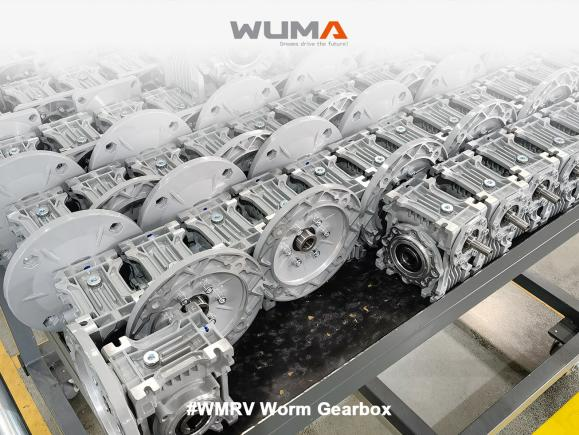
What Is a Reducer (Gearbox)? Principles, Types & Industrial Applications | Wuma Drive
Learn what a reducer is, how it works, the main types (worm, helical, planetary), and which industries rely on them — with product recommendations from Zhejiang Wuma Drive Co., Ltd.
Jul. 03. 2026