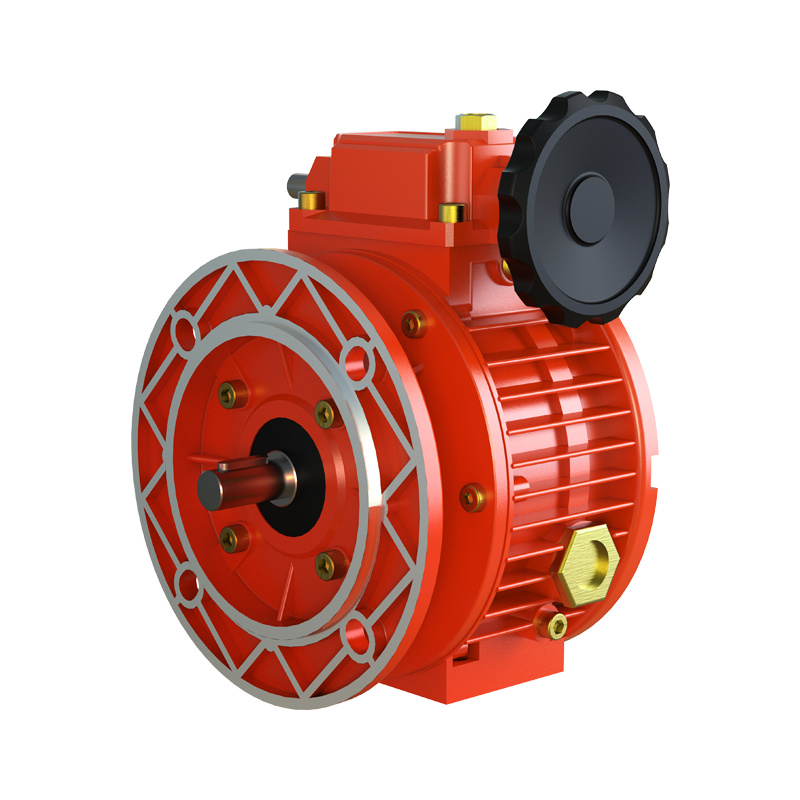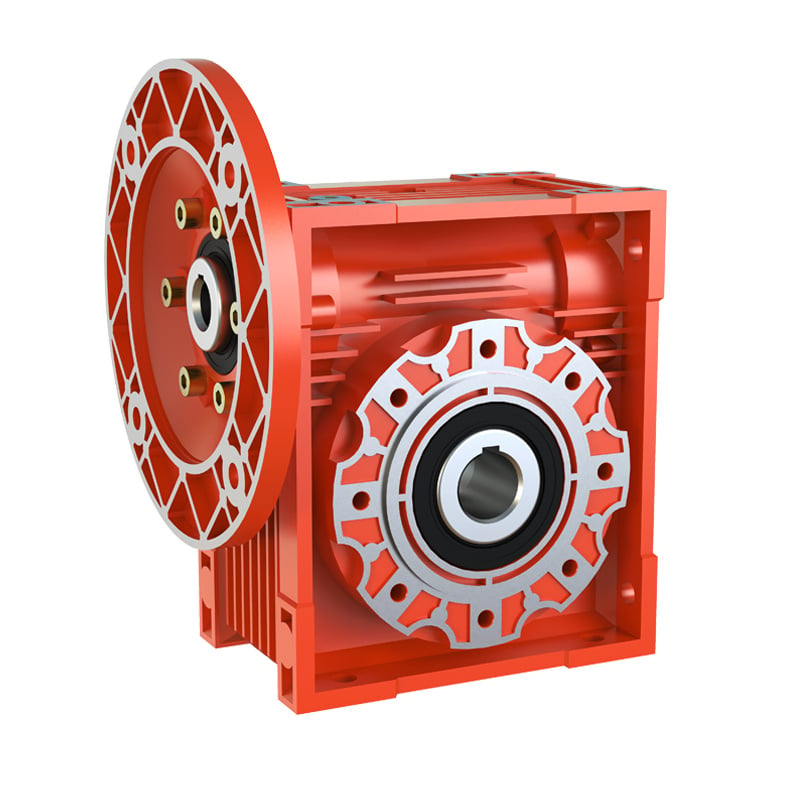

An appropriate gear pressure angle helps the reducer achieve the best efficiency.
If the pressure angle is too large or too small, it will cause wear, noise and even premature loss of function.In this article, we will tell you how to select the type of pressure angle to ensure that the reducer can maximize its energy efficiency.
1.Definition of Pressure Angle
The gear pressure angle refers to the Angle between the line of action in the direction of force transmission between two gears and the tangent of the pitch circle at the meshing point. The pressure angle determines the direction of the force acting on the gear teeth when the gears mesh.
2.Definition of Operating Pressure Angle
The working pressure angle refers to the value of the gear pressure angle that is affected by deformation during load or operation, which is called the working gear pressure angle. During the operation of the reducer, the teeth of the gears will deform, causing the contact points to shift and thus changing the original value of the gear pressure angle.
3.Types of Pressure Angle
•14.5°Pressure Angle
The 14.5° gear pressure angle has now been gradually replaced because it makes the teeth of gears longer and thinner, and is prone to interference during use. Compared with gears with a larger pressure angle, this type of gear has a lower transmission efficiency.
•20°Pressure Angle
A gear pressure angle of 20° is the most widely used gear pressure angle. This type of gear is thicker at the tooth root, thereby reducing the possibility of interference and having a higher load-bearing capacity.
•25°Pressure Angle
Compared with gears with smaller pressure angles, this type of gear has thicker and shorter teeth. There is no doubt that its carrying capacity must be the best. However, due to the thickness of its gear teeth, it has higher requirements for assembly accuracy and also for the degree of gear meshing.
4.Factors Influencing Pressure Angle Selection
•Loading Requirement
The expected load is the main factor in selecting the gear pressure angle. For equipment with high requirements for torque and load, gears with larger pressure angles should be selected.
•Loading Speed
The operating speed of the gear also affects the selection of the pressure angle. In high-speed equipment, gears with a pressure angle of 20° or 25° are usually selected. If gears with a pressure angle of 14.5° are chosen, noise and vibration will occur.
•Type and Application of Gears
The type of gear may affect the selection of the pressure angle due to the possible deformation caused by its geometric shape. In special industries, the selection of gear pressure angles may be based on their industry norms and standards.
 Hot News
2026-08-26
2026-08-18
2026-08-15
2026-08-11
2026-07-31
2026-07-29
Welcome to Wuma , a manufacturer committed to developing and manufacturing various types of gear reducers and gearmotors for the field of gear transmission.
No. 10, Xiangcun Industrial Zone, Dongyuan Town, Qingtian County, Lishui City, Zhejiang, China
Copyright © Zhejiang Wuma Drive Co., Ltd All Rights Reserved Privacy Policy Blog
 EN
EN