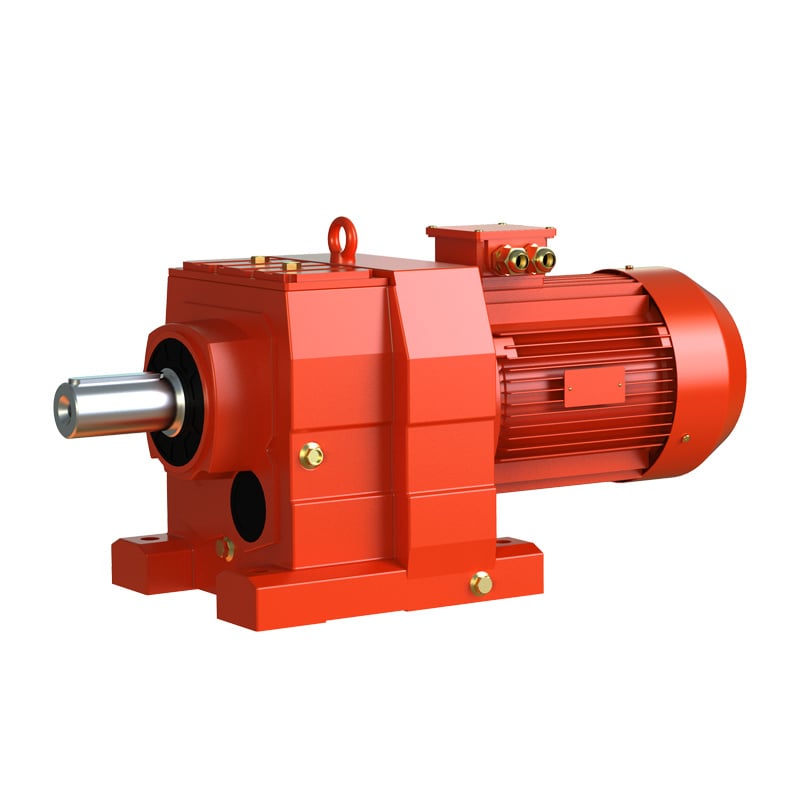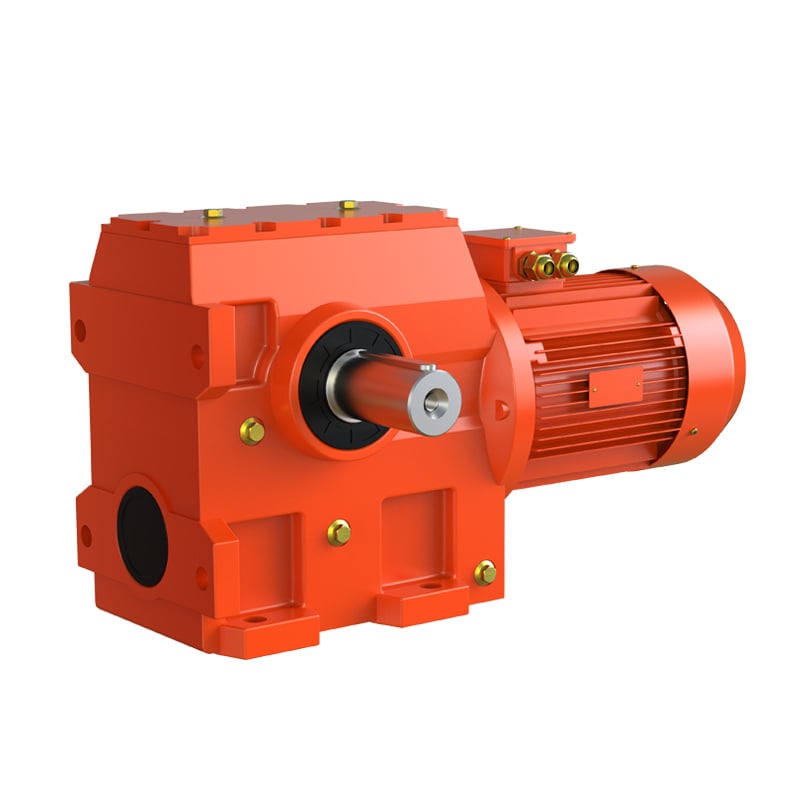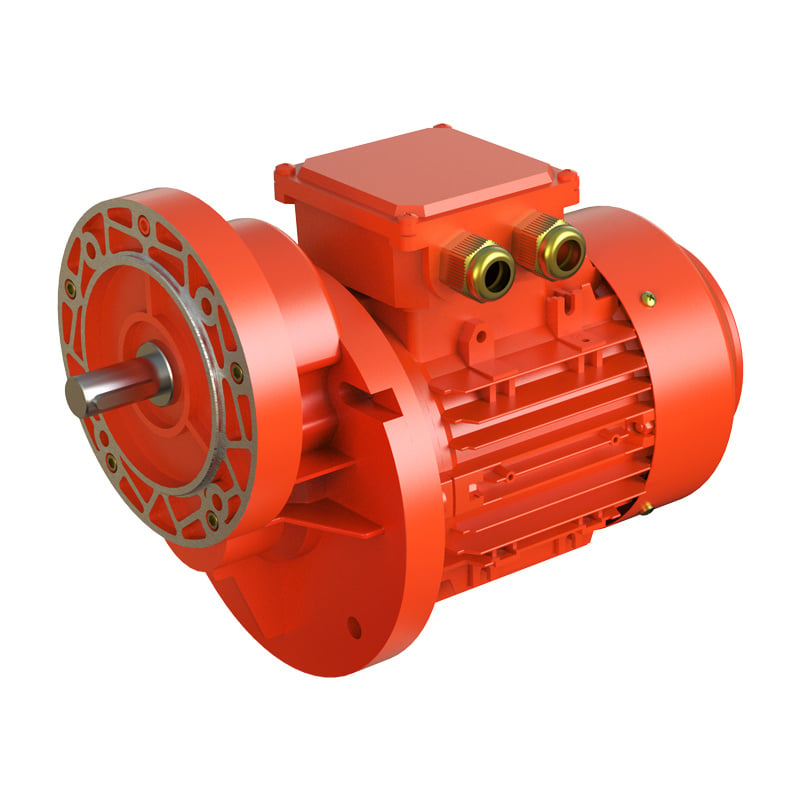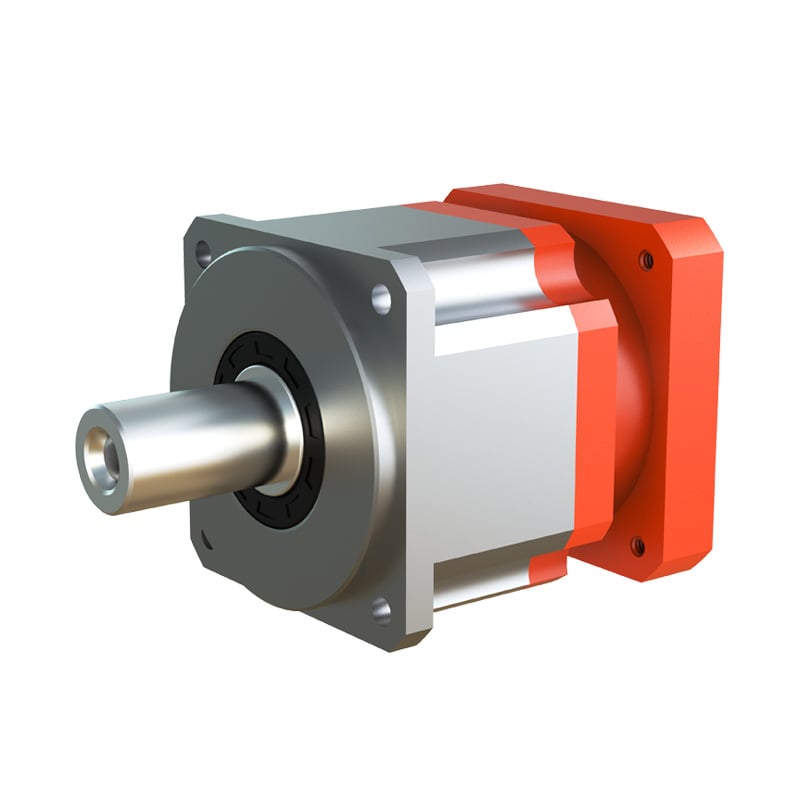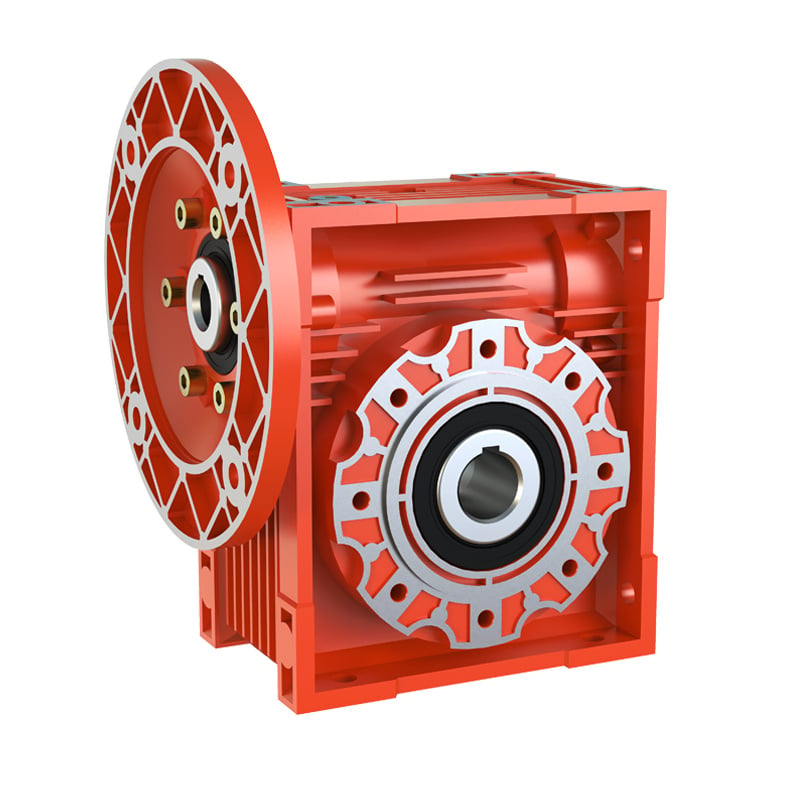

Temperature is one of the most important factors affecting the performance and efficiency of a speed reducer. The following is a detailed analysis of how temperature affects speed reducers:
Aging of Insulation Materials:
The lifespan of the insulation materials in a speed reducer is directly related to the maximum temperature they can withstand.
If the speed reducer's operating temperature exceeds the allowable limit temperature of the insulation materials, aging will accelerate, leading to a significantly shortened lifespan.
High temperatures and temperature fluctuations can also damage the insulation materials, further affecting the speed reducer's performance.
Lubricating Oil Performance:
The viscosity of the lubricating oil has a significant impact on the speed reducer's heat dissipation and operating efficiency.
If the selected gear oil has a lower viscosity, the temperature rise will be more pronounced, while excessively high viscosity will lead to heat dissipation difficulties.
Under appropriate load levels, low-viscosity gear oil should be selected to improve heat dissipation.
Overfilling or excessively high oil levels will also affect the speed reducer's normal heat dissipation.
Gearbox Break-in and Wear:
Newly installed gearboxes require a break-in period. During the break-in phase, as the equipment has not yet entered the normal wear stage, wear is significant, leading to an increase in the temperature of the planetary speed reducer gear surfaces.
This temperature rise is a necessary stage for normal equipment operation, but excessively high temperatures still require attention.
Load and Oil Film:
If the gearbox load is too high, the oil film may rupture, leading to an increased tendency for wear failure, increased friction between gears, and consequently, higher gear surface temperatures.
Appropriate viscosity grade or load-level lubricating oil should be selected according to the load, such as high-viscosity oil and extreme pressure gear oil. These oils are beneficial for lubrication but may also have a negative impact on heat dissipation.
Temperature Rise and Faults:
Temperature rise is the temperature difference between the reducer and the environment, caused by the reducer's heat generation, and is an important indicator in reducer design and operation.
If the temperature rise suddenly increases during operation, it may indicate a fault in the reducer, such as blocked air ducts or excessive load.
In this case, natural cooling, water cooling, or fan cooling can be used to reduce the temperature.
The temperature affects reducers in many ways, including the aging of insulation materials, lubricating oil performance, gearbox break-in and wear, the relationship between load and oil film, and the relationship between temperature rise and faults. Therefore, when using a speed reducer, the temperature should be properly controlled to ensure that the speed reducer operates within a suitable temperature range in order to improve its performance and efficiency.
 Hot News
2026-08-26
2026-08-18
2026-08-15
2026-08-11
2026-07-31
2026-07-29
Welcome to Wuma , a manufacturer committed to developing and manufacturing various types of gear reducers and gearmotors for the field of gear transmission.
No. 10, Xiangcun Industrial Zone, Dongyuan Town, Qingtian County, Lishui City, Zhejiang, China
Copyright © Zhejiang Wuma Drive Co., Ltd All Rights Reserved Privacy Policy Blog
 EN
EN