
Introduction to Operating Factors
The Role of Service Factors
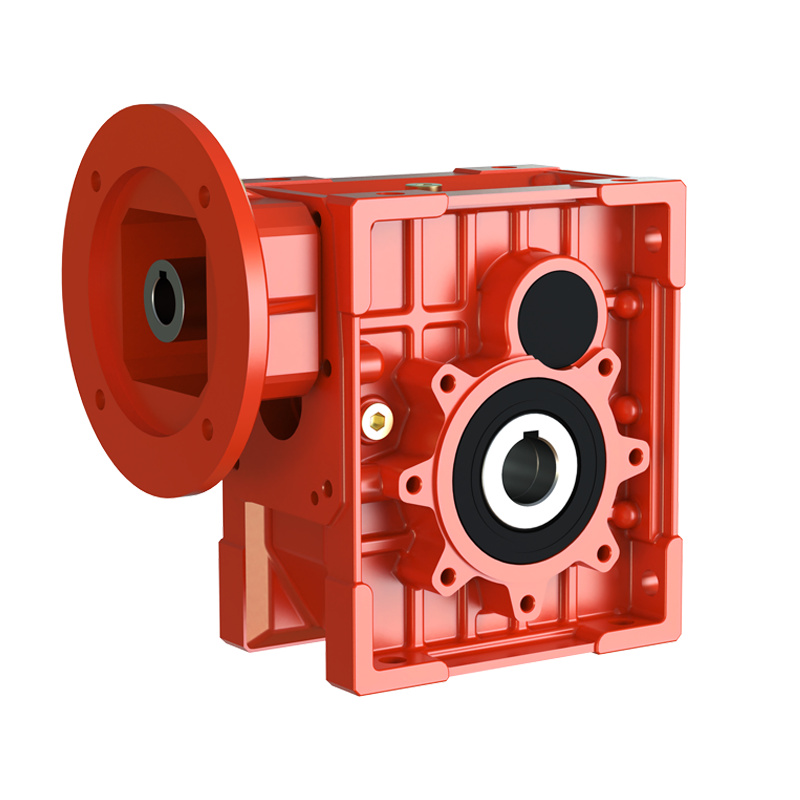
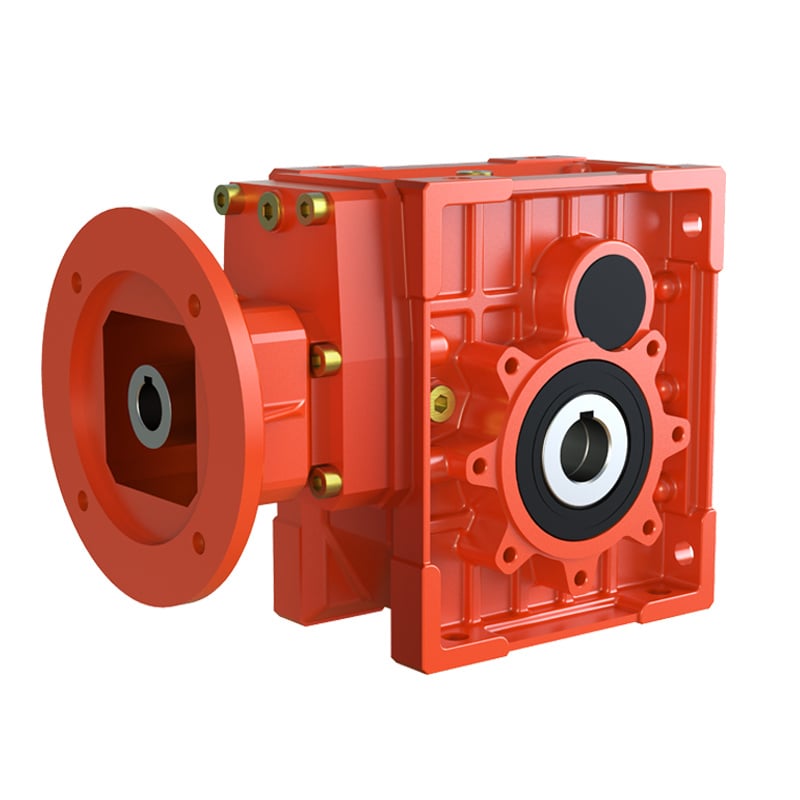
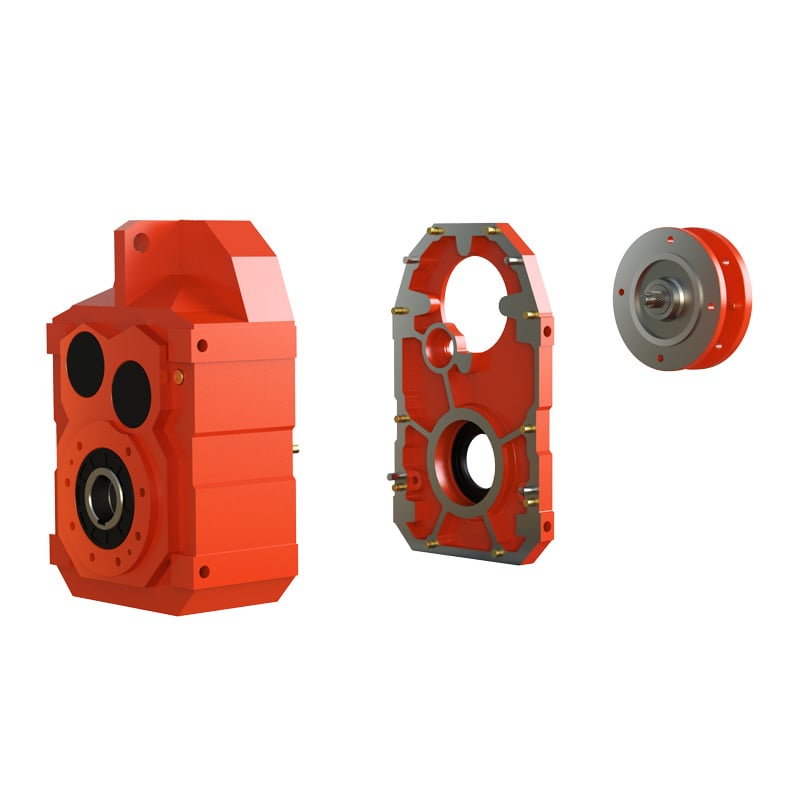
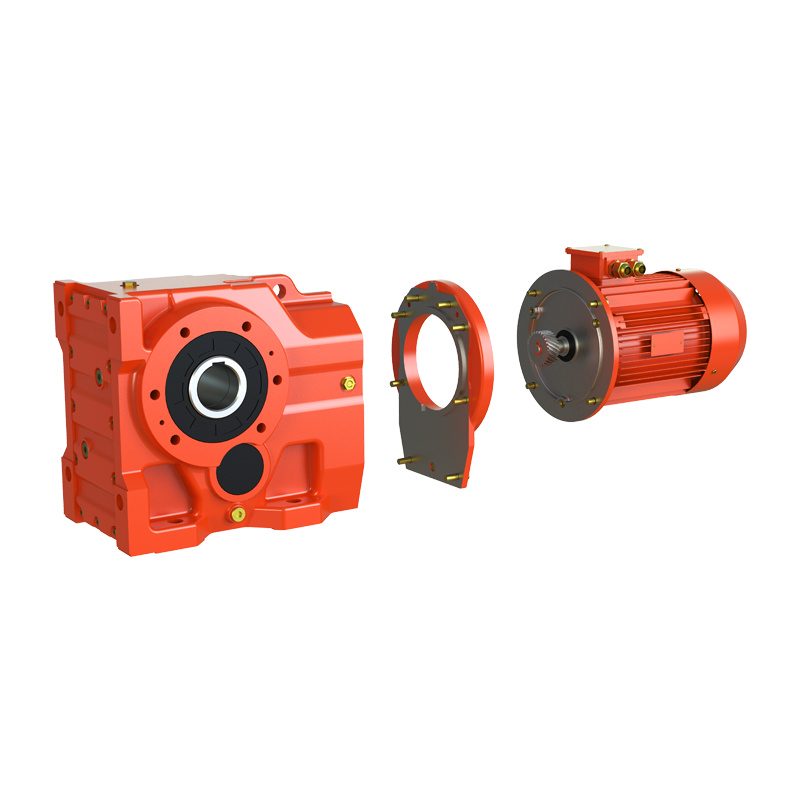
We also need to pay attention to the service factor, also known as the safety factor. The service factor is a key factor in gearbox selection. It combines the characteristics of the operating conditions and the driven machinery, ensuring the gearbox has sufficient margin in terms of rated mechanical and thermal energy. A service factor generally greater than 1 means the gearbox capacity should be greater than the motor capacity.
Load Conditions and Selection
Furthermore, the efficiency of a gearbox is also affected by the load conditions. The load conditions of the working machine connected to the gearbox are very complex, directly affecting the selection and calculation of the gearbox. Typically, we classify the load conditions of gearboxes into three categories to more accurately select and use them.
Uniform load condition;
Medium impact load condition;
Strong impact load condition.
When selecting the service factor for the speed reducer, the following general range can be used as a reference:
Different service factors can be selected based on the speed reducer's operating time. The following are preliminary suggestions based on the speed reducer's operating time:
Under uniform load conditions, select an appropriate service factor to ensure stable operation of the speed reducer. In this case, the middle value within the service factor range can be used as a reference.
When facing moderate impact loads, it is recommended to select a slightly higher service factor to cope with potential impact forces while ensuring the speed reducer's durability.
Under strong impact load conditions, a higher service factor should be selected to protect the speed reducer from impact damage. At the same time, the speed reducer's operating status must be closely monitored to ensure its safety and reliability.
 Hot News
2026-08-26
2026-08-18
2026-08-15
2026-08-11
2026-07-31
2026-07-29
Welcome to Wuma , a manufacturer committed to developing and manufacturing various types of gear reducers and gearmotors for the field of gear transmission.
No. 10, Xiangcun Industrial Zone, Dongyuan Town, Qingtian County, Lishui City, Zhejiang, China
Copyright © Zhejiang Wuma Drive Co., Ltd All Rights Reserved Privacy Policy Blog
 EN
EN