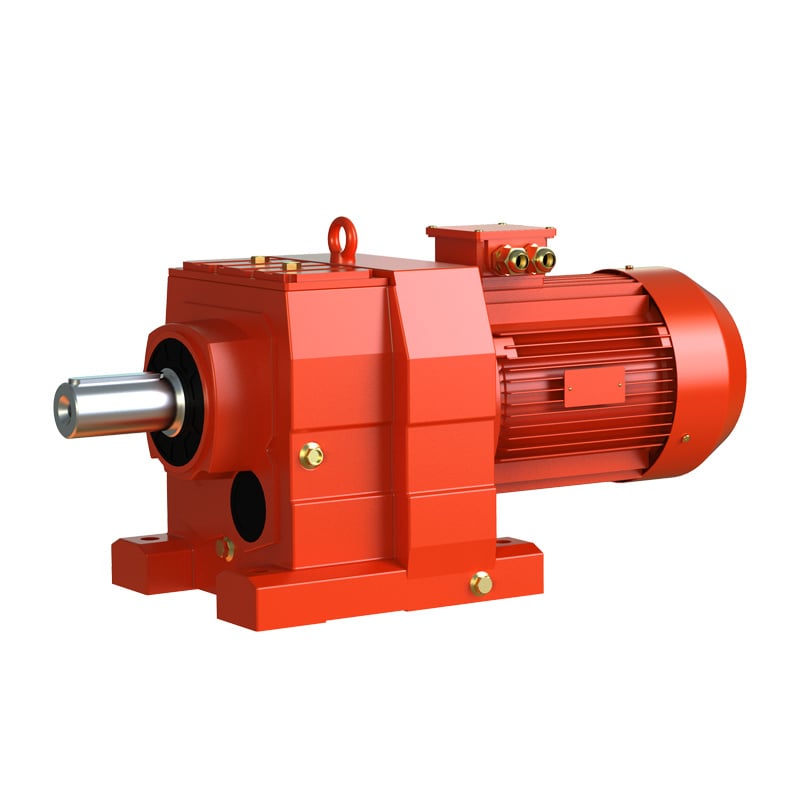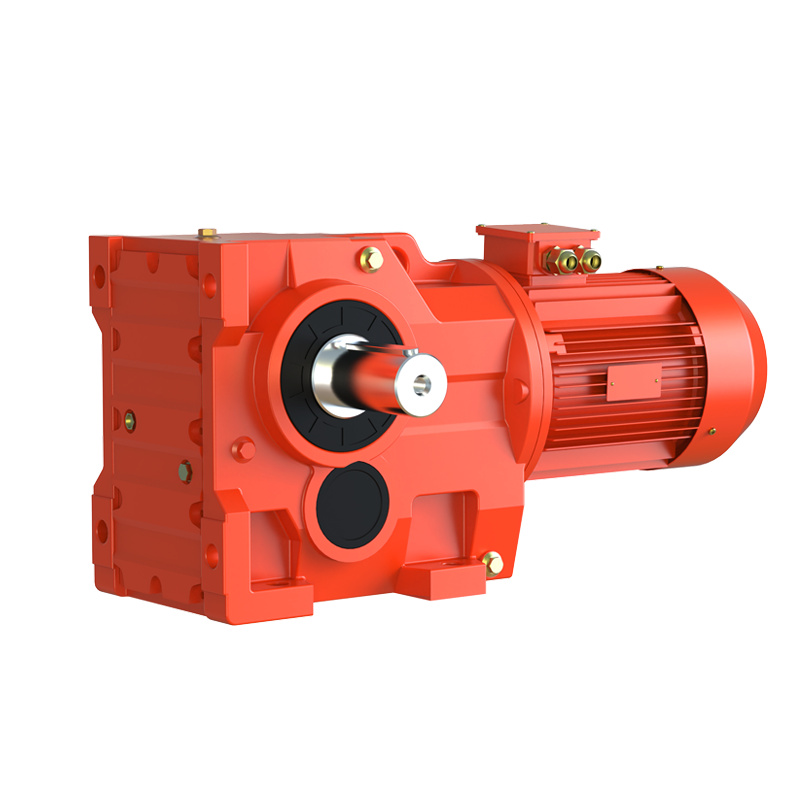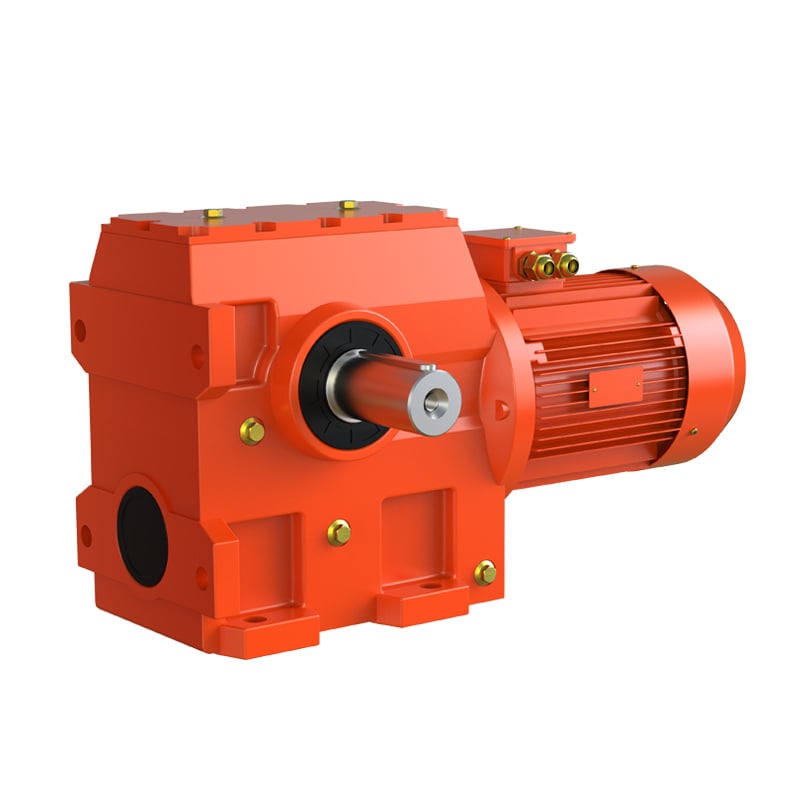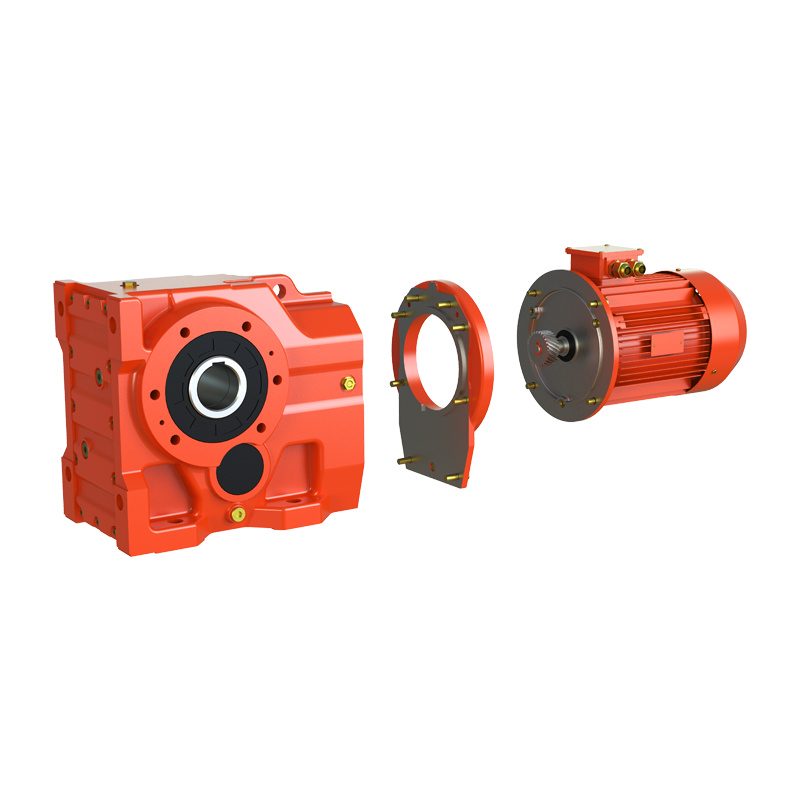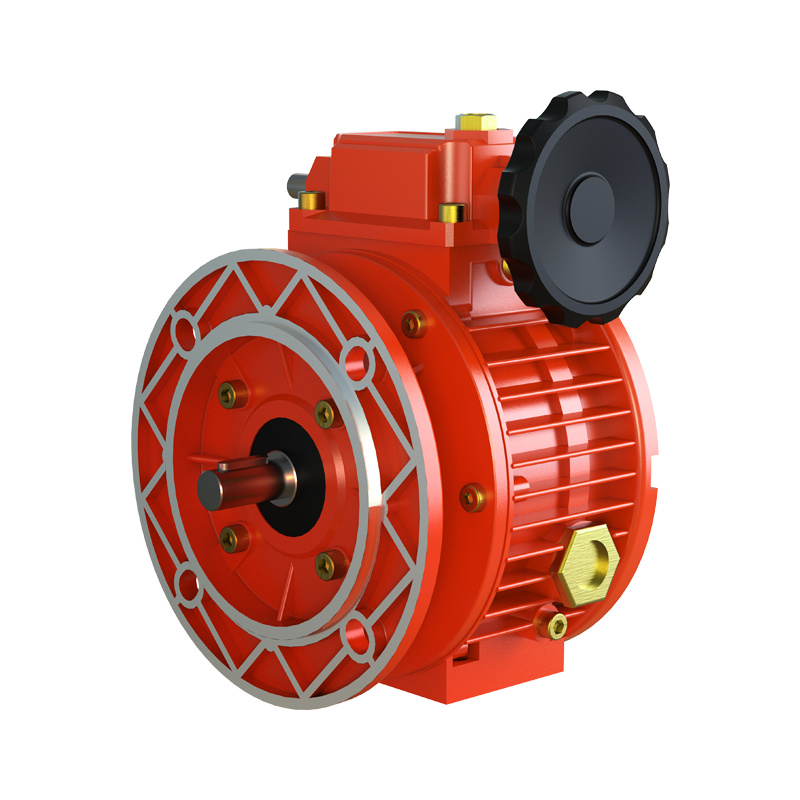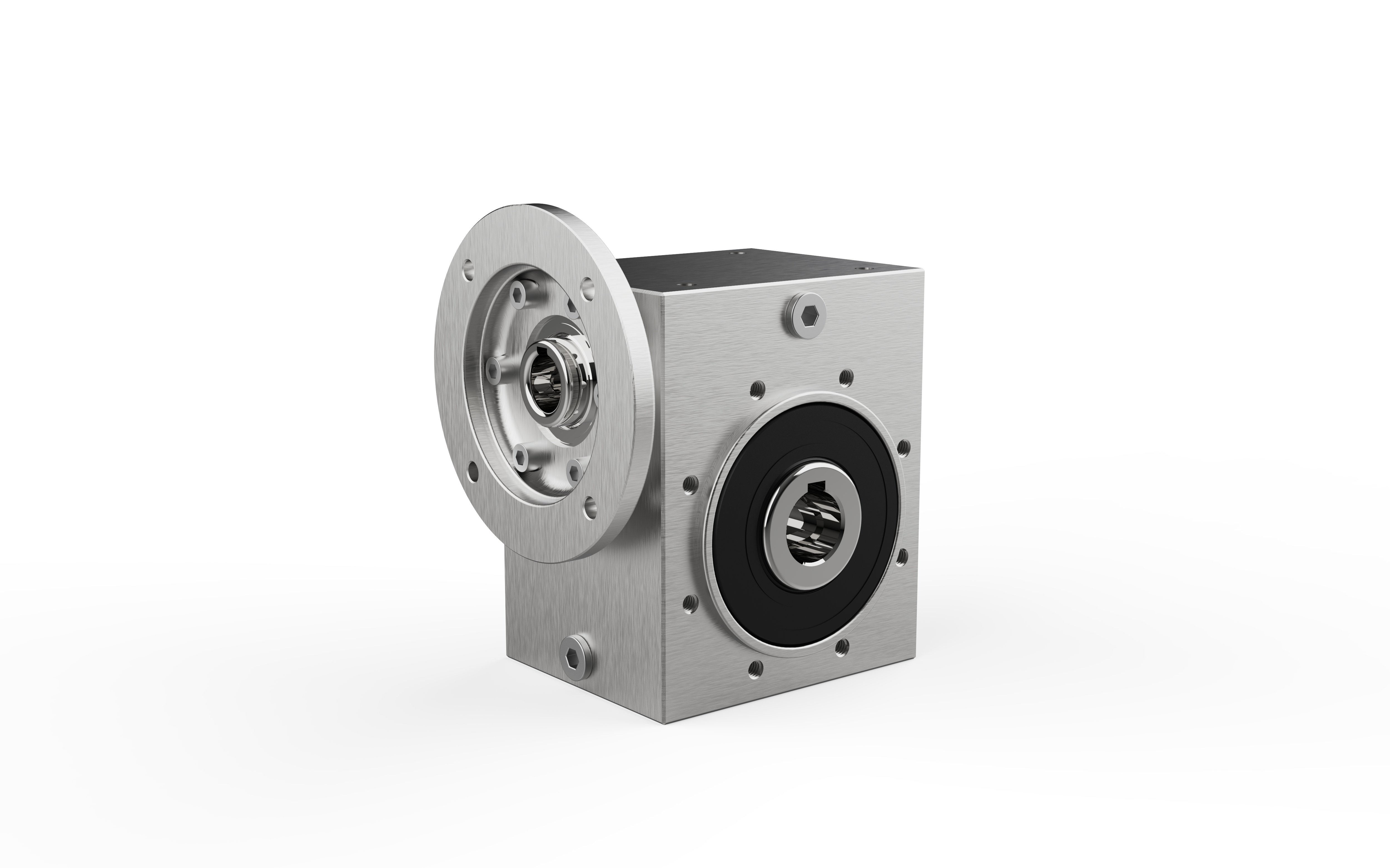

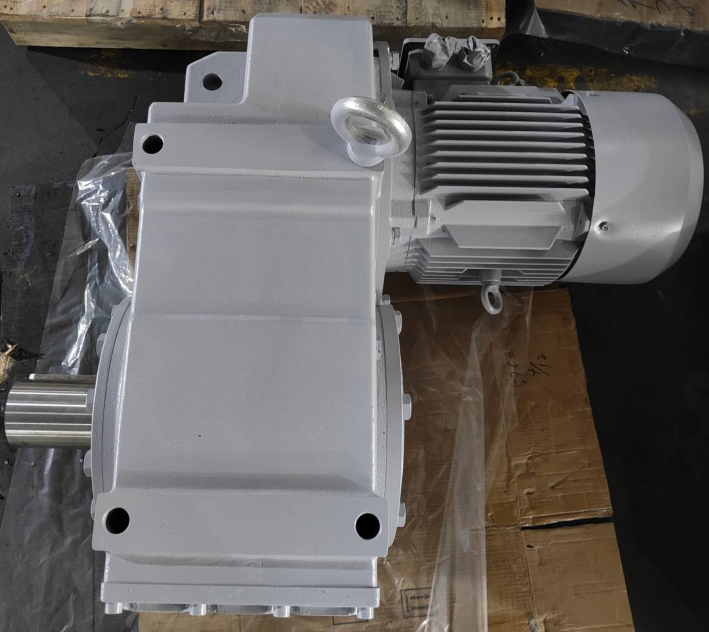
The first advantage of geared motors is the extreme simplification and saving of space. In traditional designs, the motor and reducer are two separate components that need to be connected via couplings or flanges. This not only requires space for installation and alignment but also often necessitates additional support bases. The entire transmission unit appears cumbersome and occupies valuable equipment space. Integrated geared motors completely eliminate intermediate connecting links, achieving a compact structural integration. Their axial dimensions are significantly shortened and the overall volume is reduced. This is crucial for applications where space is a critical constraint. For example, in densely packed automated production lines or compact medical or packaging equipment, this compact design allows for more sophisticated equipment structures and greater layout flexibility, directly enhancing the product's industrial design level and market competitiveness.
Following this space optimization is a significant simplification of the installation and commissioning process. The installation of traditional separate reducers and motors is a task requiring specialized skills and patience. It involves multiple steps, including separate leveling and fixing of the motor and reducer, precise shaft alignment calibration, and installation of couplings and safety guards. This process is time-consuming and labor-intensive, and the alignment accuracy directly affects the smoothness and lifespan of subsequent operation. Geared motors simplify this complex process to direct installation. Since the motor and reducer have undergone high-precision internal alignment and integration before leaving the factory, users only need to fix the entire integrated unit to the equipment base and connect the power supply. This greatly lowers the technical threshold for on-site installation, shortens the equipment assembly and commissioning cycle, and fundamentally avoids potential problems such as vibration, noise, and premature wear caused by poor on-site alignment.
At the core performance level, the integrated design of the geared motor achieves a substantial improvement in transmission stiffness and response speed. Internally, the motor output shaft and the reducer input are typically directly coupled via a high-strength rigid connection or a shared support bearing. This structure eliminates the torsional elasticity, backlash, and additional rotational inertia that couplings can introduce. The direct result is higher torsional stiffness and faster mechanical response throughout the drive train. For industrial robot joints or servo tracking systems requiring precise positioning, frequent starts and stops, or rapid dynamic responses, this translates to shorter settling times, higher positioning accuracy, and superior motion control performance. Simultaneously, shorter power transmission paths and fewer mechanical interfaces generally help reduce energy loss and improve overall transmission efficiency.
Furthermore, the integrated design of the geared motor also brings higher reliability, better sealing, and easier maintenance. As a pre-assembled and tested integrated unit, the compatibility and matching of its internal components have been optimally verified in the controlled environment of the WUMA factory, reducing the risk of failure due to on-site assembly errors. In terms of sealing, the integrated housing more effectively protects internal gears and bearings, preventing the intrusion of contaminants such as dust and cutting fluid, making it particularly suitable for harsh industrial environments. During maintenance, directly replacing or repairing an integrated unit is far faster than diagnosing and disassembling a system composed of multiple independent components.
In conclusion, the reason why geared motors have become an unstoppable trend is that they profoundly respond to the core demands of modern manufacturing for compact, modular, highly reliable, and easy-to-use equipment. They transform the transmission system from a project requiring precision assembly and debugging into a standard product that can be used immediately and has guaranteed performance. This not only significantly reduces the overall cost for equipment manufacturers and end-users but also lays a solid hardware foundation for achieving higher-precision automation and intelligent applications. In the future, with the continuous deepening of intelligent manufacturing and flexible production, this simplified, integrated design philosophy will undoubtedly continue to lead the evolution of power transmission technology.
 Hot News
2026-08-26
2026-08-18
2026-08-15
2026-08-11
2026-07-31
2026-07-29
Welcome to Wuma , a manufacturer committed to developing and manufacturing various types of gear reducers and gearmotors for the field of gear transmission.
No. 10, Xiangcun Industrial Zone, Dongyuan Town, Qingtian County, Lishui City, Zhejiang, China
Copyright © Zhejiang Wuma Drive Co., Ltd All Rights Reserved Privacy Policy Blog
 EN
EN