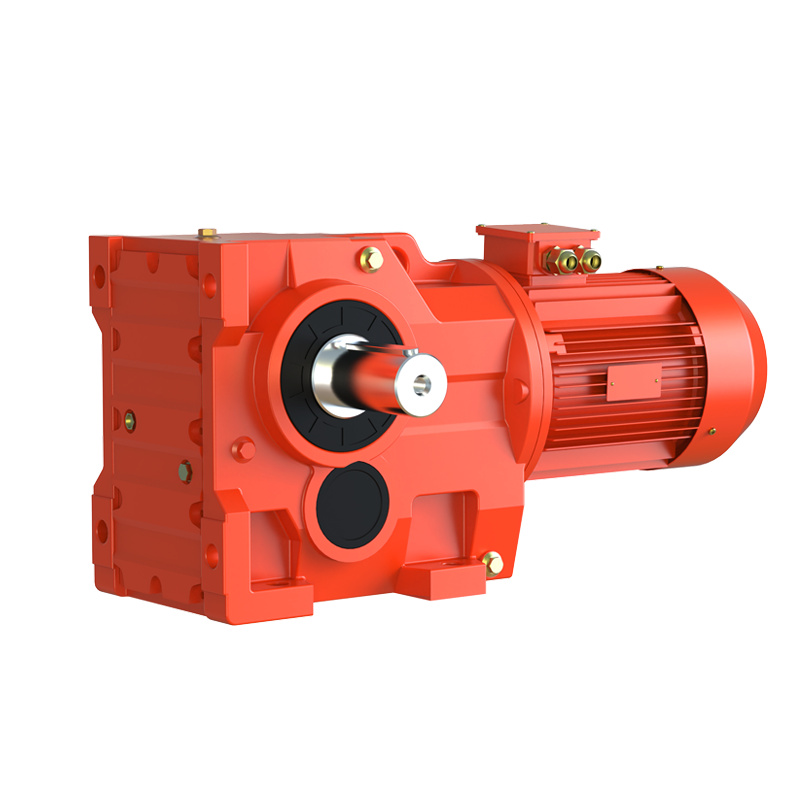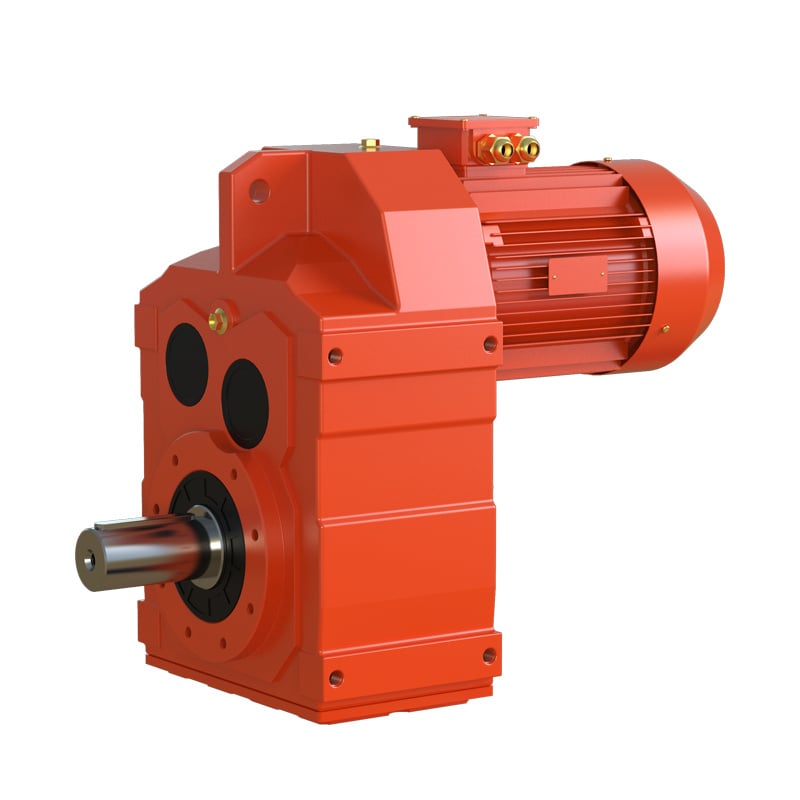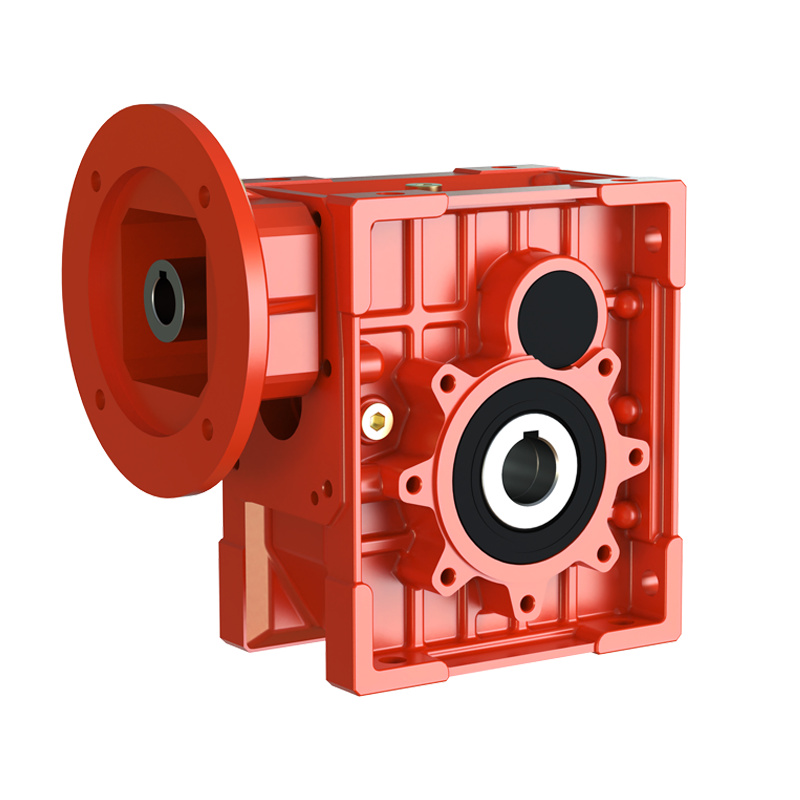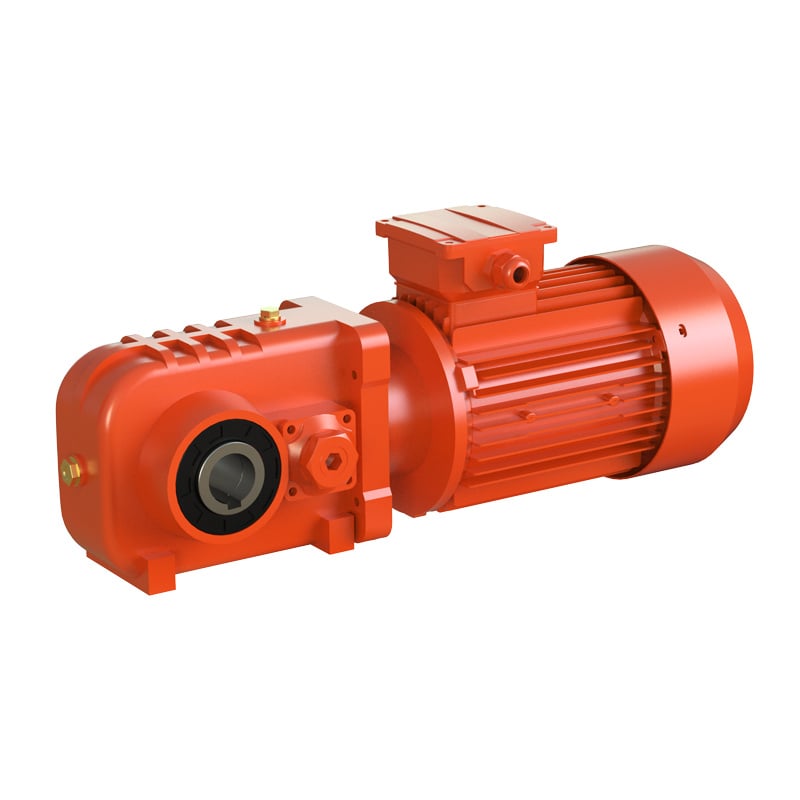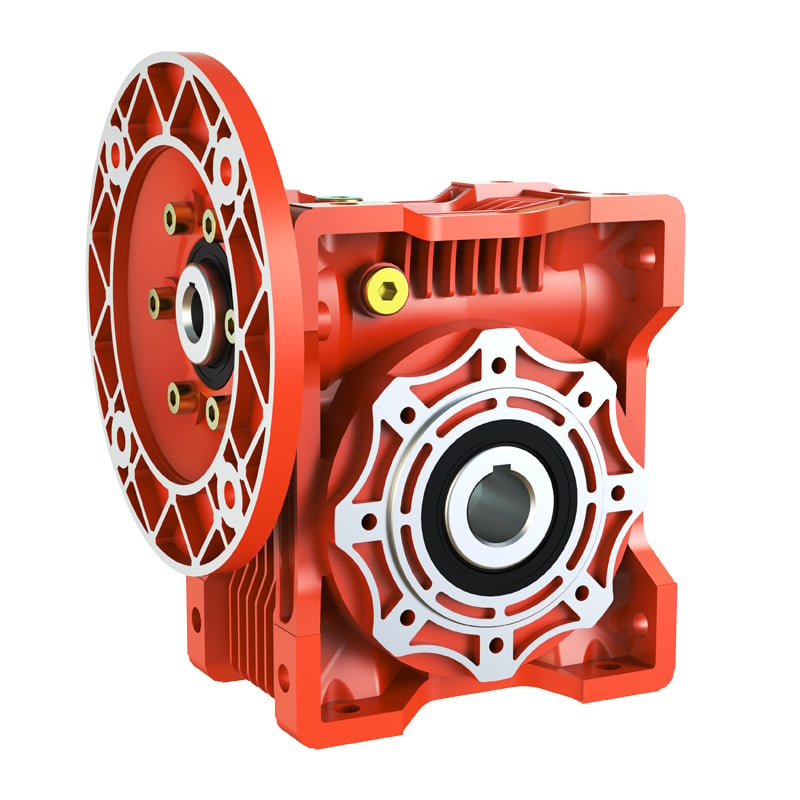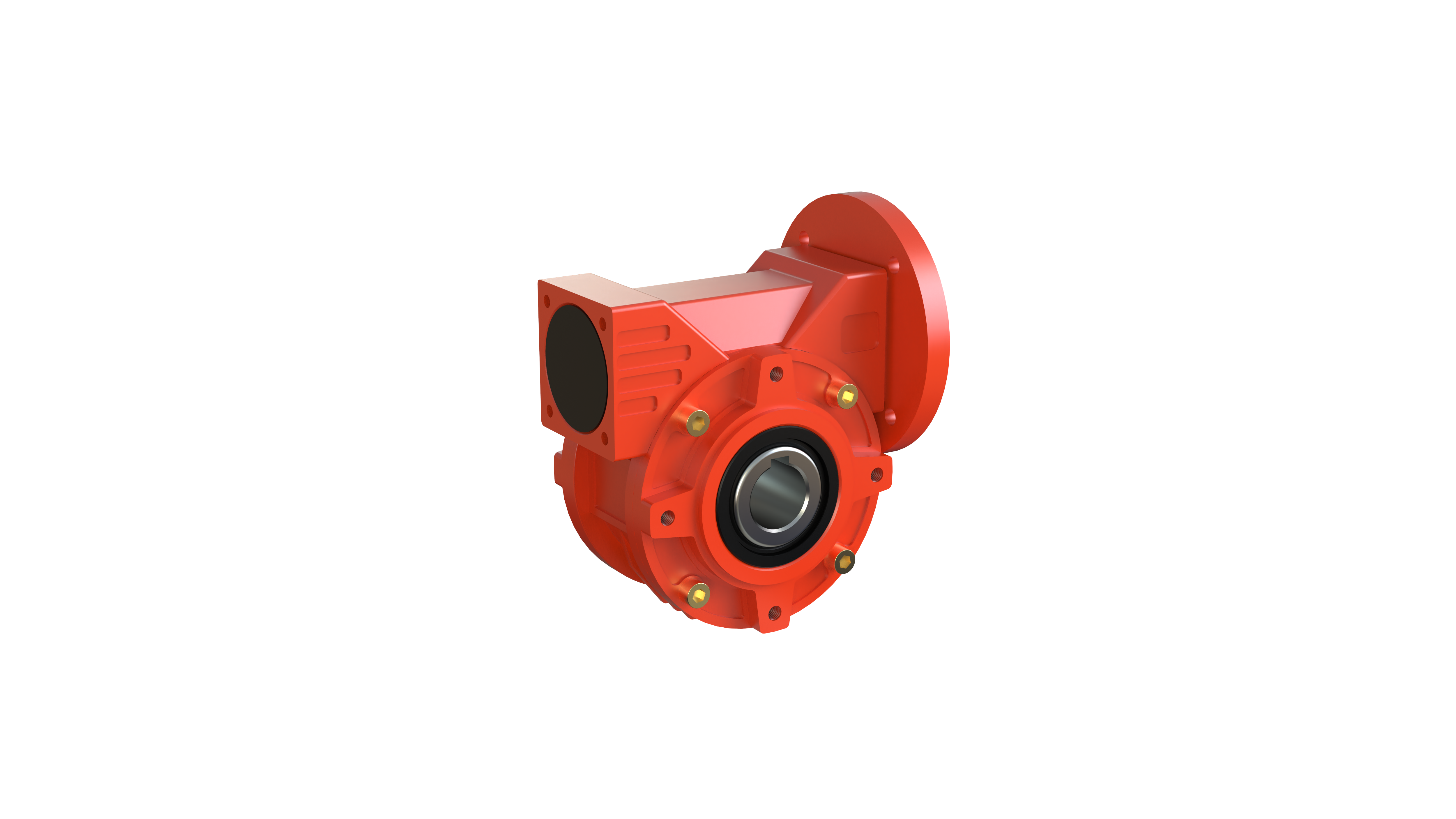

Let's be real, gearboxes rarely just die suddenly. Before a total breakdown, they usually send out distress signals - like a person feeling unwell. The problem is, we often miss these signs in a noisy factory.
Here are the top 5 warning signs your gearbox is crying for help. Spot them early, and you can switch from fixing breakdowns to preventing them. No more surprise shutdowns.
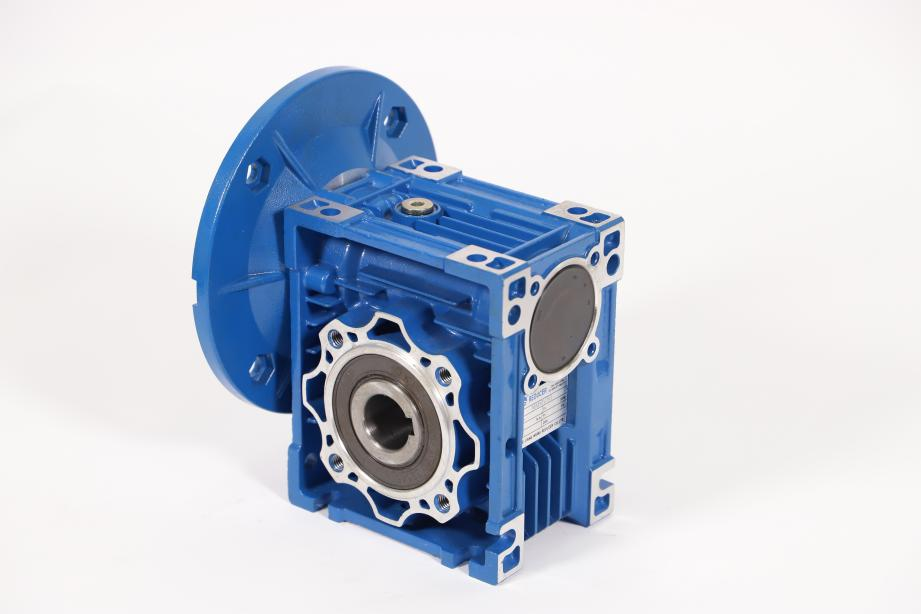
A healthy gearbox has a steady, smooth hum. When the sound changes, listen up.
•High-pitched squealing or screeching: Classic sign of bearing wear or serious lack of lube. Metal grinding without enough oil screams.
•Low, rumbling growl: Could mean gear teeth are pitted or worn. The power transmission isn't smooth anymore.
•Regular "clunking" or metal banging: Big red flag! This often means a tooth has broken off. Pieces are rattling around inside. Stop the machine now.
What to do: Take 30 seconds each day to just listen when starting up or doing rounds. A long screwdriver can help - press the handle against the housing and put your ear to the other end. It acts like a stethoscope.
Gearboxes get warm, but the housing should feel just hot to the touch, not scorching. If it's too hot to keep your hand on or you see heat haze, it's running a fever.
Why?
•Lube issues: Oil level too low, oil is old, or you're using the wrong type.
•Overload: Pushing it beyond its limit creates massive friction.
•Internal damage: Bad bearings or gears meshing poorly create extra heat.
What to do: Get a simple infrared thermometer. Regularly check temps at bearing spots and the housing. Write them down to know what's "normal" for your machine. Any steady rise is a warning.
Oil is the gearbox's lifeblood. Leaks mean more than just a mess; they lead to failure.
•Seepage when stopped: Oil around seals means they're old and cracked.
•Leaking when running: Could be bad seals or a blocked breather, causing pressure buildup inside.
•Check the oil itself: Look through the sight glass or take a sample. Is it black and sludgy? (Too much dirt.) Milky white? (Water got in.) See metal bits? Change the oil immediately and find out why.
What to do: Keep the housing clean so leaks are easy to spot. Make oil checks part of your routine. Don't wait until it's all gone.
Some vibration is normal. But if you feel strong shaking through your hand, something's out of balance.
Common culprits:
•Misalignment: The gearbox isn't lined up right with the motor or driven machine. This is a huge cause.
•Loose bolts: Foundation or mounting bolts aren't tight.
•Internal damage: Worn bearings, damaged gears, or a bent shaft throw things off balance.
What to do: Feel the housing when it's off. Then feel the same spot when it's running. Notice a big difference? For a better check, use a vibration meter to track changes over time.
This one's obvious but easy to blame on other things. Often, the gearbox itself is the cause.
What you'll see:
•Machine speed isn't steady.
•The motor draws more power (amps) for the same job because the gearbox is inefficient.
•Positioning gets sloppy or it "creeps."
What to do: Watch your process data. If you've ruled out electrical and load issues, loss of performance likely comes from wear inside the gearbox.
Spotting signs is step one. Acting on them is key. Here's an easy plan for your important gearboxes:
•Daily: Listen for noise, feel for heat, look for leaks. (3 minutes)
•Monthly: Write down temperature and vibration readings. Check oil level and color.
•Quarterly/Yearly: Get a pro (or use in-house experts) for alignment checks or oil analysis.
 Hot News
2026-08-26
2026-08-18
2026-08-15
2026-08-11
2026-07-31
2026-07-29
Welcome to Wuma , a manufacturer committed to developing and manufacturing various types of gear reducers and gearmotors for the field of gear transmission.
No. 10, Xiangcun Industrial Zone, Dongyuan Town, Qingtian County, Lishui City, Zhejiang, China
Copyright © Zhejiang Wuma Drive Co., Ltd All Rights Reserved Privacy Policy Blog
 EN
EN