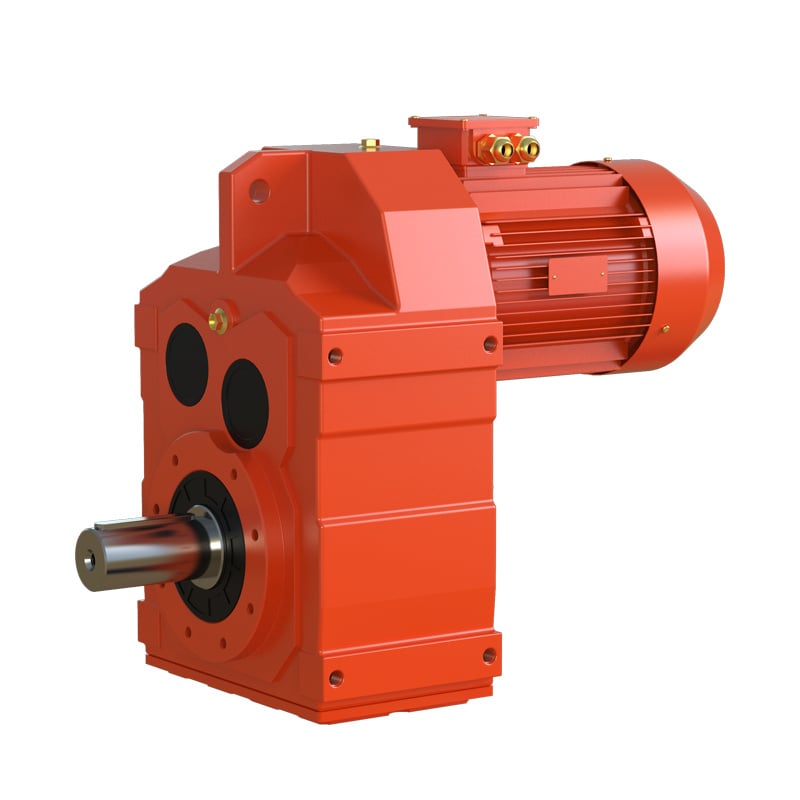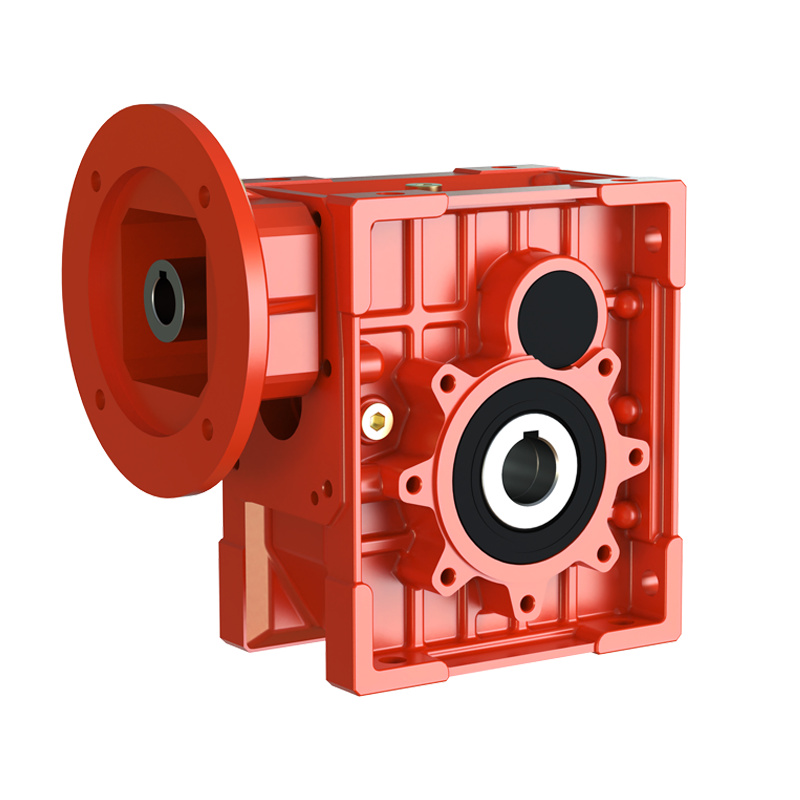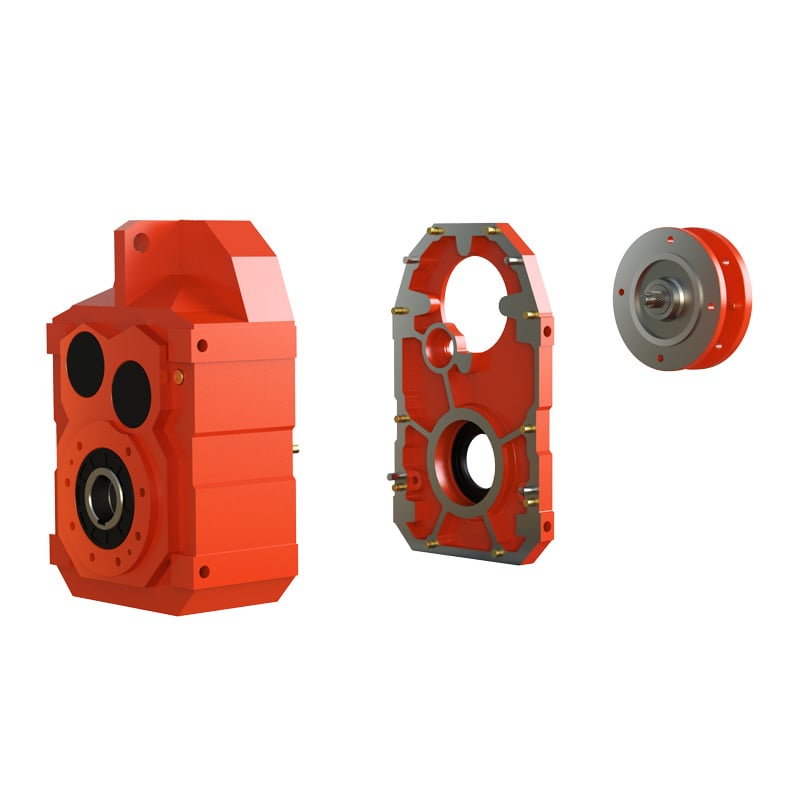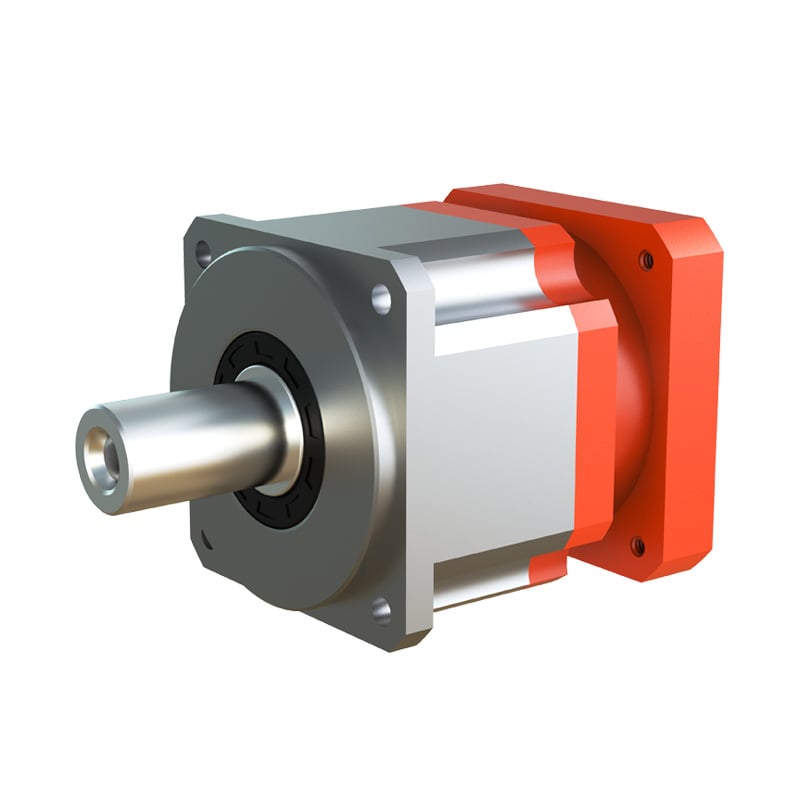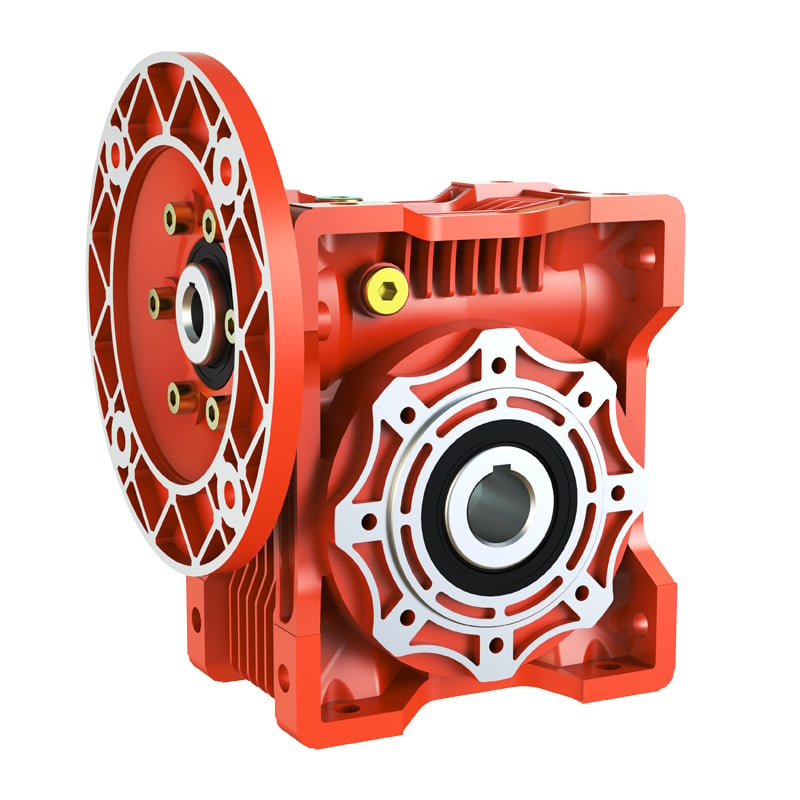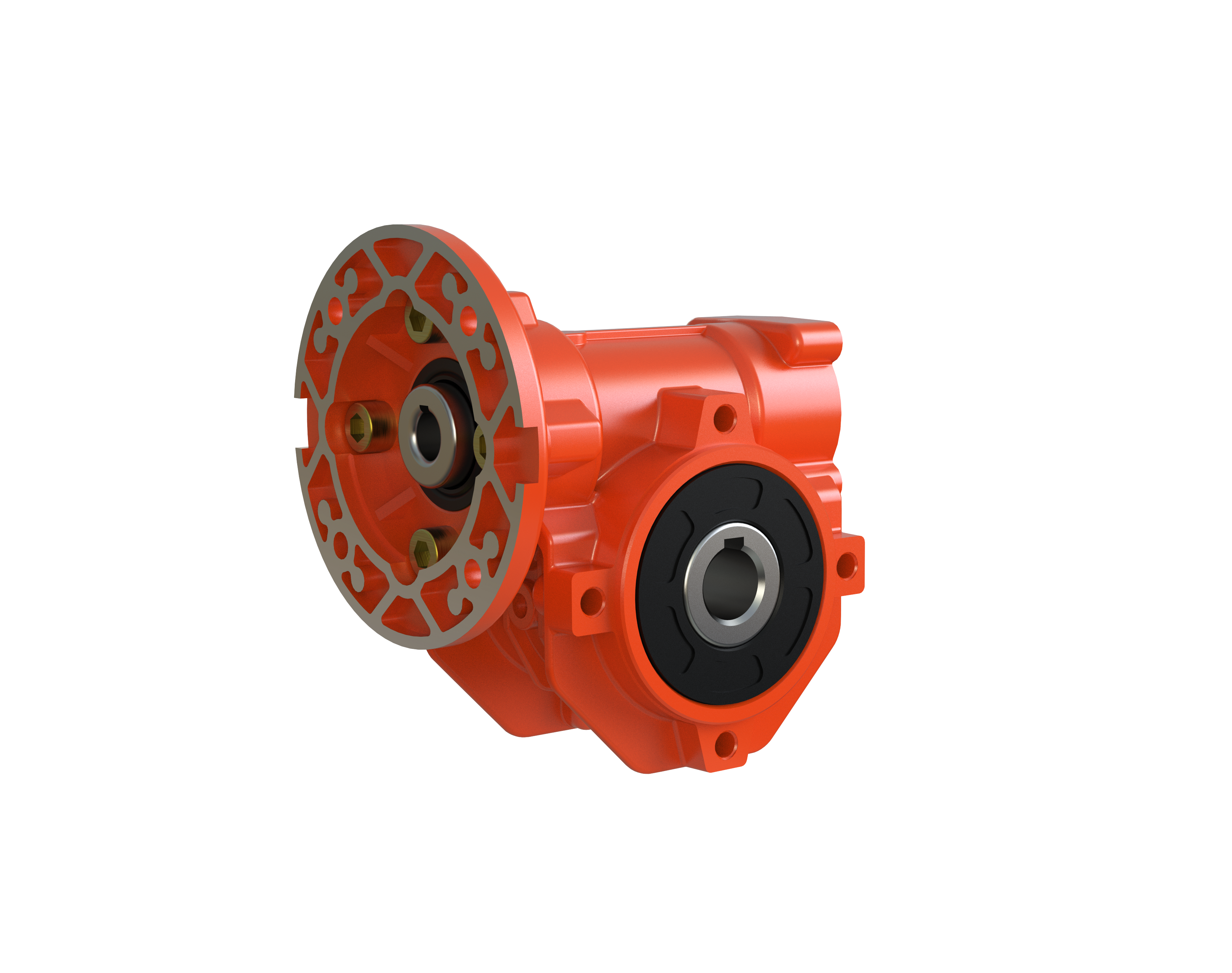

In the design and manufacture of gear transmission systems, backlash is a crucial engineering parameter. It refers to the minute gap between the tooth profiles of meshing gears. Whether it's a planetary gear reducer, a worm gear reducer, or a parallel gear reducer, all types of gear transmission devices require appropriate backlash settings based on actual application conditions. This article will systematically analyze the five core reasons for gear backlash and discuss its specific impact on different types of reducers.
1.The physical inevitability of thermal expansion: the influence of materials and temperature
During gear operation, friction and load generate heat, causing thermal expansion of the gears and housing. Different materials have different coefficients of thermal expansion; for example, the expansion rates of aluminum alloy housings and steel gears differ significantly. Therefore, dimensional changes must be considered during the design phase.
1.1 Expansion response under high temperature conditions
In high-temperature industrial environments or continuous operation scenarios, the temperature of servo gear reducers or electric motor gear reducers may rise significantly. If a zero-backlash design is adopted, the gears, after thermal expansion, will completely lose their operating space, leading to direct compression of the tooth surfaces, a sharp increase in friction, and ultimately causing jamming or even damage to the tooth surfaces. Therefore, backlash is a physical necessity to cope with thermal expansion.
2.The necessary condition for lubrication: the space required for oil film formation
The lubricating oil film between gear surfaces plays a significant role in isolating direct metal-to-metal contact and reducing wear and noise. Side clearance provides the necessary space for lubricating oil to enter the meshing area and form a sufficiently thick hydrodynamic oil film.
2.1 Lubrication requirements of different speed reducers
Right-angle gear reducers and bevel gear reducers have complex lubrication paths due to the intersecting gear axes, requiring the use of the small space created by the backlash to guide the lubricating oil to distribute across the entire tooth surface. Shaft-mounted gear reducers are typically used in dusty environments, and their sealing design and backlash must be considered in conjunction to prevent oil leakage while ensuring adequate internal lubrication.
3.Engineering requirements for assembly and maintenance: operability and service life
Gear systems require on-site assembly, regular inspection, and maintenance. Zero backlash design makes assembly extremely difficult, sometimes requiring specialized tools and a precisely temperature-controlled assembly environment, significantly increasing installation and maintenance costs.
3.1 Practical considerations for assembly processes
For shaft-mounted gear reducers or small gear reducers, installation space is usually limited, and the relative positions of the gears may need to be adjusted during assembly. Reasonable backlash allows the gears to "float" slightly, facilitating alignment and installation under field conditions without requiring extremely high assembly precision.
3.2 Convenience of maintenance and relubrication
Gear systems may require disassembly for inspection, gear replacement, or lubrication replenishment during their service life. The presence of backlash makes disassembly and reassembly more feasible. For example, when maintaining worm gear reducers or bevel gear reducers, technicians can more easily separate the meshing parts for inspection or replacement without damaging the tooth surfaces due to overtightening.
4.Specific considerations for backlash in different types of reducers
4.1 Worm gear reducer
Due to their sliding meshing characteristics, worm gear reducers generate a significant amount of heat during operation, and the worm shaft is prone to bending deformation. Their backlash is typically greater than other types of reducers to simultaneously accommodate thermal expansion, lubrication requirements, and elastic deformation. In right-angle worm gear reducers used for spatial steering transmissions, the torsional deformation of the housing under load must also be considered in relation to backlash reduction.
4.2 parallel gear reducer and inline gear reducer
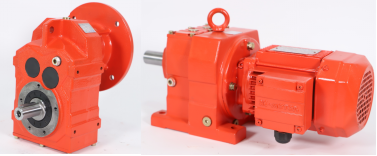
Parallel gear reducers and inline gear reducers have parallel gear shafts, making them relatively simple to manufacture and assemble. Their backlash primarily considers temperature rise, load deformation, and lubrication requirements. In variable speed gear reducer applications, the backlash must also match the dynamic characteristics of the speed-changing mechanism to avoid impacts or vibrations.
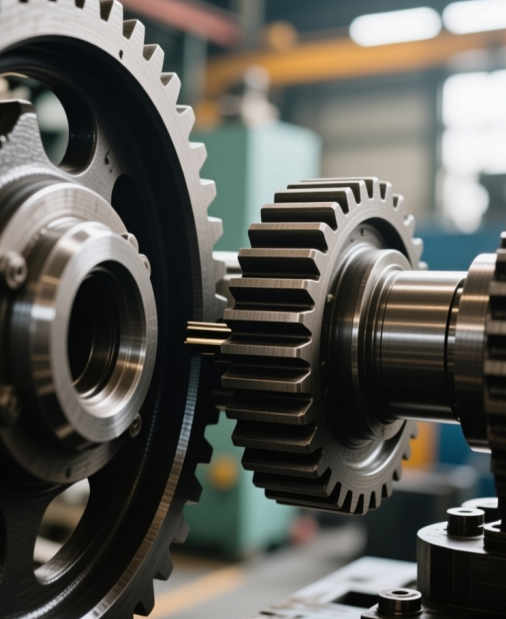
Side clearance is the art of systems engineering
The setting of gear backlash is not an isolated parameter, but a comprehensive reflection of materials science, thermodynamics, fluid mechanics, mechanical manufacturing, and applied engineering. From worm gear reducers to planetary gear reducers, from right-angle gear reducers to shaft-mounted gear reducers, each type of reducer requires a customized backlash value based on its specific working environment, load characteristics, accuracy requirements, and service life.
 Hot News
2026-08-26
2026-08-18
2026-08-15
2026-08-11
2026-07-31
2026-07-29
Welcome to Wuma , a manufacturer committed to developing and manufacturing various types of gear reducers and gearmotors for the field of gear transmission.
No. 10, Xiangcun Industrial Zone, Dongyuan Town, Qingtian County, Lishui City, Zhejiang, China
Copyright © Zhejiang Wuma Drive Co., Ltd All Rights Reserved Privacy Policy Blog
 EN
EN