
The advantages and disadvantages of lubricating oil
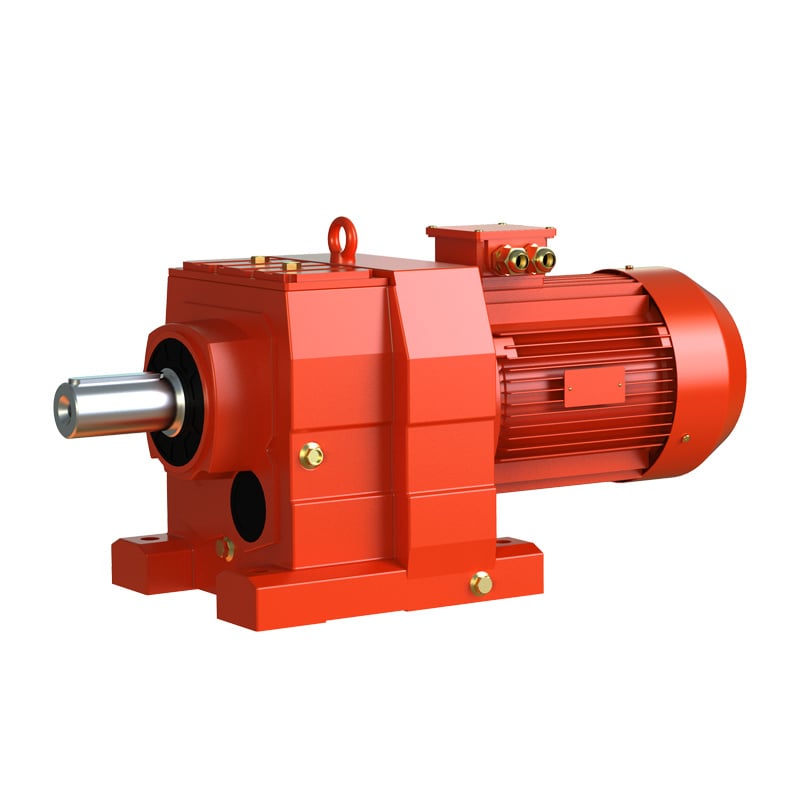
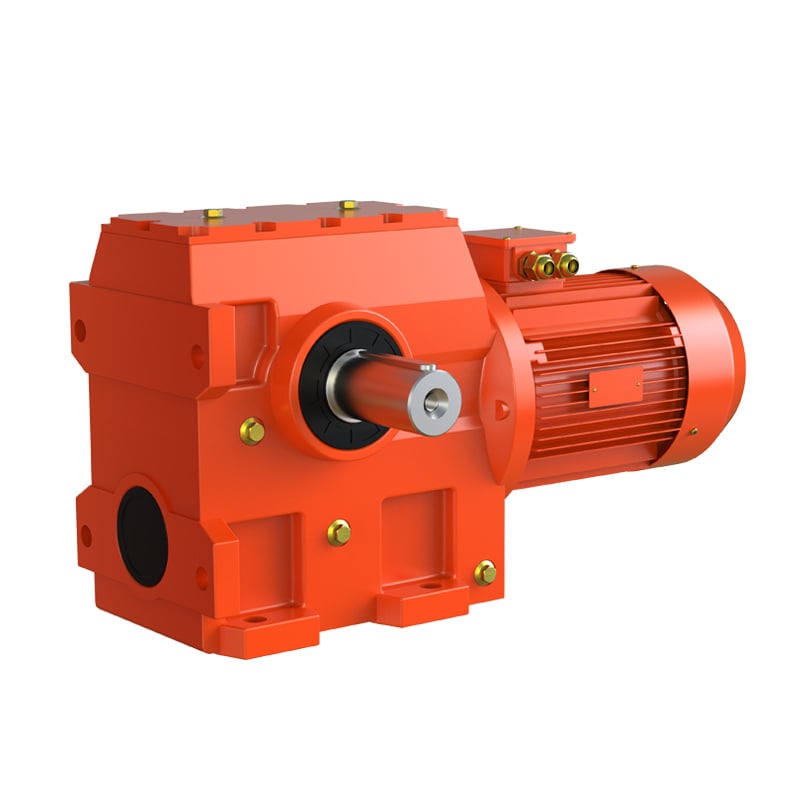
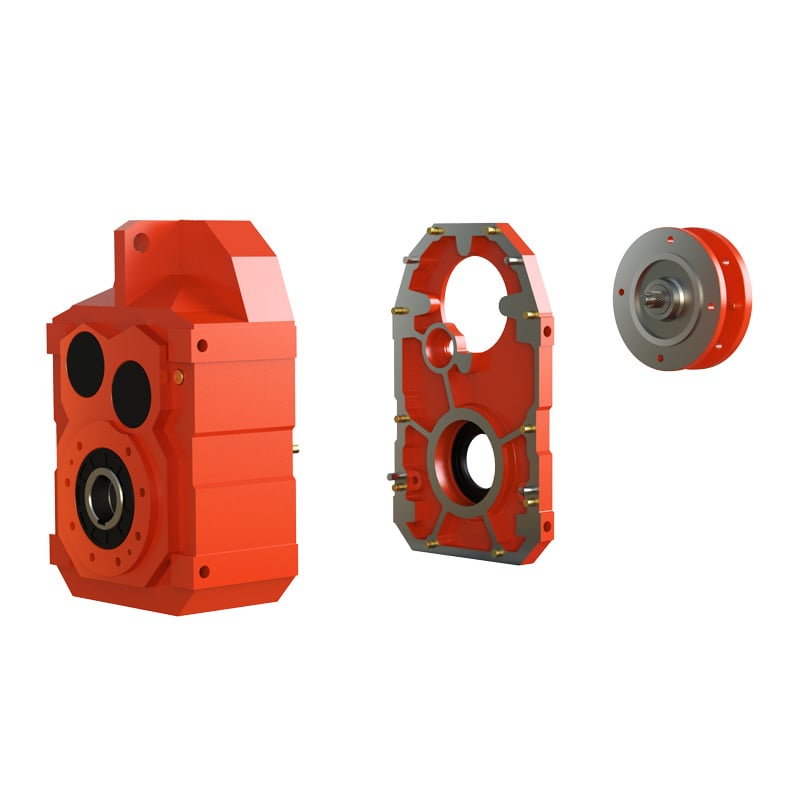
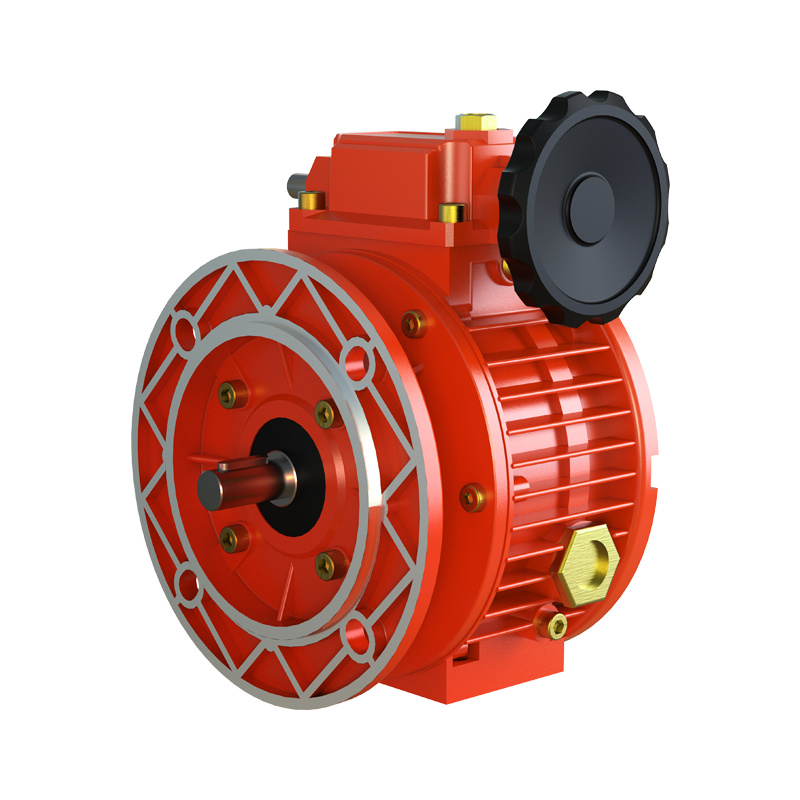
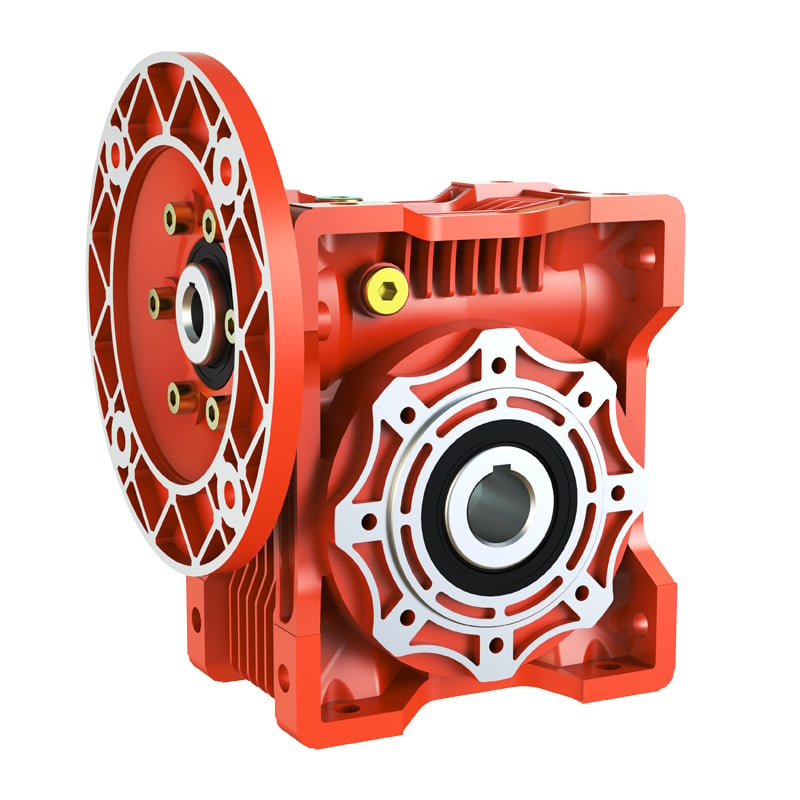
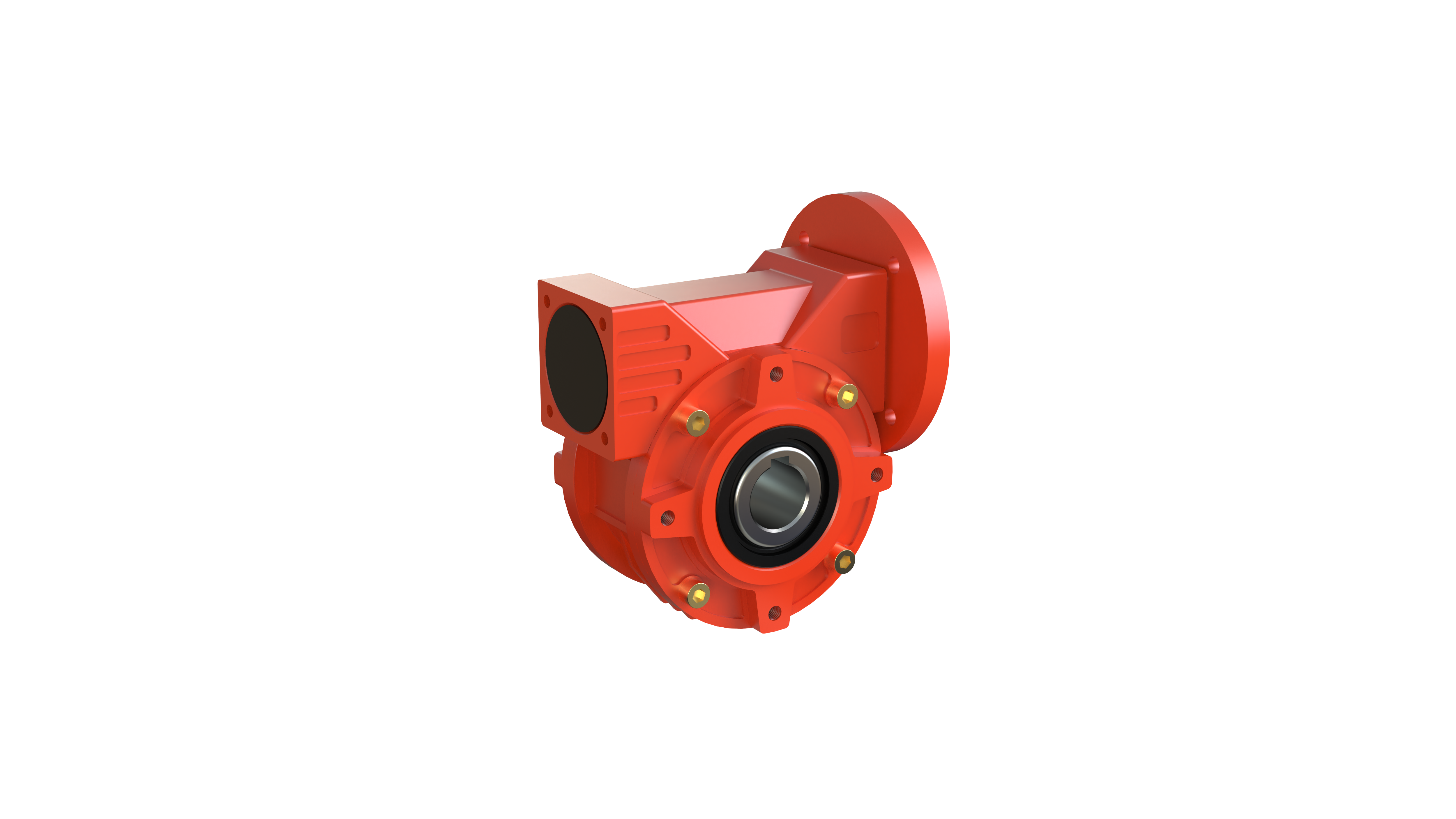
Lubricating oil, with its core characteristic of fluidity, plays a role in circulating and nourishing the inside of the speed reducer.
Its advantages are significant. First, its superior heat dissipation capacity is the most prominent advantage of lubricating oil. In high-speed or heavy-load gearboxes, gear meshing and bearing friction generate a large amount of heat. Circulating oil not only rapidly removes heat from the source but also effectively dissipates it through the gearbox surface or cooler, acting like a "circulating cooling system" for the gearbox. This is crucial for preventing equipment from becoming inaccurate or damaged due to overheating. Second, it possesses excellent cleaning and flushing capabilities. The flowing oil continuously flushes the gear surfaces and bearings, carrying tiny metal particles, dust, and other contaminants generated by wear to the bottom of the oil tank or filter, maintaining the relative cleanliness of the friction surfaces. Furthermore, for complex and precise gear systems (such as some large high-speed gearboxes), the lubricating oil, through pressure circulation, ensures reliable lubrication to every remote and critical lubrication point, achieving comprehensive coverage.
However, the drawbacks of lubricating oil cannot be ignored. Its sealing requirements are extremely high. To achieve circulation, the reducer must be designed and manufactured with complex and reliable sealing systems (such as shaft seals and mating surface seals) to prevent oil leakage. Once the seals fail, not only will lubricant be wasted and the environment polluted, but the equipment may also be instantly damaged due to lack of oil. At the same time, maintaining its circulation system (oil pump, pipelines, cooler, filter) requires higher initial investment and daily maintenance costs. The system also has potential points of failure; for example, oil pump failure or filter blockage can trigger a chain reaction of problems. Under extreme operating conditions, such as on equipment with unusual installation angles or violent shaking, ensuring stable oil coverage of all lubrication points also becomes a challenge.
The gains and losses of grease
Grease is essentially a semi-solid product formed by dispersing a thickener in lubricating oil, and its properties are in stark contrast to those of lubricating oil.
Its advantages lie in its strong adhesion and sealing properties. The paste-like grease adheres firmly to the surfaces of gears and bearings, resisting detachment, making it particularly suitable for vertically mounted, open, or semi-enclosed reduction gears. It acts as a physical barrier, effectively preventing the intrusion of external dust and moisture while preventing internal grease loss, simplifying the gearbox sealing structure. Secondly, the maintenance system for gearboxes using grease is extremely simplified. Typically, complex circulating oil supply devices are unnecessary; initial filling or periodic replenishment suffices, resulting in a compact structure, convenient maintenance, and a more cost-effective initial setup. Under low-speed, heavy-load, or intermittent operating conditions, the grease's long-term retention characteristics ensure that friction surfaces remain protected during downtime.
The limitations of grease also stem from its solid state. The primary problem is its poor heat dissipation. It has almost no active cooling capacity, and heat generated by friction tends to accumulate locally, making it unsuitable for high-speed or continuous high-temperature operation. Secondly, its cleaning ability is weak. It cannot remove wear products, and contaminants remain on the friction surfaces, potentially exacerbating wear. Finally, replenishing and replacing grease is relatively difficult. Old grease is difficult to completely remove, and adding new grease may result in uneven mixing and increased contamination. Achieving uniform distribution in complex gearboxes requiring comprehensive lubrication is a significant challenge.
The Path to Choice: Beyond a Simple List of Advantages and Disadvantages
In practical applications, choosing between lubricating oil and lubricating grease is not simply a matter of comparing tables and scoring, but rather a deep dialogue with the specific working conditions.
Speed and temperature are the decisive factors. Generally speaking, for high-speed (gear pitch circle speed higher than 2.5 m/s), continuously operating gearboxes that generate a lot of heat, the cooling advantage of lubricating oil is irreplaceable. Conversely, for low-speed, medium-low-speed, or intermittently operating equipment with low heat dissipation pressure, the simplification advantage of lubricating grease can be fully utilized.
The equipment structure and operating environment point to the answer. Vertical screw reducers, open gear pairs, and small to medium-sized gearboxes with rolling bearings are often the "home turf" for grease. In harsh environments (dusty, humid) and where sealing is difficult, the barrier function of grease is preferred. Conversely, horizontal gear reducers with complex structures and high power, especially those with large center distances, are almost exclusively used in lubricating oil circulation systems.
Maintenance philosophy and cost considerations guide decision-making. For scenarios requiring extremely low maintenance frequency and simplified system complexity, grease is preferable. However, for those emphasizing long-term operational stability, possessing a professional maintenance team and resources, and able to withstand higher initial investments, oil-based lubrication systems are more suitable.
Modern lubrication technology is blurring the lines between the two. High-performance greases have significantly improved temperature resistance and extreme pressure properties, expanding their application range. Meanwhile, lubricating oils have been developed with higher viscosity and special additives to enhance adhesion. Furthermore, some innovative designs attempt to achieve a complementary advantage between oils and greases in specific equipment.
The conclusion is that there is no absolutely optimal solution for choosing a gearbox lubricant; there is only the balance point that best suits the specific situation. It is an art of trade-offs, a precise roadmap drawn by engineers between the desire for efficiency, cost constraints, reliability requirements, and maintenance realities. Understanding the respective "personalities" of oils and greases, and respecting the "temperament" of equipment operation, is crucial to finding the key to ensuring the sustained and steady beating of the machine's pulse in this silent dialogue between "liquid" and "solid." Every correct lubrication is a solemn commitment to the machine's life.
 Hot News
2026-08-26
2026-08-18
2026-08-15
2026-08-11
2026-07-31
2026-07-29
Welcome to Wuma , a manufacturer committed to developing and manufacturing various types of gear reducers and gearmotors for the field of gear transmission.
No. 10, Xiangcun Industrial Zone, Dongyuan Town, Qingtian County, Lishui City, Zhejiang, China
Copyright © Zhejiang Wuma Drive Co., Ltd All Rights Reserved Privacy Policy Blog
 EN
EN