
I. Insufficient Lubricating Oil (Lack of Lubricating Oil/Low Oil Level)
This is a more serious and alarming situation, directly causing rapid wear and damage to the equipment.
Poor Lubrication and Rapid Wear:
Consequences: Gears, bearings, and other moving parts cannot form a complete lubricating oil film, leading to direct dry friction or boundary friction between metal surfaces.
Symptoms: Significantly increased operating noise and vibration, and a sharp rise in temperature.
Results: Gear tooth surface scoring, adhesion (welding), bearing burnout, causing irreversible permanent damage in a short period.
Heat Dissipation Failure:
Consequences: One of the important functions of lubricating oil is to remove the heat generated by meshing friction. Insufficient oil level drastically reduces the circulating heat dissipation capacity.
Symptoms: The speed reducer housing becomes abnormally hot, far exceeding the normal operating temperature (normally the temperature rise should not exceed 40℃ or the oil temperature should not exceed 85℃).
Results: Accelerated oxidation and deterioration of the lubricating oil, resulting in loss of lubricating properties; simultaneously, high temperatures cause annealing of metal materials, reducing their strength.
Rust and Pitting:
Consequences: Internal air moisture condenses, or external moisture intrudes, and cannot be effectively isolated by a sufficient oil film.
Result: Rust forms on gear and bearing surfaces. For heavy-duty gears, insufficient oil film can also cause fatigue pitting under contact stress, forming small, pitted pits.
Loss of Cleaning Function: Insufficient oil level carries metal particles generated by wear to the filter screen or the bottom of the oil sump for settling, leading to accelerated abrasive wear and a vicious cycle.
In short: Running with insufficient oil is like an "acute myocardial infarction" for the gearbox, quickly leading to the failure of core components.
II. Excessive Lubricating Oil (High Oil Level)
Agitation Loss and Temperature Increase:
Consequences: Rotating parts such as gears or bearings are excessively immersed in the oil sump, generating severe agitation resistance.
Symptoms: Increased motor current and energy consumption; extra work is converted into heat, causing abnormally high oil temperature.
Result: Decreased efficiency, which also accelerates oil oxidation.
Pressure Accumulation and Oil Leakage:
Consequences: Excessive oil fills the internal space, causing violent agitation of oil and air during gearbox operation, significantly increasing pressure within the gearbox.
Phenomenon: This is one of the most common causes of oil leakage. High pressure forces lubricating oil out from the weakest points such as oil seals, mating surfaces, and vent caps, causing seepage and dripping, polluting the environment and wasting oil.
Result: Seals subjected to prolonged high pressure accelerate aging and failure.
Foaming and Lubrication Failure:
Consequences: Vigorous agitation introduces a large amount of air into the oil, forming foam.
Result: Foam has extremely poor lubricity and thermal conductivity, leading to further lubrication failure and potentially causing air lock in the oil pump (for forced lubrication systems).
Increased Seal Burden: Excessive static pressure can deform the lip of the oil seal at the shaft extension end, affecting the sealing effect and easily leading to oil leakage in the long term.
In short: Adding too much oil is like "high blood pressure," causing overheating, energy consumption, oil leakage, and indirectly damaging lubrication.
Correct Practices and Golden Rules
Follow Standards: Strictly follow the oil type and level instructions on the gearbox's product manual or nameplate.
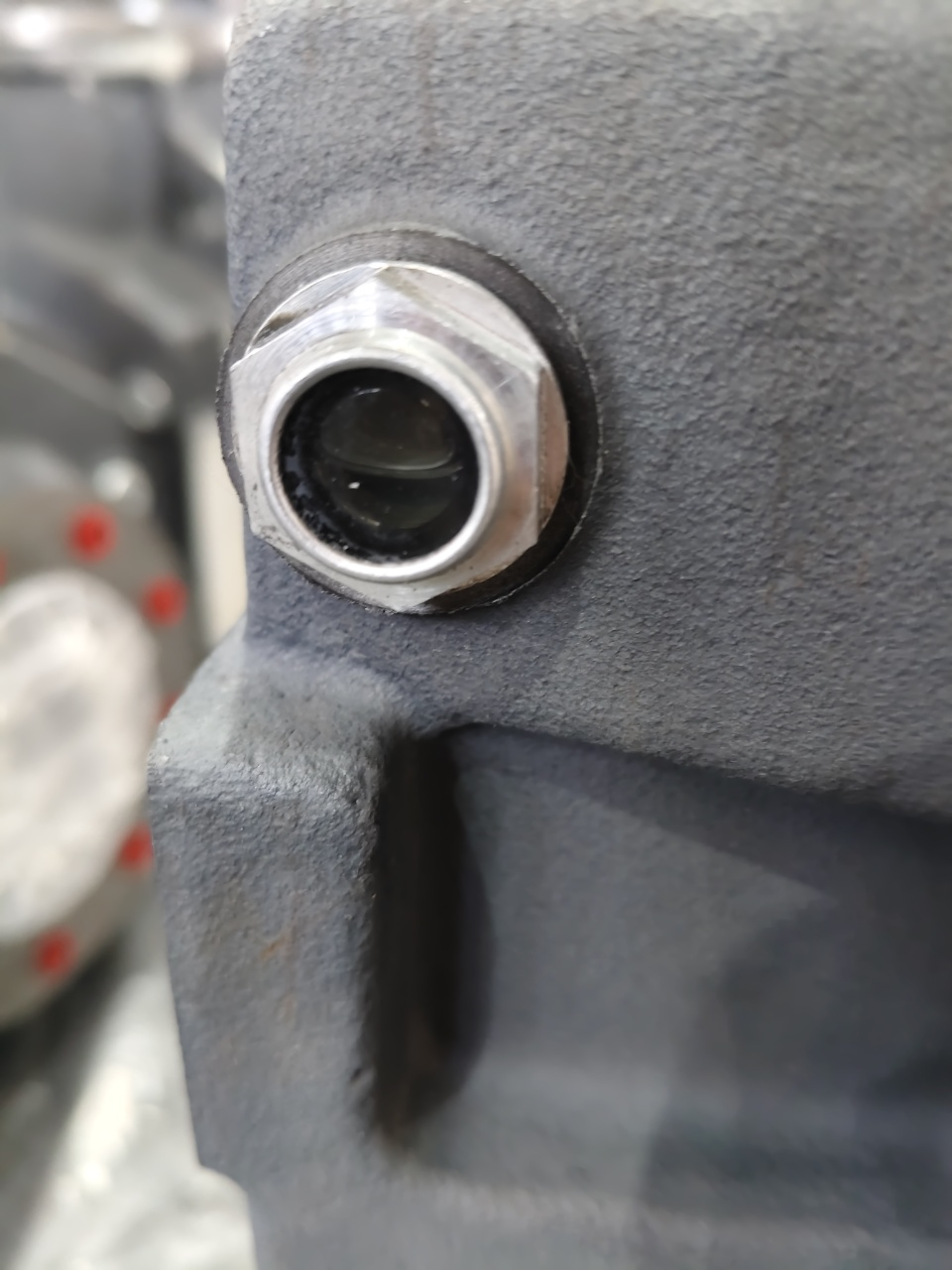
Observe the Oil Sight/Dip Gauge: Most gearboxes are equipped with an oil sight glass or dipstick. With the machine stopped, the oil level should be between 1/2 and 2/3 of the way up the sight glass (usually marked with graduations); for gearboxes with a dipstick, it should be between the upper and lower limits.
Consider Operating Conditions:
Horizontal Installation: Add oil to the center of the sight glass.
Tilted Installation: Consult the manufacturer; a special oil level assessment may be required.
Regular Inspection: Include oil level checks in your daily or periodic maintenance routine, making a comprehensive judgment based on oil color and impurities.
Core Conclusion: More lubricating oil is not necessarily better for gearboxes. Precise oil level control is the cornerstone of reliable operation, long lifespan, and high efficiency. During maintenance, pay attention to the gearbox's oil level window as you would to a car's dipstick.
 Hot News
2026-08-26
2026-08-18
2026-08-15
2026-08-11
2026-07-31
2026-07-29
Welcome to Wuma , a manufacturer committed to developing and manufacturing various types of gear reducers and gearmotors for the field of gear transmission.
No. 10, Xiangcun Industrial Zone, Dongyuan Town, Qingtian County, Lishui City, Zhejiang, China
Copyright © Zhejiang Wuma Drive Co., Ltd All Rights Reserved Privacy Policy Blog
 EN
EN