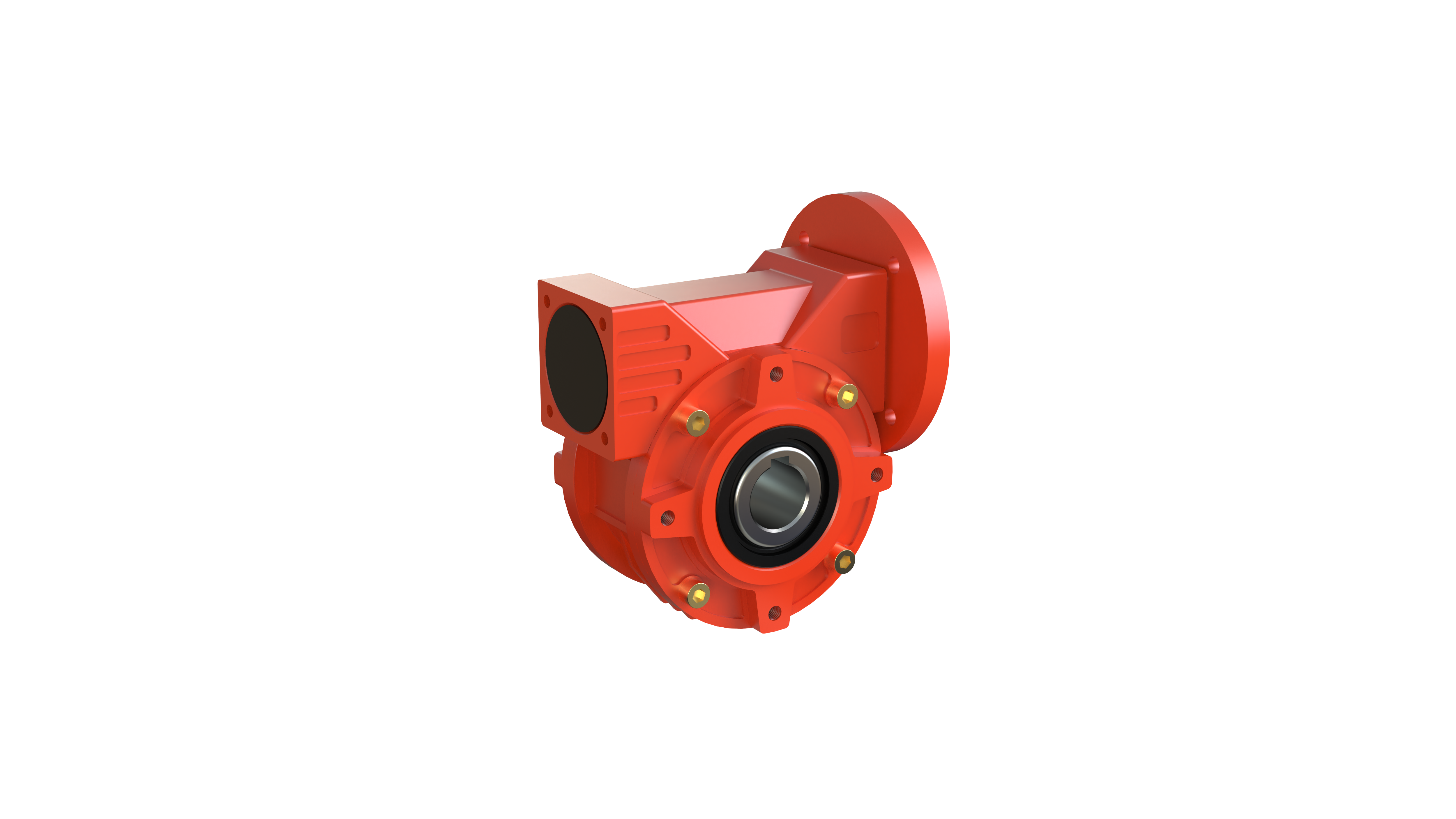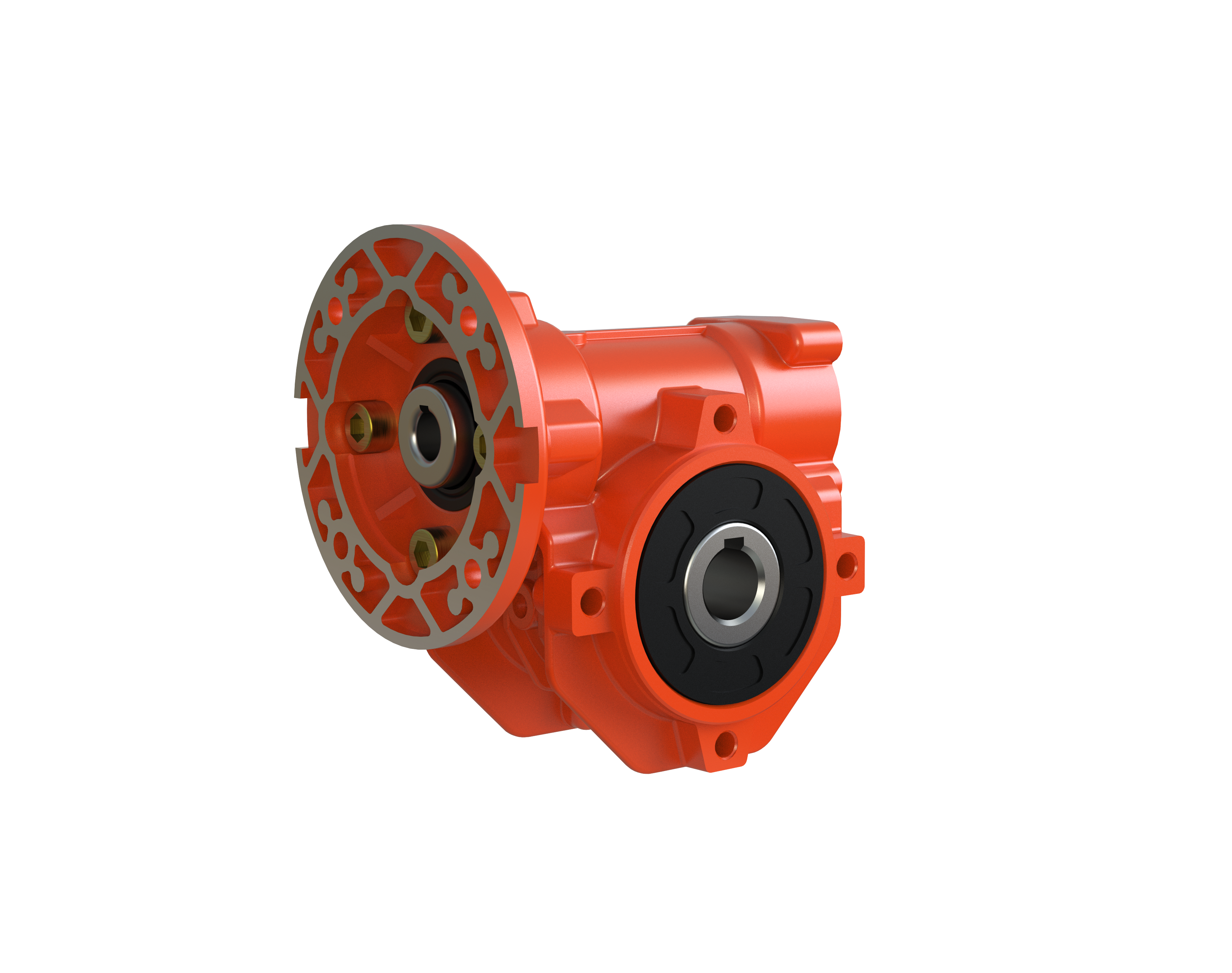

Hello, I'm Jenny from WUMA in Zhejiang. Today, I'll talk about an important gear property: meshing stiffness.The gear shaft height (also known as the contact height or working height) is the radial distance between the edges of the two teeth of the gear shaft and the boundary of the theoretical gear line. Simply put, it refers to the part of the gear tooth that actually engages.
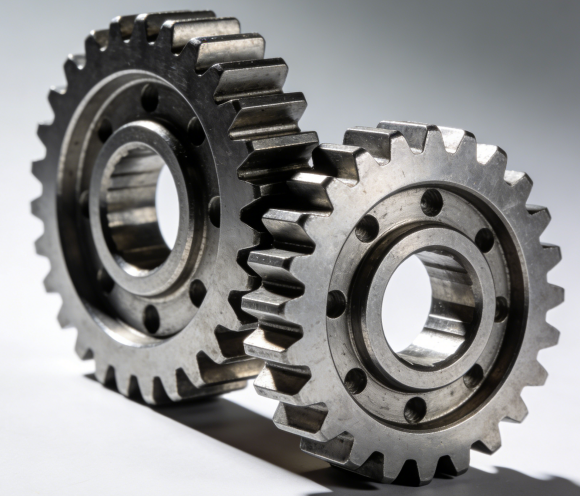
What makes a gear stiff or flexible? A few key things in the design:
Module/Tooth Thickness: The larger the module and the thicker the tooth, the greater the rigidity.
Face Width: The wider the face width, the greater the rigidity (similar to a horizontal seam)
Pressure Angle: Increasing the pressure angle "strengthens" the strength of individual gear teeth and improves gear stiffness. As the pressure angle increases, the overall average meshing stiffness tends to decrease slightly.
Tooth Height: Making the tip of the tooth taller usually means more teeth are in contact at the same time. More teeth sharing the work makes the gear stiffer and run smoother and quieter.
Overlap: This is about how many teeth are meshed together at once. More overlap means the load is spread out more evenly, which really boosts stiffness and makes the gear run much smoother.
Stiffness in WUMA Different Gearboxes:
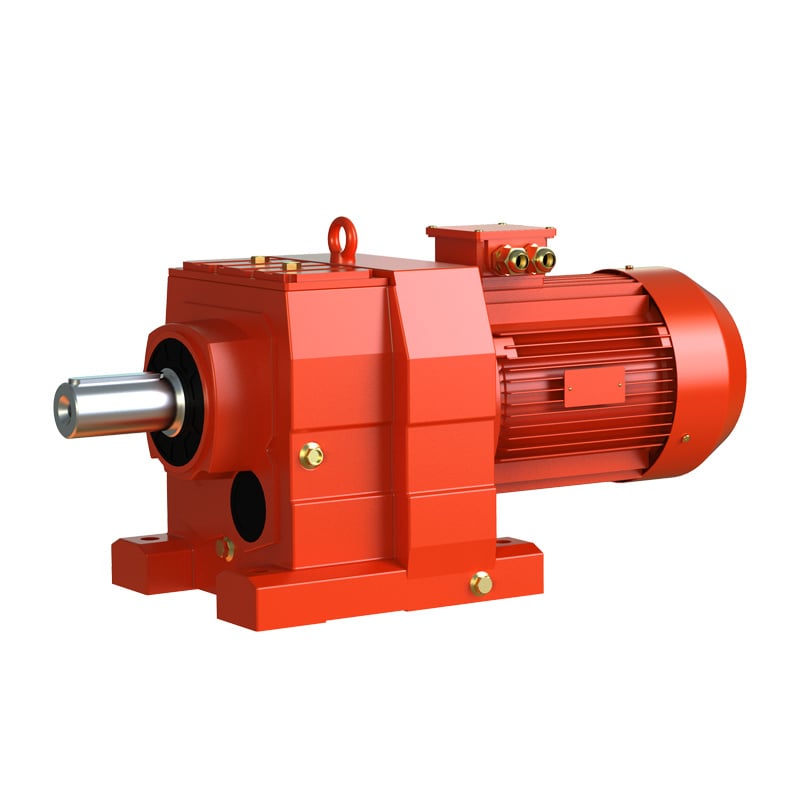
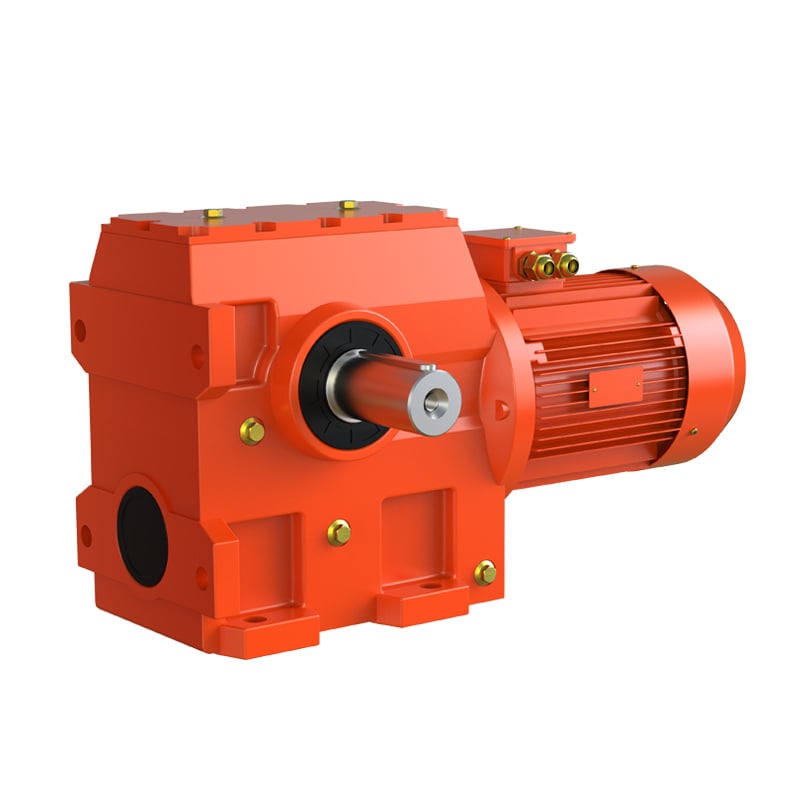
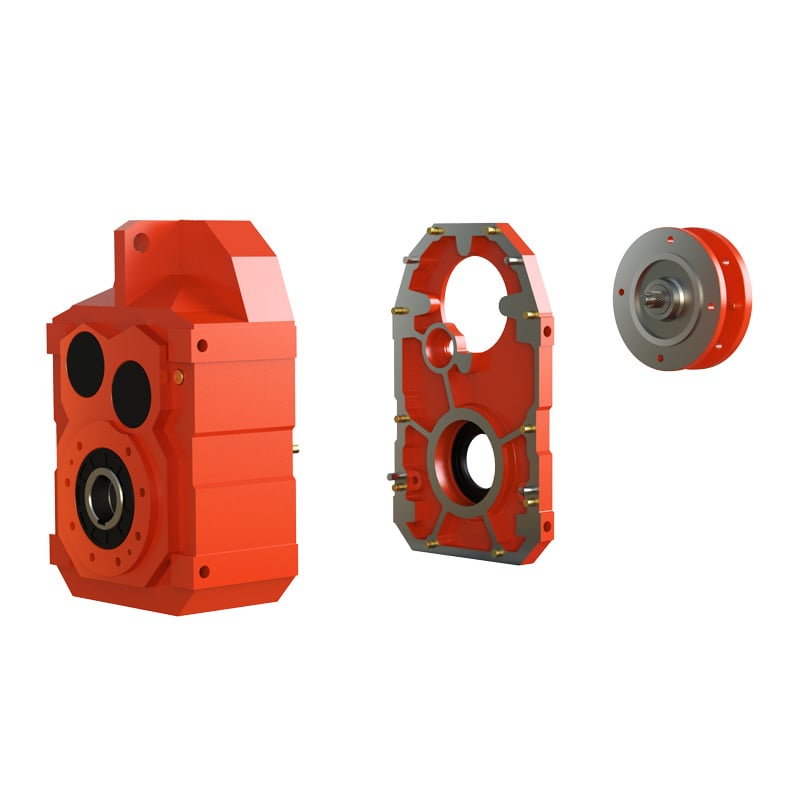
1.Parallel Shaft Reducers (Most Common)
For both spur and helical gears here, stiffness changes a lot as teeth mesh in and out. This regular change is a main cause of vibration and noise.
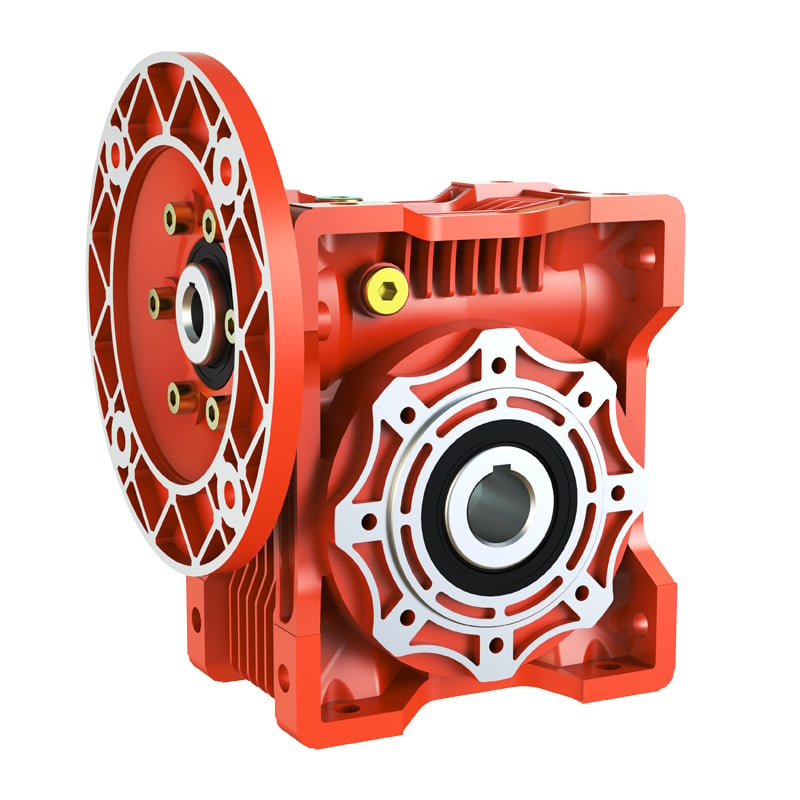
2.Worm Gear Reducers
The contact here is a long, sliding line. The overlap is very high, so stiffness changes very little. This makes the drive very smooth and quiet, but stiffness still affects its power handling and vibration.
3.Planetary Gear Reducers
Several small gears (planets) mesh at once. This helps average out the stiffness changes from any single gear pair. Understanding the combined stiffness is very important for its dynamic behavior.

 Let me put this in simpler, more conversational terms:
Think of the meshing stiffness of a gearbox like a heartbeat.
Everyone has a heartbeat, right? Well, every gear pair that’s working has meshing stiffness too.
A calm heartbeat is steady—normal loads are fine for gears. But when you exercise, your heart races; similarly, high loads or super precise tasks make stiffness issues pop up.
Doctors check hearts to keep them healthy? Engineers check stiffness to design better gears and fix problems.
 Hot News
2026-08-26
2026-08-18
2026-08-15
2026-08-11
2026-07-31
2026-07-29
Welcome to Wuma , a manufacturer committed to developing and manufacturing various types of gear reducers and gearmotors for the field of gear transmission.
No. 10, Xiangcun Industrial Zone, Dongyuan Town, Qingtian County, Lishui City, Zhejiang, China
Copyright © Zhejiang Wuma Drive Co., Ltd All Rights Reserved Privacy Policy Blog
 EN
EN