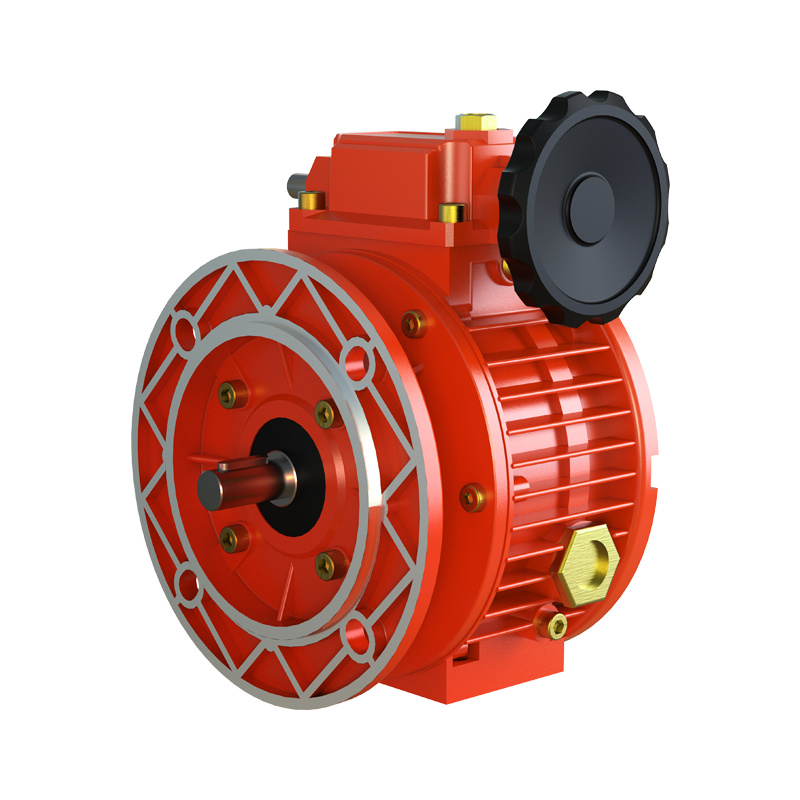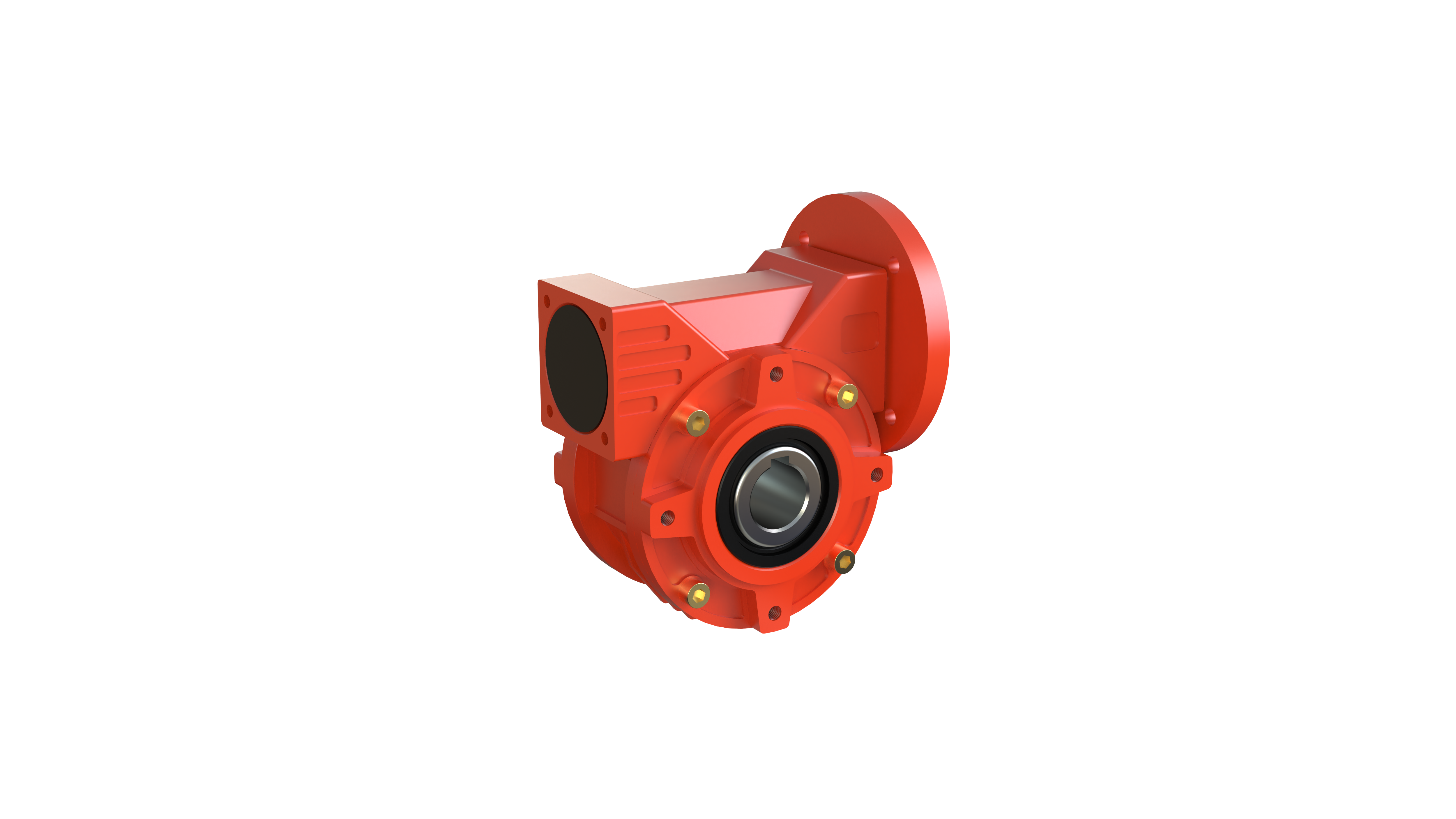
Have you ever seen a winch on a construction site? How can it steadily lift heavy objects and control the descent speed? Or have you ever noticed a large conveyor belt in a mine? Why can goods only be transported in one direction and not slide backward? Behind this are two inconspicuous but very important "small mechanisms"—a speed reducer and a backstop. Today, let's learn about them.
Gearbox: Adding a "gearbox" to a motor
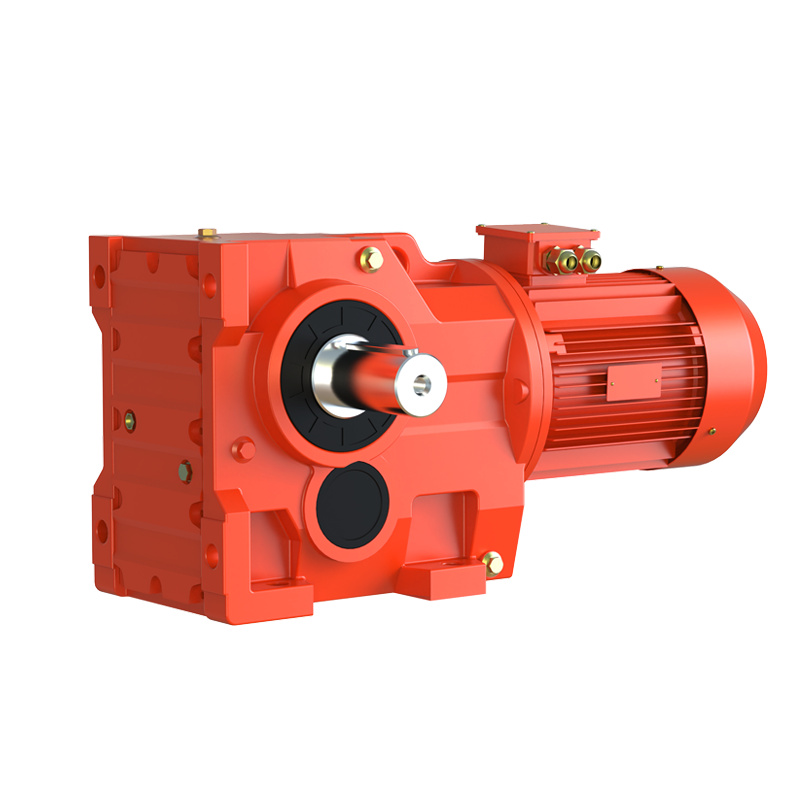
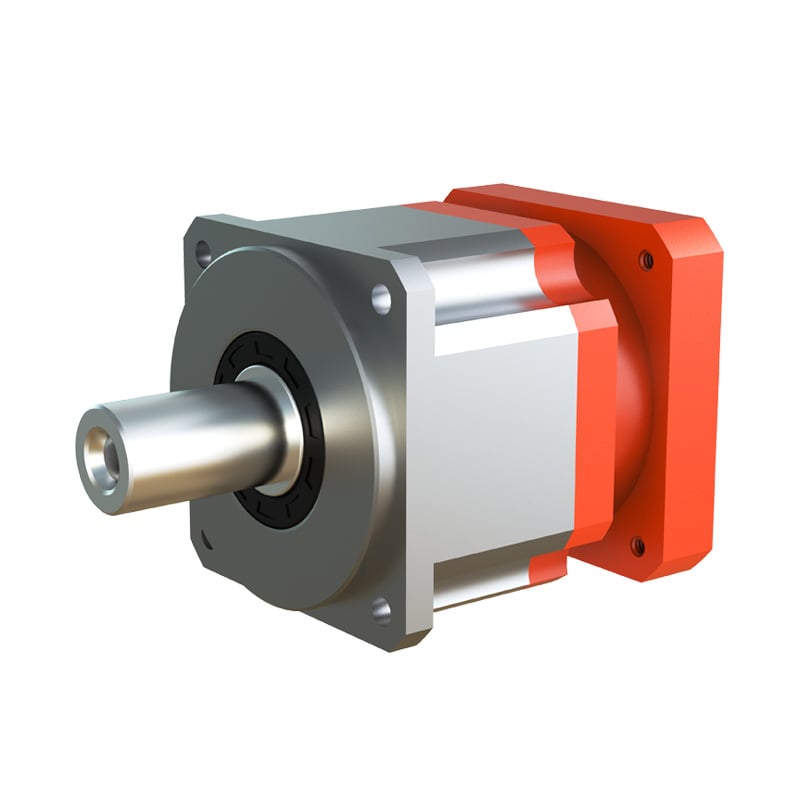
You can think of a speed reducer as a car gearbox, but it's used for electric motors or engines.
What problem does it solve?
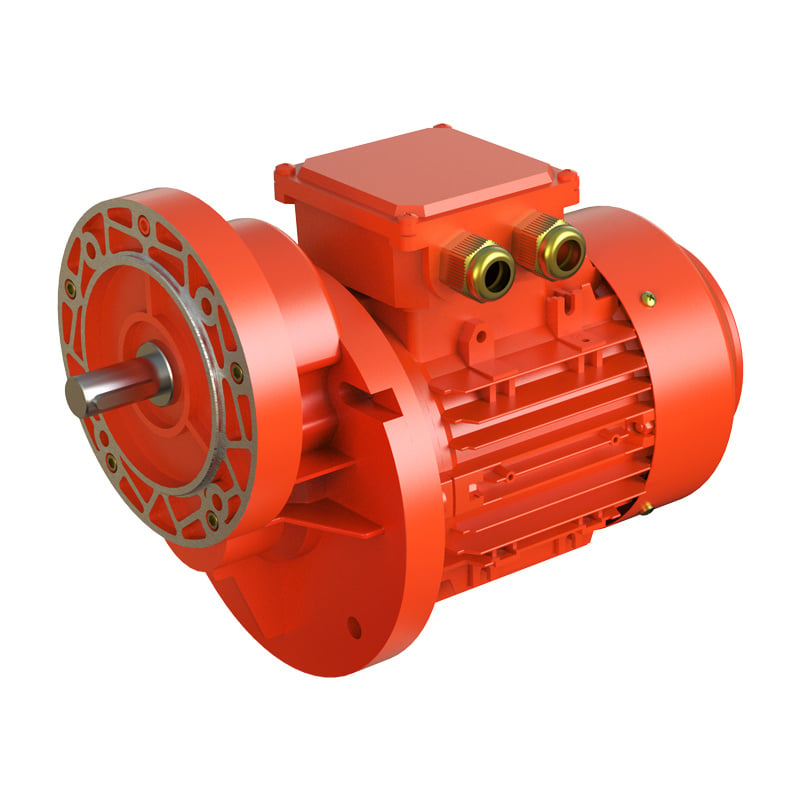
Electric motors typically operate at high speeds , but lack sufficient power. It's like riding a bicycle: even though you pedal fast, you need to shift to a lower gear to lift a heavy load uphill – the speed decreases, but the power increases. A speed reducer works similarly; its function is to reduce speed while increasing power.
How does it work?
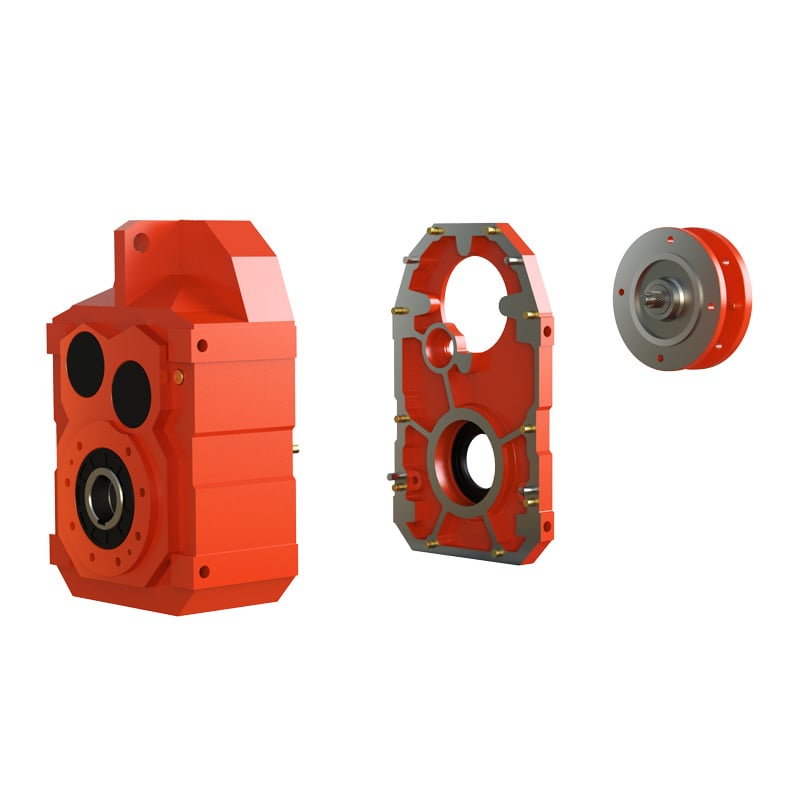
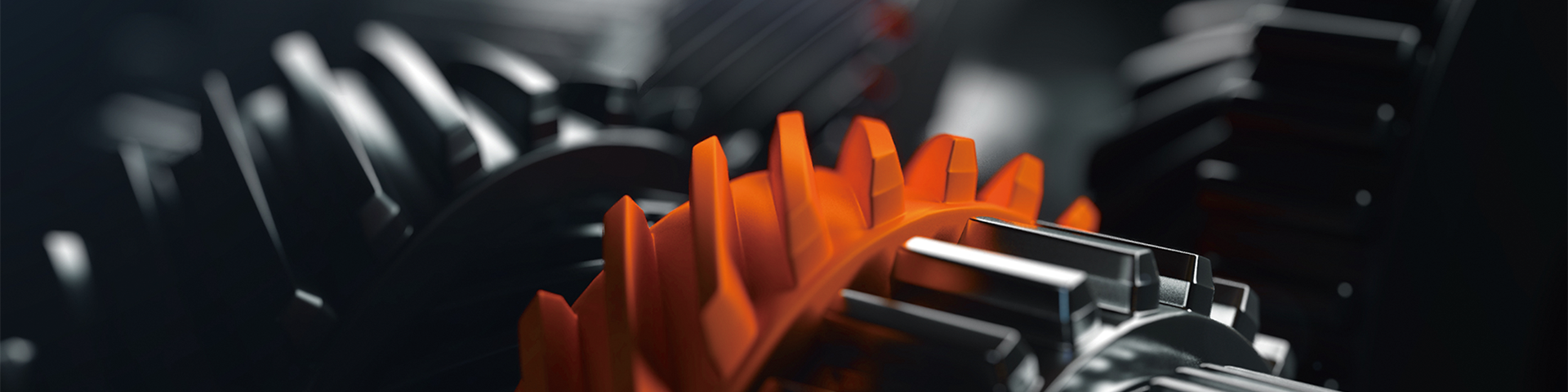
A speed reducer mainly consists of gears of various sizes. Small gears drive large gears, thus reducing the speed but increasing the output force. It's like using a wrench to tighten a screw; the longer the wrench (equivalent to a larger gear ratio), the less force you need, but the tighter the screw is tightened.
When do we need it?
Gearboxes are used in almost any machine that requires "slow but powerful" rotation: elevators, mixers, conveyor belts, and even automatic revolving doors. Gearboxes are almost always used in any machine that needs to output more power.
Check valve: A machine's "one-way valve"
If the speed reducer controls "speed and force", then the backstop controls "direction"—more precisely, it allows rotation in only one direction and prevents rotation in the opposite direction.
Why is it important?
Imagine a conveyor belt transporting sand and gravel on a hillside . If there's a sudden power outage , without a backstop , the fully loaded conveyor belt would rapidly reverse due to gravity, causing sand and gravel to spill , potentially damaging the machine, and even leading to a serious safety accident. Therefore, a backstop acts like a brake, stopping the machine in critical moments and preventing it from reversing .
How does it work?
The most common backstops contain many angled "rollers" or "wedges". When the machine is turning in the correct direction, they roll freely without affecting operation; once the machine wants to turn in the opposite direction, these rollers are immediately jammed, locking the shaft like wedges and preventing it from moving.
Where does it work silently?
Inclined conveyor belt and elevator
Fans and water pumps (to prevent fluid backflow from damaging the equipment)
Mine hoisting equipment
Any device that may reverse due to gravity or pressure
A perfect pair: speed reducer + backstop
In many devices, speed reducers and backstops are a "golden combination".
Case 1: Feeding Elevator
The feeding elevator is powered by a motor, and the high-speed rotation of the motor is converted into a slow and powerful rotation suitable for the elevator by a reducer. The backstop ensures that the hopper full of material will not slip and fall in the event of a sudden power failure .
Case 2: Large wind turbines
Large fans require speed reducers to adjust the impeller speed to a suitable level , while backstops prevent backflow of air during power outages, which could cause the impeller to reverse and damage the equipment.
Choosing the right "small device" ensures safety and peace of mind.
For speed reducers, you need to check:
1. Reduction ratio: How much speed needs to be reduced?
2. Load-bearing capacity: How much force is required?
3. Work environment: Indoor or outdoor? Is there dust or humidity?
For check valves, you need to see:
1. Anti-reverse force: How many loads need to be prevented from reversing?
2. Response speed: How long does it need to be locked?
3. Installation location: Is it installed on the high-speed shaft or the low-speed shaft?
Maintenance Tips
of these parts is complicated, they still require regular maintenance :
Regular lubrication: Regularly lubricate gears and bearings .
Pay attention to unusual noises: During daily use, check for any unusual noises or sounds, as these may indicate worn-out parts and require timely replacement.
Check the temperature: Overheating is often caused by overload or poor lubrication . Reduce the load or add lubricating oil.
Professional maintenance: All machines have a lifespan, so it is essential to have them inspected and adjusted regularly by professional repair personnel.
Small parts, big responsibility
Although speed reducers and backstops may not be as conspicuous as motors, they play a crucial role in many pieces of equipment. Speed reducers ensure that machines can "work powerfully," while backstops ensure that machines are "safe and reliable." They work silently, yet they are indispensable "safety guardians" and "force regulators" in modern machinery.
 Hot News
2026-08-26
2026-08-18
2026-08-15
2026-08-11
2026-07-31
2026-07-29
Welcome to Wuma , a manufacturer committed to developing and manufacturing various types of gear reducers and gearmotors for the field of gear transmission.
No. 10, Xiangcun Industrial Zone, Dongyuan Town, Qingtian County, Lishui City, Zhejiang, China
Copyright © Zhejiang Wuma Drive Co., Ltd All Rights Reserved Privacy Policy Blog
 EN
EN