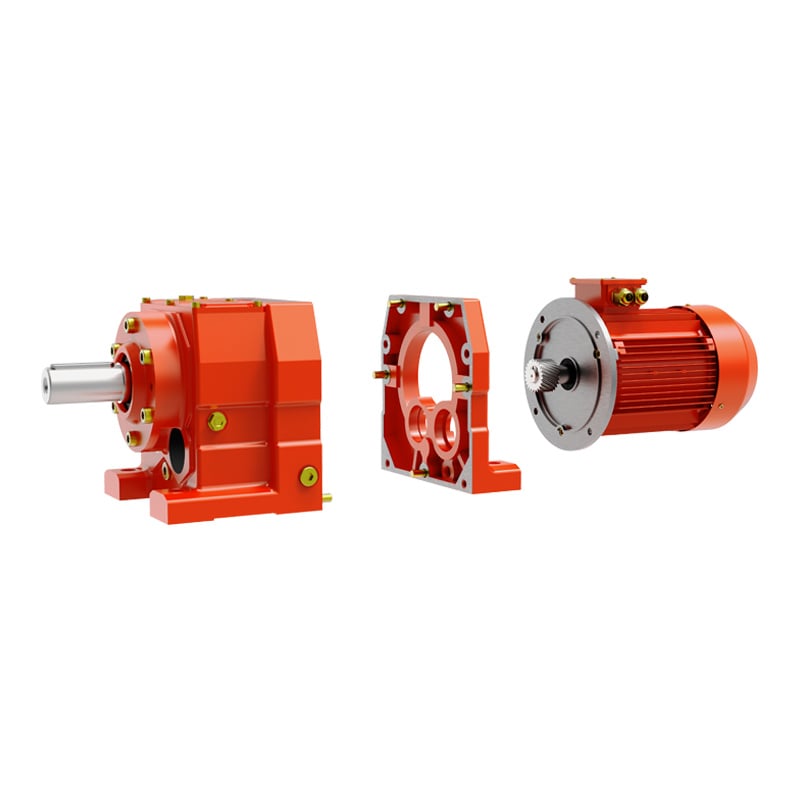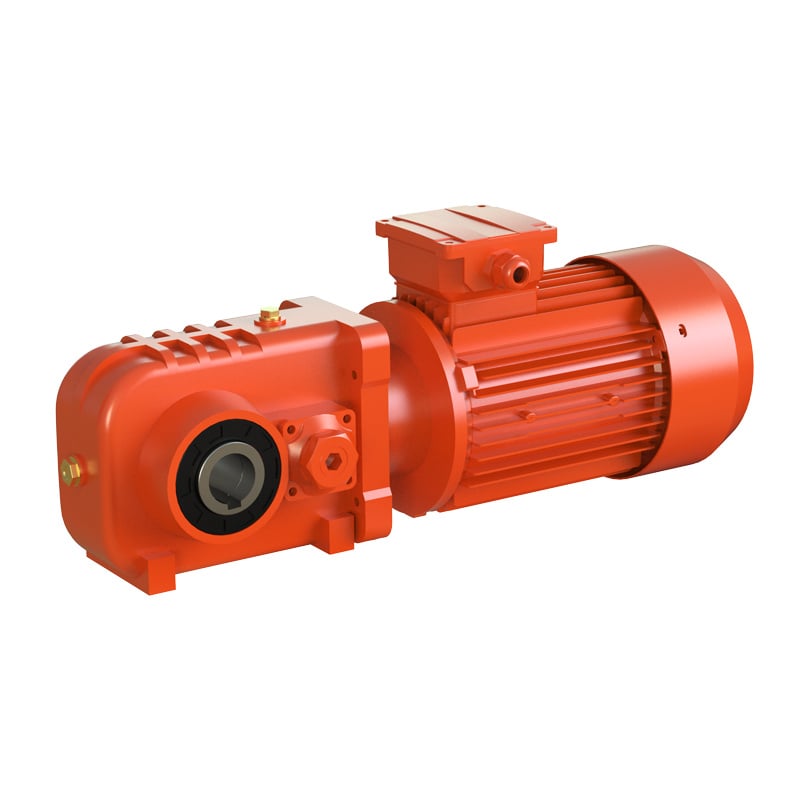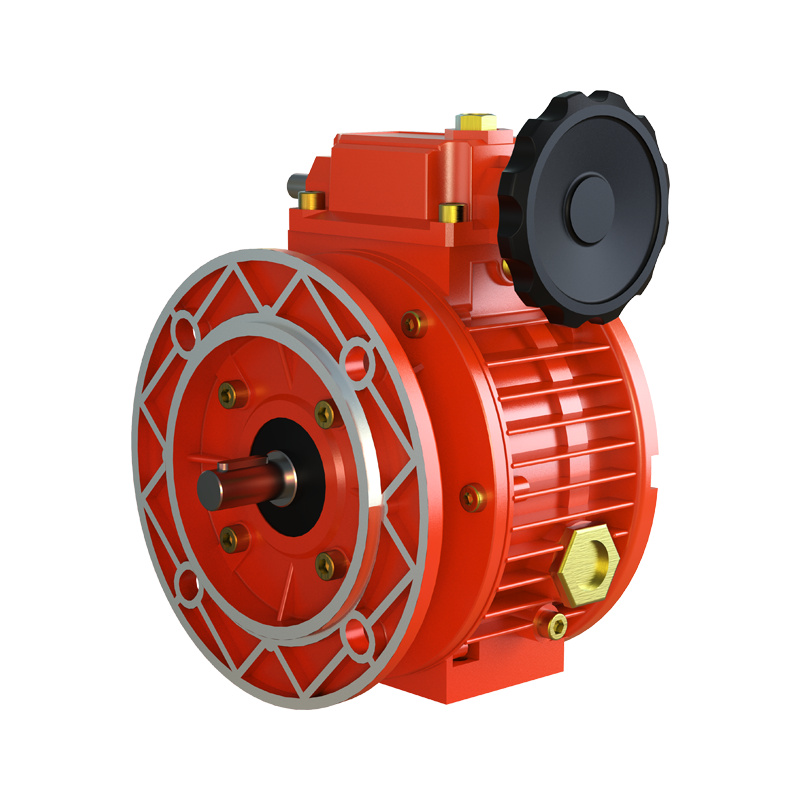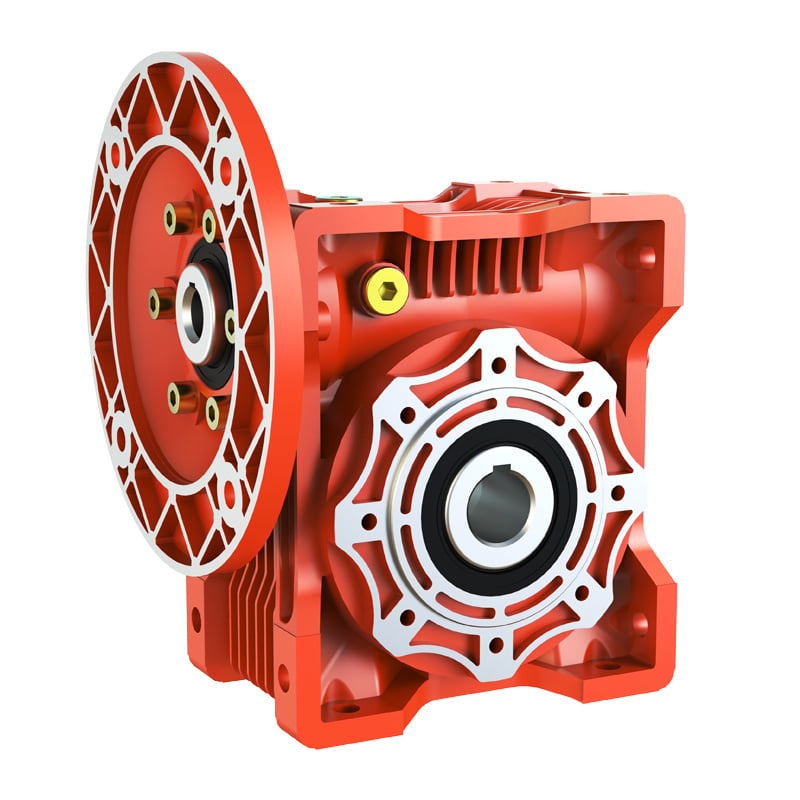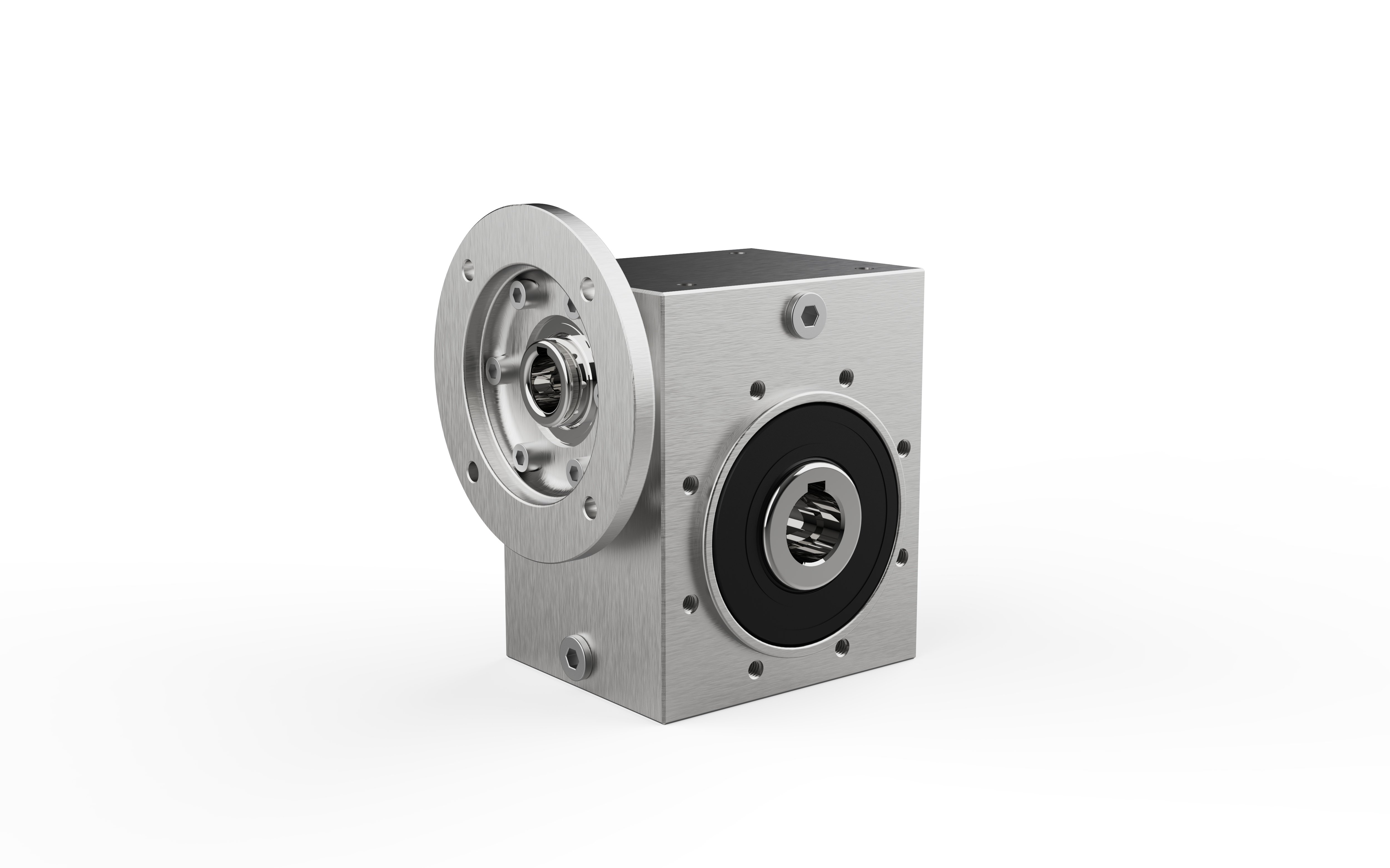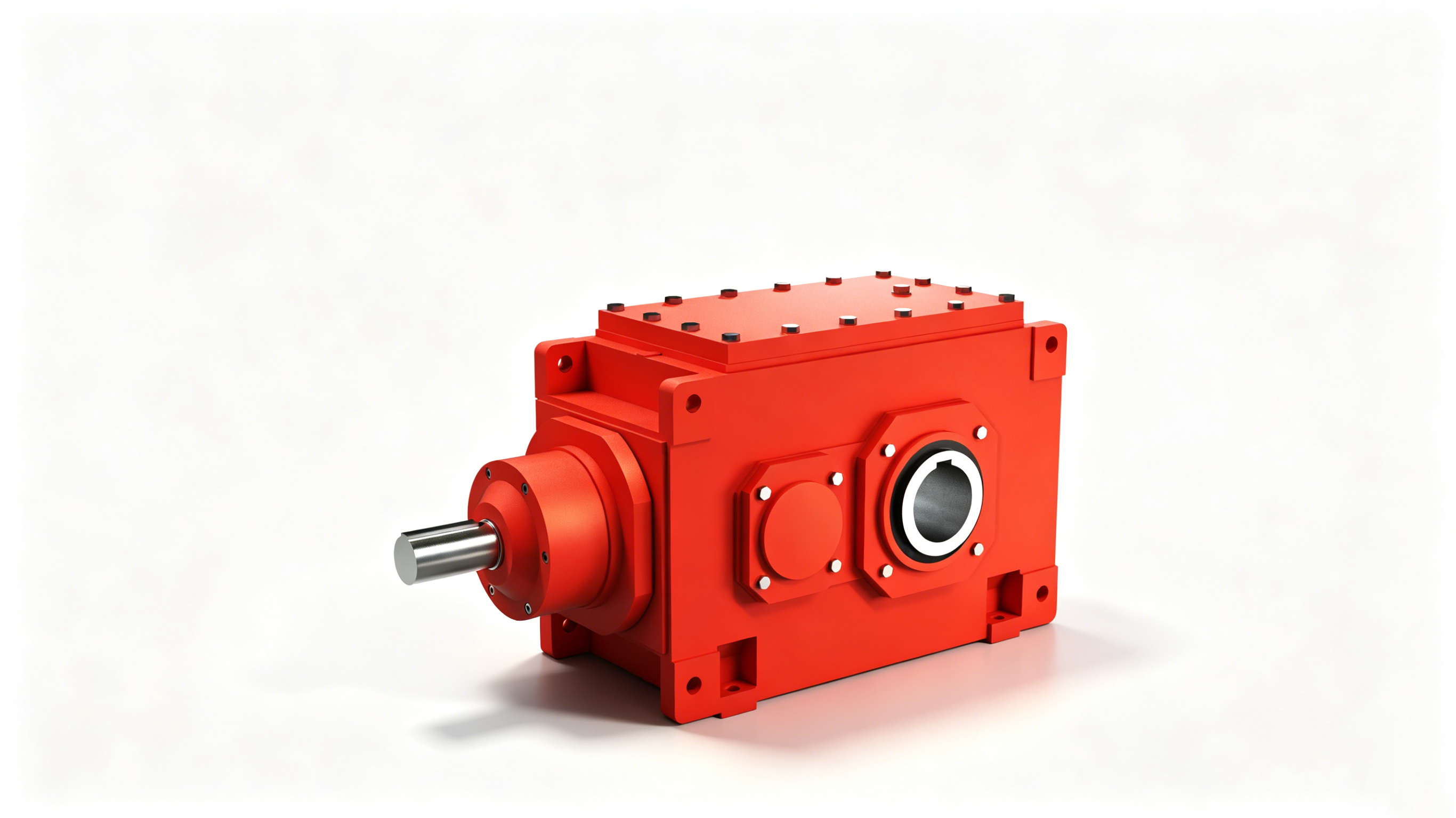

Oil loss is rarely an isolated seal defect. It is typically the symptom of operational thermodynamics, structural casting behavior, and maintenance deviations working in tandem:
Continuous gear tooth meshing and ambient heat cause internal air expansion. If the breather hole is undersized, absent, or clogged by industrial airborne dust, internal pressure climbs significantly above atmospheric levels. This pressure gradient forces lubricant through micro-gaps at shaft exits and split flanges.
Flange joints leak when inspection covers are fabricated from thin sheet metal that bows between bolt pitches under torque. Furthermore, cast iron housings that have not undergone aging or thermal stress relief deform gradually under mechanical load, opening microscopic channels along mating faces.
Overfilling the oil sump leads to violent churning and continuous splashing. The excess oil overwhelms internal drainage paths, creating a continuous liquid head directly against shaft seals and inspection seams, accelerating seepage under normal running pressure.
Legacy felt-ring seals lack dynamic elastic compensation and degrade rapidly. During field overhauls, leaks arise from contaminated mating faces, incorrect sealant selection, inverted oil seal orientation, or scratches on shaft journals during assembly.
Resolving gearbox oil leaks demands engineered physical solutions rather than simply repeatedly changing worn oil seals:
Equip the reducer with an elevated, high-flow breather cap (vent hole ≥ 6 mm) that resists dust clogging while freely venting internal thermal pressure. Replace flimsy inspection covers with rigid plates (thickness ≥ 6 mm) to ensure uniform bolt clamping across the entire perimeter gasket.
To prevent lubricant thrown toward bearings from pooling against the shaft seal, cut an inward-sloping return oil groove into the lower bearing seat, aligned with a corresponding notch in the end cover. This allows thrown oil to gravity-drain smoothly back into the main sump before building hydrostatic pressure at the seal lip.
Retrofit outdated felt seals with precision spring-loaded skeleton oil seals (install with the garter spring facing the oil reservoir). On half-shaft conveyor drives, machine an external groove on the end cover to accommodate a secondary spare seal positioned on the shaft, allowing rapid replacement without dismantling large couplings.
For static joint seepage along housing split lines or bearing caps, apply modern anaerobic liquid gasket compounds or high-adhesion polymer composites. These materials cure into resilient, vibration-proof barriers that fill microscopic surface roughness without shrinking.
Adhere strictly to oil level indicators: never allow oil to exceed the center line of the sight glass or the upper dipstick mark. During maintenance, thoroughly degrease flange faces before applying fresh sealant, install seals squarely using pilot tooling, and inspect shaft runout to prevent dynamic lip distortion.
| Leak Location | Primary Mechanical Cause | Corrective Engineering Action | Preventive Benchmark |
|---|---|---|---|
| Input / Output Shaft Exit | Seal lip wear, shaft groove, elevated casing pressure | Install FKM dual-lip seal, clean breather, inspect shaft Ra | Shaft Ra 0.4 μm plunge-ground, HRC 55–60 |
| Split Housing Centerline | Casting thermal deflection, aged sealant, uneven torque | Clean/degrease mating faces, apply anaerobic liquid gasket | Stress-relieved casting, calibrated bolt cross-torque |
| Inspection Cover Plate | Thin sheet plate warping between bolt holes | Upgrade to ≥ 6 mm reinforced plate with oil-cup vent | Rigid cover with integrated pressure equalization |
| Bearing End Caps | Lack of return oil groove, hydrostatic fluid head | Cut inward-sloping drain groove and relief notch | Continuous unhindered gravity return to oil sump |
At WUMA, all cast iron and aluminum alloy reducer housings undergo thermal stress-relief aging before CNC precision machining to eliminate operational warping. Internal oil return pathways are standard, shaft journals are plunge-ground to Ra 0.4 μm, and every completed unit undergoes 100% pneumatic pressure leak testing prior to packaging, ensuring absolute sealing reliability in demanding industrial applications.
Gearbox sealing integrity relies on proper lubricant selection, dynamic shaft seal health, accurate motor alignment, and verified environmental ingress protection. Deepen your powertrain engineering knowledge with our dedicated guides:
In-depth analysis of radial oil seal failure mechanisms, NBR vs. FKM elastomer chemistry, shaft micro-roughness, and proactive life extension strategies.
How viscosity grades (VG220/320), oil vs. grease selection, and synthetic additive packages interact with elastomer seals and internal gears.
Compare flange vs. coupling connections to eliminate radial shaft runout and prevent dynamic seal eccentric wear and premature weeping.
From IP55 to IP69K washdown standards: how rotary shaft seals and static housing gaskets achieve complete dust, oil, and water exclusion.
The most frequent culprit is a clogged or undersized breather vent. As gears mesh, friction elevates internal air temperature. If thermal expansion cannot vent, rising casing pressure forces lubricating oil past dynamic shaft seals and gasket seams.
Excess oil submerges rotating gears too deeply, generating severe churning, violent oil splashing, and excessive internal foam. This continuous splashing floods shaft seal lips and split-casing seams while elevating operating temperatures and internal pressure.
An oil return groove machined into the lower bearing seat provides a dedicated, gravity-assisted drainage path. Instead of allowing gear-thrown oil to pool against the seal lip, excess lubricant drains directly back into the main oil reservoir.
Yes. For external split-line weeping, high-performance surface engineering polymer composite repair agents can be applied externally to degreased joints, creating a pressure-resistant micro-barrier without halting industrial production.
Contact WUMA’s application engineering team for professional seal diagnosis, factory-sealed replacement reducers, and custom drivetrain sealing solutions.
 Hot News
2026-08-26
2026-08-18
2026-08-15
2026-08-11
2026-07-31
2026-07-29
Welcome to Wuma , a manufacturer committed to developing and manufacturing various types of gear reducers and gearmotors for the field of gear transmission.
No. 10, Xiangcun Industrial Zone, Dongyuan Town, Qingtian County, Lishui City, Zhejiang, China
Copyright © Zhejiang Wuma Drive Co., Ltd All Rights Reserved Privacy Policy Blog
 EN