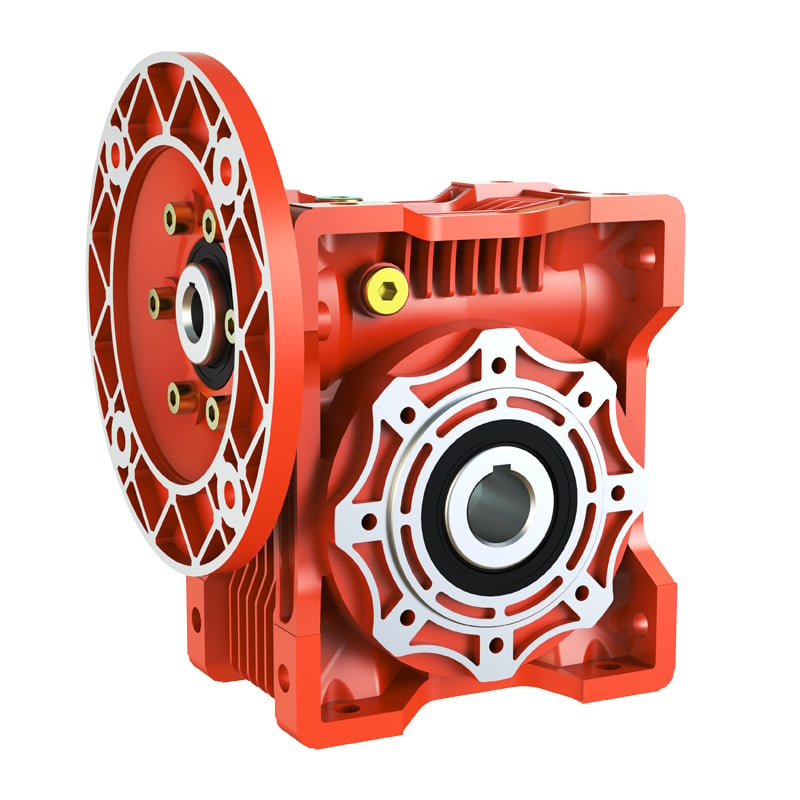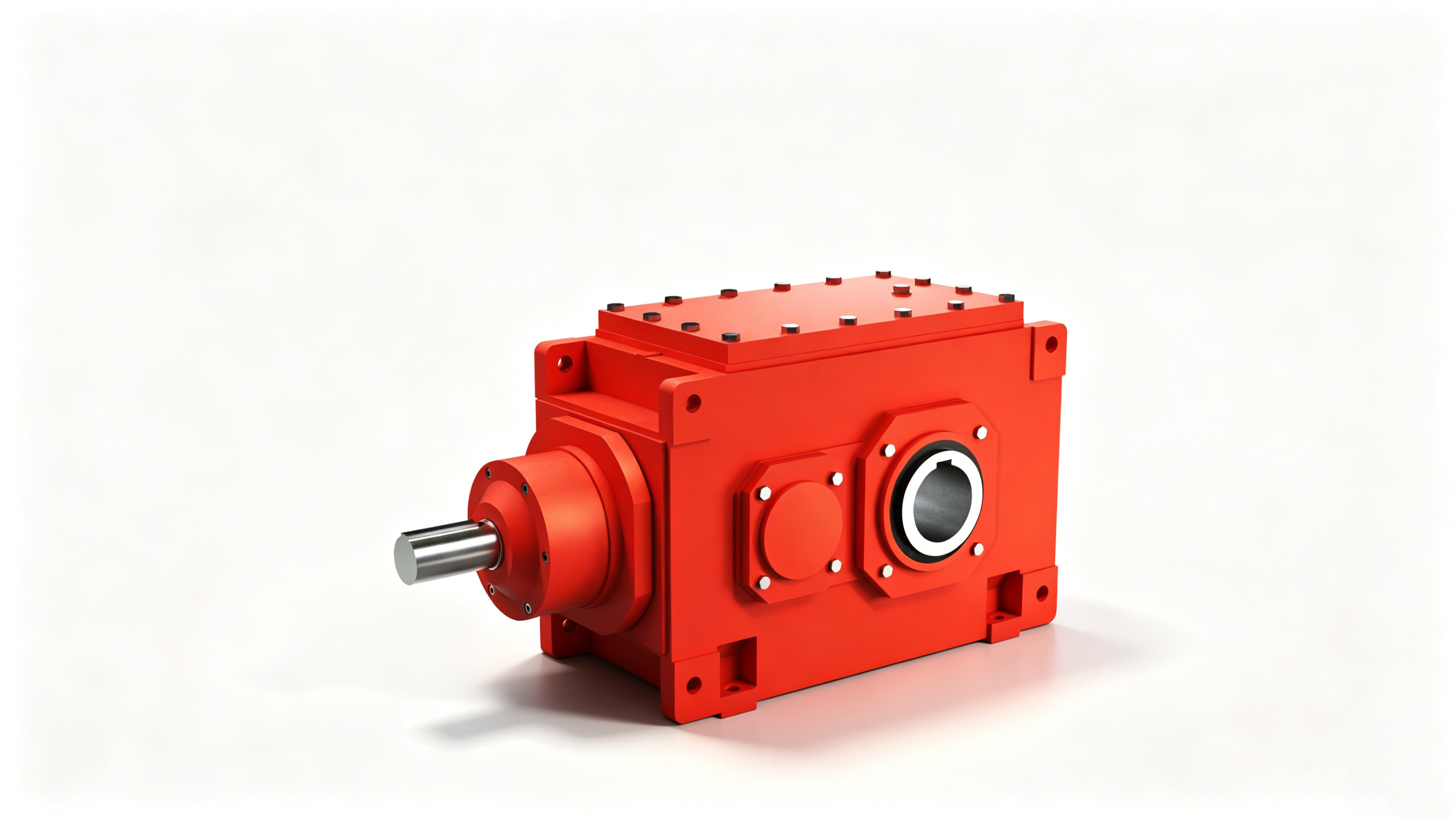

In the complex systems of speed reducers, oil seals are often one of the most inconspicuous components, yet they play a crucial "gatekeeper" role. They dynamically seal the gap between the rotating shaft and the stationary housing. Their failure not only leads to expensive lubricant leaks and environmental pollution, but also causes rapid wear and corrosion of gears and bearings due to the intrusion of external dust and moisture, ultimately resulting in catastrophic equipment downtime. Therefore, a deep understanding of the aging mechanism of oil seals and proactive intervention are the cornerstones for achieving predictive maintenance and excellent equipment operation.
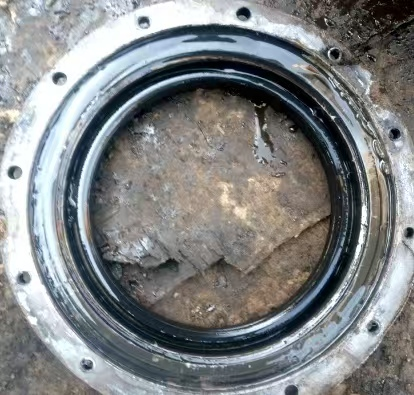
Figure 1: Cross-sectional architecture of a radial lip oil seal highlighting the garter spring, primary sealing lip, and dust exclusion lip.
Oil seal degradation is rarely caused by mechanical friction alone. It is governed by the simultaneous coupling of thermal, chemical, physical, and mechanical stresses:
Shaft rotational speeds and continuous meshing friction generate localized lip temperatures far higher than bulk oil. Elevated heat accelerates elastomer oxidation, plasticizer migration, and radical cross-linking. The contact lip loses its elastic memory, becoming hard, brittle, and incapable of dynamic shaft following.
Aggressive sulfur-phosphorus EP (extreme pressure) additives, synthetic polyalkylene glycols (PAG), or external alkaline cleaning washdowns can chemically attack base polymers. Incompatible fluids cause either severe volumetric swelling (generating excessive friction and blistered lips) or material shrinkage and hardening.
In outdoor, cement, or mining installations, airborne sand, quartz particles, and moisture settle along the shaft entry. As the shaft rotates, micro-abrasives lodge beneath the lip line, forming an “abrasive slurry pump” that grinds annular grooves into the steel journal and tears the sealing edge.
Pressing seals without alignment jigs causes cocked bore mounting, inverted lip edges, or detached garter springs. Sliding over sharp keyways without protective cones introduces microscopic notches. Furthermore, storing spare seals in direct UV light or near ozone sources initiates pre-installation micro-fissuring.
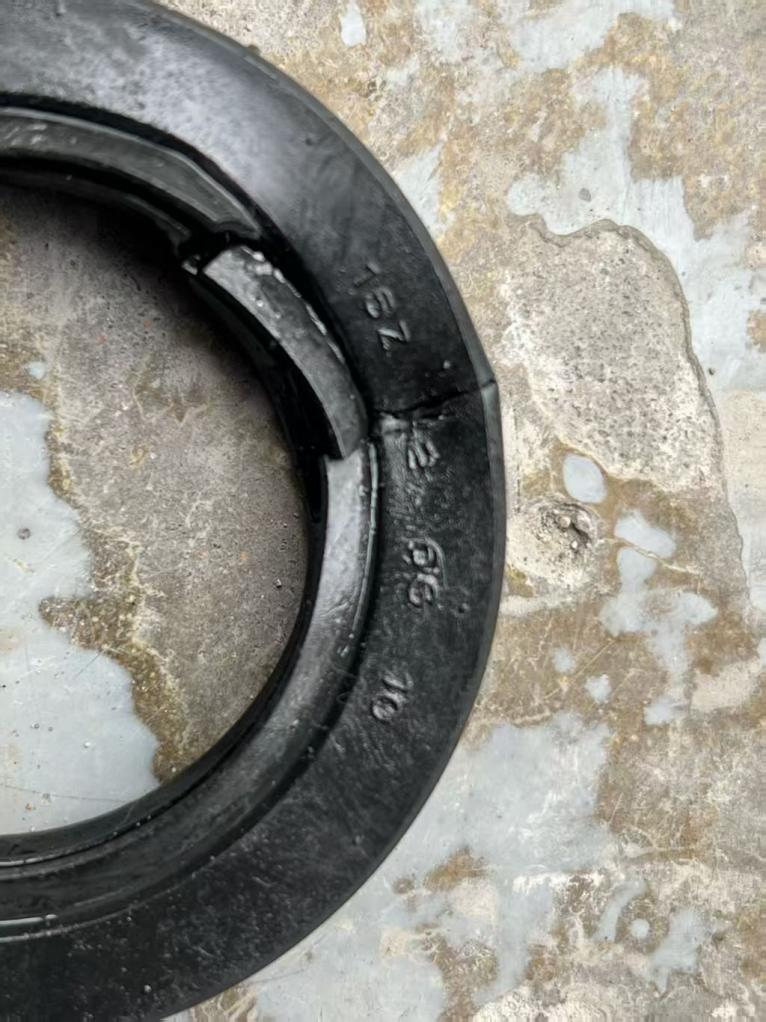
Figure 2: Common mechanical triggers of seal degradation: shaft groove wear, dynamic runout, and excessive radial pressure.
Matching elastomer compound properties to operating temperatures, surface linear speeds, and lubricant chemistry is the foundation of seal longevity:
| Elastomer Type | Continuous Temp Range | Max Surface Speed | Chemical & Oil Compatibility | Ideal Application |
|---|---|---|---|---|
| NBR (Nitrile) | -30°C to +100°C | Up to 12 m/s | Excellent with mineral oils; poor with polar synthetics & ozone | General industrial conveyors, indoor reducers |
| FKM / Viton (Fluoroelastomer) | -20°C to +200°C | Up to 25 m/s | Outstanding across PAO synthetics, mineral oils, acids & ozone | High-speed input shafts, heavy-duty mixers, ovens |
| PTFE (Teflon) | -60°C to +250°C | Up to 35 m/s | Universal chemical inertness; zero swelling; run-dry capable | Food processing, chemical agitators, washdown units |
Transforming seal maintenance from reactive breakdown replacement into proactive reliability engineering involves four core manufacturing and operational pillars:
The journal contact area must be induction hardened to HRC 55–60 with a minimum hardened depth of 0.8 mm to prevent grooving. Surface roughness must be maintained strictly at Ra 0.2 to 0.8 μm (ideally Ra 0.4 μm) using plunge grinding without spiral feed marks, preserving a steady hydrodynamic fluid film under the lip.
Always utilize pilot guide sleeves and specialized pneumatic or mechanical press fixtures to ensure square seating into the housing bore. Pre-lubricate the sealing lip with compatible clean grease before assembly. The tension garter spring must face the internal oil reservoir to utilize hydraulic pressure for positive radial contact.
Keep gearbox cooling ribs unobstructed and maintain oil temperature below 80°C. Crucially, regularly inspect and clean the breather plug; a clogged vent causes air pressure to rise as the gearbox warms up, directly forcing the seal lip open and inducing persistent weeping.
In dirty or washdown environments, deploy double-lip seals equipped with an auxiliary outboard dust wiper, packed with synthetic barrier grease. For harsh slurry or chemical splash duties, add an external labyrinth seal or V-ring deflector to block abrasives before they reach the primary seal lip.
All Wuma Drive standard and custom gear reducers (including the WMRV, WKM, and heavy-duty series) undergo 100% pneumatic pressure testing before dispatch. Shaft journals are precision plunge-ground, and premium fluoroelastomer (FKM) seals are fitted as standard on critical high-speed and high-temperature models to guarantee zero-leakage commissioning.
Oil seal performance operates hand-in-hand with lubrication chemistry, shaft alignment precision, and housing surface integrity. Explore our engineering guides to optimize your complete drivetrain reliability:
How viscosity grades (VG220/320), oil vs. grease selection, and synthetic additive packages interact with elastomer seals and internal gears.
Compare flange vs. coupling connections to eliminate shaft radial runout and prevent dynamic seal eccentric wear.
Learn how precision masking protects shaft seal journals and pilot bores during automated ISO 12944 C1–C5 spray painting.
From IP55 to IP69K washdown standards: how rotary shaft seals and static housing gaskets achieve complete dust and water exclusion.
Early indicators include a light oil haze or weeping around the shaft exit before active dripping, radial micro-cracks on the elastomer lip, excessive shaft lip heat, and discoloration of the lubricant caused by atmospheric ingress.
FKM is recommended when operating temperatures continuously exceed 100°C (up to 200°C+), in high-speed input shafts generating heavy friction heat, or when using synthetic lubricants (such as PAG or PAO with aggressive extreme-pressure additives) that degrade NBR.
The ideal shaft journal surface roughness is Ra 0.2 to 0.8 μm (optimally Ra 0.4 μm) with plunge-grinding to avoid directional lead. Rougher surfaces cause rapid abrasive lip wear, while excessively polished surfaces (< Ra 0.1 μm) fail to retain the hydrodynamic lubricating micro-film, causing dry friction.
As the reducer heats up, expanding internal air increases casing pressure. If the breather valve is blocked, internal pressure forces the seal lip off the shaft or pushes oil past the contact line, resulting in persistent leakage.
Consult Wuma Drive’s application engineering team for customized high-durability sealing and precision drivetrain solutions.
 Hot News
2026-08-26
2026-08-18
2026-08-15
2026-08-11
2026-07-31
2026-07-29
Welcome to Wuma , a manufacturer committed to developing and manufacturing various types of gear reducers and gearmotors for the field of gear transmission.
No. 10, Xiangcun Industrial Zone, Dongyuan Town, Qingtian County, Lishui City, Zhejiang, China
Copyright © Zhejiang Wuma Drive Co., Ltd All Rights Reserved Privacy Policy Blog
 EN
EN