
Hello everyone, It's Bella again~ , ZHEJIANG WUMA DRIVE CO.,LTD.'s 30th Anniversary Tweets! This time, I'm bringing you an interpretation of motor nameplates.
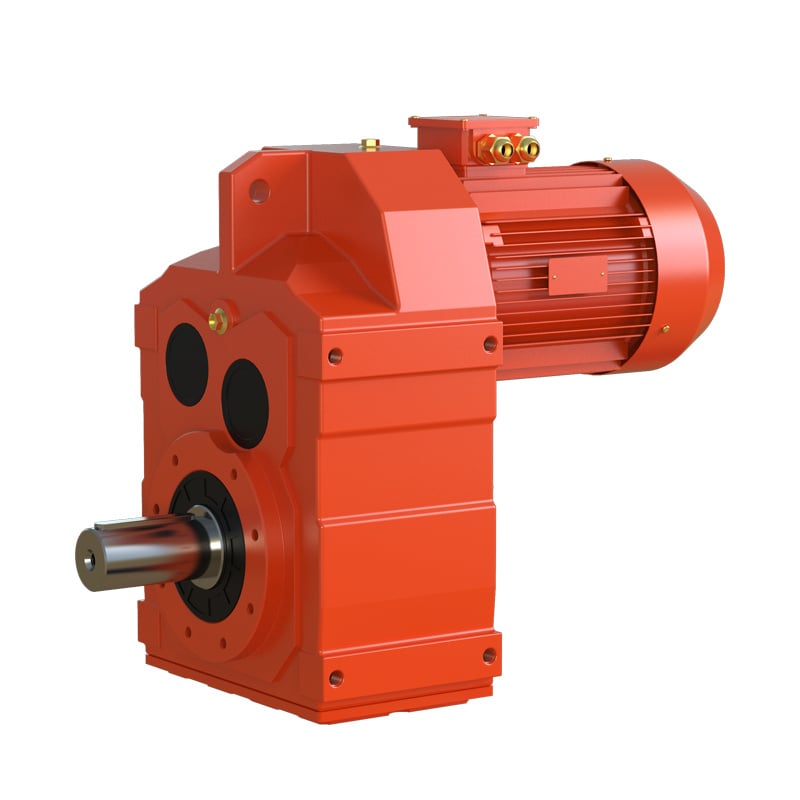
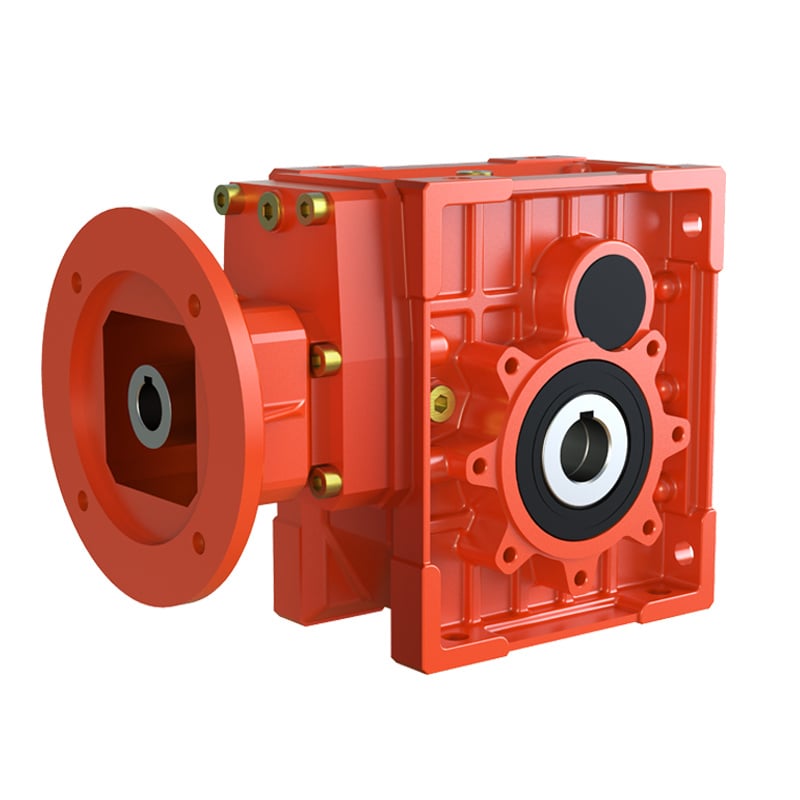
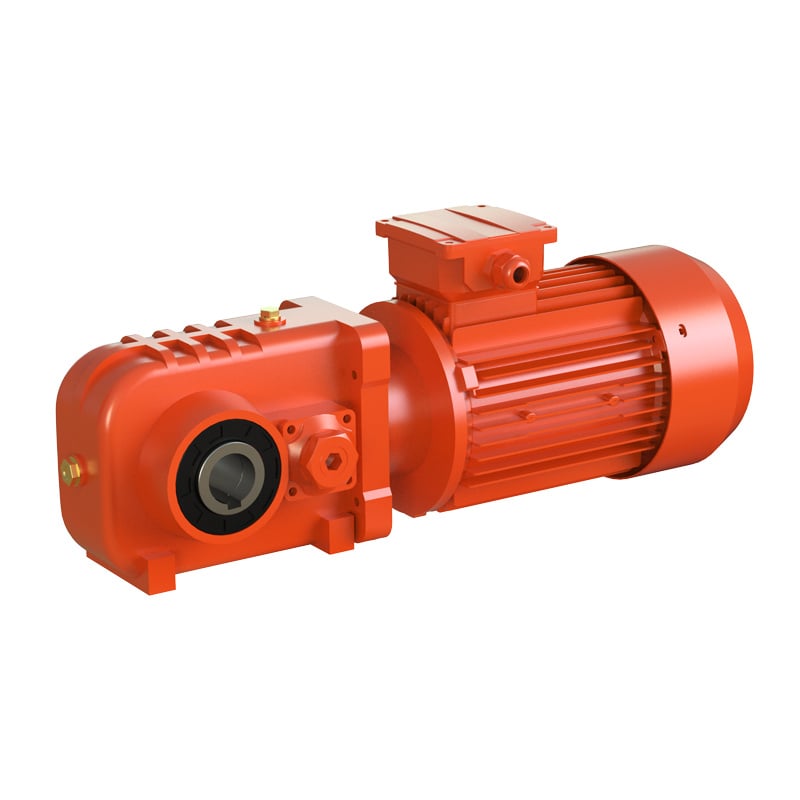
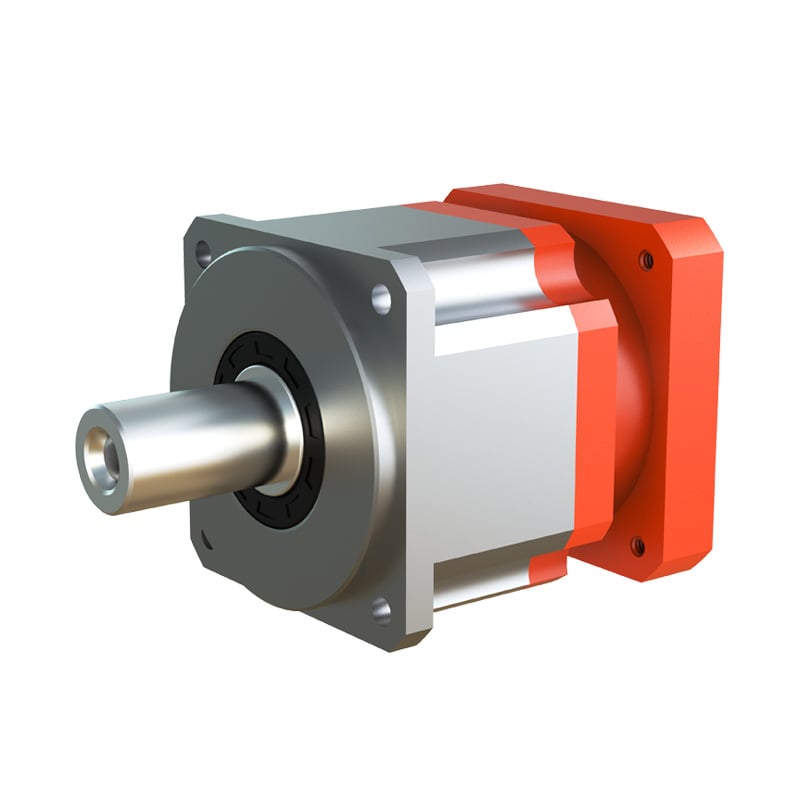
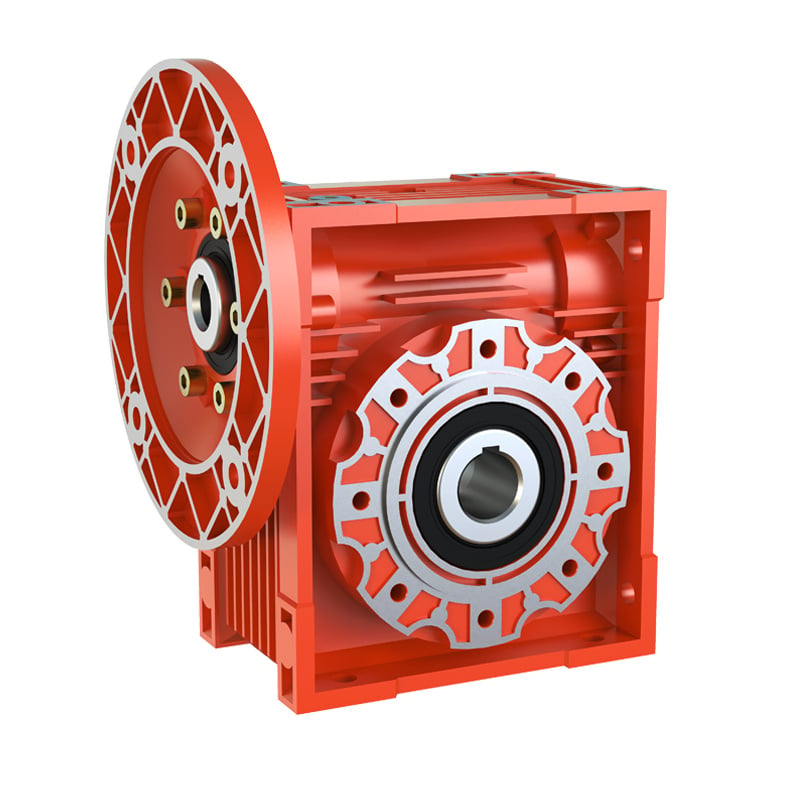
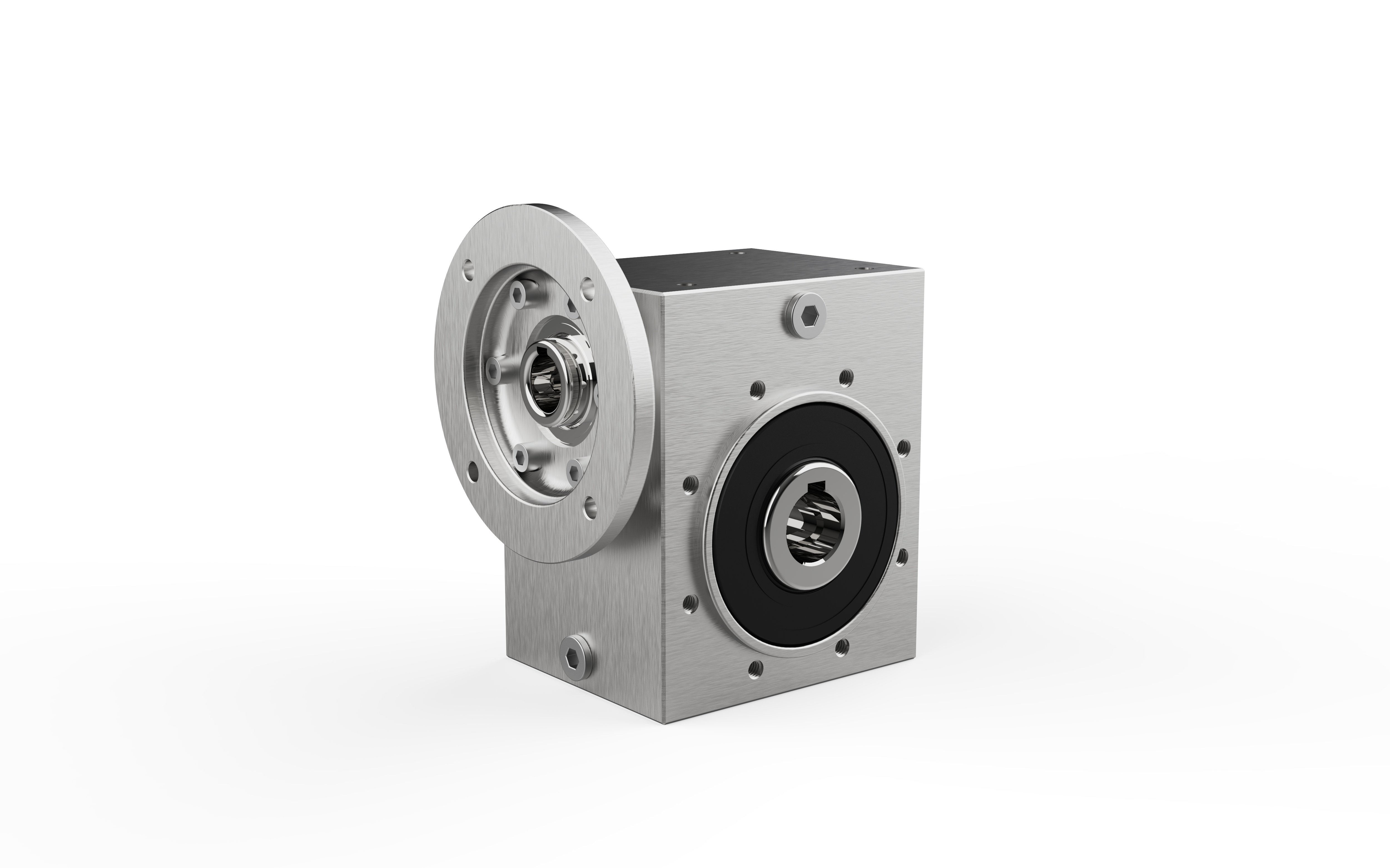
As we all know, gearboxes are most commonly connected to motors, so to properly match this combination, you need to know the necessary parameter information.
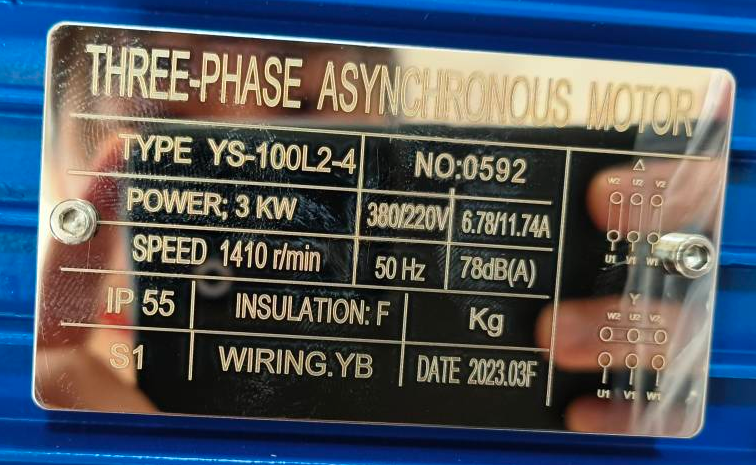
The motor nameplate is the most direct way to know this parameter information, covering key information such as motor performance, specifications, installation, and operating conditions. Below is a detailed explanation of common motor nameplate parameters:
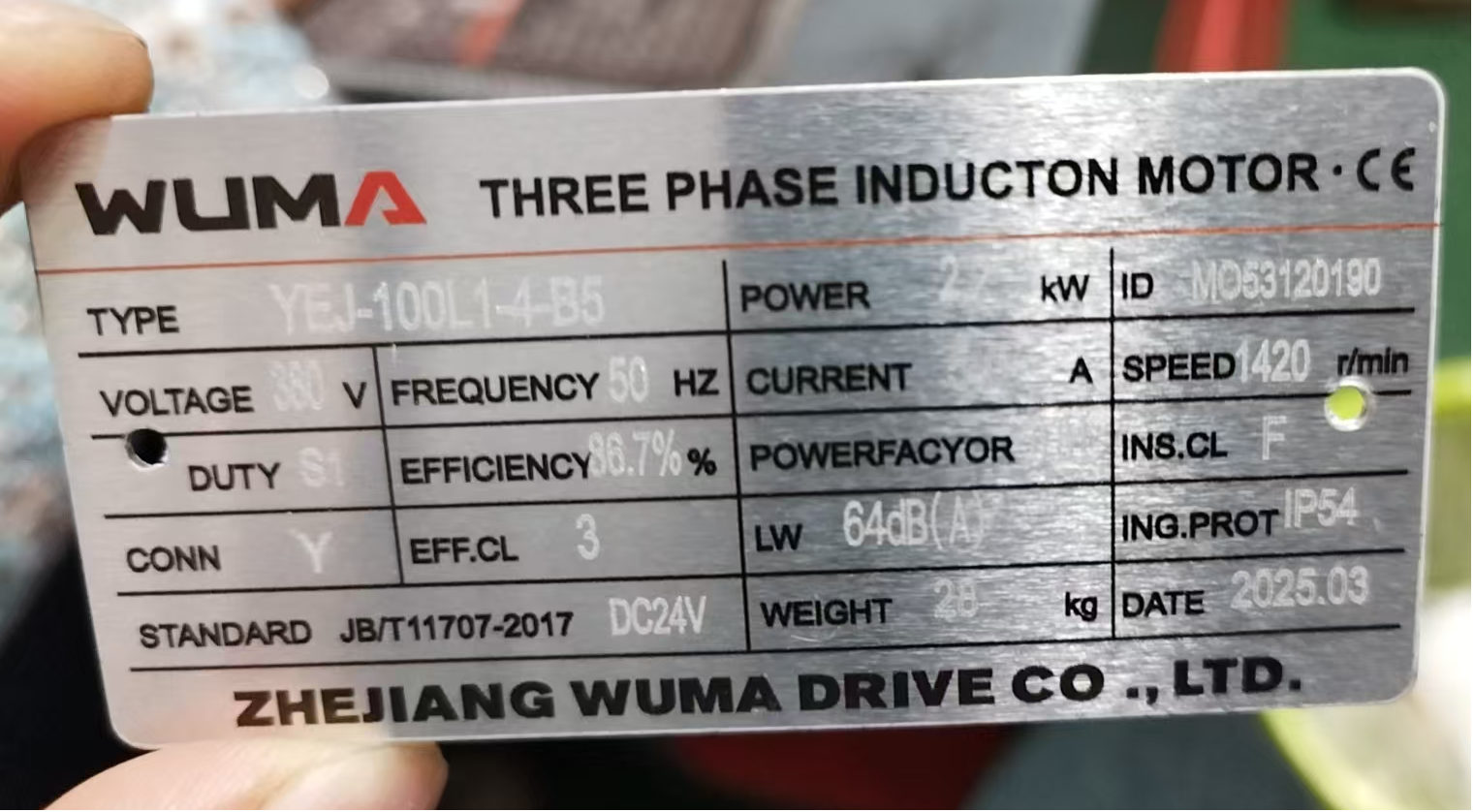
1.Model Number
The format is usually "Series + Frame Size + Motor Poles + Other Characteristic Codes". For example, in "Y112M-4", "Y" means standard three-phase asynchronous motor, "112" means the frame center height (unit: mm), "M" means a medium frame size, and "4" means the number of poles.
2. Rated Power
The mechanical power output on the shaft of the motor under rated operating conditions, measured in kilowatts (kW) or horsepower (HP). For example, "10kW" or “3HP”.
3. Rated Voltage
The line voltage required for the stator windings of the motor to operate at rated speed.
Common values are 220/380V and 380/660V. Ensure the power supply voltage matches the nameplate; otherwise, motor performance or damage may occur.
4. Rated Current
The line current of the stator windings of the motor under rated voltage, rated power, and rated load, measured in amperes (A). Used for selecting the specifications of equipment such as power cables, switches, fuses, and thermal relays.
5. Rated Frequency
The frequency of the AC power supply to which the motor is connected. The Chinese standard is 50Hz, but some exported motors may be marked 60Hz (for use with power grids in Europe and America).
6. Rated Speed
The rated speed of the motor under rated voltage, rated frequency, and rated load, expressed in revolutions per minute (r/min). The number of poles is related to the speed; for example, a 2-pole motor is about 3000 r/min, and a 4-pole motor (gear box are the most commonly used) is about 1500 r/min.
7. Insulation level
Indicates the heat resistance class of the motor winding insulation material. Common classes include B (130℃), F (155℃), and H (180℃). The higher the insulation class, the stronger the motor's high-temperature resistance. Standard motors typically have an insulation level of F.
8. Protection level (IP level)
The format is "IPXX". The first digit indicates the dustproof class (0-6), and the second digit indicates the waterproof class (0-8). For example, IP54 indicates protection against solid foreign objects larger than 1mm in diameter and the ability to withstand splashes of water from any direction. However, WUMA's standard three-phase motors are usually IP55 protection level.
9. Work system
This refers to the permitted continuous operating time and mode of the motor, categorized as continuous duty (S1), short-time duty (S2), intermittent duty (S3), etc. Different duty cycles result in different heat dissipation and load capacities.
10. Wiring Method
This indicates the connection method of the stator windings, such as star (Y) or delta (△) connection. The wiring method affects the motor's starting current, operating voltage, and power, and must be consistent with the nameplate markings.
11. Power Factor
This is the ratio of active power to apparent power at rated power, reflecting the efficiency of electrical energy utilization. A higher power factor results in lower grid losses, typically between 0.75 and 0.95.
12. Efficiency
This is the efficiency with which a motor converts electrical energy into mechanical energy, usually expressed as a percentage (e.g., 90%). Higher efficiency means a more energy-efficient motor, saving on electricity costs over the long term. 13. Mounting Type
Indicates the motor's mounting method, such as horizontal (V), vertical (B), or flange mounting, which must match the equipment base.
14. Weight
The net weight of the motor, in kilograms (kg) or tons (t), used for reference when transporting, installing, and selecting hoisting equipment.
15. Manufacturer and Production Date
Indicates the motor manufacturer's name, production date, and serial number, used for tracing product quality, checking after-sales service, and assessing insulation aging.
The above parameters are the key information on the motor nameplate. When we using the motor, carefully check the nameplate parameters to ensure that the motor matches the power supply, load, and installation conditions to guarantee safe and stable operation.
Now you know how to check the motor information, right? Give it a try!
If you need gearmotors or have questions about matching and selection, please feel free to contact us:
T/F: +86-577-88134158
Email: [email protected] (Bella)
Web: www.wumareducer.com
 Hot News
2026-08-26
2026-08-18
2026-08-15
2026-08-11
2026-07-31
2026-07-29
Welcome to Wuma , a manufacturer committed to developing and manufacturing various types of gear reducers and gearmotors for the field of gear transmission.
No. 10, Xiangcun Industrial Zone, Dongyuan Town, Qingtian County, Lishui City, Zhejiang, China
Copyright © Zhejiang Wuma Drive Co., Ltd All Rights Reserved Privacy Policy Blog
 EN
EN