EN
EN

-
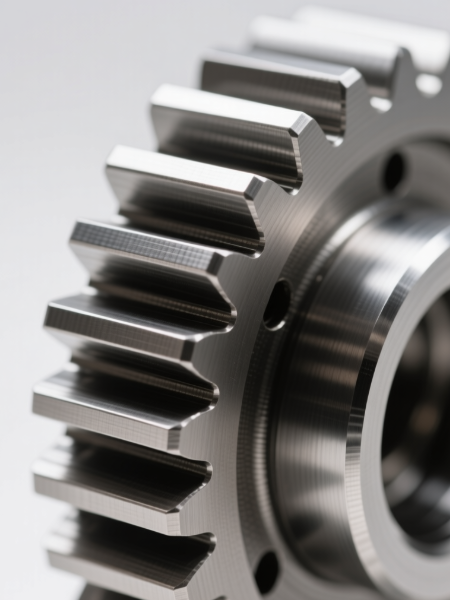
How to Remove the Grease in Reducer
The accumulation of grease inside the reducer can lead to friction, heat generation and wear, thereby significantly shortening the service life of the reducer. This article will introduce to you in six steps how to safely and effectively remove greas...
Feb. 18. 2026 -
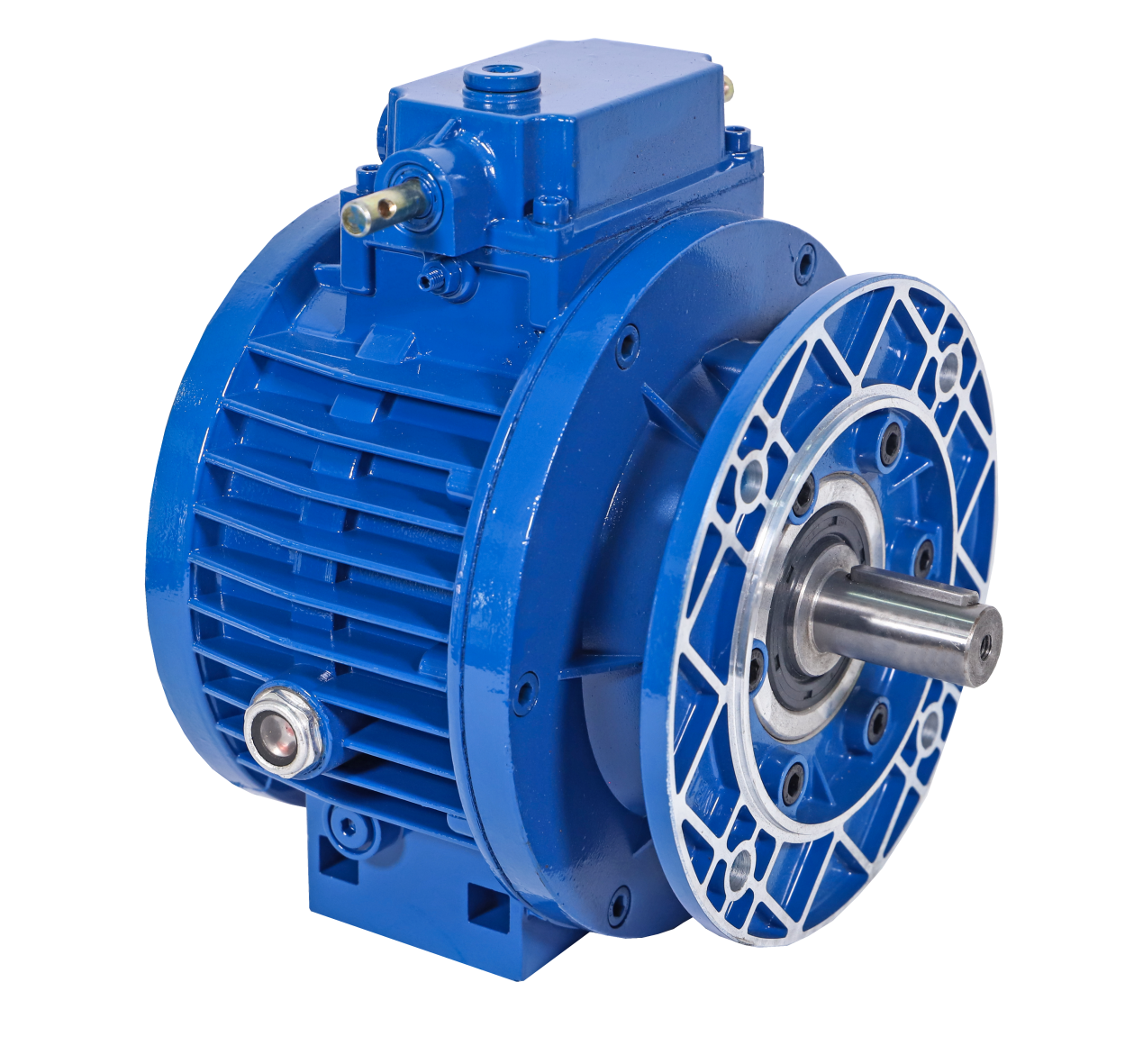
The transmission principle and usage precautions of a planetary cone disk continuously variable transmission (variator gearbox).
The mechanical planetary cone disk variator is a sophisticated continuously variable transmission device. It can achieve continuous and smooth changes in output speed within a predetermined range by mechanical adjustment while maintaining a constant ...
Feb. 16. 2026 -
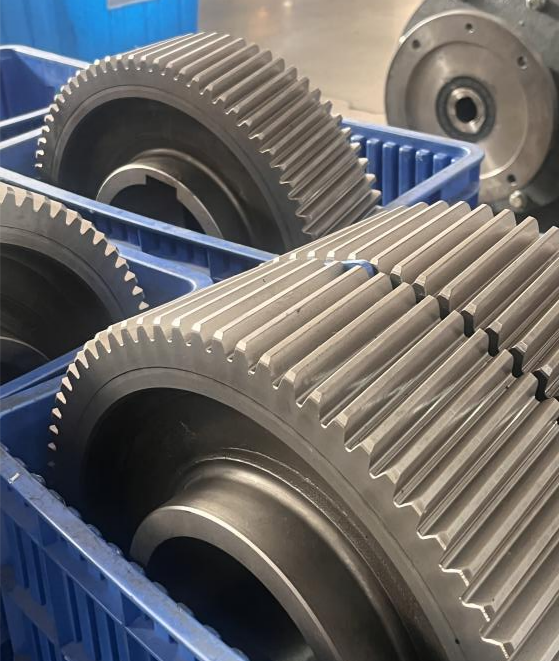
Causes and suggested solutions for excessive noise and vibration in speed reducers
I. Main Causes of Excessive Gear Reducer Vibration Excessive gear reducer vibration can be caused by various factors, including the following: Gear tooth surface wear, scuffing, pitting, poor contact between gear meshing surfaces, and uneven stress c...
Feb. 14. 2026 -
Picked the right specs, but still getting noise & overheating? You might be missing this key factor.
We've all been there. You check the power, torque, ratio—dimensions fit perfectly. But once running, something feels off: it runs hotter, louder, or just doesn't last as long as expected. Often, it's not a "bad" reducer. The real issue usually ...
Feb. 12. 2026 -
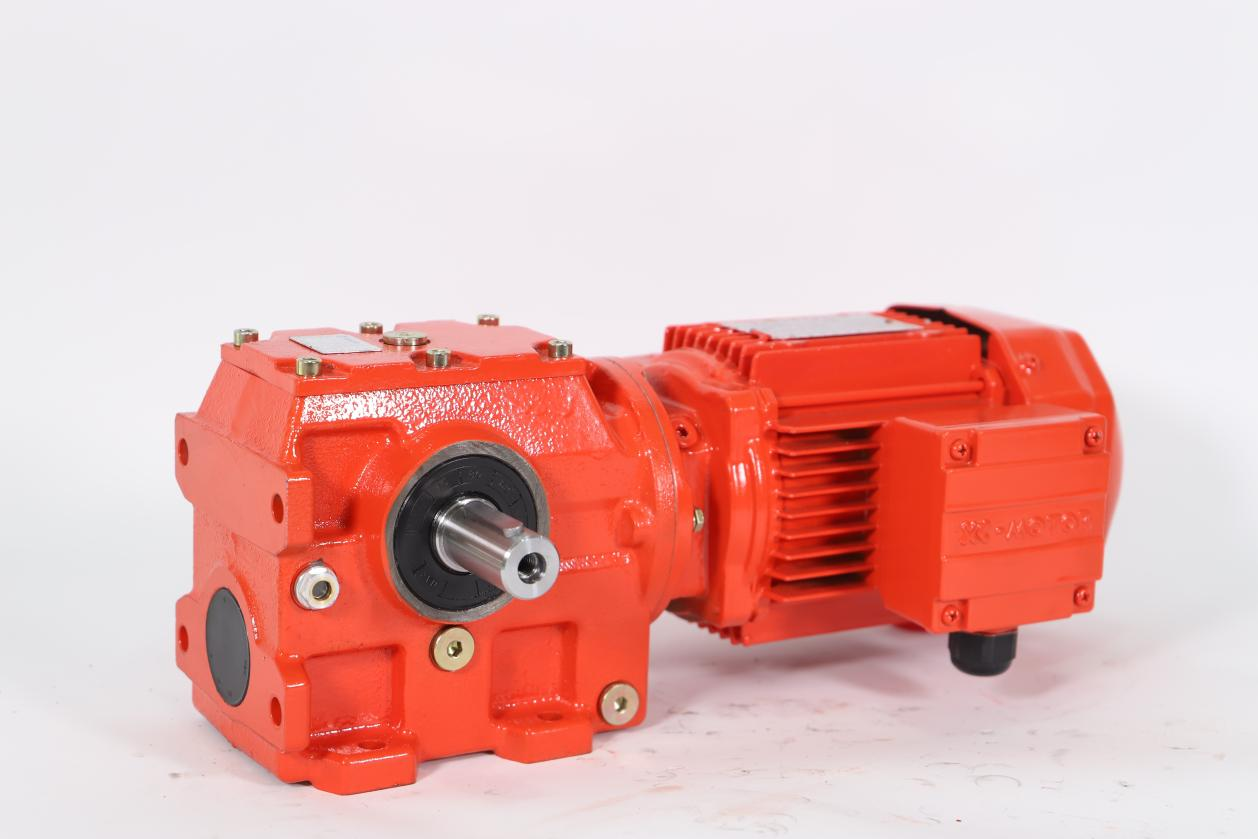
Why Your Gearbox Shaft is Wobbling (And How to Fix It Yourself)
A wobbly output shaft might seem small—but ignore it and things get worse. It’ll wear out parts faster, cause breakdowns, and cost you more money. Let’s figure out why it’s happening and what you can do about it. Why It Wobble...
Feb. 10. 2026 -
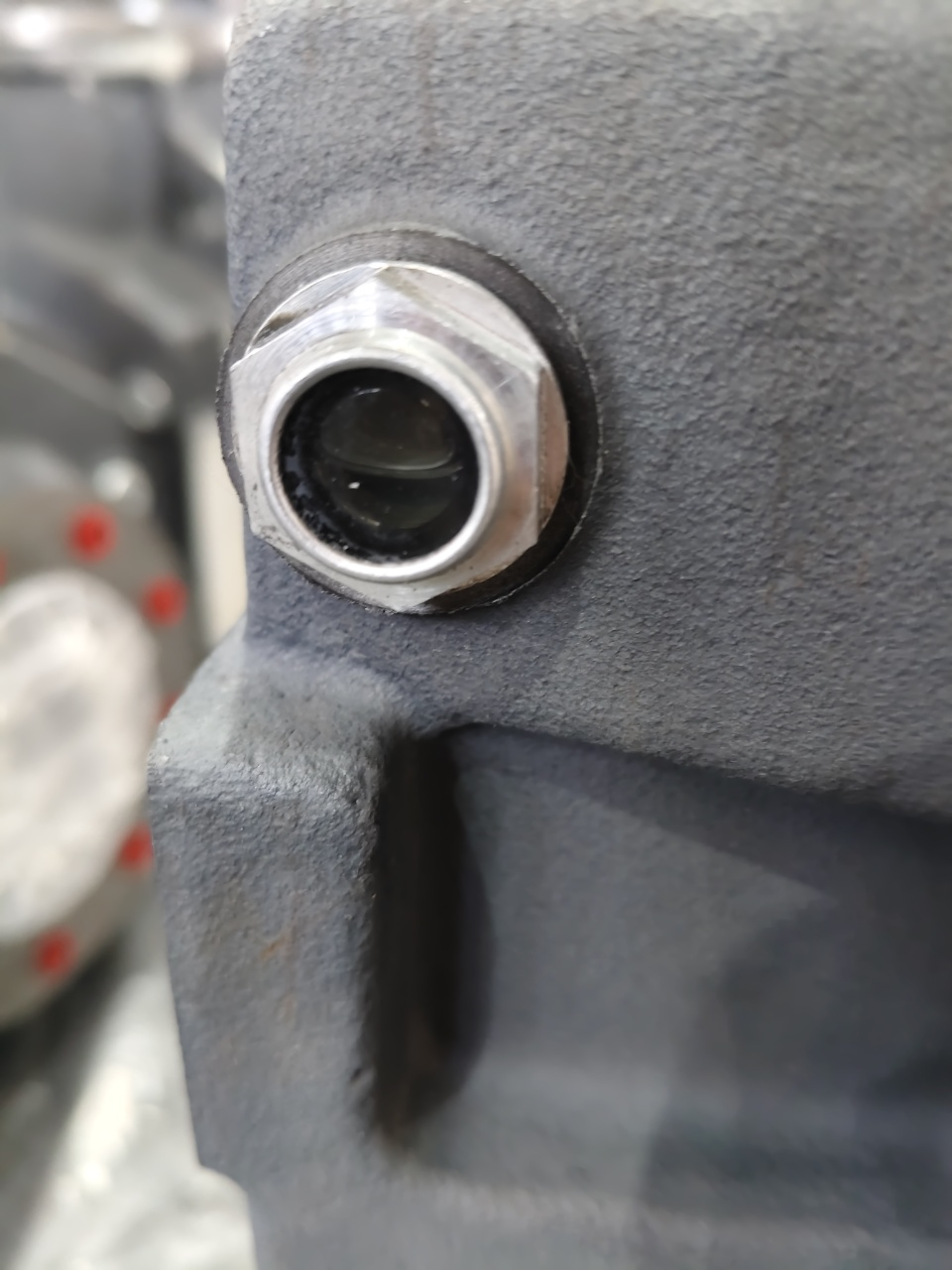
What are the effects of insufficient or excessive lubricating oil in a speed reducer?
I. Insufficient Lubricating Oil (Lack of Lubricating Oil/Low Oil Level) This is a more serious and alarming situation, directly causing rapid wear and damage to the equipment. Poor Lubrication and Rapid Wear: Consequences: Gears, bearings, and other ...
Feb. 08. 2026 -
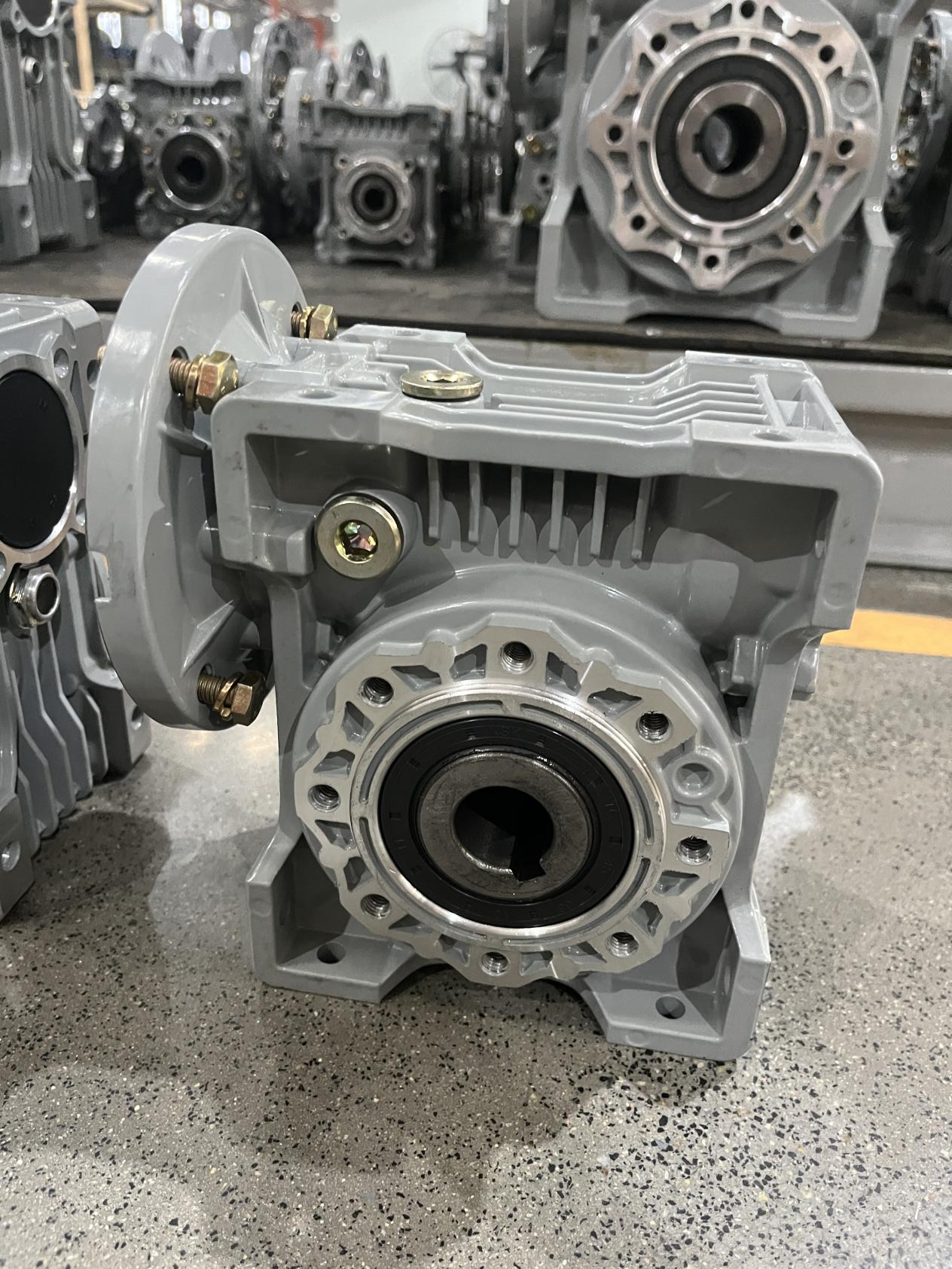
Hidden Dismantling Technician vs. The Perfect Anti-Loosening Partner: The Philosophy of Details on RV Gearbox Screws
Have you ever noticed that the screws on the input flange of an WMRV reducer gearbox always come with a flat washer and a spring washer? This seemingly simple combination is a key line of defense against the equipment's "invisible killer"—vibra...
Jan. 31. 2026 -

What is the pressure angle of gears?
An appropriate gear pressure angle helps the reducer achieve the best efficiency. If the pressure angle is too large or too small, it will cause wear, noise and even premature loss of function.In this article, we will tell you how to select the type ...
Jan. 29. 2026 -
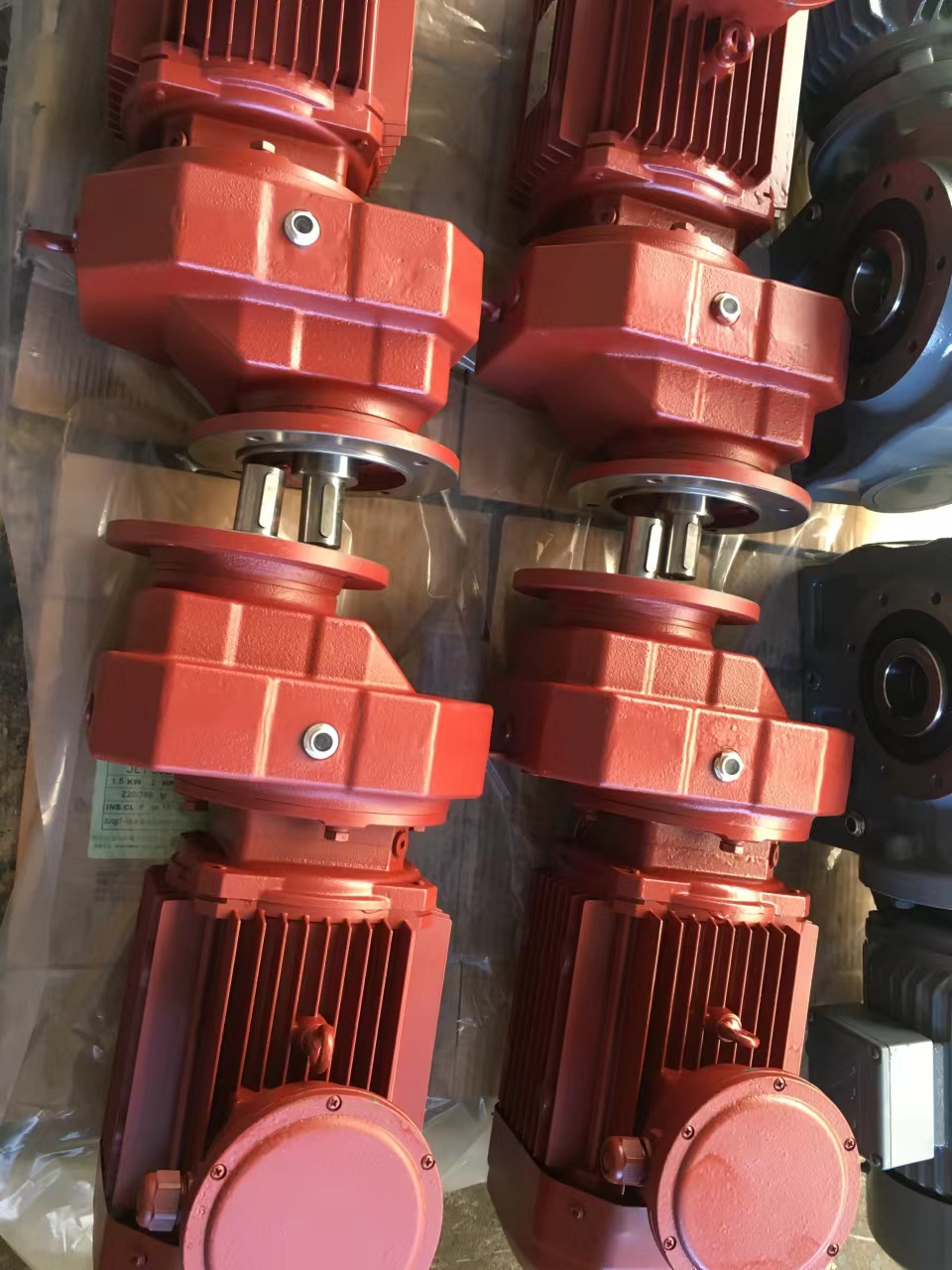
The impact of oil viscosity index on the stable operation of the gear reducer.
The lubricating oil directly affects the equipment's operating efficiency and service life. Among the many parameters of oil, viscosity is the most crucial physical indicators. Viscosity grade and viscosity index is two key parameters of viscosity wh...
Jan. 28. 2026 -
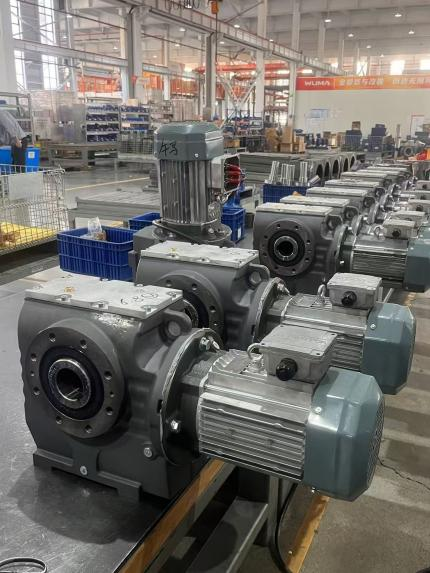
New Reducer, Why Does the Keyway Fail First?
So you just installed a new reducer, but the keyway wore out or got damaged way too fast. Super annoying, right? Usually, it comes down to a few common issues. 1.The key size is off. Maybe the key itself is too narrow, too thin, or just the wrong hei...
Jan. 27. 2026 -
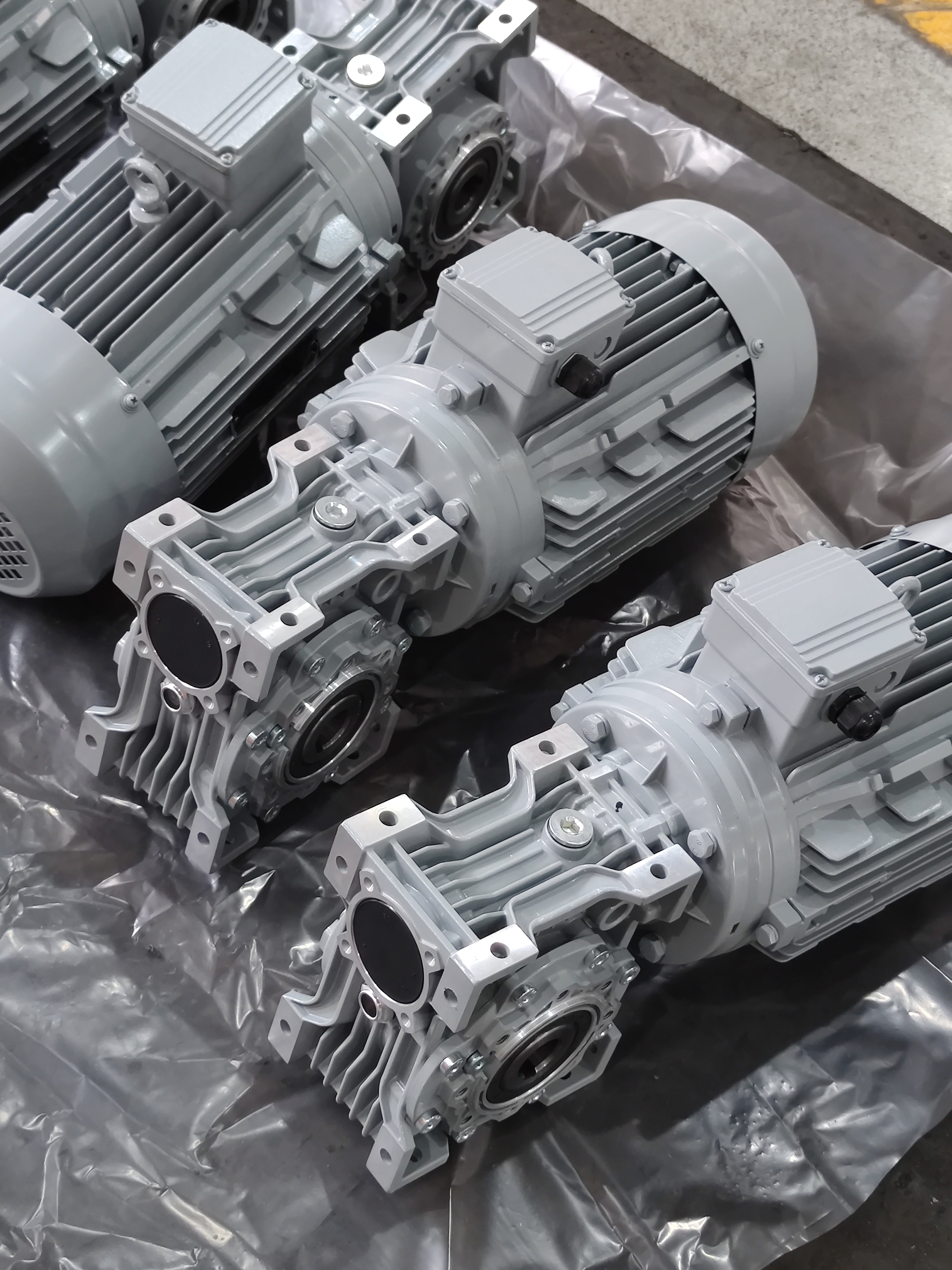
Golden Partner——Reducer and Motor
Stepping into a factory workshop, you'll notice an interesting phenomenon: almost every motor is accompanied by a component called a “reducer”. Unlike a motor that roars and generates power, it quietly becomes the “core regulat...
Jan. 26. 2026 -
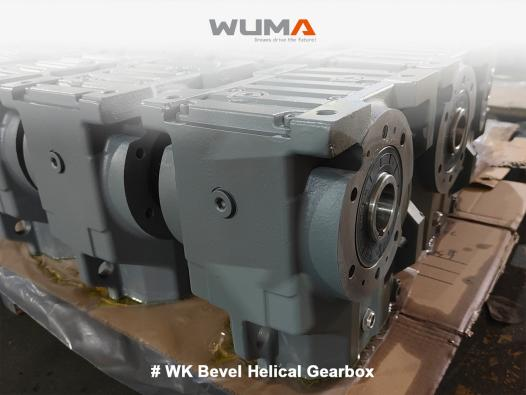
WK Series Bevel-Helical Gearbox VS WF Series Parallel Shaft Helical Gearbox
The WK series helical gear reducers have their input and output shafts at a 90-degree angle—so they’re perfect for vertical power transfer when a worm gear just won’t cut it efficiency-wise. Then there’s the WF series parallel...
Jan. 22. 2026