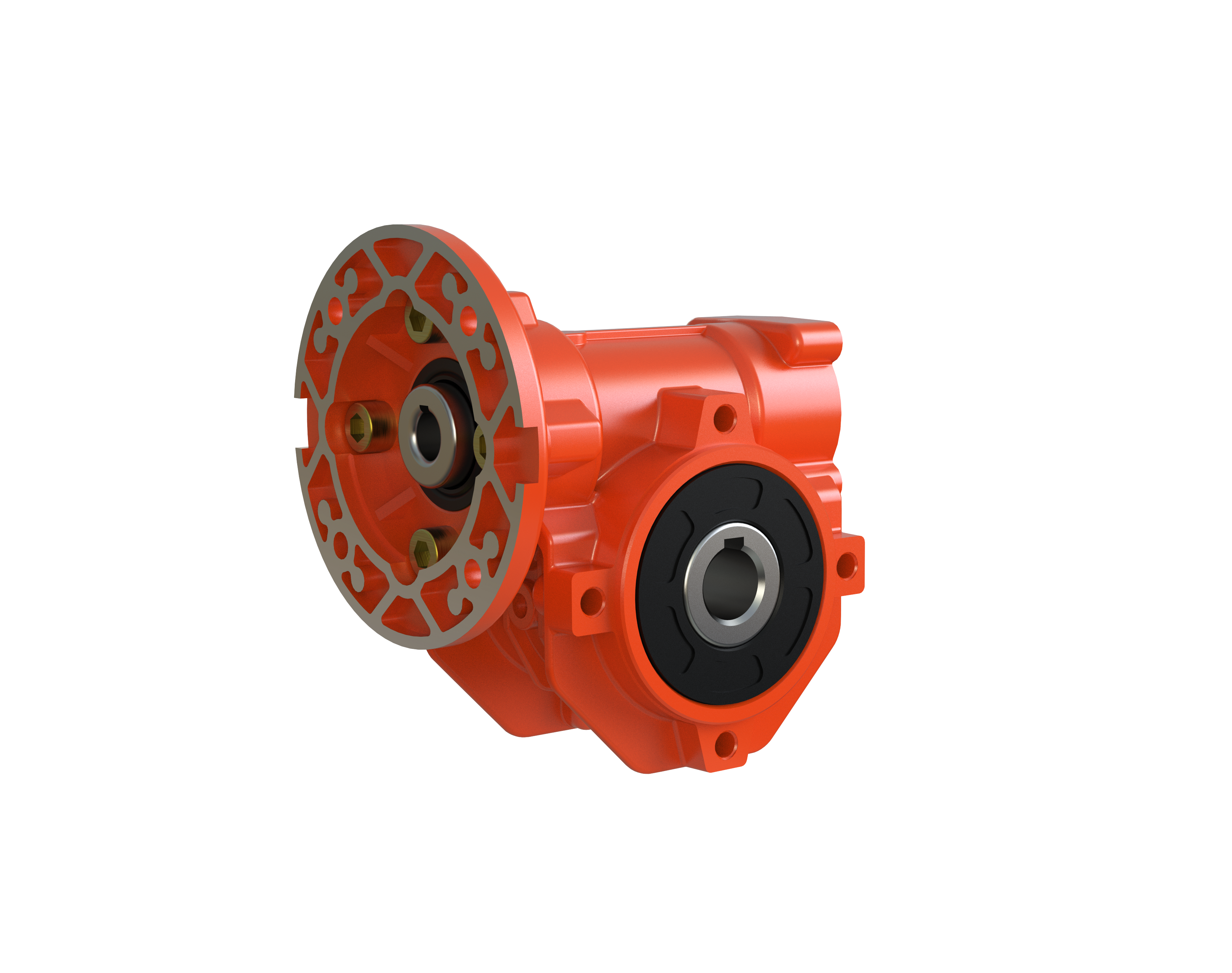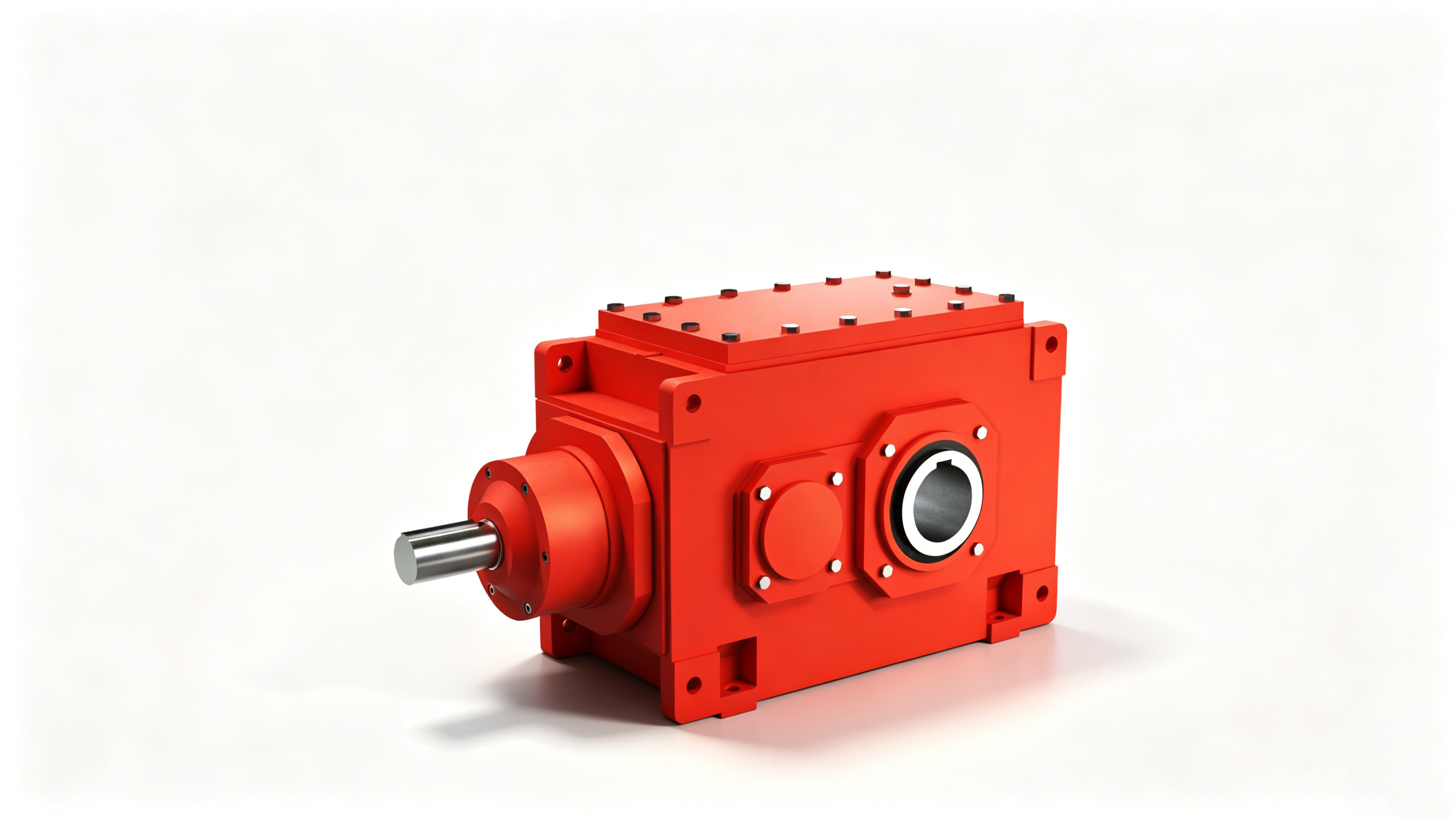
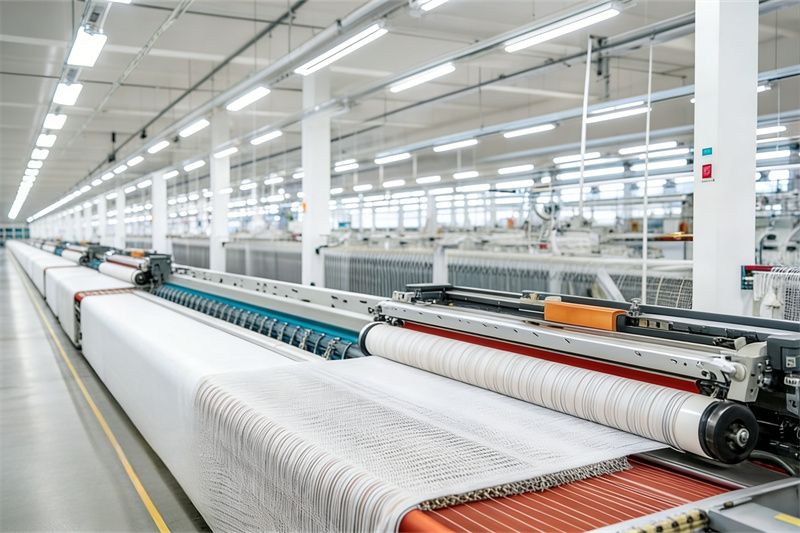
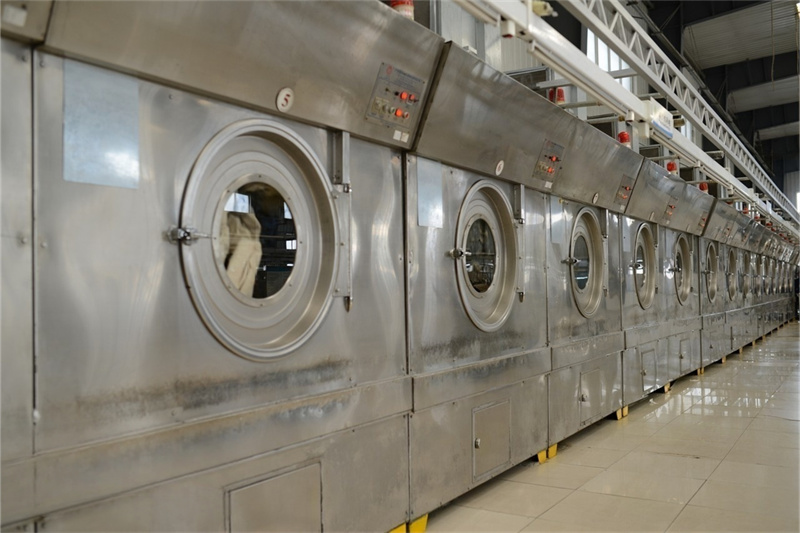
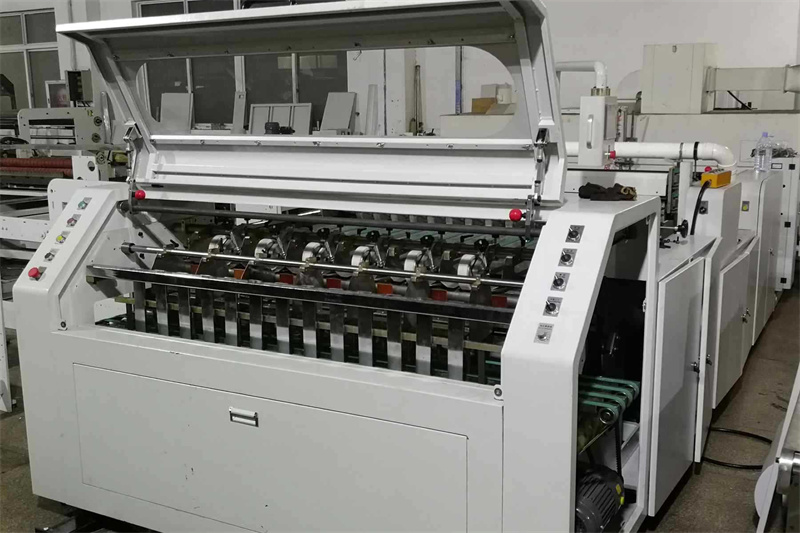
Gear reducers are core power transmission components in textile and printing production lines. By converting high-speed motor operation into low-speed, high-torque output, they ensure the accuracy, synchronization, and stability of equipment operation, meeting the core needs of automated and continuous production in both industries.
I. Core Application Scenarios and Compatible Models
Textile Industry Equipment
Spinning Equipment (Insulators, Carders, Spinning Frames)
Requirements: Smooth low-speed operation, constant tension control to prevent yarn breakage and ensure yarn quality.
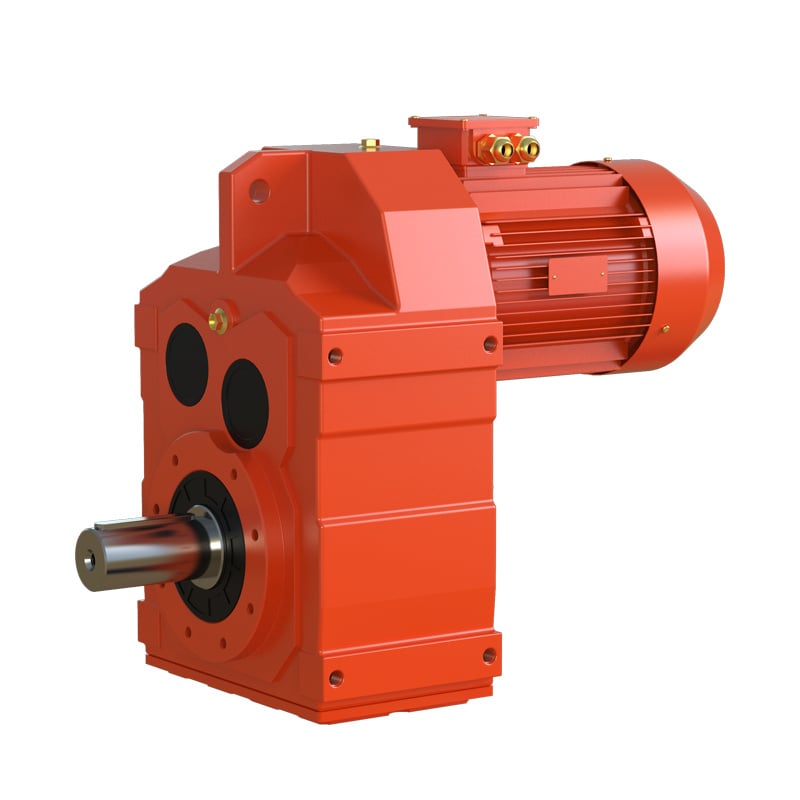
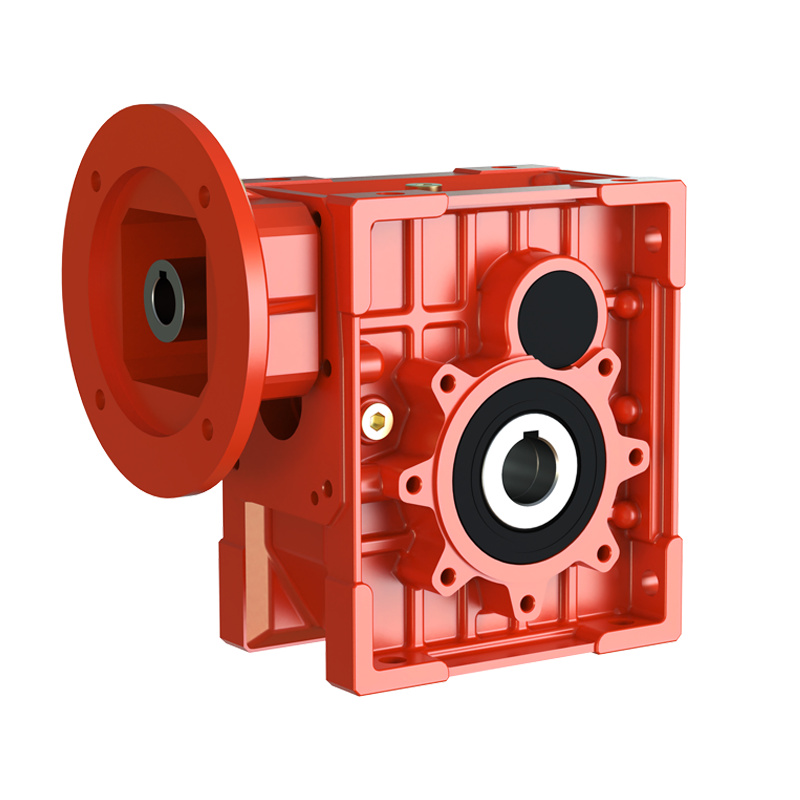
Compatible Models: Hardened gear reducers (high efficiency, low noise, stable transmission, suitable for 24-hour continuous production); worm gear reducers (self-locking function to prevent reverse rotation when the equipment stops).
Weaving Equipment (Rapier Looms, Air-Jet Looms, Water-Jet Looms)
Requirements: Synchronous linkage of multiple mechanisms, high-frequency start/stop, precise positioning to ensure warp and weft yarn interlacing accuracy.
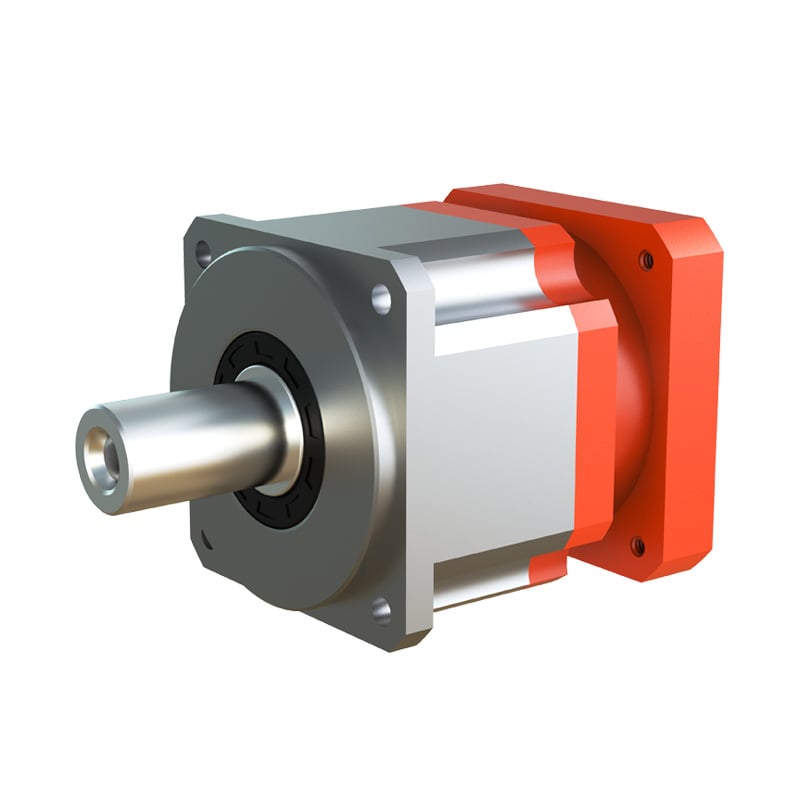
Compatible Models: Servo planetary reducers (low backlash, high response speed, used in conjunction with servo motors for precise control of loom shedding and weft insertion). Dyeing and Finishing Equipment (Dryers, Stenters, Printing Machines)
Requirements: Resistant to damp heat corrosion, high torque output, adaptable to high-temperature and high-humidity dyeing and finishing environments.
Compatible Models: Corrosion-resistant gear reducers (coated or stainless steel, suitable for damp and hot conditions); coaxial reducers (compact structure, saving equipment installation space).
Printing Industry Equipment
Prepress Equipment (Paper Cutters, Plate Making Machines)
Requirements: High rigidity, impact load resistance, precise control of cutting dimensions and plate making accuracy.
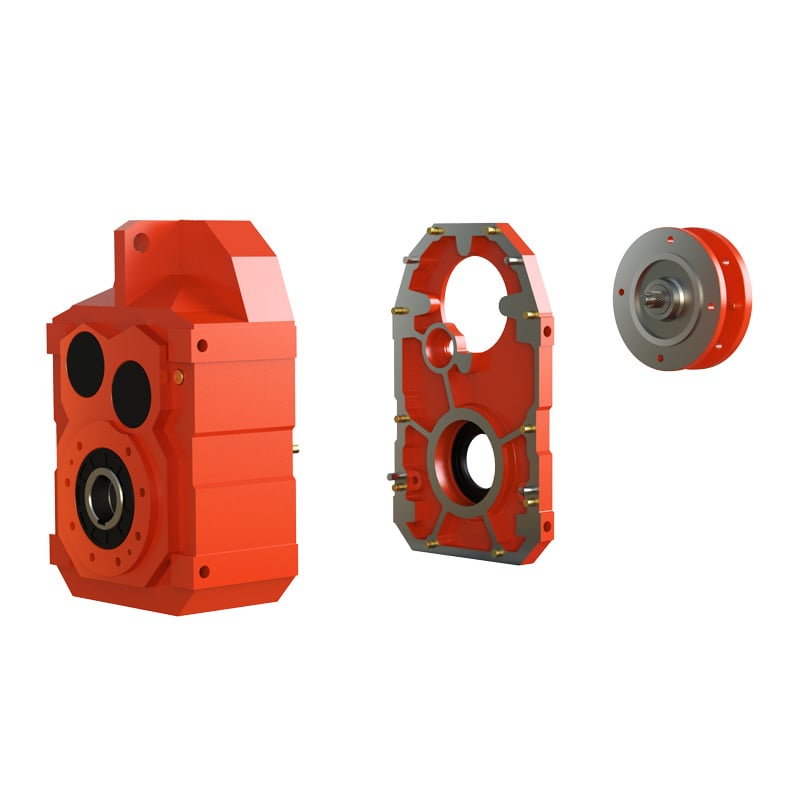
Compatible Models: Heavy-duty hard-tooth surface reducers (high load-bearing capacity, able to withstand the instantaneous impact of paper cutters).
Printing Equipment (Offset Printing Machines, Flexographic Printing Machines, Gravure Printing Machines)
Requirements: Synchronous operation of multiple color groups, high registration accuracy, adjustable speed, ensuring clear alignment of printed patterns.
Compatible Models: Precision planetary reducers (low backlash <3 arc minutes, achieving precise synchronization between color groups); helical gear reducers (low noise, suitable for high-speed printing production lines).
Post-press Equipment (Die-cutting Machine, Laminating Machine, Gluing Machine)
Requirements: High torque and high-precision positioning to ensure dimensional consistency in die-cutting and laminating.
Compatible Models: Harmonic reducer (small size, high transmission precision, compatible with die-cutting machine blade drive); Gear reducer motor (integrated design, easy installation, reducing equipment debugging difficulty).
II. Core Value
Synchronous Precision: Low backlash and high rigidity transmission performance ensure high-precision control in textile weaving and printing, improving product yield.
Adaptable to Operating Conditions: Customized design resistant to humidity and corrosion, adaptable to the complex working conditions of high temperature and humidity in textile dyeing and finishing, and ink dust in printing workshops.
Stable and Efficient: Adaptable to continuous production line operation requirements, low failure rate, reduced downtime for maintenance, and improved production efficiency.
Flexible Speed Adjustment: Compatible with frequency converters and servo control systems, supporting rapid switching between different fabrics and printed product specifications to meet multi-category production needs.
III. Selection Guidelines
For high-precision processes (weaving opening, printing overprinting), servo planetary gear reducers are preferred; for heavy-duty, continuous operation scenarios, hardened gear reducers are recommended.
In humid environments such as textile dyeing and finishing, and printing, reducers with anti-corrosion coatings or stainless steel materials, and an IP65 or higher protection rating, are necessary to prevent dust and moisture intrusion.
Pay attention to the reducer's synchronization and backlash specifications. For multi-color printing equipment, the backlash must be ≤5 arc minutes to avoid overprinting errors.
Allow a 20%-30% torque margin during selection to handle sudden impact loads and extend the equipment's service life.
Welcome to Wuma , a manufacturer committed to developing and manufacturing various types of gear reducers and gearmotors for the field of gear transmission.
No. 10, Xiangcun Industrial Zone, Dongyuan Town, Qingtian County, Lishui City, Zhejiang, China
Copyright © Zhejiang Wuma Drive Co., Ltd All Rights Reserved Privacy Policy Blog
 EN
EN