Pagina prima>Notitiae&Liber Blog>Scientia Popularis Industriae
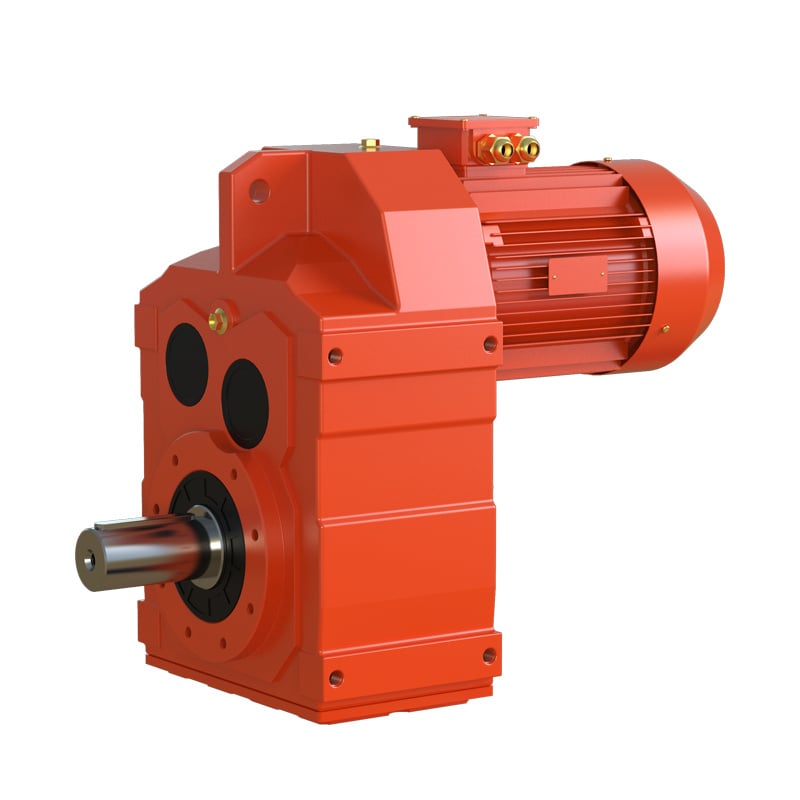
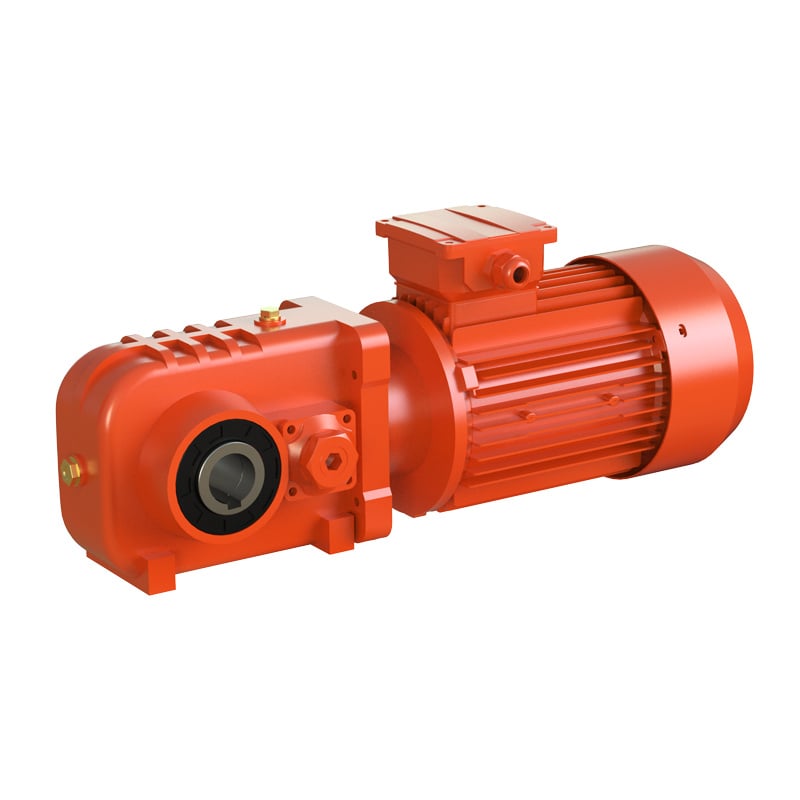
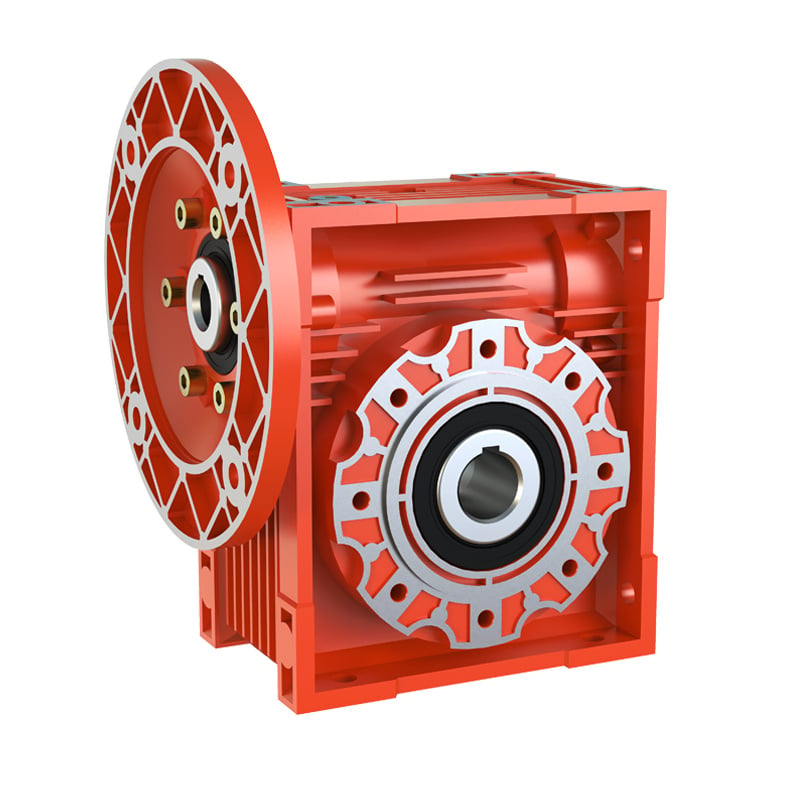
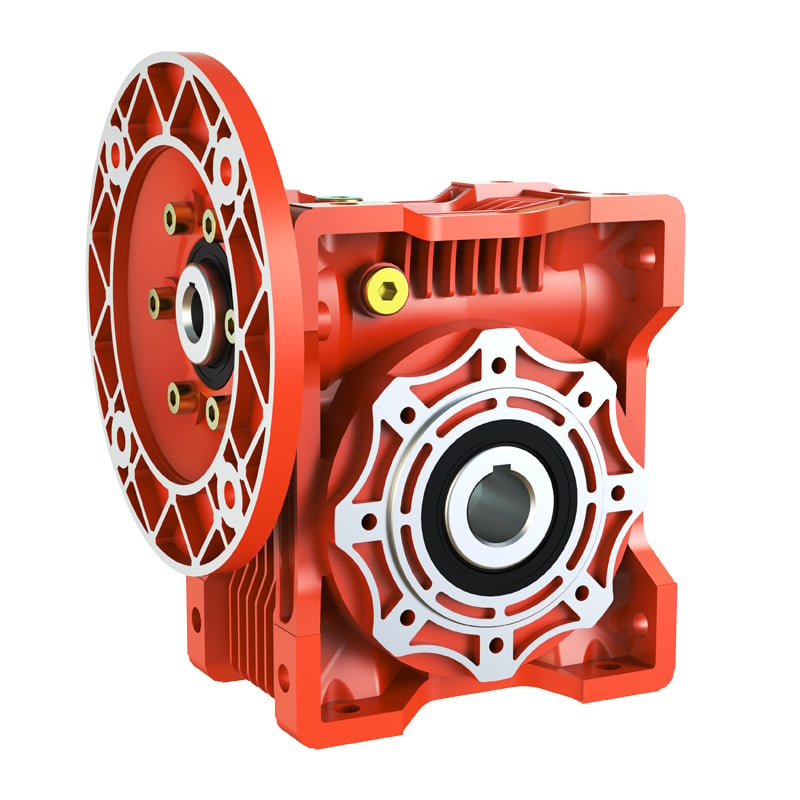
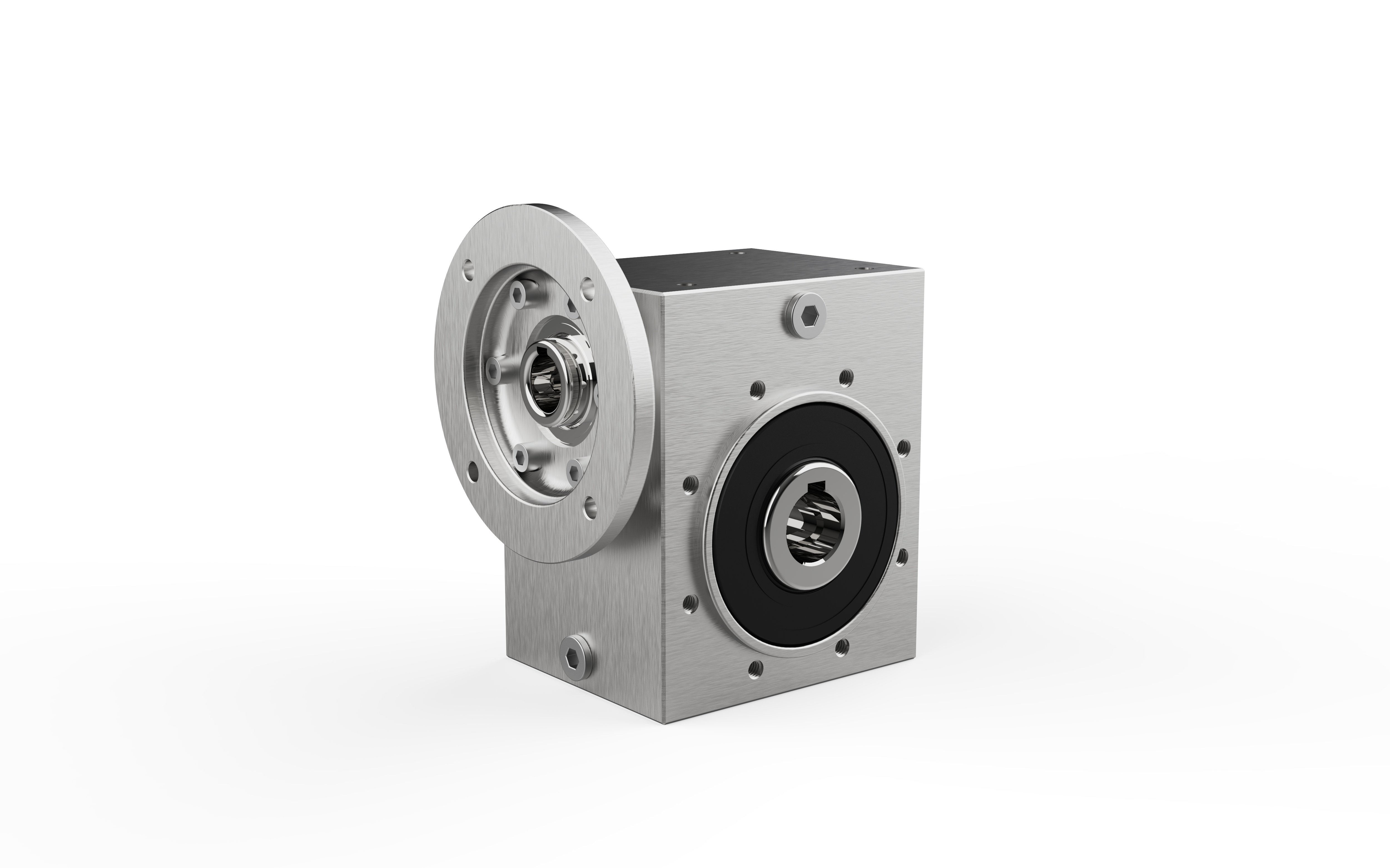
In modernis fabricis ciborum, partes principales machinarum impaquetandorum saepe utuntur reductoribus velocitatis ex stanno inoxydabili. Hoc propter securitatem, hygienem et operationem fidam fit. Hodie, disseramus de rationibus huius rei.
Minae Invisae: Pericula Casticulorum Conventionalium :
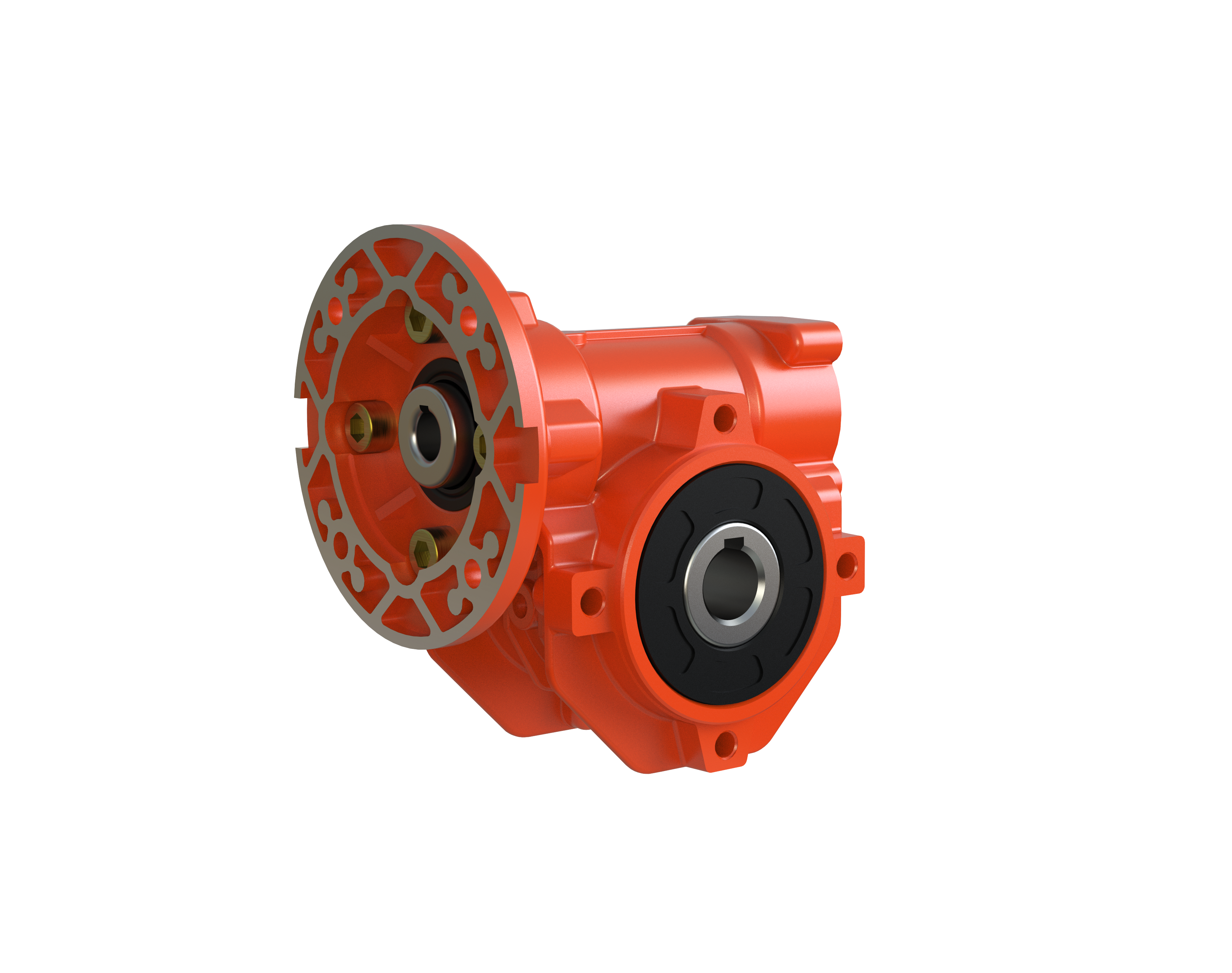
In productione ciborum, reductores velocitatis aquam, vaporem, detergents et detrita cibaria patiuntur. Reductores vulgares e ferro fuso vel ex stanno carbonaceo saepe duo problemata habent:
1.Rustica: Si tegumentum superficiale abraserit, ferrum ruggine corrumpi potest. Particulae ruginis in aedificio diffundi possunt.
2.Superficies sordibus refertae: Superficies asperae facile oleum et microorganismos colligunt, creantes angulos insalubres.
Praeclara innata stanni inoxydabilis: geniti pro industria cibaria
Reductores velocitatis ex stanno inoxydabili tribus de causis practicis communiter utuntur:
•Rusticitatem resistit. Materies eorum corrosionem praestat.
•Luminosa superficies :Facile purgatur, nullis angulis mortuis relinquendis ad sanitatem.
•Resistentia chemica: Frequens lavacrum variis detergentibus et disinficientibus alimentariis ferre potest.
•Resistibilem aquae. Eorum structura clausa contra aquam in lavando protegit.
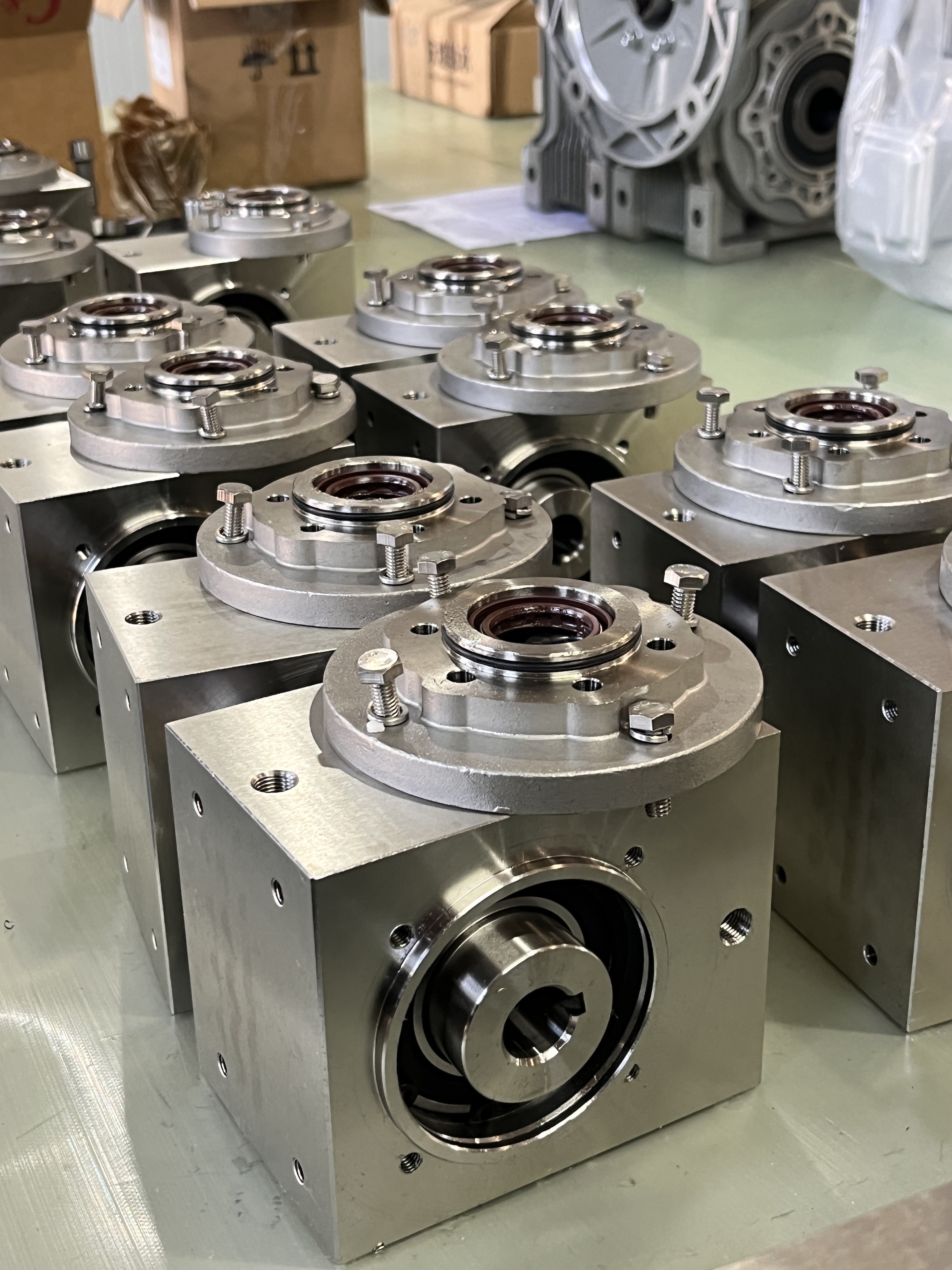
Quomodo Celeritatis Reductorem ex Acciaio Inox Selegeris
1. Acciaium inox 304: Hoc est genus frequentissimum. Bene corrosioni restat et in plerisque locis productionis alimentorum utile est.
2. Acciaium inox 316: Molybdaenum continet ad meliorem corrosionis resistentiam. Optimum est locis alti salinis vel acidi.
3. Finis superficiei: Elige finitionem politam quae sit tuta ad contactum cum cibo.
Selige idoneum gradum protectionis
Praeter materiam, etiam performantia obsignandi aequally importans est:
IP65: Excludit pulverem et levis spraes aquae. Utere in locis siccis vel leviter humidis.
IP66/IP67: Restistit fortibus iactibus aquae vel immersioni temporariae. Utere in locis qui requirunt purgationem profundam.
IP69K: Maxima protectio. Ferre potest purificationem ad altam pressionem et vaporem calidum. Utere in locis ubi valent regulae hygienicae strictissimae.
Mantentio cotidiana: ut reductores velocitatis ex stanno inoxydabili diutius durent
Saepius signa inspice. Adtende ne sint integra, ut aquam extrinsecus prohibeant dum lavatur.
Evita scrobiationem superficiei: Scrobiationes superficiales laminam oxydi laedere possunt et initium corrosionis esse.
Purgamenta idonea utere. Ne purgamenta usuras cum alto contento chloridi uteris.
Lubrica saepius. Utere unguento alimentario. Hoc machinam protegit et productioni tutum est.
Supra dicta sunt introductio ad reductores velocitatis ex stanno inoxydabili et eorum mantentionem cotidianam. Si quae necessitates habes de reductoribus velocitatis ex stanno inoxydabili, me adtende ad [email protected].
 Nova Calida
2026-08-26
2026-08-18
2026-08-15
2026-08-11
2026-07-31
2026-07-29

Salve in Wuma, fabricante quod se obligavit ad res et fabricandas varii typi reductores et motoreductores ad transmissionem rotae dentatae.
No. 10, Xiangcun Industrial Zone, Dongyuan Town, Qingtian County, Lishui City, Zhejiang, China
Copyright © Zhejiang Wuma Drive Co., Ltd All Rights Reserved POLITICA PRIVATITATIS Blog
 EN
EN