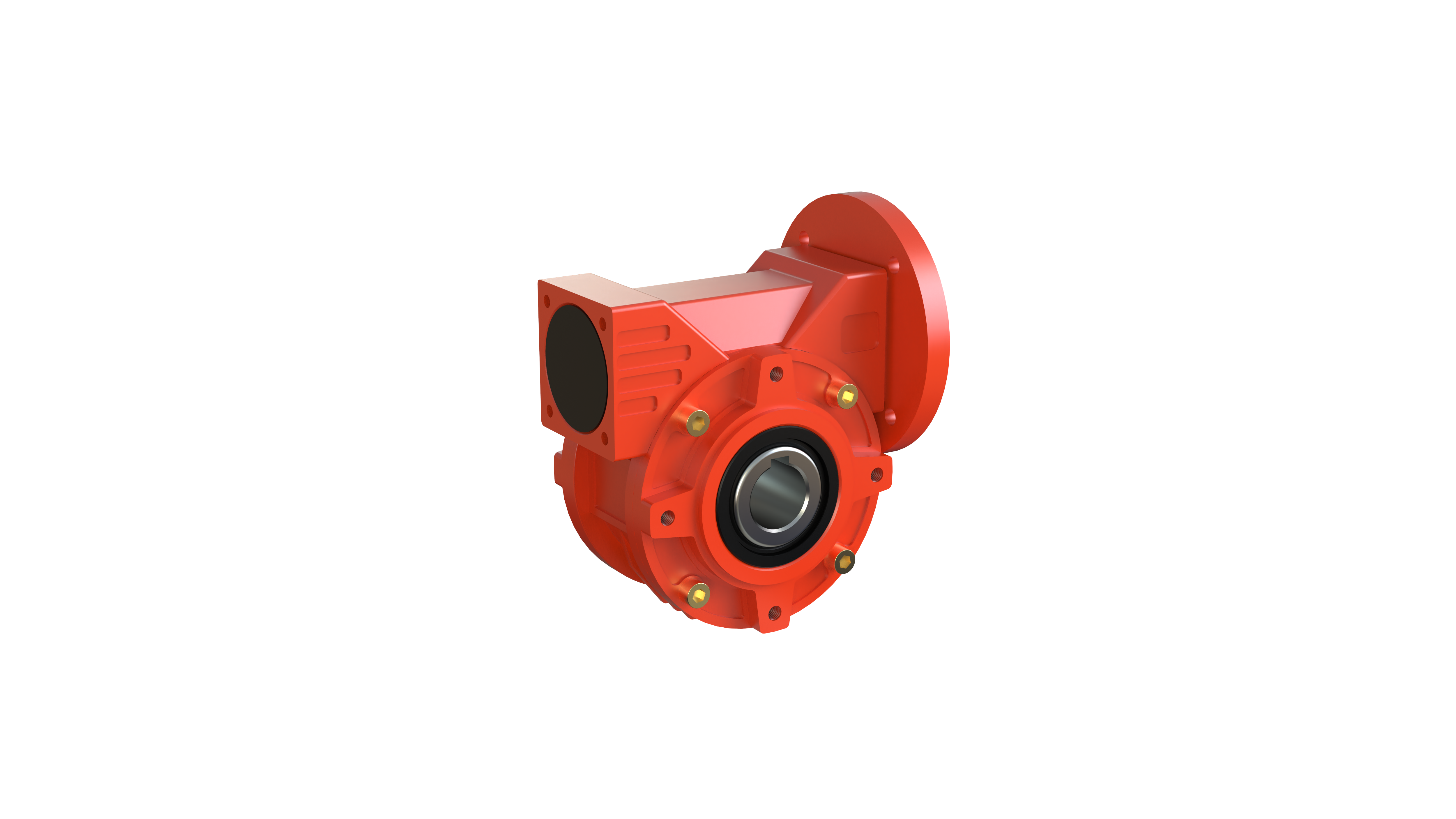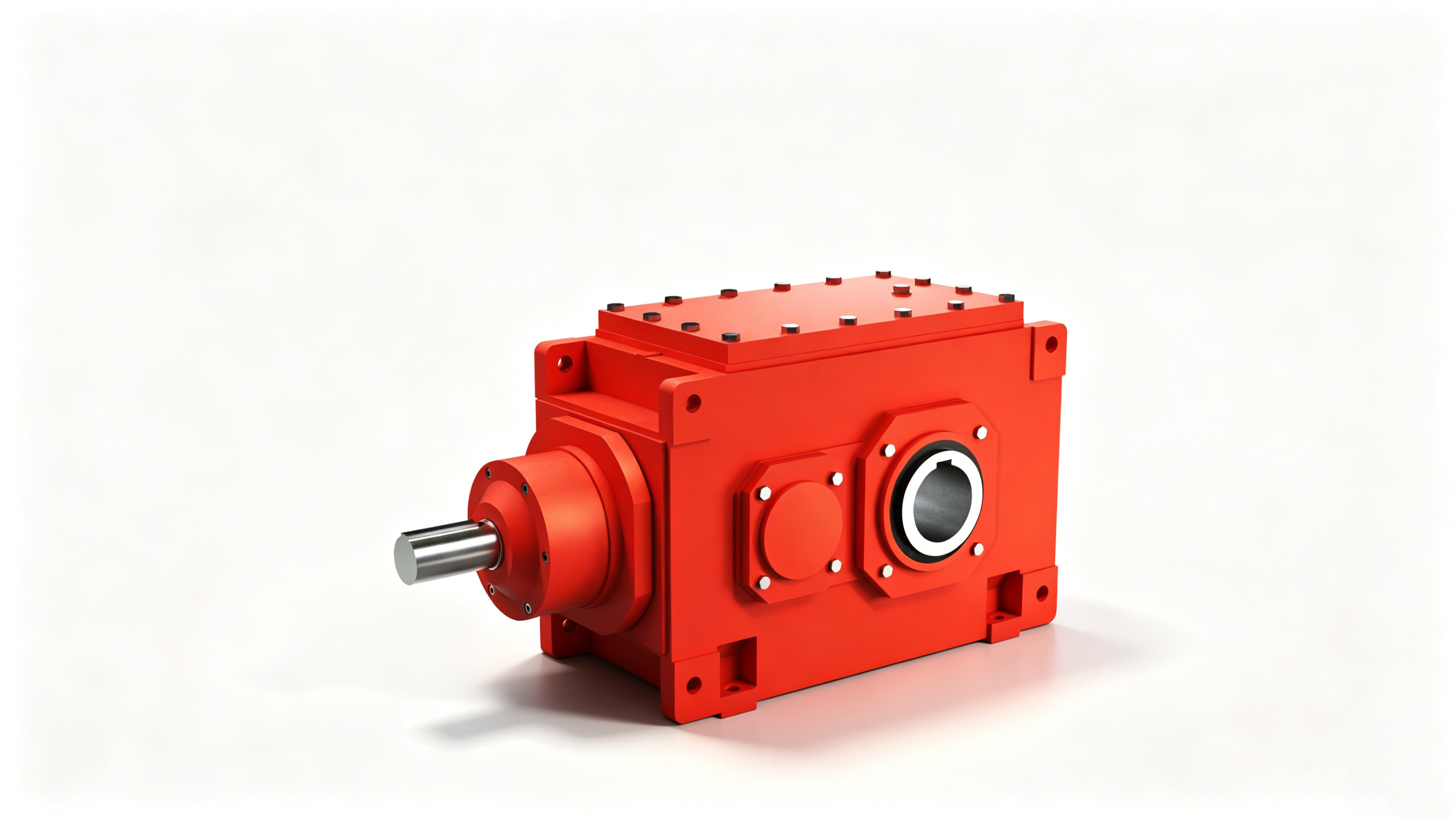

When we discussing temperature rise, it's crucial to distinguish between two key concepts: temperature and temperature rise.
Absolute temperature is the actual measured temperature of the reducer's housing or oil sump.while temperature rise is the difference between the working reducer's temperature and the initial ambient temperature. Compared to temperature, temperature rise is the true indicator of a reducer's operating condition.Therefore, the temperature rise usually appears in the test report.
It's a normal physical phenomenon for speed reducers to generate heat during operation, but this double-edged sword needs careful handling. A certain degree of temperature rise indicates that the equipment is effectively transmitting power, while excessively high temperatures often signal internal malfunctions. Understanding this boundary hinges on distinguishing between "safe operating temperatures" and "dangerous fault signals."You can make a preliminary judgment on whether the temperature is normal by touching the housing.
The heat generated by a speed reducer stems from energy loss. No transmission system can achieve 100% efficiency; the energy lost during gear meshing, bearing rotation, and lubricating oil churning is largely converted into heat. Therefore, a speed reducer that has reached thermal equilibrium and has a stable temperature rise is precisely a sign of healthy operation. The gold standard for measuring this condition is "temperature rise," which is the difference between the equipment temperature and the ambient temperature, rather than simply the absolute temperature. Under standard ambient temperature, the casing temperature rise of most general-purpose industrial gearboxes under rated load is typically between 35°C and 50°C, and the oil sump temperature should generally not exceed 90°C. If you can hold your hand on the casing for a few seconds (approximately 50-60°C), it is generally within the safe range; if it feels instantly too hot to touch (above 70°C), caution is warranted.
There are several main causes of excessive temperature rise. The first is overload. When the load exceeds the design capacity, the pressure on the internal gears and bearings surges, and the heat generated by friction rises sharply, possibly accompanied by excessive motor current and abnormal vibration. The second is lubrication system failure. Insufficient oil, incorrect oil type, aged oil, or contaminated oil will significantly reduce lubrication and cooling efficiency, preventing the effective dissipation of heat generated by friction. Temperature rise due to this reason is often gradual and continuous. Thirdly, cooling system malfunctions can cause problems. For gearboxes equipped with air-cooled or water-cooled systems, fan failure, blocked heat sinks, and scale buildup in water-cooling pipes can all directly lead to cooling failure, causing a rapid temperature rise. Additionally, improper installation alignment, loose foundations causing additional vibration, or worn internal gears and bearings can also contribute to abnormal heat generation.
When dealing with a gear reducer that may be operating at high temperatures, systematic testing is very important. Firstly, immediately check the current load and motor current to check out overload. Next, check the oil level and observe the oil's color and condition. If the lubrication system is working correctly, check if the cooling system is operating normally. During this initial check, use an infrared thermometer to measure the temperature at multiple locations within the gearbox to help identify localized overheating caused by bearing or gear damage. An often overlooked factor is the environment. Poor ventilation, high ambient temperatures, or nearby heat sources from other device can all affect the working condition of the cooling system.
Prevention is better than parts replacement. Establishing daily temperature monitoring records and creating temperature trend charts can help detect slow, abnormal increases before problems occur. Strictly adhering to the operating instructions form WUMA Drive and performing regular lubrication maintenance, ensuring the use of correct and clean oil, is crucial for maintaining normal temperature rise in the reducer. For equipment operating in high-temperature or heavy-load environments, consider enhancing cooling measures, such as cleaning heat dissipation channels, ensuring ventilation, or upgrading the cooling system if necessary. When the temperature is already abnormal, avoid simply masking the problem with external forced cooling; immediately stop the machine and investigate the root cause. Otherwise, the wear of internal parts may continue to accelerate at high temperatures, ultimately leading to complete reducer failure.
In summary, temperature rise and noise together constitute a comprehensive indicator of reducer operating status. Understanding its normal temperature rise pattern is like knowing the normal body temperature; keenly recognizing signs of abnormally high temperatures and intervening promptly is equivalent to treating an early stage of illness. This temperature-based management wisdom transforms passive repair and parts replacement into proactive maintenance, thereby ensuring the continuous stability of the production line and truly extending the service life of the equipment.
If you want know more information about reducer or gearbox,please feel free to contact WUMA engineer.If you want know more information about reducer or gearbox,please feel free to contact WUMA engineer.
 Hot News
2026-08-26
2026-08-18
2026-08-15
2026-08-11
2026-07-31
2026-07-29
Welcome to Wuma , a manufacturer committed to developing and manufacturing various types of gear reducers and gearmotors for the field of gear transmission.
No. 10, Xiangcun Industrial Zone, Dongyuan Town, Qingtian County, Lishui City, Zhejiang, China
Copyright © Zhejiang Wuma Drive Co., Ltd All Rights Reserved Privacy Policy Blog
 EN
EN