EN
EN

-
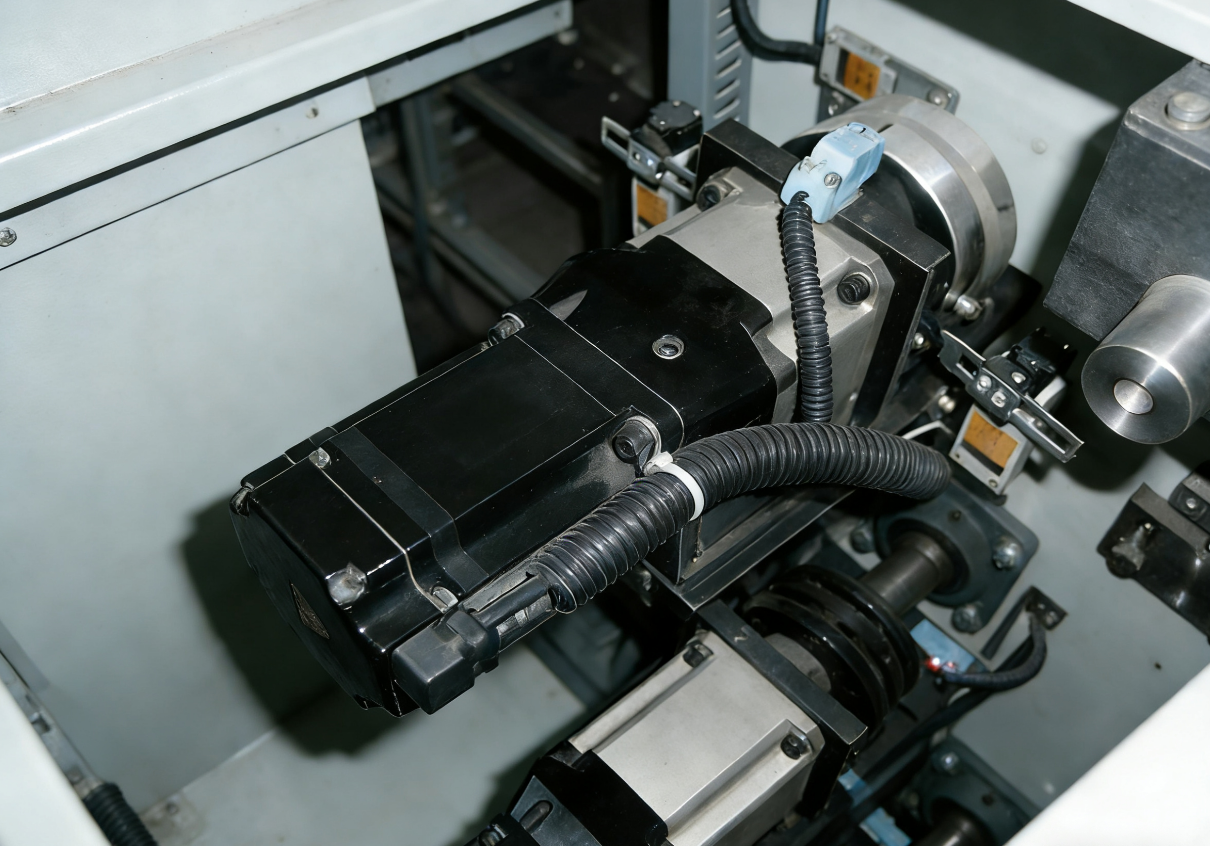
Application of gear reducers on CNC machine tools Key words: high-precision,gearboxes, gearbox,reducer,speed reducers,reducers,speed reducer,planetary gear reducers,low-backlash planetary gear reducers
The power transmission of CNC machine tools all comes from servo electric motors. With industrial advancements, electric motors have continuously innovated towards greater precision, efficiency, and ease of control. Mechanical coupling has also progr...
Jan. 18. 2026 -
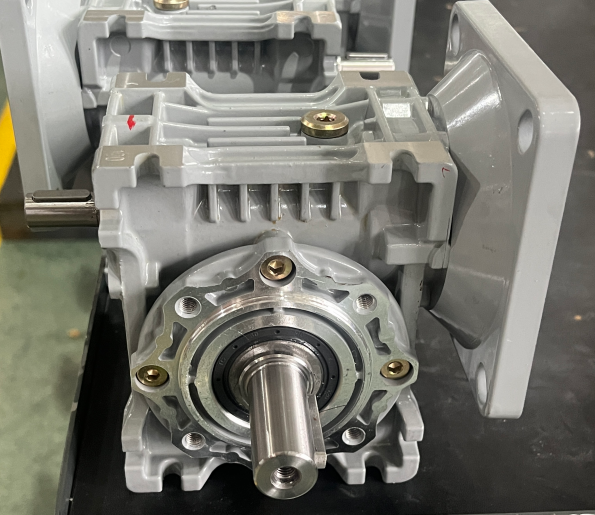
A 3-Minute Guide to Permissible Axial & Radial Loads
Your Reducer's Output Shaft is Not a Steel Rod: A 3-Minute Guide to Permissible Axial & Radial Loads When selecting a reducer gearbox for your equipment, do you only look at power, reducer ratio, and model number before placing an order? If ...
Jan. 17. 2026 -
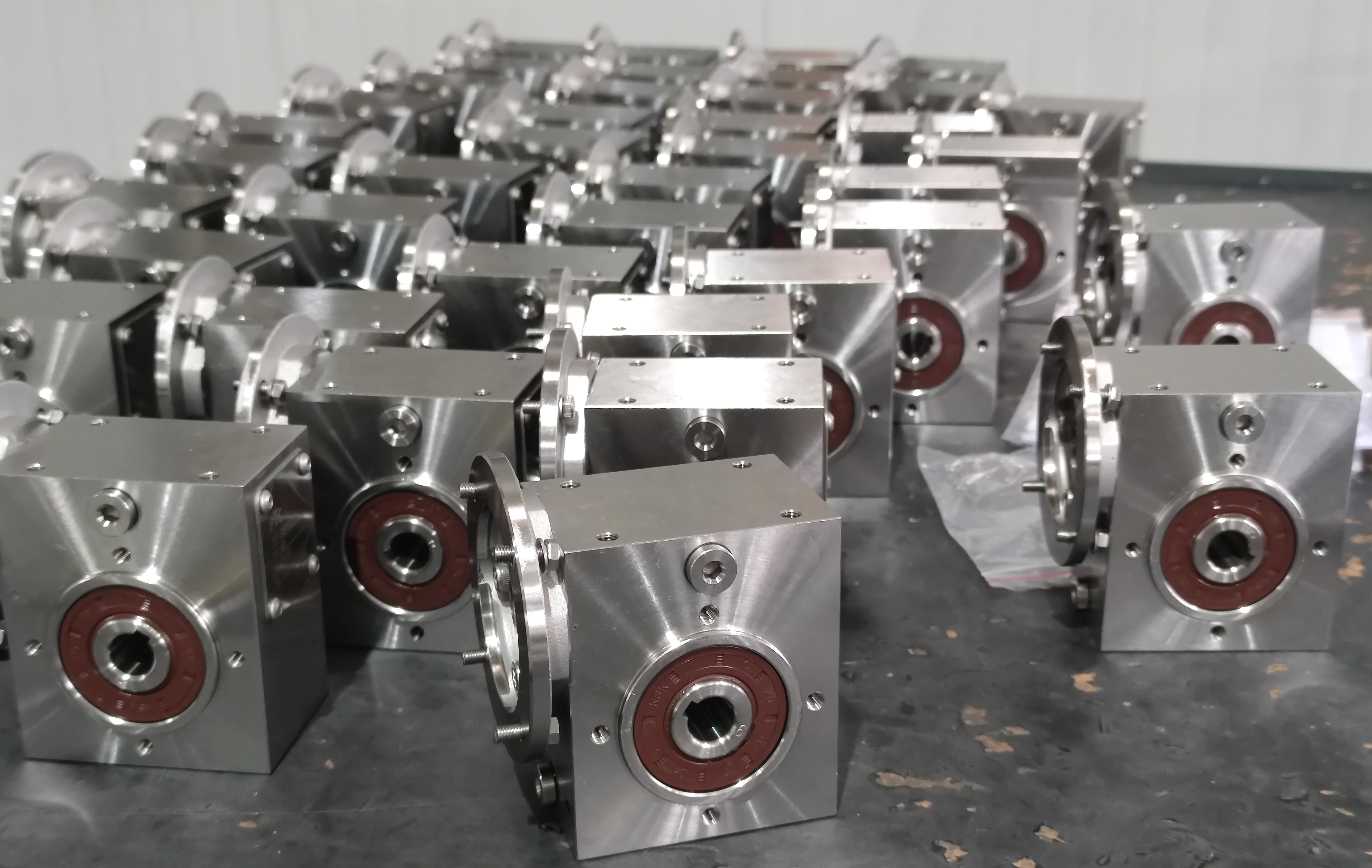
New Product——Stainless Worm Gearbox
Let us introduce this equipment, designed specifically for harsh working conditions, in detail. Simply put, the stainless steel gearbox is an industrial power expert that upgrades key components such as the housing to stainless steel, based on the st...
Jan. 16. 2026 -
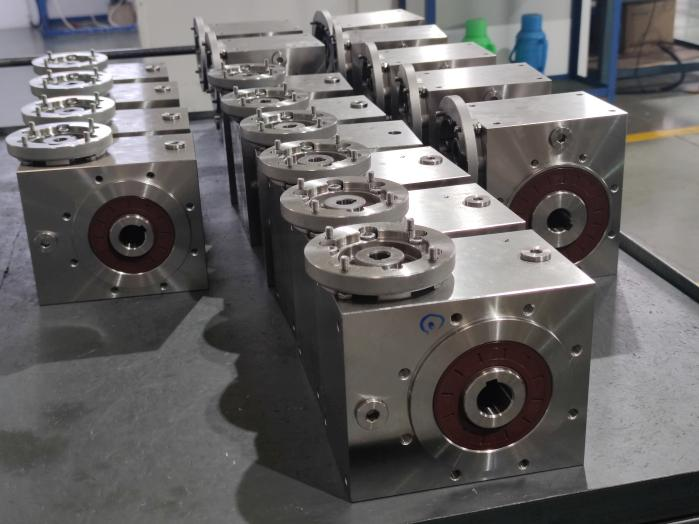
Why do food packaging production lines prefer stainless steel speed reducers?
In modern food factories, key parts of packaging machines often use stainless steel speed reducers. This is for safety, hygiene, and dependable operation.Today, let's talk about the reasons behind it. Unseen Threats: Risks of Conventional Gearboxes: ...
Jan. 15. 2026 -
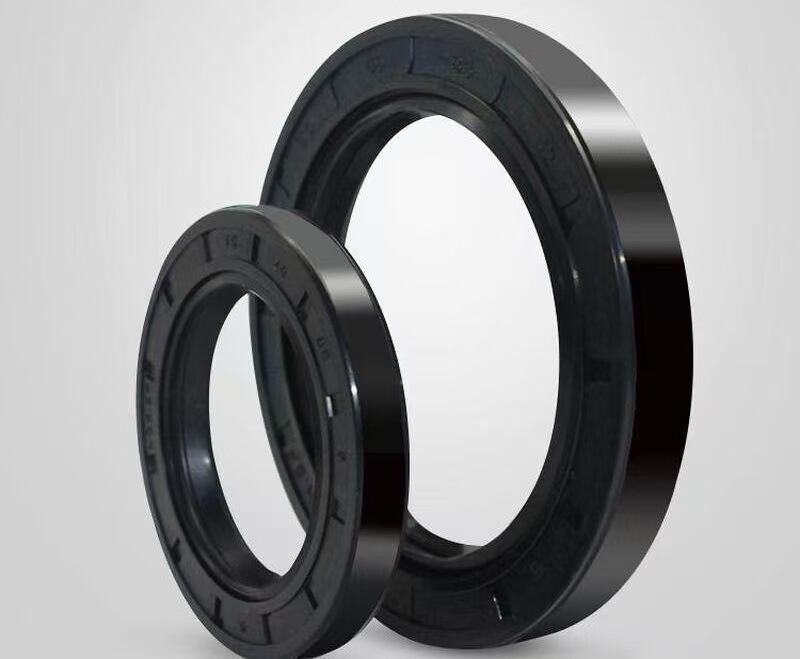
In-depth analysis of the aging mechanism and life extension strategies of gearbox oil seals
I. Introduction: Small Components, Big Impact In the complex systems of speed reducers, oil seals are often one of the most inconspicuous components, yet they play a crucial "gatekeeper" role. They dynamically seal the gap between the rotating shaft ...
Jan. 14. 2026 -
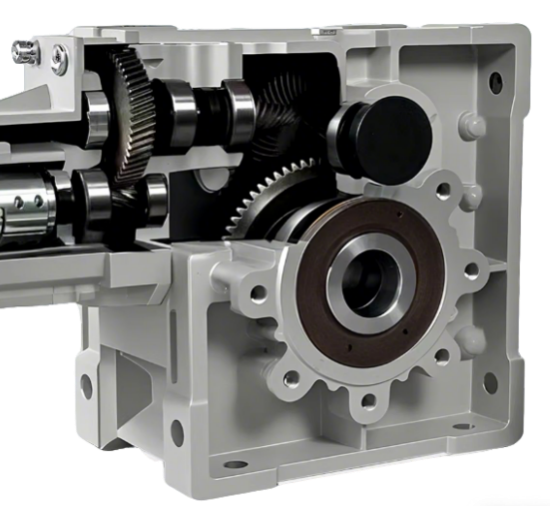
Factors affecting efficiency of worm gearboxes
Compared with gear reducers, worm gear reducers transmit power through sliding friction between worm gears and worms, while gear reducers usually transmit power through rolling friction, resulting in relatively lower efficiency. However, due to its u...
Jan. 14. 2026 -
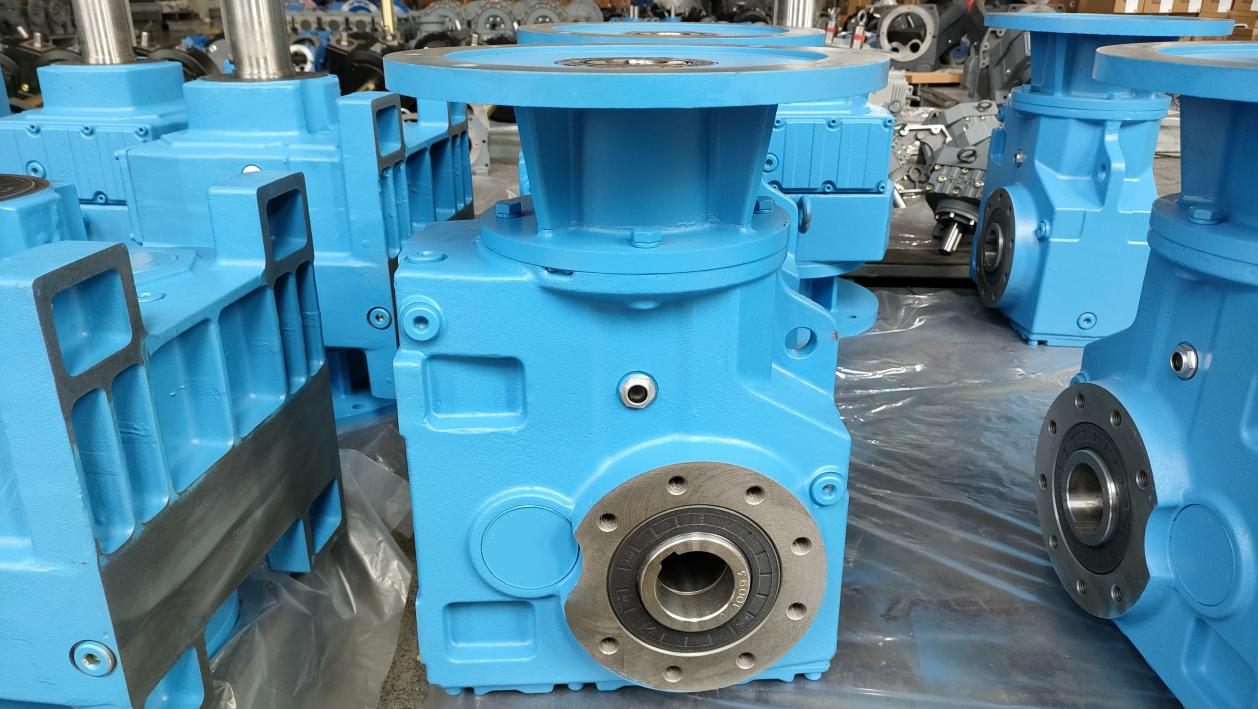
The two main connection methods of reducer and motor - flange connection and coupling connection
In the design of mechanical transmission systems, determining the connection method between the reducer and the motor is a crucial step. It directly affects the rigidity, precision, reliability, maintainability, and total cost of the entire system. F...
Jan. 13. 2026 -

The core role of gearbox in automated production lines
In the precise dance of an automated production line, the accuracy, stability, and efficiency of every movement rely on the support of a core transmission component—the gearbox. It is far more than a simple "speed-reducing" device; it is the ke...
Jan. 12. 2026 -
![[Low Temperature Survival Guide] How Can Gearboxes Survive Better in Extremely Cold Environments?](https://shopcdnpro.grainajz.com/category/9965/3546/a4aea1e35af508953fe245df18bb5a9f/%E5%9B%BE%E7%89%87_2.png)
[Low Temperature Survival Guide] How Can Gearboxes Survive Better in Extremely Cold Environments?
Hello everyone, It's Bella again~ , ZHEJIANG WUMA DRIVE CO.,LTD.'s 30th Anniversary Tweets! Today we learned about the operation of gearbox in low-temperature environments. In the dead of winter, when temperatures drop below zero, the "iron lumps" in...
Jan. 12. 2026 -
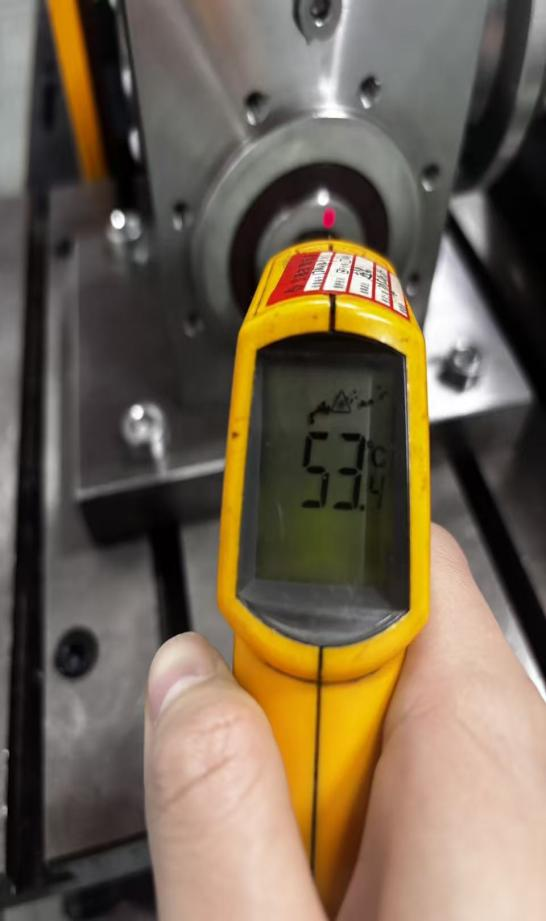
Analysis of the safe range and abnormal causes of temperature rise in reducers.
When we discussing temperature rise, it's crucial to distinguish between two key concepts: temperature and temperature rise.Absolute temperature is the actual measured temperature of the reducer's housing or oil sump.while temperature rise is the dif...
Jan. 05. 2026 -
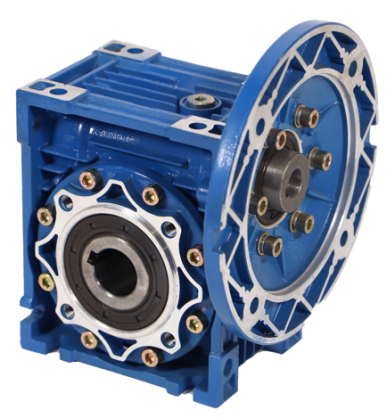
Thinking about installing a worm gearbox?
Based on what our team at Zhejiang Wuma Drive has learned on the job, here’s how to tackle it step by step. Before installation, please note the following: First, quickly inspect the packaging—make sure it has not been damaged during tran...
Jan. 04. 2026 -

Daily Inspection Process for the maintenance of gearboxes
1.Ocular Inspection Before any inspection, we need to conduct an external visual inspection of the reducer, which can help us quickly identify any problems with the reducer.(1)Check if there are any dents or cracks on the surface of gearboxes. (...
Jan. 04. 2026