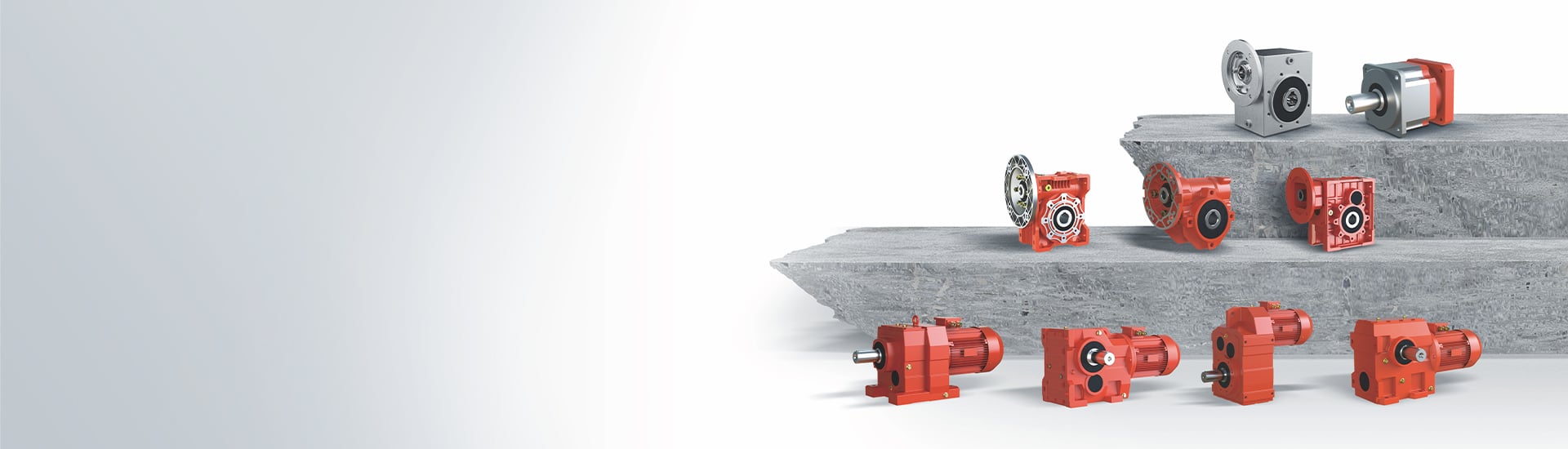
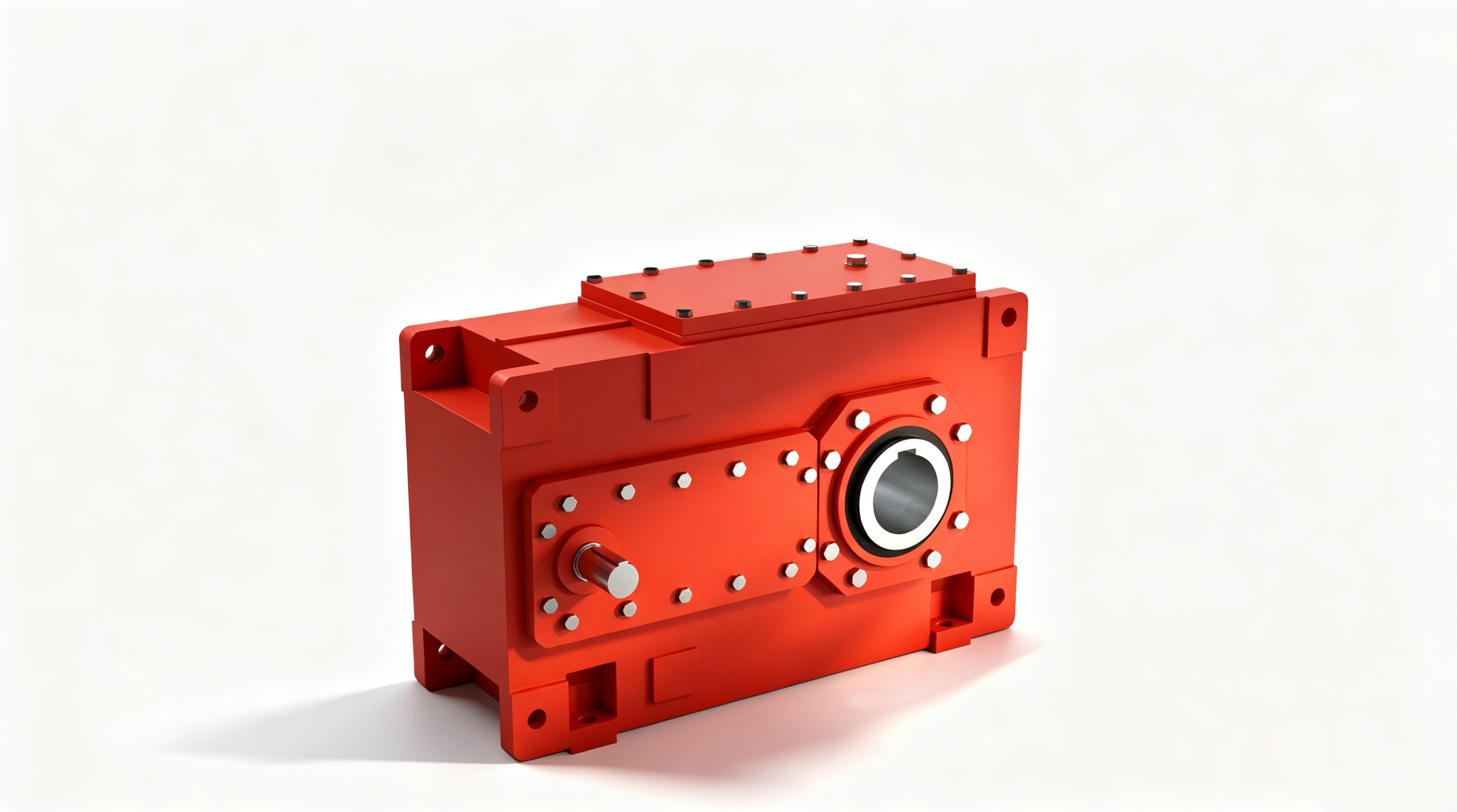
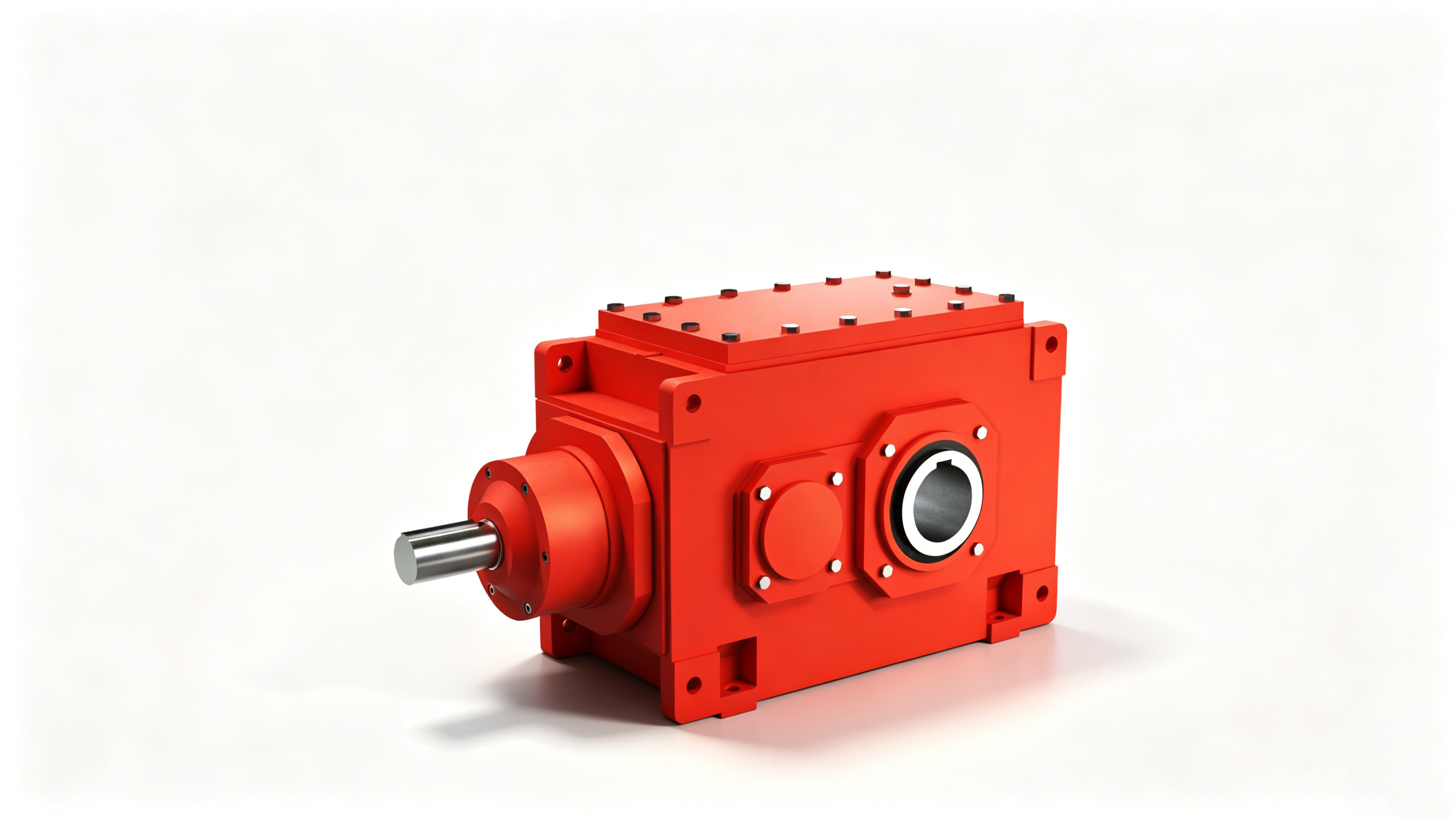
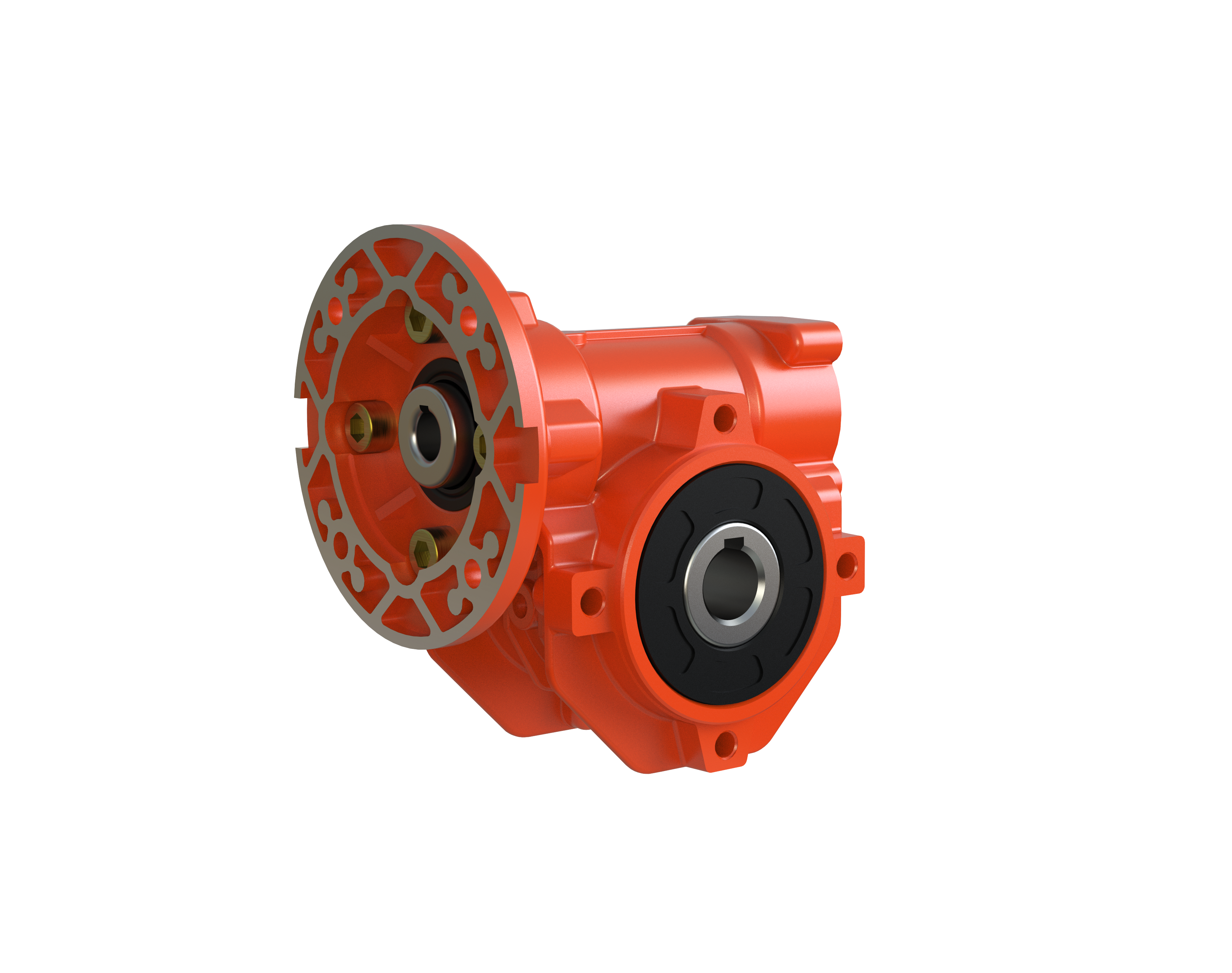
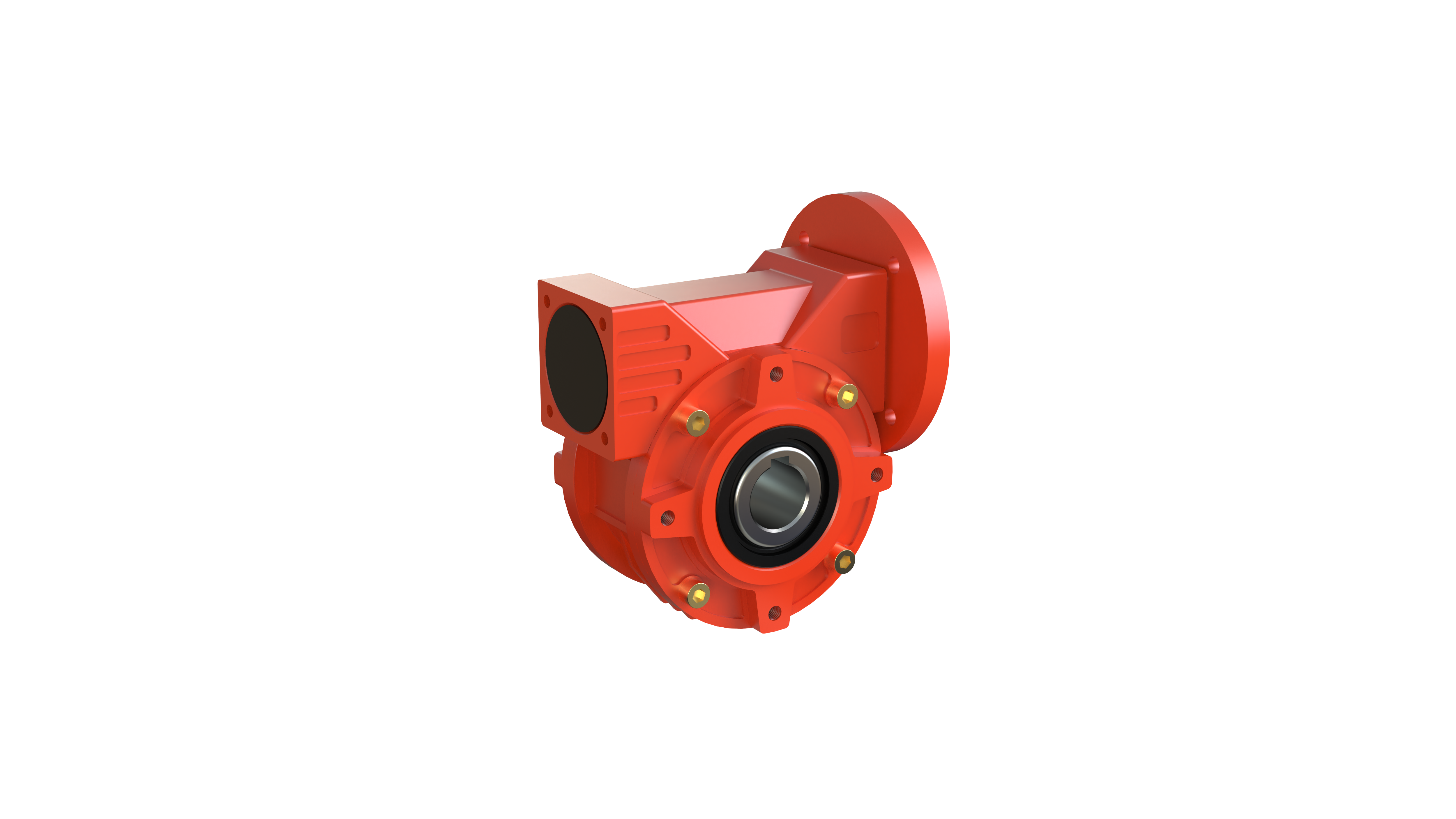
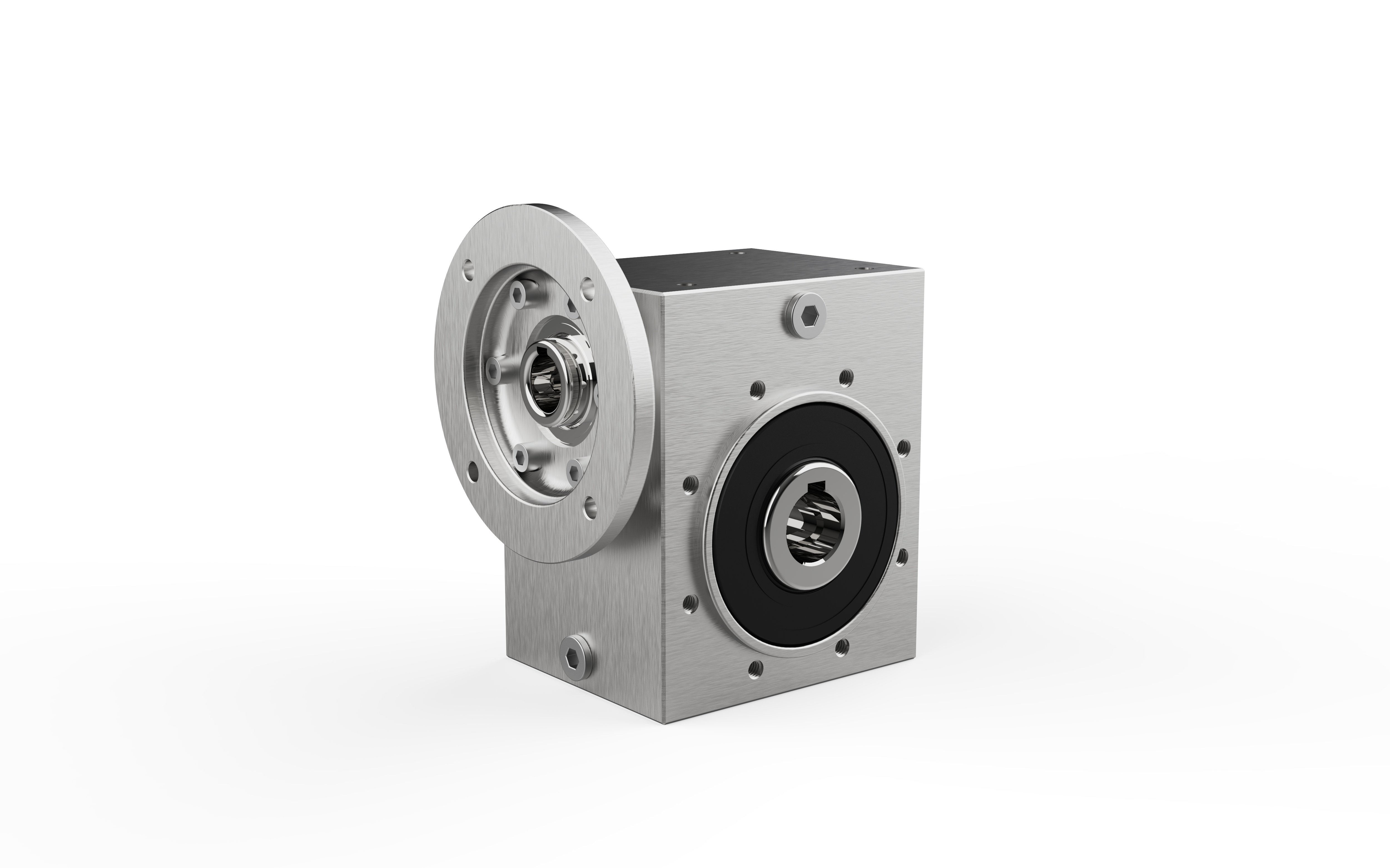
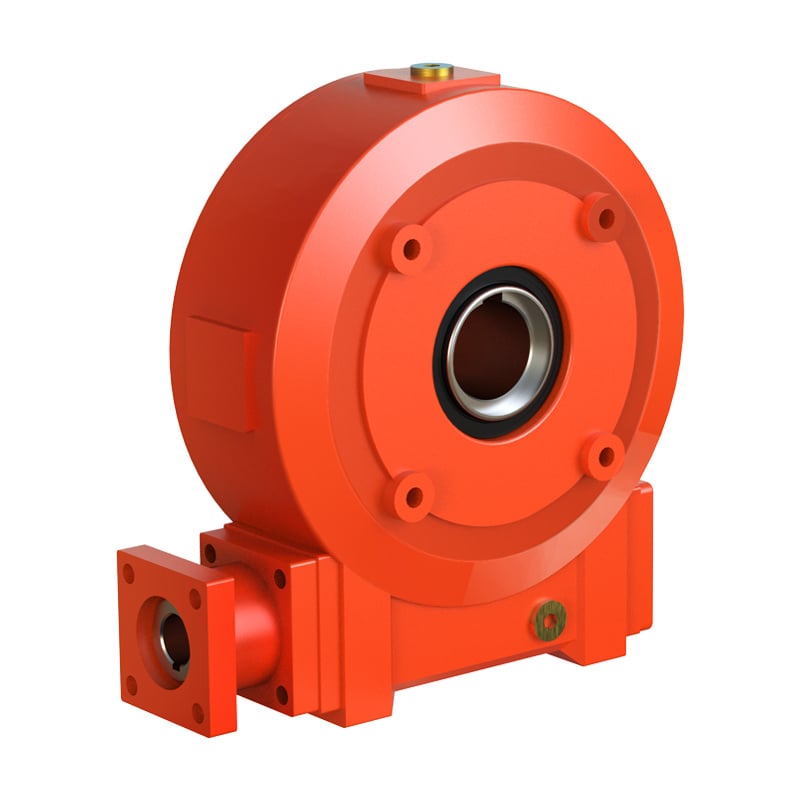
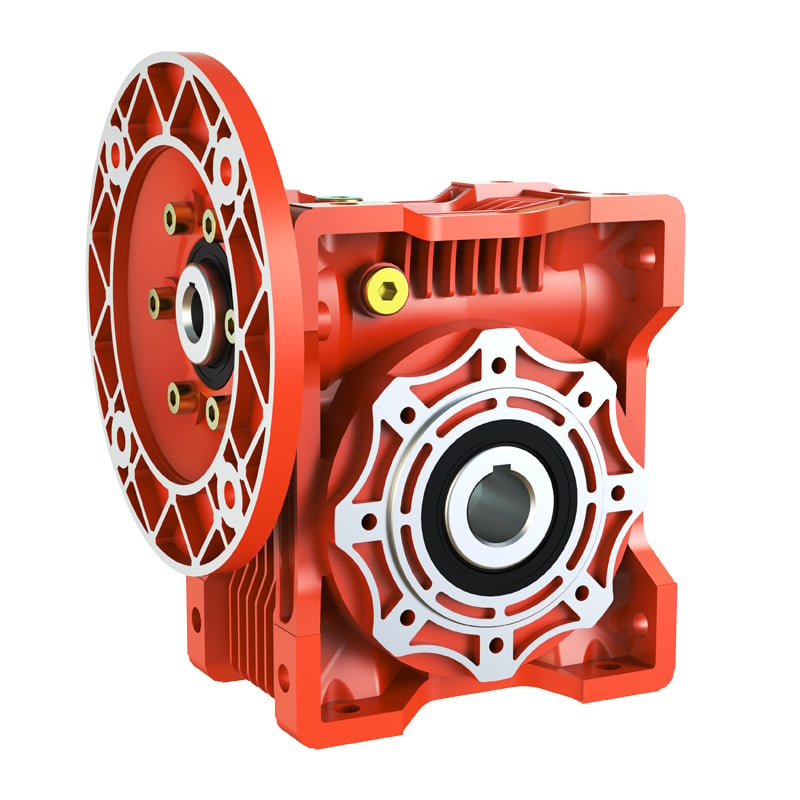
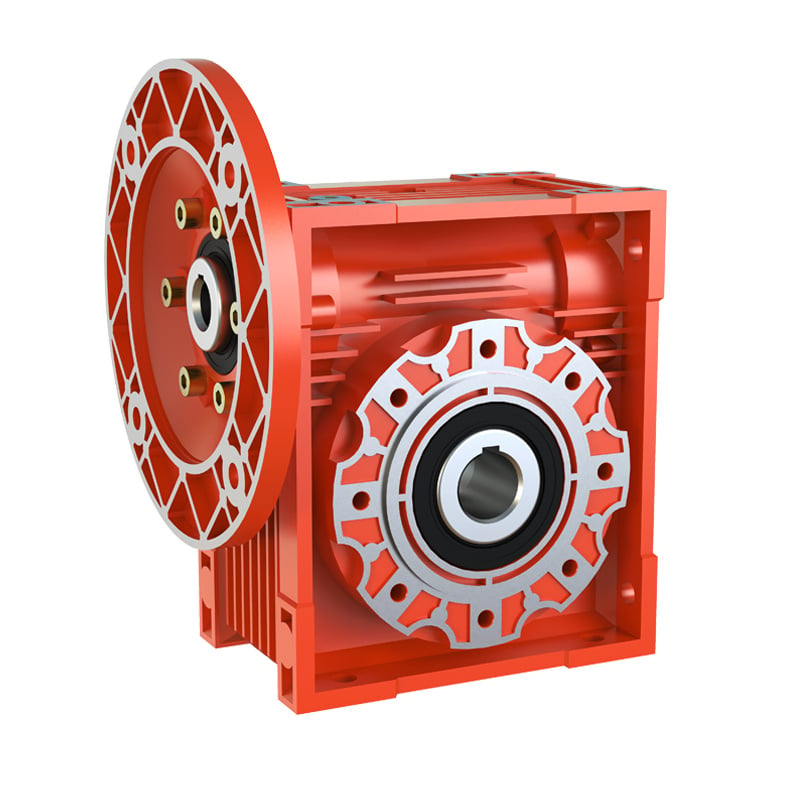
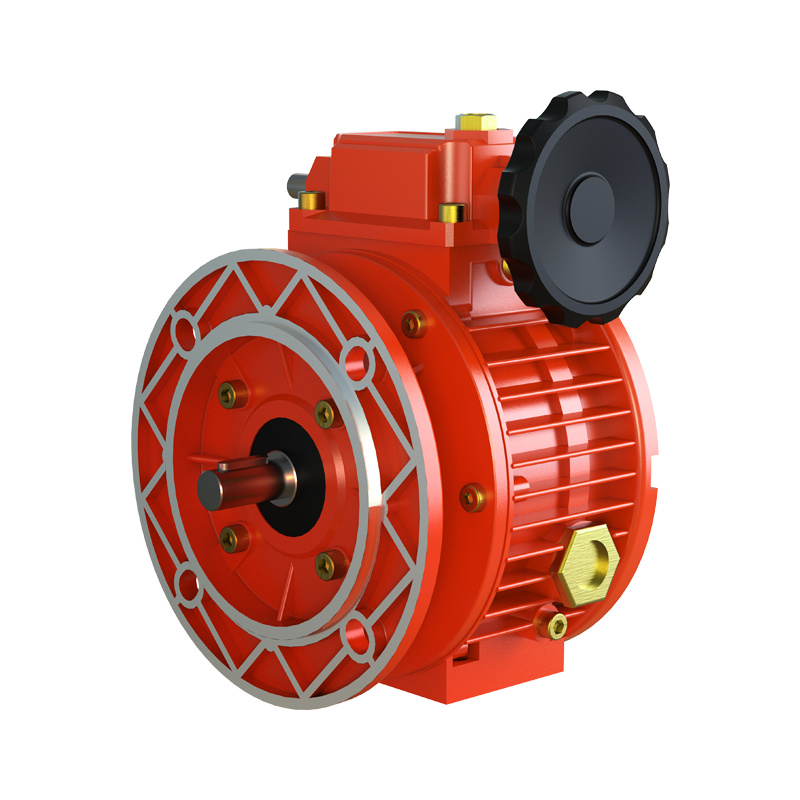
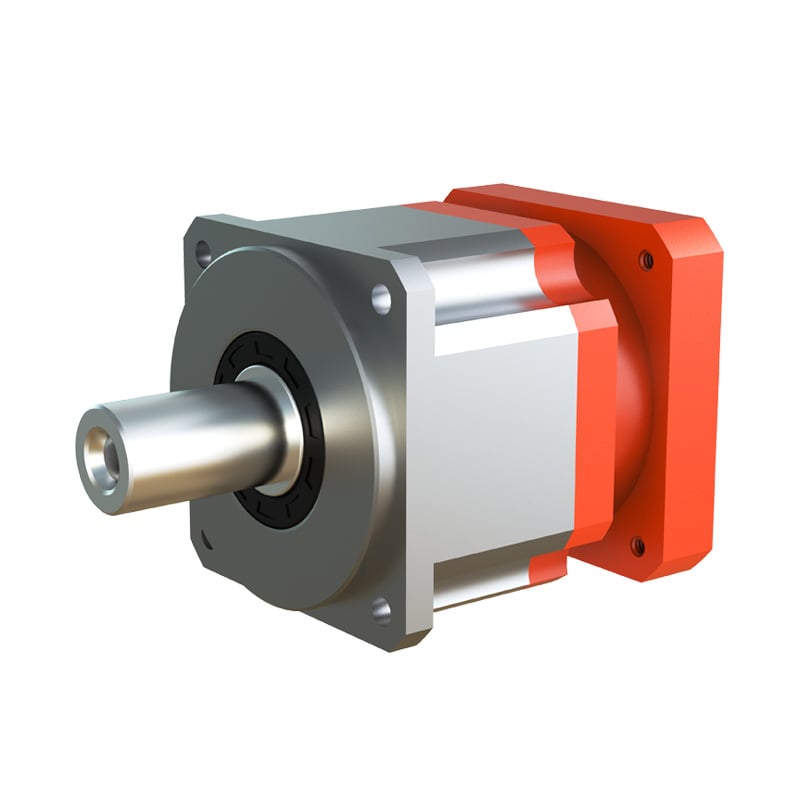
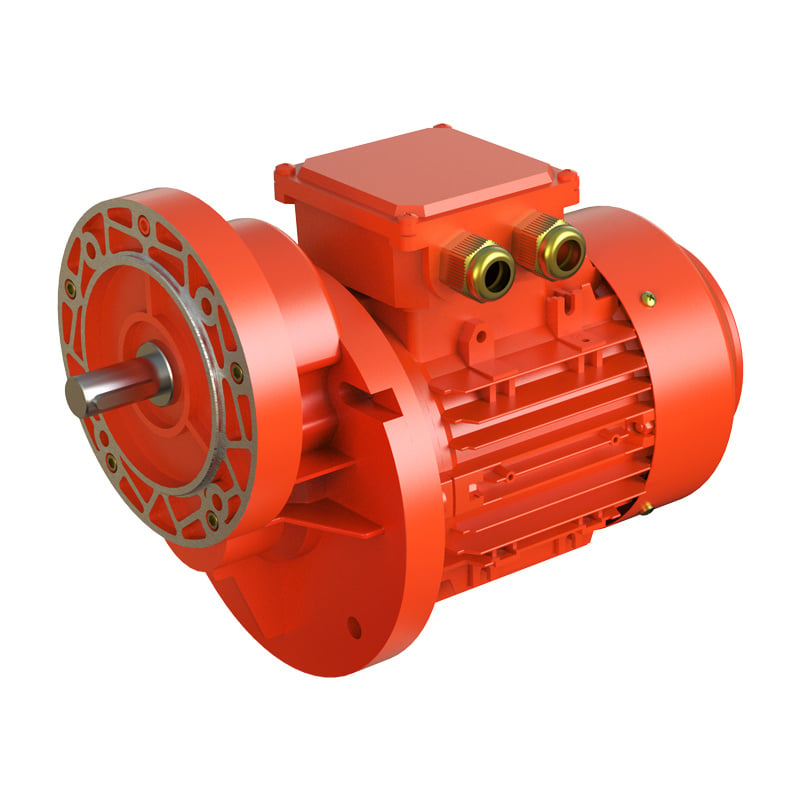
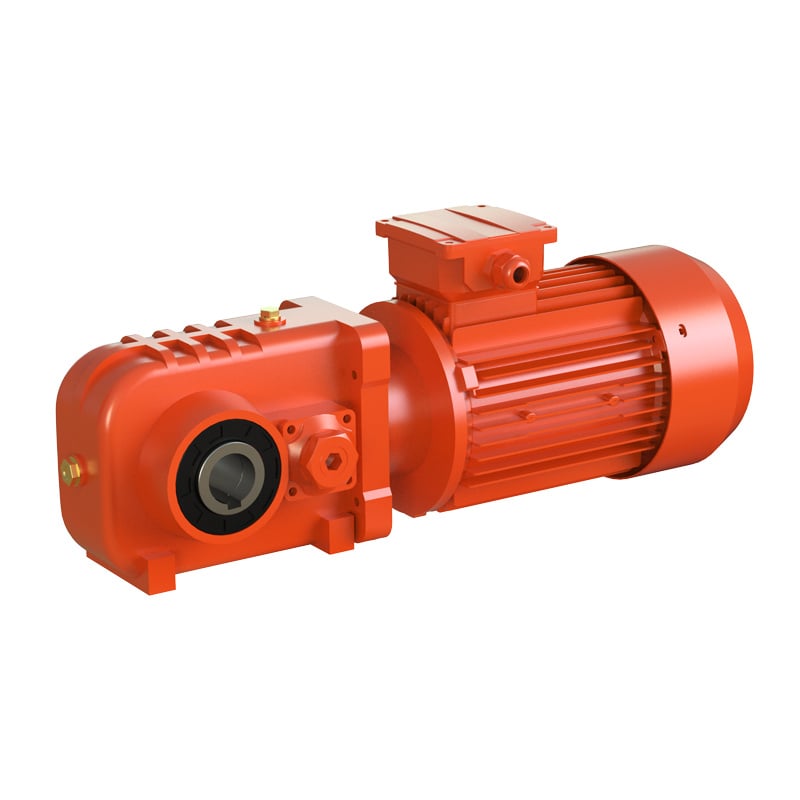
Have you noticed that gear components in high-end automotive gearmotor, elevators, high-precision instruments, planetary speed reducer; and the helical gearboxes(WK/WR/WF/WS) produced by our WUMA reducer company almost always use helical gears, rather than spur gears? What’s the reason this?
The secret lies in the moment when the gears engage. You see, when spur gears mesh, it's almost like two lumps of iron clashing head-on—that impact is pretty strong, so it gets noisy, and over time, the teeth tend to chip or break. Helical gears are different. Their teeth are arranged at an angle, and during meshing, they slowly roll in and out, eliminating blind spots, resulting in a very uniform speed, a smooth process, and less noise.
Furthermore, the gradual in-and-out contact during meshing of helical gears increases the number of teeth engaged simultaneously. Multiple teeth share the pressure, resulting in a more even load distribution, effectively reducing the impact and stress concentration on individual teeth, significantly improving transmission smoothness and quietness—both effortless and stable. In addition, the larger tooth contact area of helical gears gives them a much higher load-bearing capacity than spur gears.
Of course, helical gears aren't perfect—they naturally create this axial thrust, a kind of side push that needs managing. WUMA reducer company engineers used bearings to counteract this thrust, ensuring more even stress distribution on each tooth and reducing the risk of breakage.
Well, you’ll usually find straight-cut spur gears in simpler, budget-friendly setups where a bit of noise isn’t a big deal and speeds stay low, while Helical gears are the true hallmark of high-end traditional gears.—stable, quiet, and durable. Simply put, spur gears can run, but helical gears can run longer, more stably, and more quietly.
Hot News2026-01-05
2026-01-04
2026-01-04
2026-01-04
2026-01-04
2026-01-04