EN
EN

-
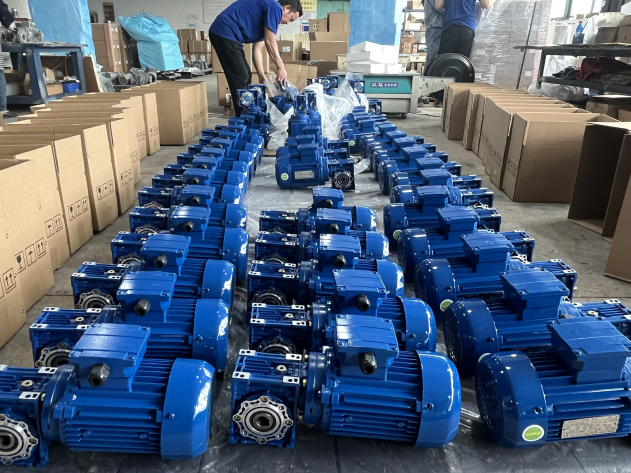
The difference between no-load and loaded operation of a speed reducer
Gearboxes are core mechanical transmission components for industrial automation and robotics, designed to reduce speed and increase output torque. Their operating properties differ drastically between no-load and loaded conditions, featuring distinct mechanical, thermal and electrical characteristics. Under no-load operation, the gearbox only overcomes internal friction and lubrication losses, with low power consumption and stable rotating speed, acting as a reliable baseline for system testing and tuning. Under loaded conditions, it withstands both internal resistance and external load torque, with efficiency peaking at 70-90% of the rated torque and faster thermal rise. Excessively high no-load current signals internal faults including bearing wear, gear damage, degraded lubricant or electrical issues, rather than insufficient load. Distinguishing the two operating modes supports effective equipment health monitoring, predictive maintenance and accurate fault diagnosis.
Mar. 26. 2026 -
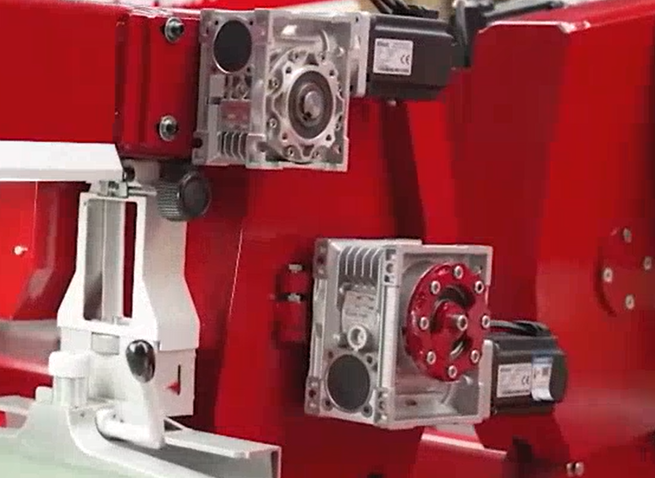
Inline gearboxes or right-angle gearboxes? How to select the gearboxes and mounting position based on the space layout?
This article discusses how to choose between inline and right-angle gearboxes and determine mounting positions based on space layout. Parallel-shaft gearboxes feature a straight-line drive and require axial space, while right-angle models save floor space with a 90° shaft design. Horizontal mounting offers stable lubrication and easy maintenance, whereas vertical mounting saves footprint but demands special lubrication design. Key selection factors include space mapping, connection methods, lubrication, maintenance access, and load rigidity. A reasonable layout ensures efficient, reliable, and maintainable power transmission for long-term stable operation.
Mar. 25. 2026 -
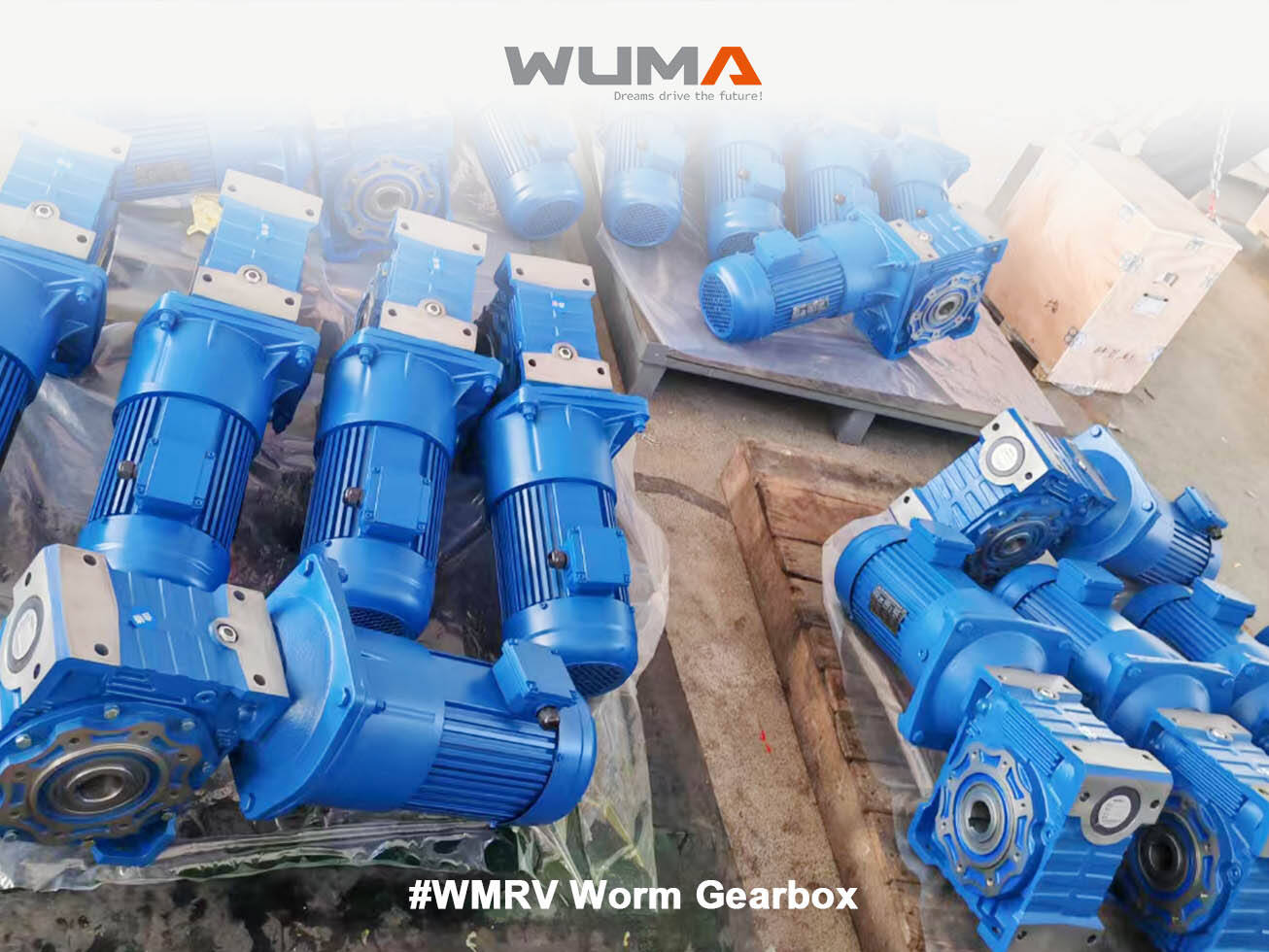
Gearbox Preheating Processing: First 100-Hour Operation
This guide focuses on reducer preheating, temperature monitoring, and first oil change. The initial 100-hour performance directly determines long-term reliability. New reducers require no-load and half-load runs in the first 10 hours to smooth metal surfaces. A 50°F temperature rise in the first hour is normal, but continuous rise after 2 hours indicates faults. Oil change intervals vary: worm gear reducers at 24 hours, planetary reducers at 50–100 hours, and gear reducers at 100 hours. After the first oil change, load should be increased gradually with stable temperature. Following the 100-hour break-in, regular maintenance can be implemented.
Mar. 25. 2026 -
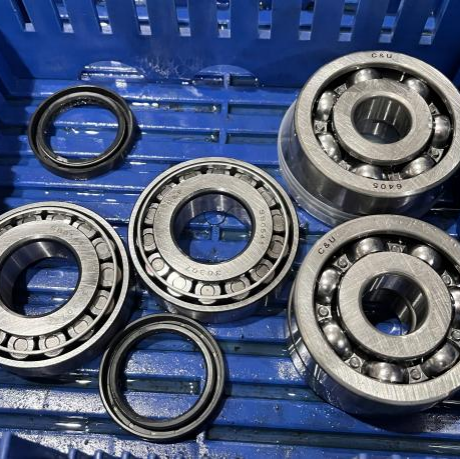
Impact of Bearing Material on the Transmission Efficiency of Reducers
Learn how bearing materials (high-carbon chromium steel, ceramic, stainless steel, plastic) impact reducer transmission efficiency, energy loss & lifespan. WUMA Transmission provides tailored material selection for your reducer needs.
Mar. 24. 2026 -
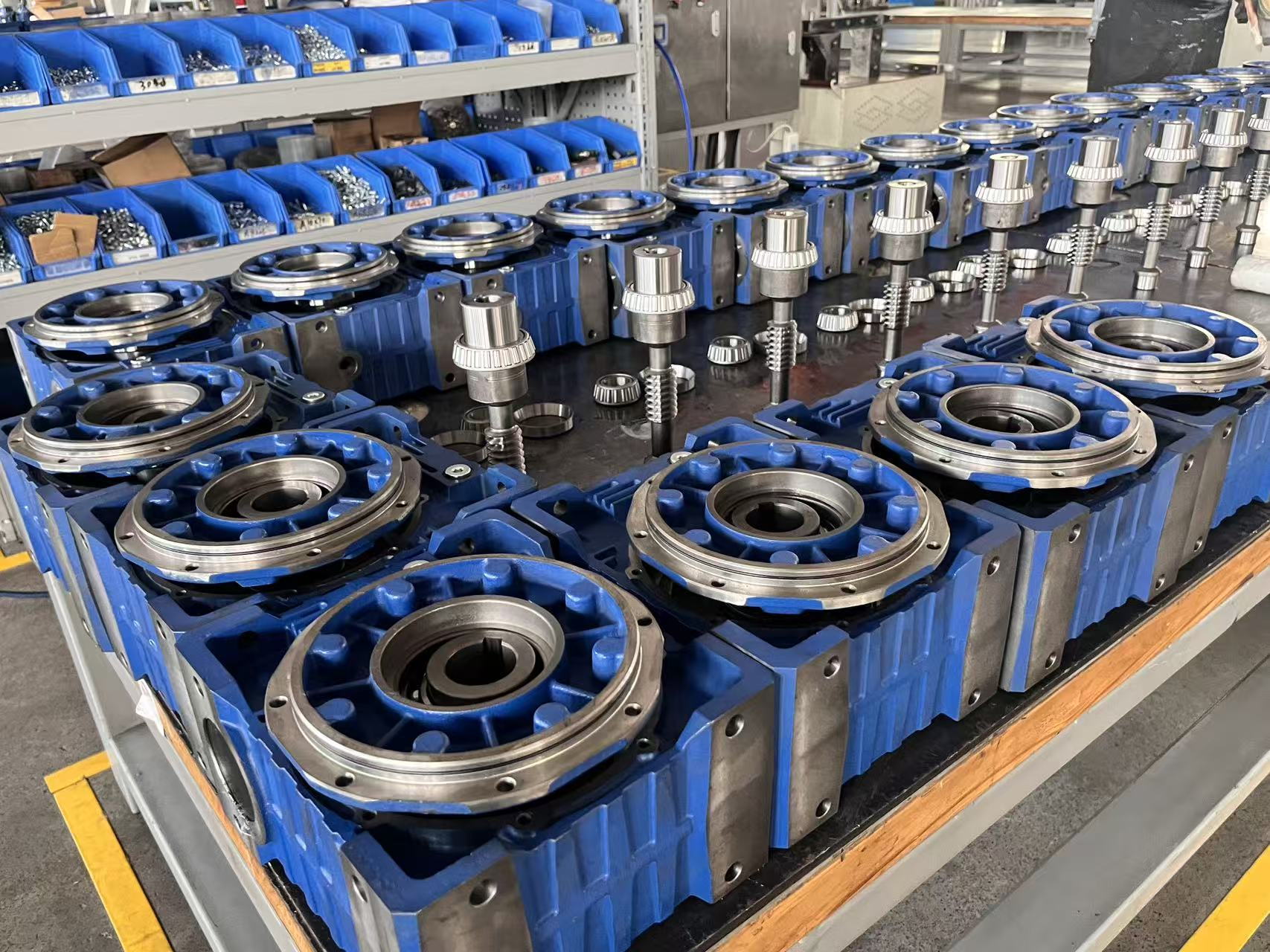
How to Handle a Reducer Bearing That Gets Hot But Isn't Damaged
This article explains how to fix undamaged overheating reducer bearings, a common issue from maintenance/installation errors that speeds up wear if untreated. It lists four main causes: improper lubrication, tight bearing clearance, blocked heat dissipation, unlevel mounting. It also gives four safe solutions (lubricant check, clearance adjustment, cleaning, leveling) and key precautions, emphasizing professional operation and daily maintenance to resolve overheating, extend bearing life and cut repair costs.
Mar. 18. 2026 -
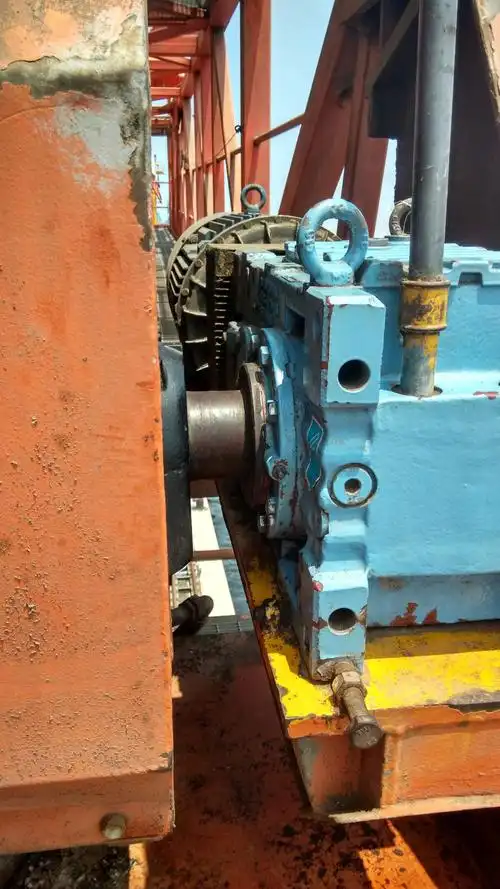
How Important is IP Protection Rating for Gear Reducers? Essential Knowledge for Outdoor Operations
Bella from ZHEJIANG WUMA DRIVE CO.,LTD. introduces IP protection rating for outdoor speed reducers. IP rating, defined by IEC with two digits (dust/water resistance), is crucial for stable operation. She specifies IP65+/IP67+ selection for dusty, damp, salt-spray scenarios, plus key protective details (sealing, lubrication, maintenance) to ensure long-term service. WUMA commits to qualified, high-quality reducers.
Mar. 18. 2026 -
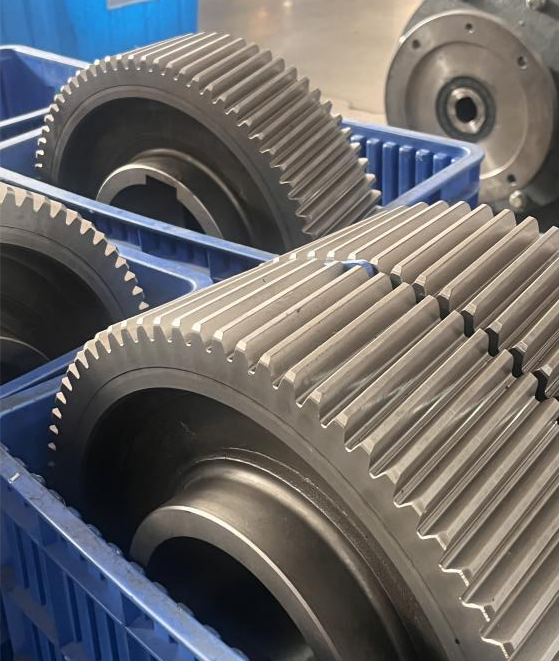
What is the differences between Helical Gear and Hypoid Gear?
Helical gears and hypoid gears are both commonly used gear types in reducers, but they differ in many aspects. 1.What is Helical Gear Helical gears are cylindrical gears whose teeth form a certain Angle with the axis of rotation of the gear. This typ...
Feb. 26. 2026 -
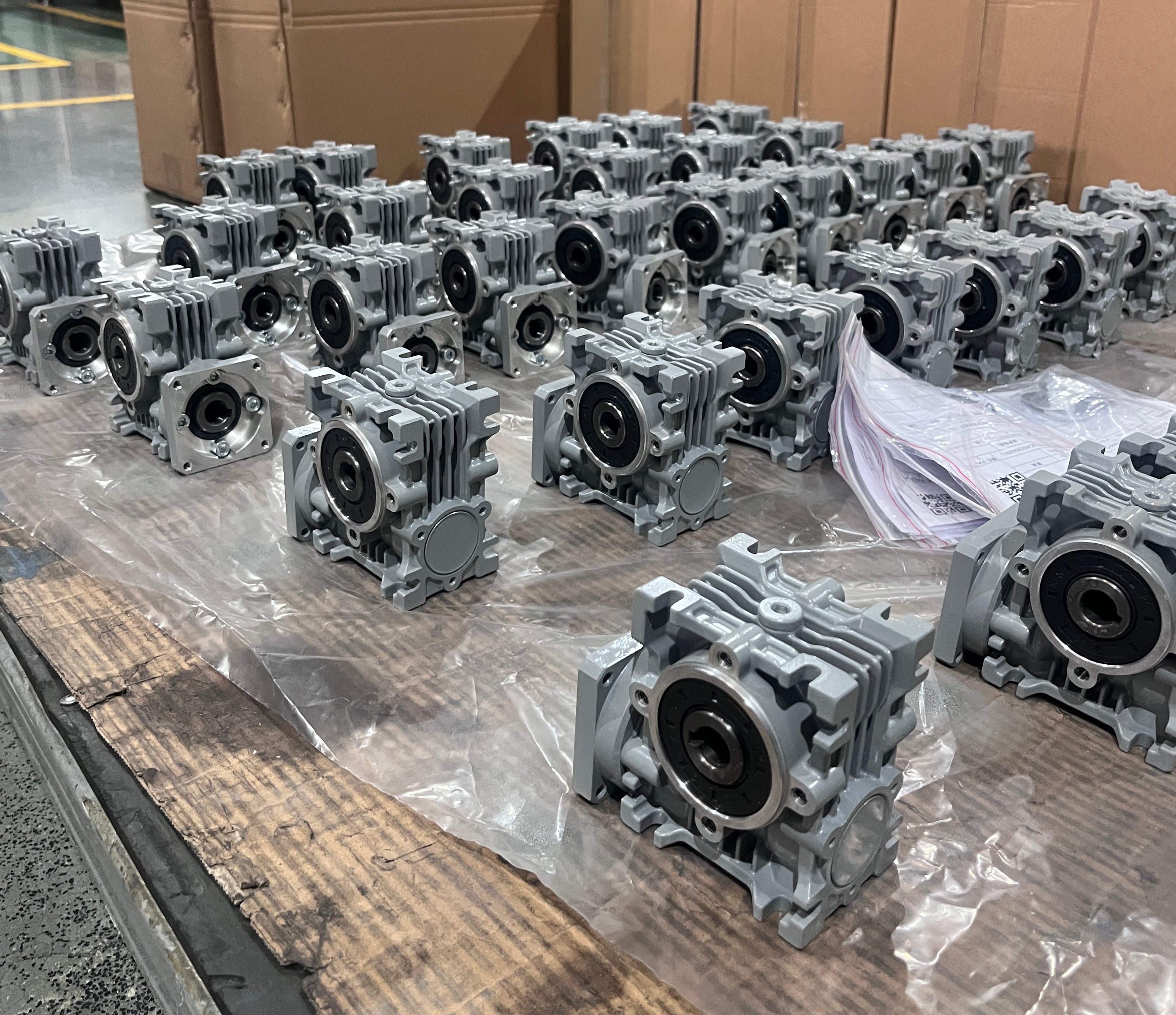
Coupling and Shaft Fitting: Common Problems, Simple Solutions
Notice your coupling’s not sitting right on the reducer shaft? Chances are, you’re getting vibrations, weird noises, or parts wearing out way faster than they should. No need to overcomplicate things—here’s what usually goes w...
Feb. 24. 2026 -
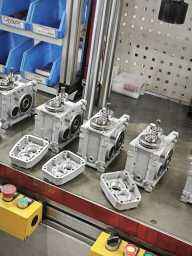
Precautions for the Operation of Sprocket and Chain Driven by Gearbox
When a reducer drives a sprocket and chain to operate, the core points to focus on are "meshing matching, tension control, lubrication and protection" to avoid equipment failures caused by chain jumping, wear or jamming. The specific precautions...
Feb. 22. 2026 -
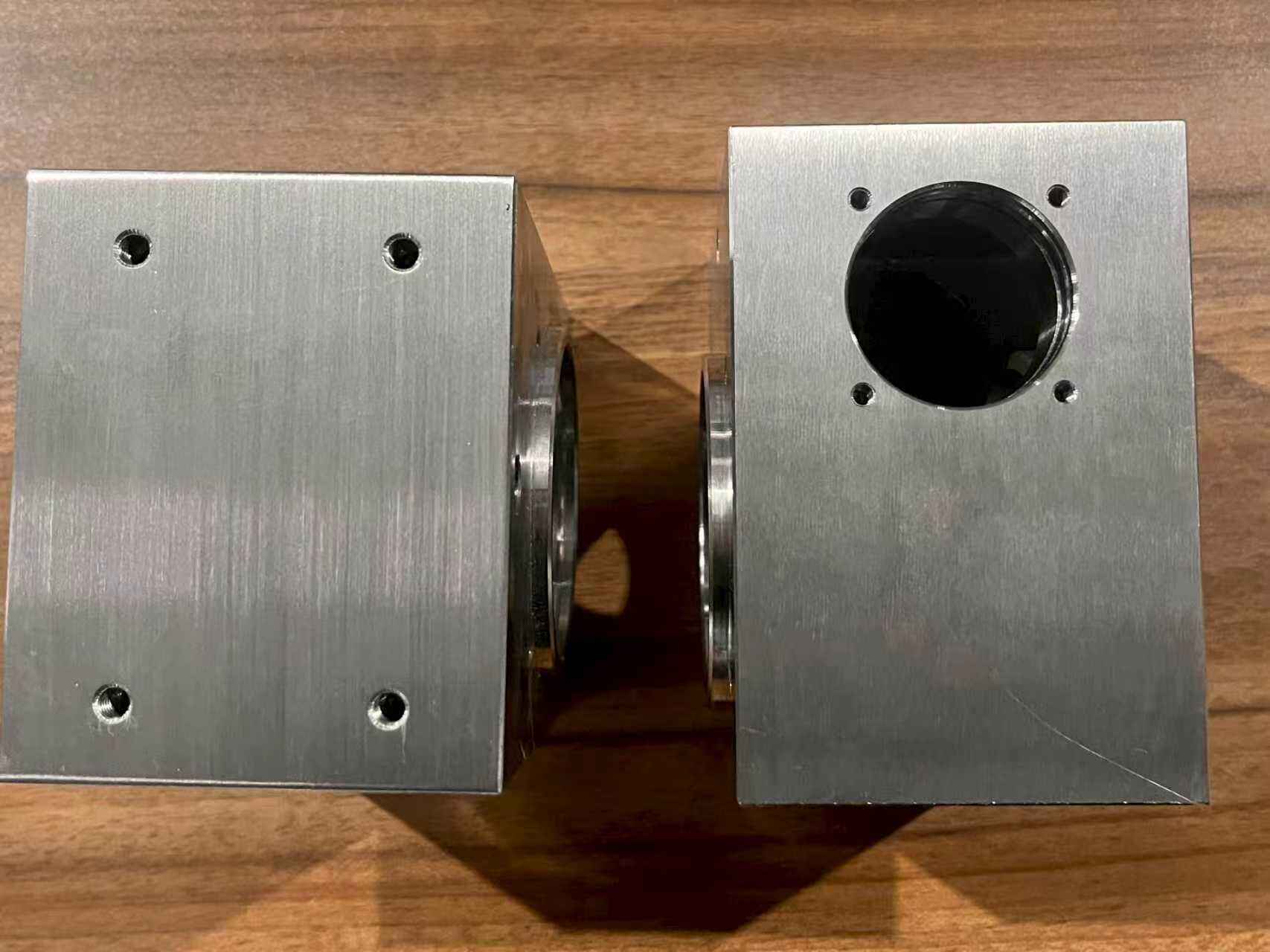
Surface treatment of stainless steel speed reducers: brushed vs. polished
Surface treatment of stainless steel speed reducers: brushed vs. polished In the industrial manufacturing sector, speed reducers are not only core components for power transmission, but their appearance and surface quality are also increasingl...
Feb. 20. 2026 -
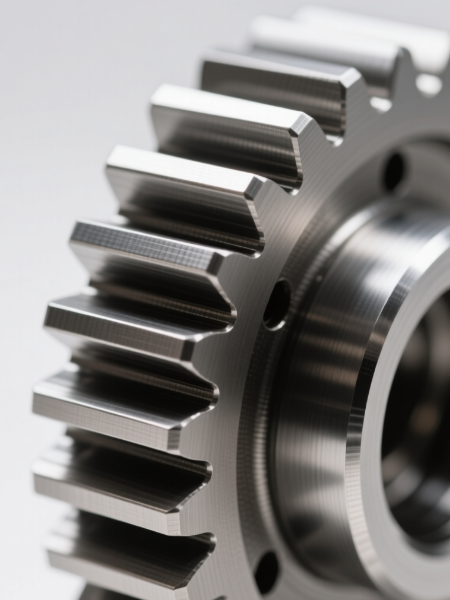
How to Remove the Grease in Reducer
The accumulation of grease inside the reducer can lead to friction, heat generation and wear, thereby significantly shortening the service life of the reducer. This article will introduce to you in six steps how to safely and effectively remove greas...
Feb. 18. 2026 -
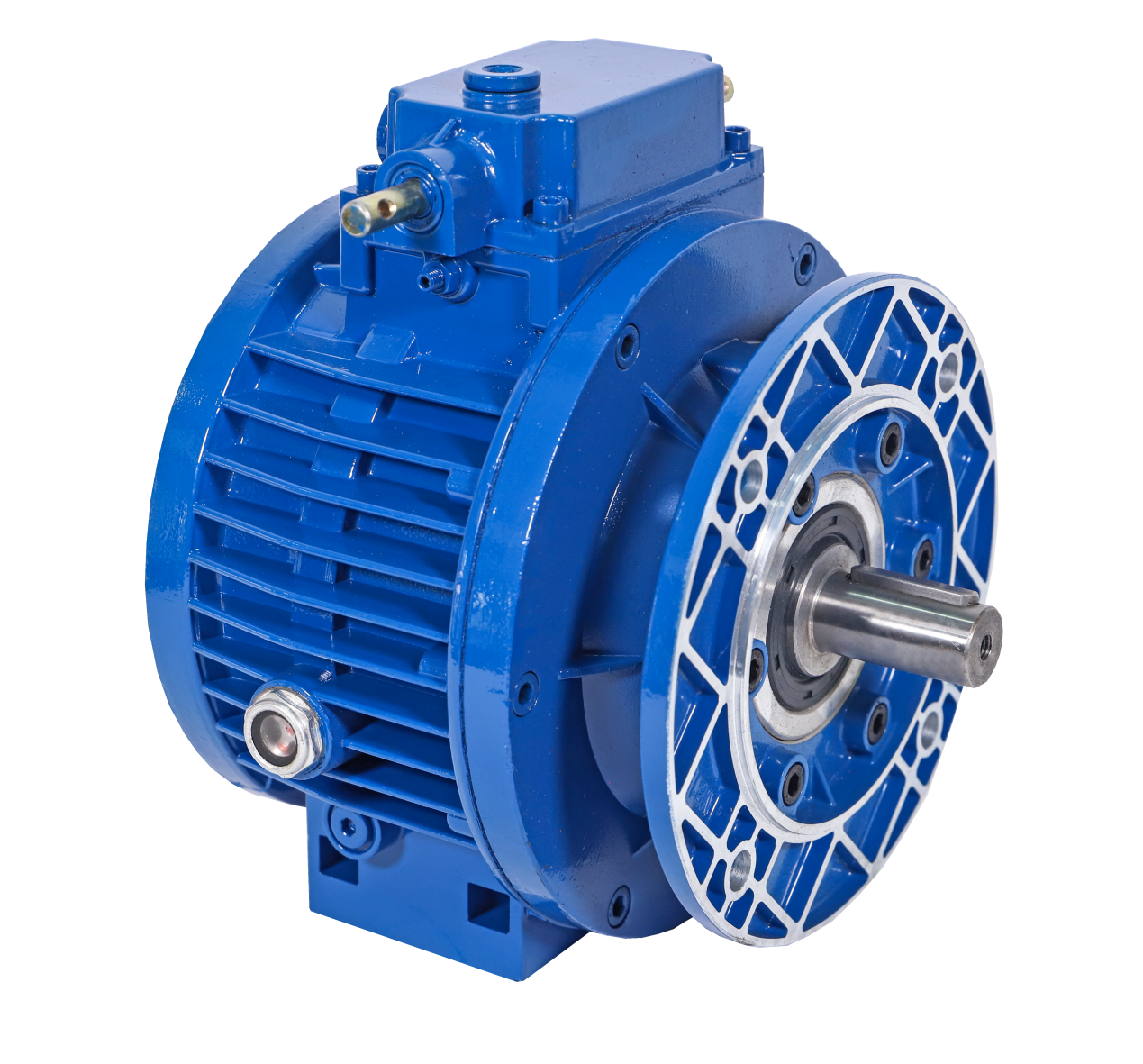
The transmission principle and usage precautions of a planetary cone disk continuously variable transmission (variator gearbox).
The mechanical planetary cone disk variator is a sophisticated continuously variable transmission device. It can achieve continuous and smooth changes in output speed within a predetermined range by mechanical adjustment while maintaining a constant ...
Feb. 16. 2026