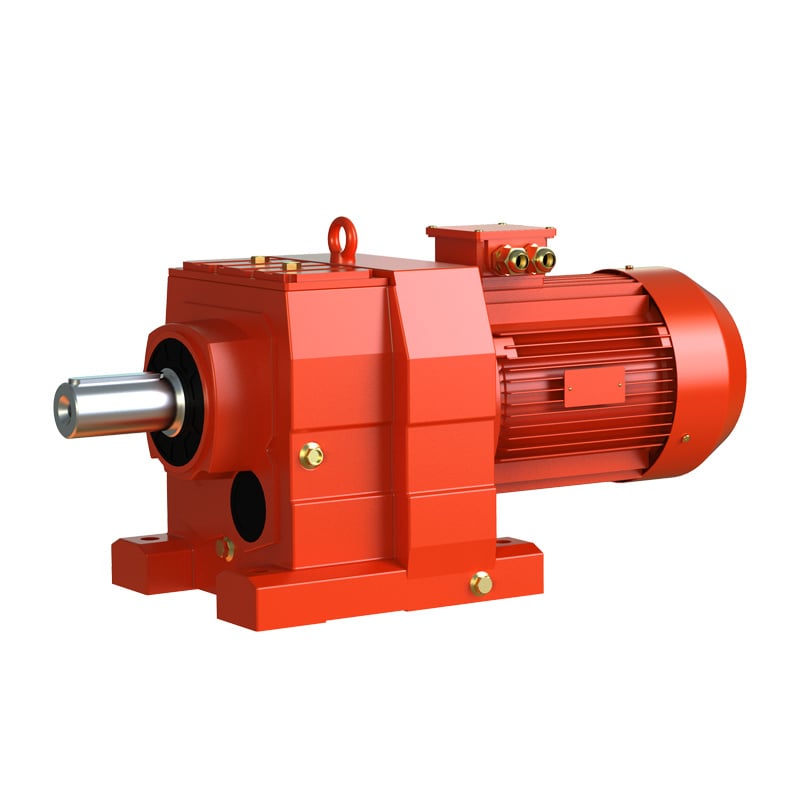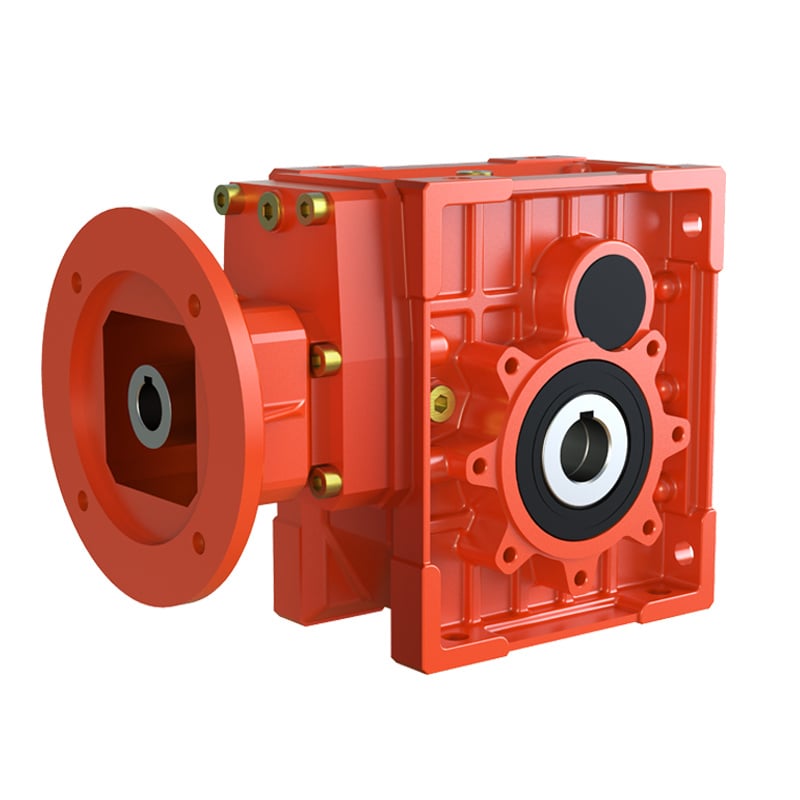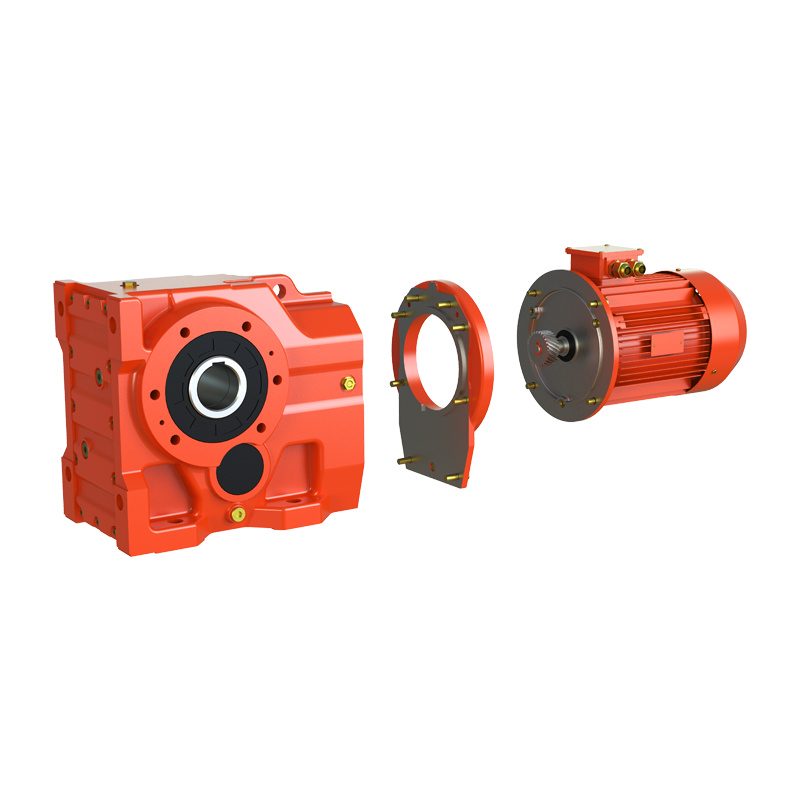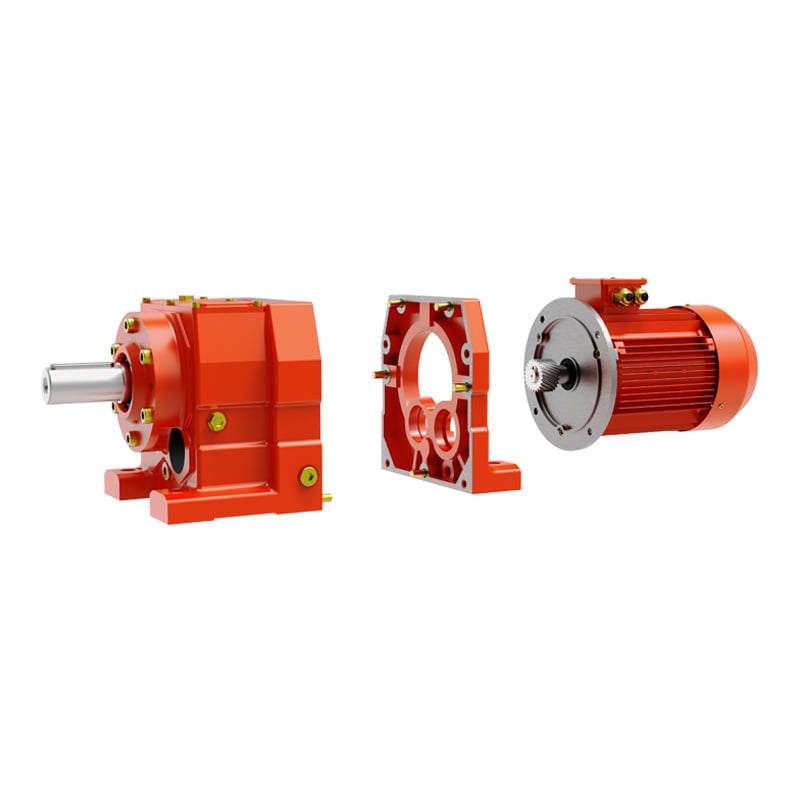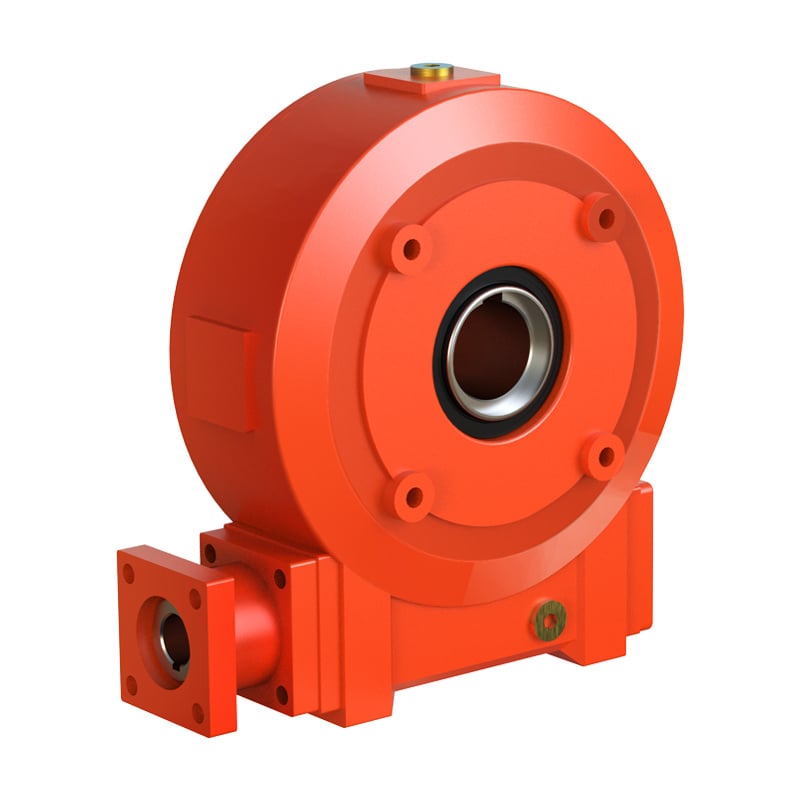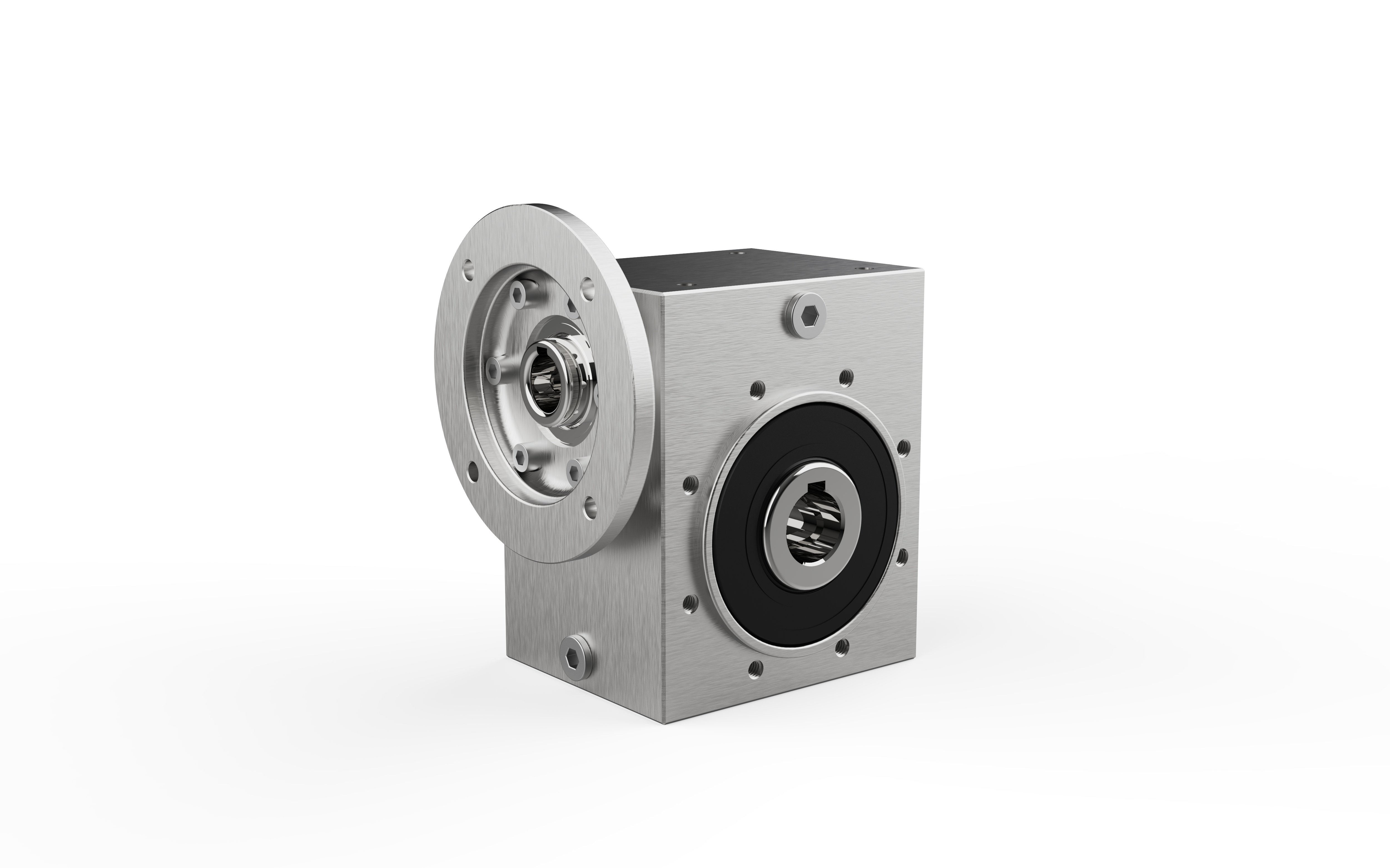

Does your reducer look worn and discolored? If the appearance of the reducer is left to deteriorate, over time, rust, dust and dirt will accumulate more and more. In this guide, we will step by step show you how to correctly paint the reducer to keep it looking good for several years.
1.Cleaning and degreasing
The primary preparatory work for the reducer before painting is to thoroughly clean the surface and remove all contaminants. Surface cleaners are usually used for dust and dirt. For more stubborn oily residues, we will use powerful cleaners. After the initial cleaning, use a towel, microfiber cloth or hot air gun to dry the surface. Before applying the primer or paint, wipe the surface again with alcohol to remove any substances that may remain after cleaning.
2.Rust Removal
Minor surface rust can usually be removed by hand with a wire brush or coarse sandpaper. Severely corroded reducers may require sandblasting treatment to thoroughly remove rust and old paint. Chemical rust removers can convert rust into stable compounds for subsequent painting. No matter what method is adopted, after rust removal, the metal surface should be immediately cleaned, ground and primed to prevent re-oxidation.
3.Grinding and Surface Treatment
Grinding the exposed metal surface with relatively coarse 50-60 mesh sandpaper helps to form a surface profile that is conducive to the adhesion of paint. For metals with extremely smooth surfaces that are not painted, sand the surface with sandpaper, steel wool or fine sandpaper.
4.Masking
Before painting, be sure to carefully cover all areas of the transmission that should not be painted, including openings, seals, bearings and mating surfaces that may be affected. Combining tape with masking paper or plastic film that has been pre-taped can protect a larger area from excessive painting. Depending on the complexity of the transmission, it may also be necessary to use other materials such as cling film, aluminum foil or clean rags to block various holes and openings to prevent paint from seeping into the internal components.
5.Choose appropriate paint and primer
In terms of coating, it is necessary to select coating materials with excellent moisture resistance, impact resistance and corrosion resistance. Choosing the appropriate primer is crucial for maximizing the adhesion and performance of the topcoat of the metal transmission.
6.Painting
Maintaining a consistent distance and speed of the spray gun is the key to achieving a uniform paint film thickness. If conditions permit, horizontal spraying can minimize the sagging caused by gravity, especially when spraying thicker coatings. Although spraying can achieve the smoothest effect, brushing is also suitable for small area brushing or situations where spraying equipment cannot be used. Use a thin coating and apply it long and evenly in the same direction. Avoid over-brushing wet paint, otherwise it will leave brush marks and uneven textures. No matter what construction method is adopted, it is usually necessary to apply multiple layers to achieve the ideal coverage effect, color saturation and protective effect. It is recommended to apply at least two layers. For previously rusted components, up to four layers can be applied. Thin application is more likely to level out than thick application and is less likely to sagging or dripping.
7.Drying
For the best drying and curing effect, please place the painted gearbox in a well-ventilated room with a temperature of approximately 20°C (70°F) and a humidity of 50%. Avoid extreme temperatures or direct sunlight to prevent defects such as bubbling or cracking. Using fans or heaters to increase air circulation can accelerate the evaporation of solvents and the drying speed.
8.Polishing
To achieve an ultra-smooth and high-gloss surface after painting and complete curing, polishing can be carried out. Polishing can be done with an electric polishing machine and polishing pads, or by hand with a cloth and polishing agent. This final step helps to obtain the smoothest and most reflective paint surface, especially suitable for the reducer housing where appearance is of crucial importance.
 Hot News
2026-08-26
2026-08-18
2026-08-15
2026-08-11
2026-07-31
2026-07-29
Welcome to Wuma , a manufacturer committed to developing and manufacturing various types of gear reducers and gearmotors for the field of gear transmission.
No. 10, Xiangcun Industrial Zone, Dongyuan Town, Qingtian County, Lishui City, Zhejiang, China
Copyright © Zhejiang Wuma Drive Co., Ltd All Rights Reserved Privacy Policy Blog
 EN
EN