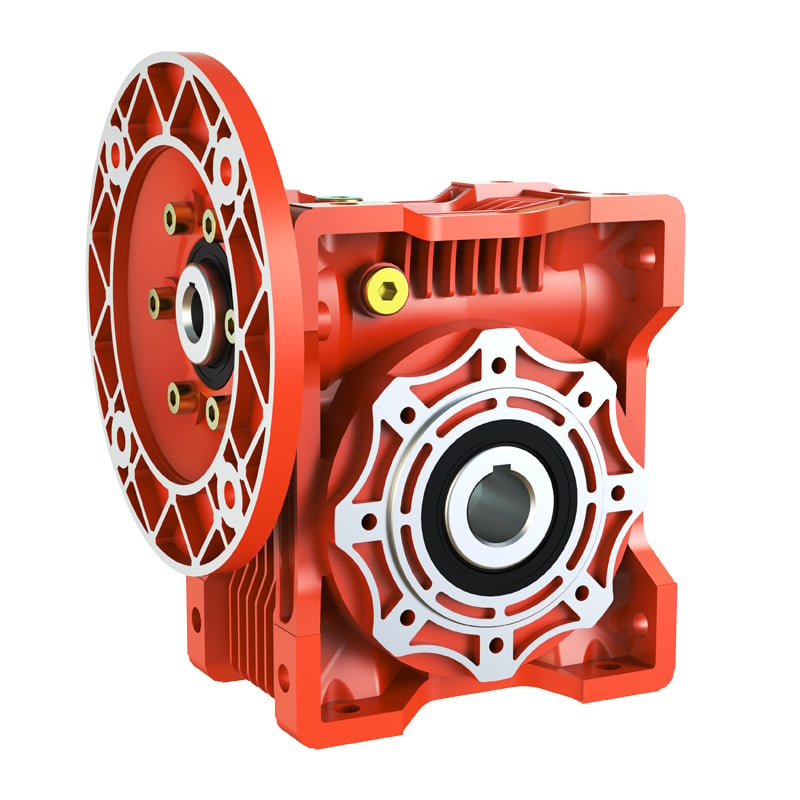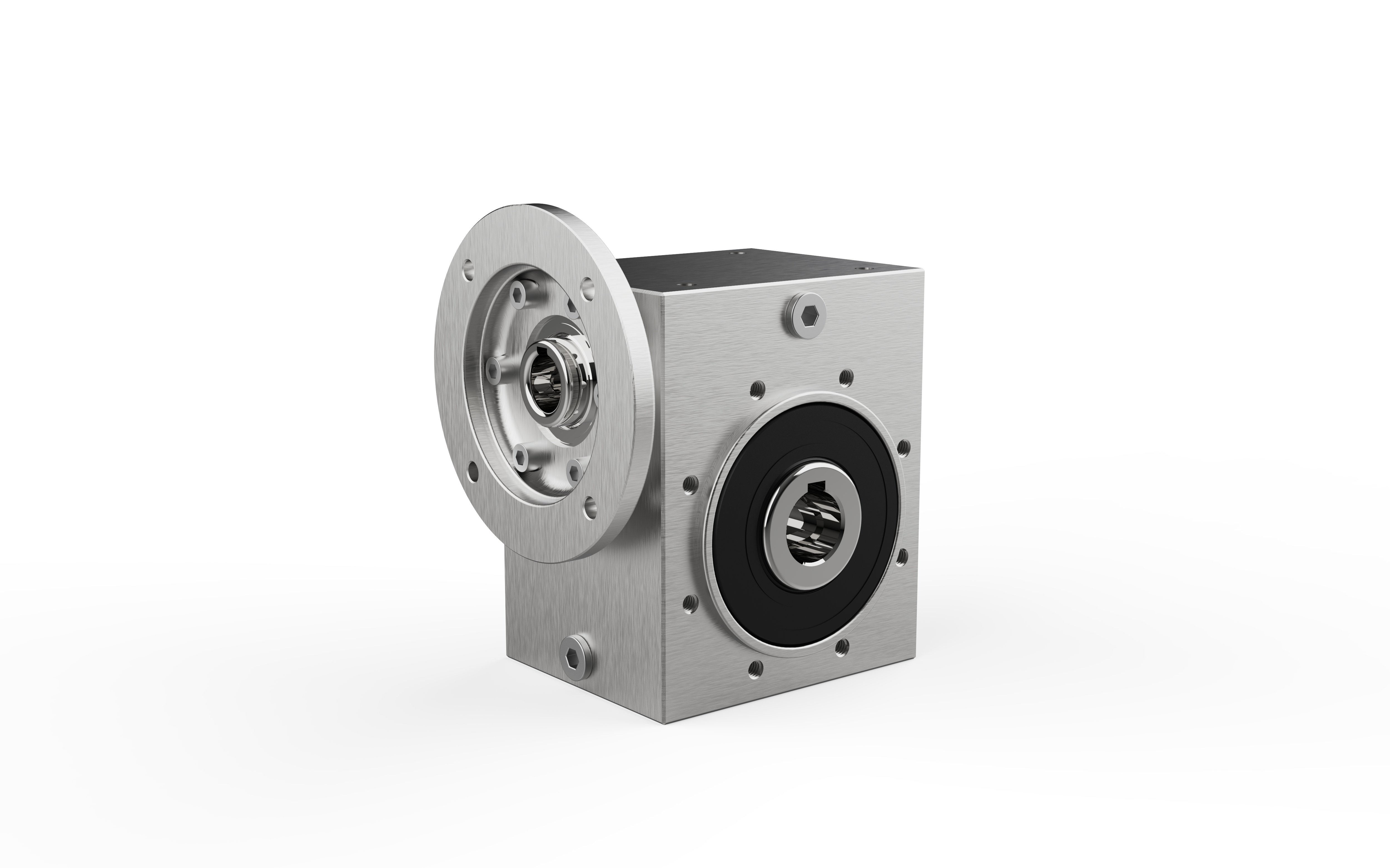

Hard tooth surfaces and a tough core – these are the standards for good gears. Heat treatment is the magic to achieve this. Choosing the right process makes a world of difference in performance and lifespan.
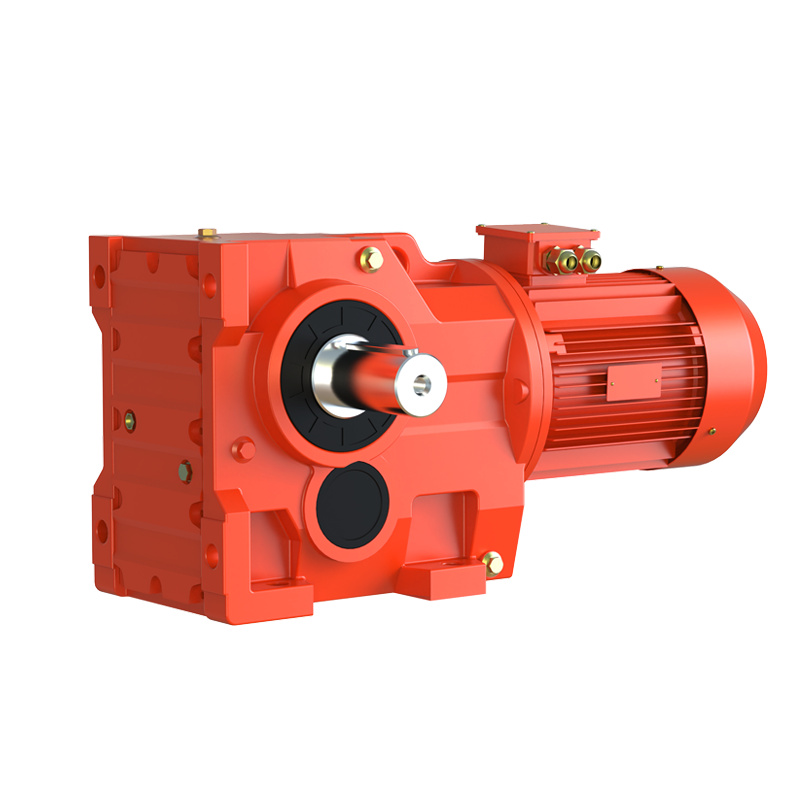
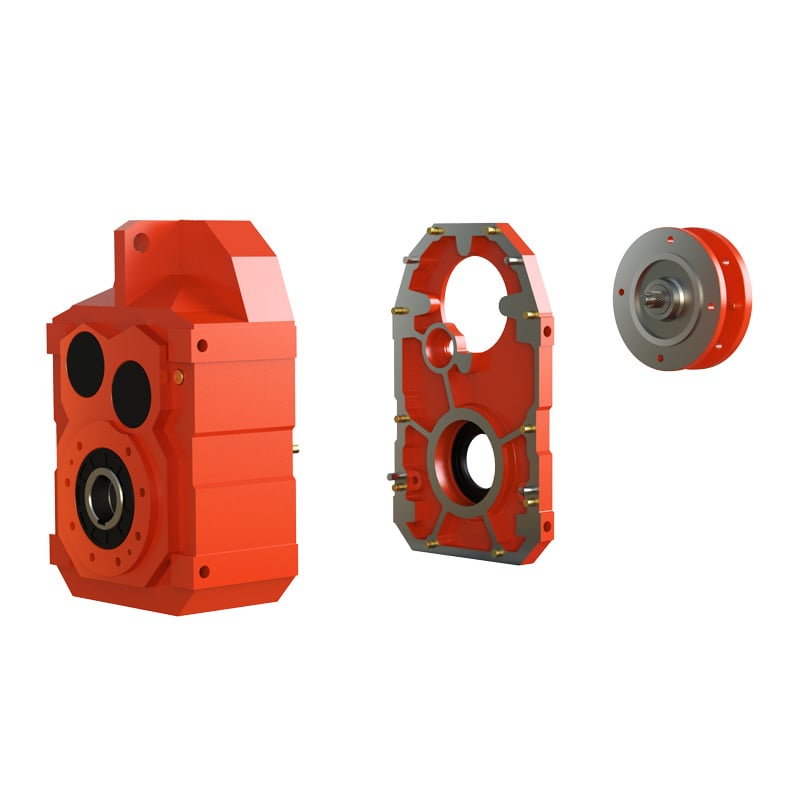
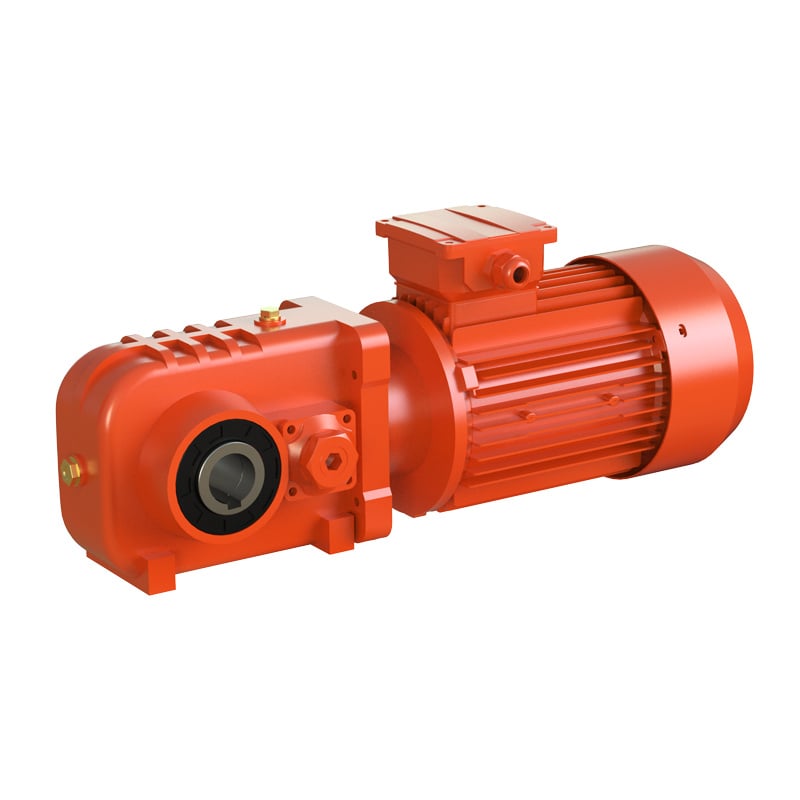
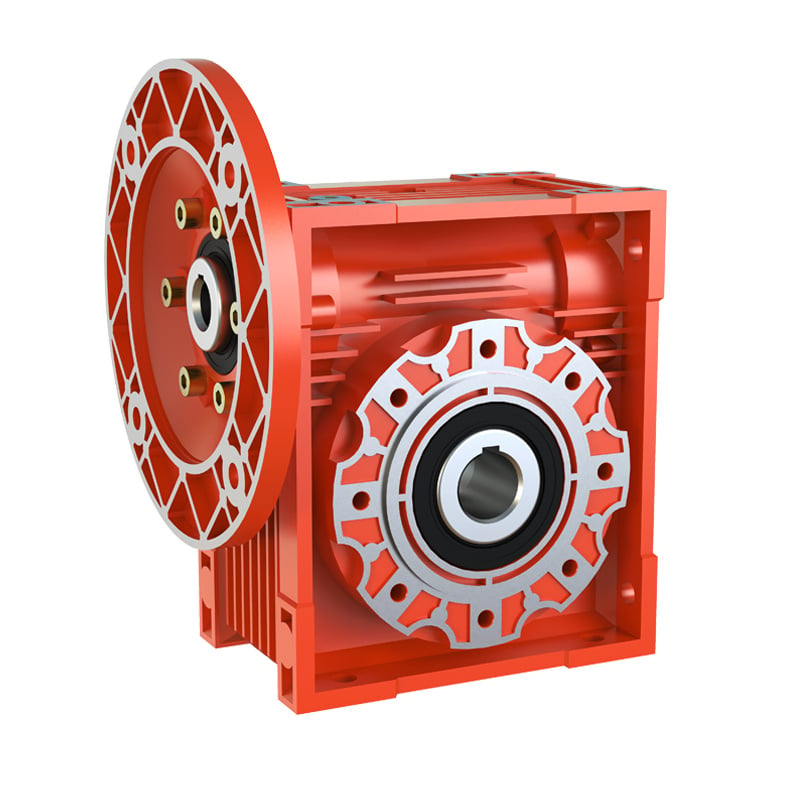
In the production of worm gears (WMRV) and helical gearboxes (WR/WK/WF/WS), heat treatment of parts is essential. Here are some common heat treatment methods:
Normalizing
Purpose: Post-forging/casting "microstructure preparation," refining grain size and improving machinability.
Simply put: Paves the way for subsequent machining and heat treatment, or is used for gears with less demanding requirements.
Quenching and Tempering
Purpose: Quenching followed by high-temperature tempering to obtain a strong and tough core.
Simply put: Creates the "strong and tough inner core" of gears, an essential preparatory process for heavy-duty gears.
Surface Hardening
Purpose: Heating only the tooth surface and rapidly cooling to achieve an outer hardness and inner toughness.
Simply put: The most common solution for medium-hard tooth surfaces, highly efficient with minimal deformation.
Carburizing and Quenching
Purpose: Allows carbon to "eat" into the surface of low-carbon steel before quenching, resulting in an extremely hard surface layer and an extremely tough core.
Simply put: The gold standard for heavy-duty, high-speed, and impact-prone gears (such as automotive transmission gears).
Nitriding
Purpose: Allows nitrogen to penetrate the surface at low temperatures, achieving ultra-high hardness, wear resistance, and corrosion resistance.
Simply put: Minimal deformation, suitable for precision gears, complex gears, and corrosive environments.
Would you like to know more about gear reducers? leave me a message.
 Hot News
2026-08-26
2026-08-18
2026-08-15
2026-08-11
2026-07-31
2026-07-29
Welcome to Wuma , a manufacturer committed to developing and manufacturing various types of gear reducers and gearmotors for the field of gear transmission.
No. 10, Xiangcun Industrial Zone, Dongyuan Town, Qingtian County, Lishui City, Zhejiang, China
Copyright © Zhejiang Wuma Drive Co., Ltd All Rights Reserved Privacy Policy Blog
 EN
EN