1.Ocular Inspection
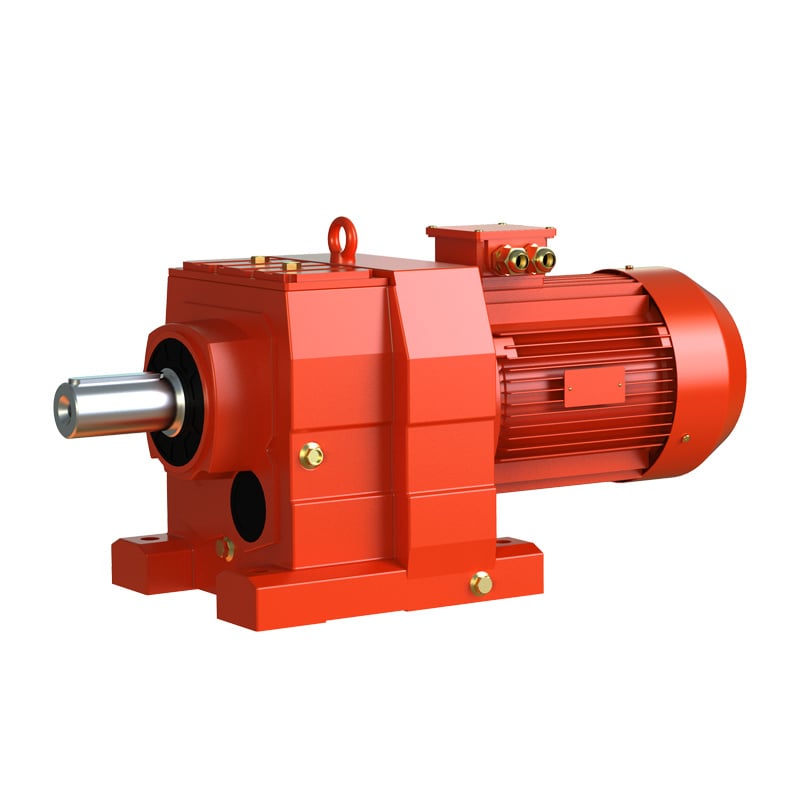
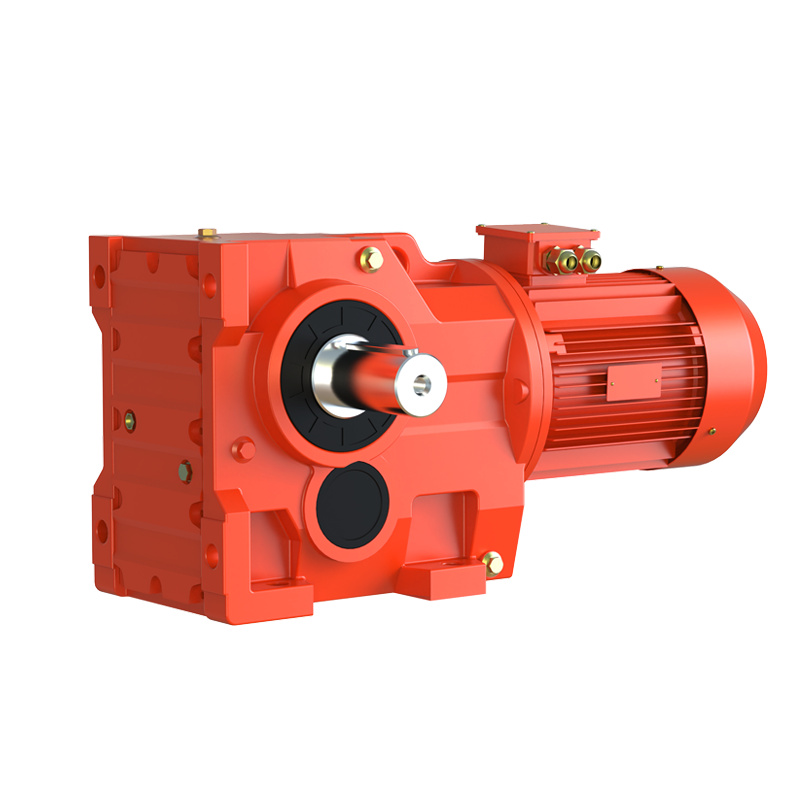
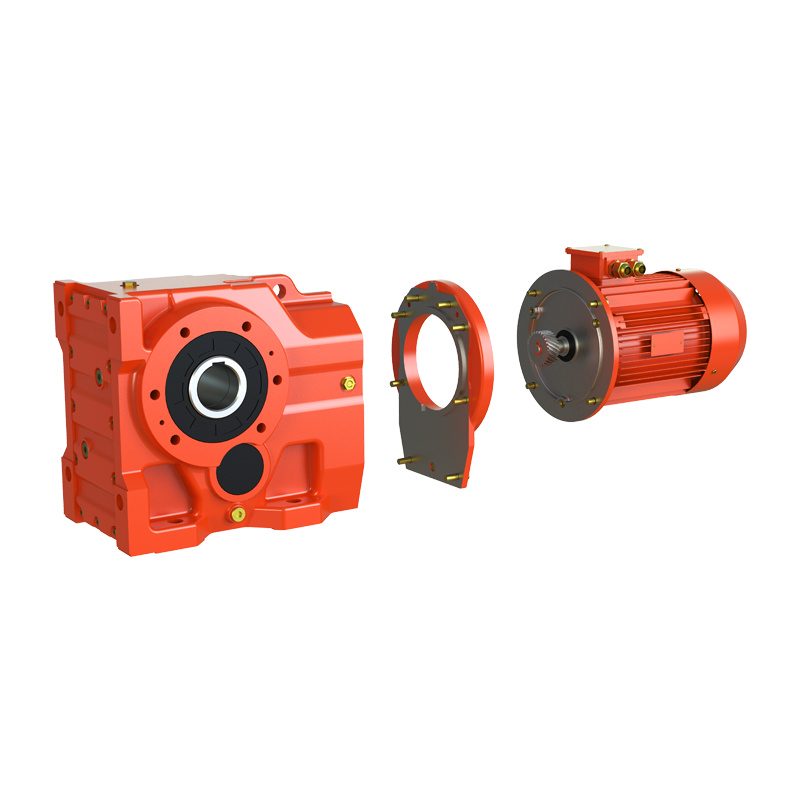
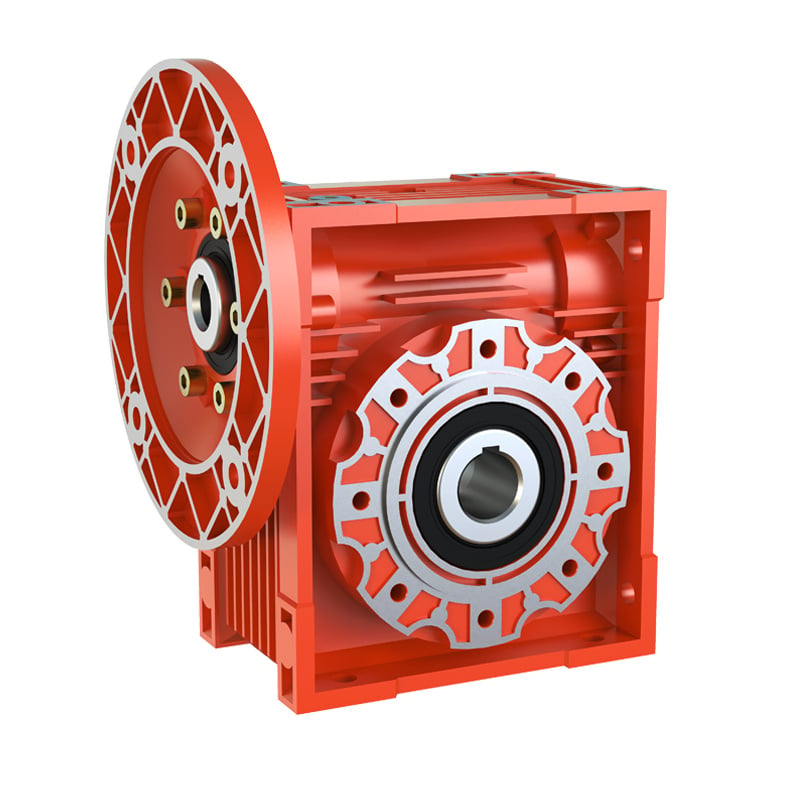
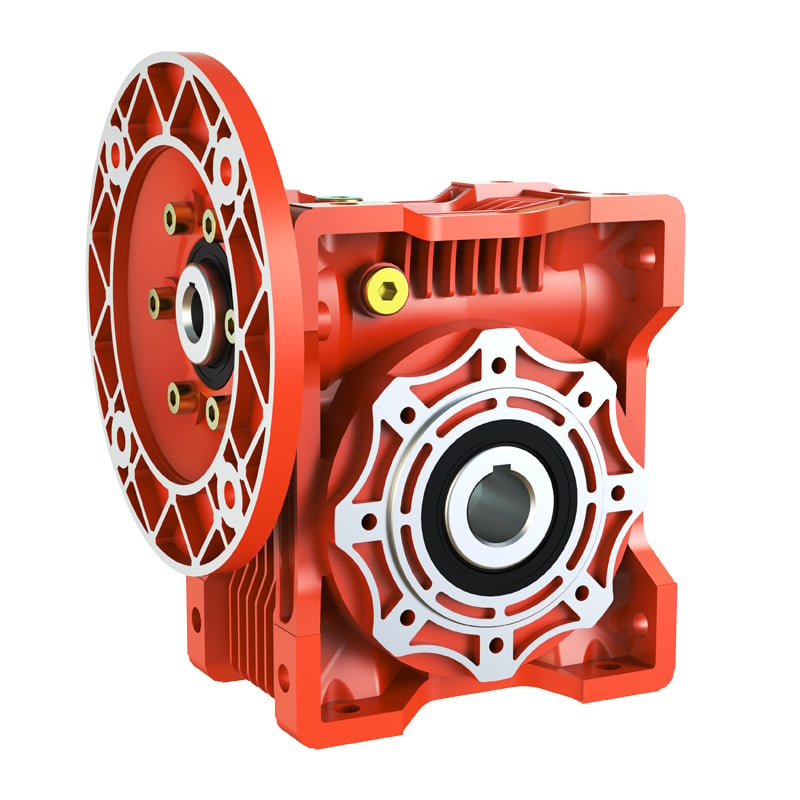
Before any inspection, we need to conduct an external visual inspection of the reducer, which can help us quickly identify any problems with the reducer.
(1)Check if there are any dents or cracks on the surface of gearboxes.
(2)Check if there is any oil leakage, such as around the oil seals, gaskets and oil plugs.
(3)Check if the fan is damaged.
(4)Check if the nameplate is unclear
2.Running Test
After the visual inspection, the reducer needs to be run at a normal speed for a period of time.
(1)Pay attention to listen for any noise and identify possible problems based on the type of noise
(2)Use a vibration meter to test the vibration level. If the vibration level is too high, stop the operation immediately
(3)Use a thermometer to check the operating temperature of the reducer. If the temperature rise is too high or too low, stop the operation immediately to check for problems
(4)Check the rotation conditions of the input shaft and the output shaft
3.Lubrication Test
Proper lubrication can help the reducer solve most problems
(1)The oil position should be between the lowest and highest marks on the oil level sight glass
(2)Check the color and clarity of the oil. If the oil is relatively turbid, it indicates that there are many metal particles in the oil and the internal wear of the reducer is severe
(3)Regularly take oil samples for analysis
4.Inner Construction Inspection
Arrange the internal structure inspection based on the operating time of the reducer and the results of the oil sample analysis.
(1)Remove the inspection cover to check for any abnormal odors and observe if there are any visible contaminants
(2)Check whether the gears have any abnormal marks such as corrosion or scratches
(3)Measure the gear clearance. If the clearance is too large, it indicates that the gear is damaged
(4)Check if the shafts are aligned. Excessive deviation may cause the bearings to fail
5.Bearings Inspection
The condition of the bearings determines whether the reducer can be used normally.
(1)Check the temperature during the operation of the bearing
(2)Check whether the bearings are worn or damaged.
(3)Check the bearing clearance. A large clearance indicates that the bearing has worn out
6.Fasteners Test
Some of the problems with the reducer are also related to loose fasteners.
(1)Regularly check if all bolts are loose
(2)Check whether the installation bolts conform to the specified values
(3)Check whether the anchor bolts are rotten or loose
(4)Check whether there are any signs of loosening on the bolts of the installation surface
 Hot News
2026-08-26
2026-08-18
2026-08-15
2026-08-11
2026-07-31
2026-07-29
Welcome to Wuma , a manufacturer committed to developing and manufacturing various types of gear reducers and gearmotors for the field of gear transmission.
No. 10, Xiangcun Industrial Zone, Dongyuan Town, Qingtian County, Lishui City, Zhejiang, China
Copyright © Zhejiang Wuma Drive Co., Ltd All Rights Reserved Privacy Policy Blog
 EN
EN