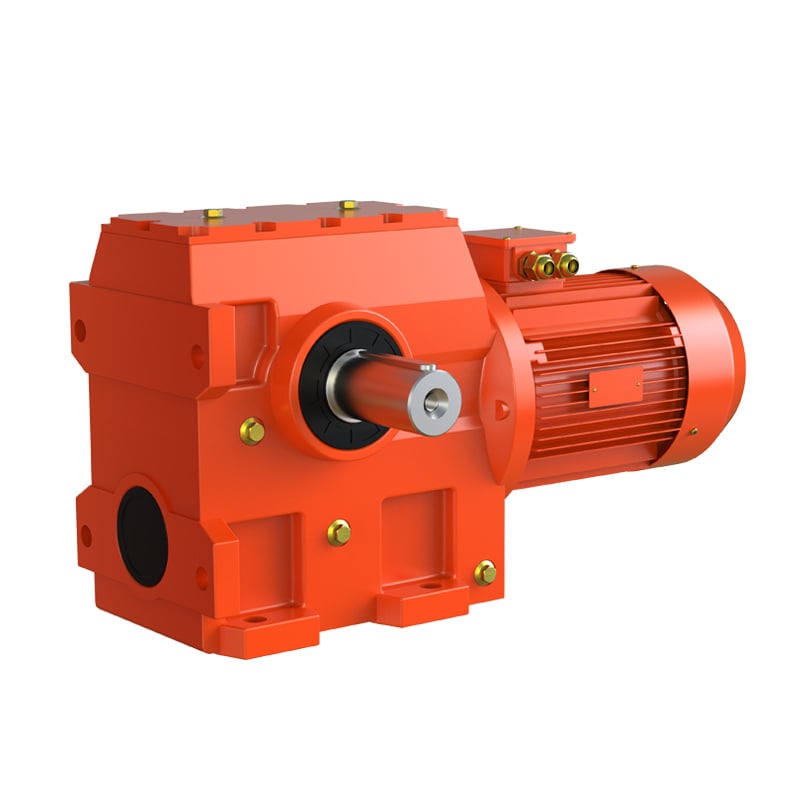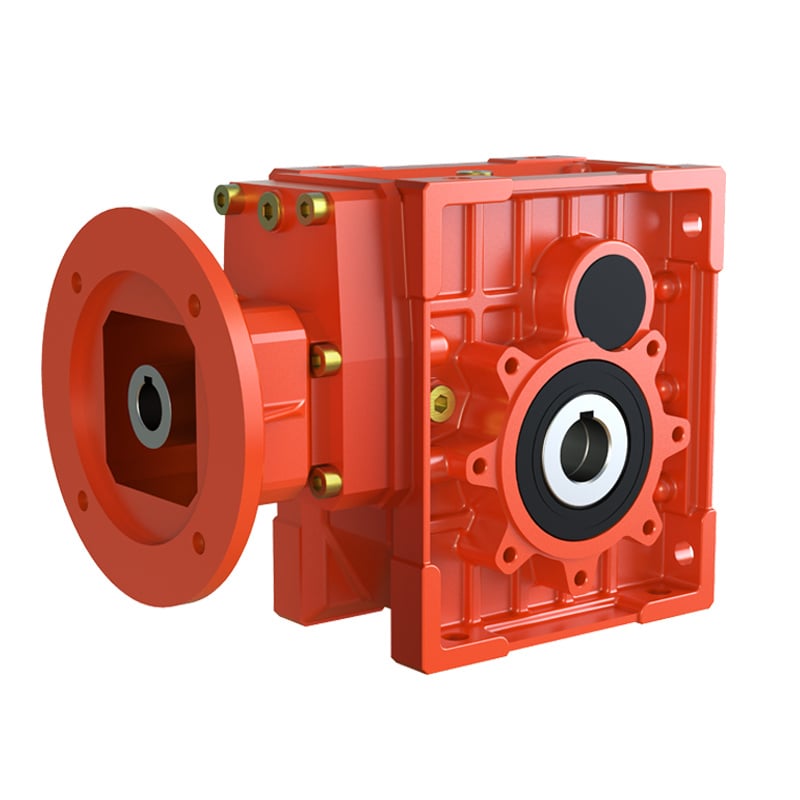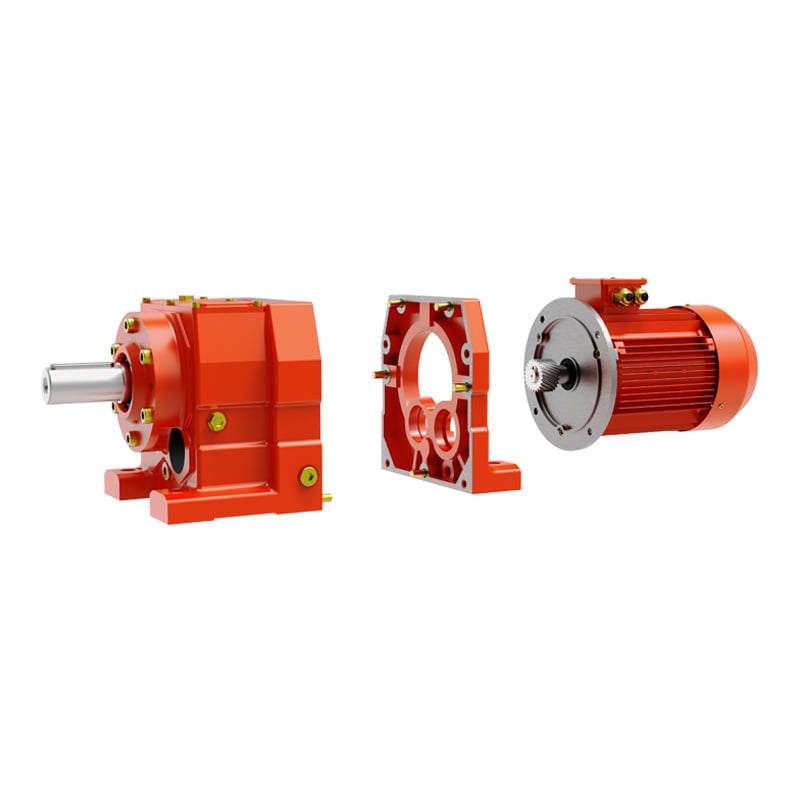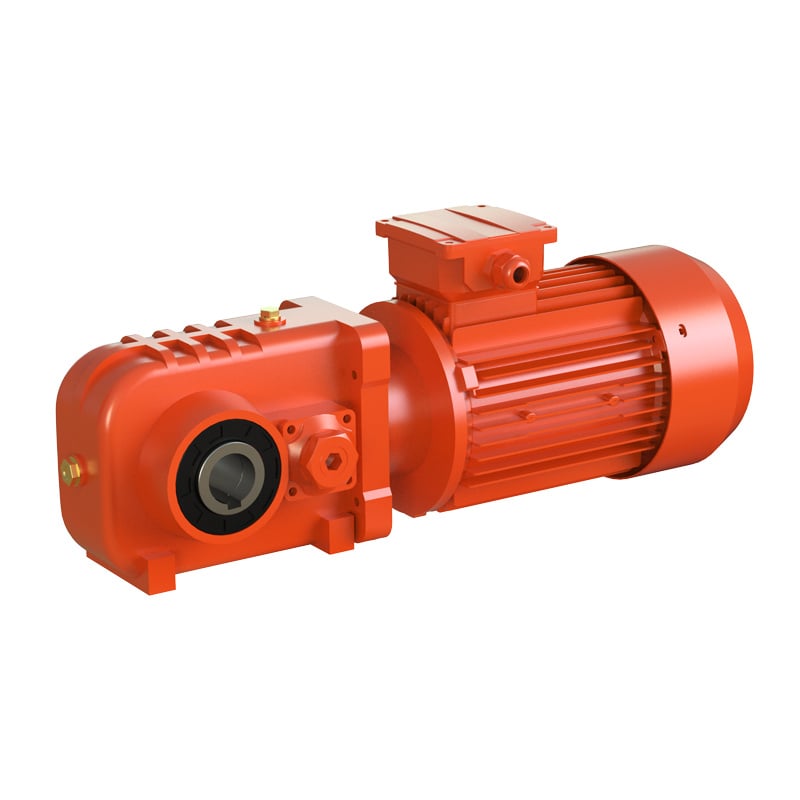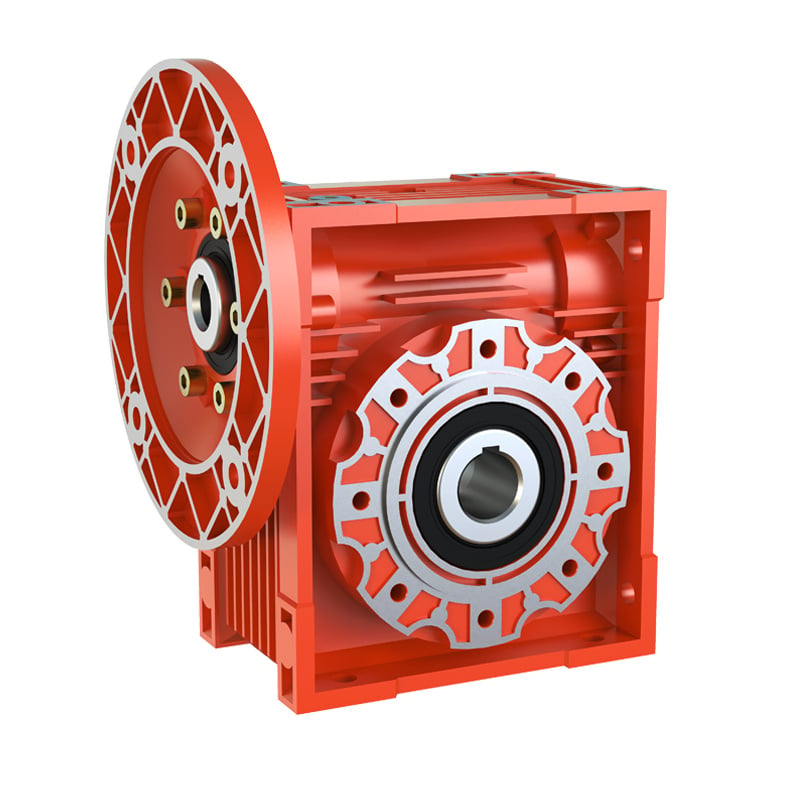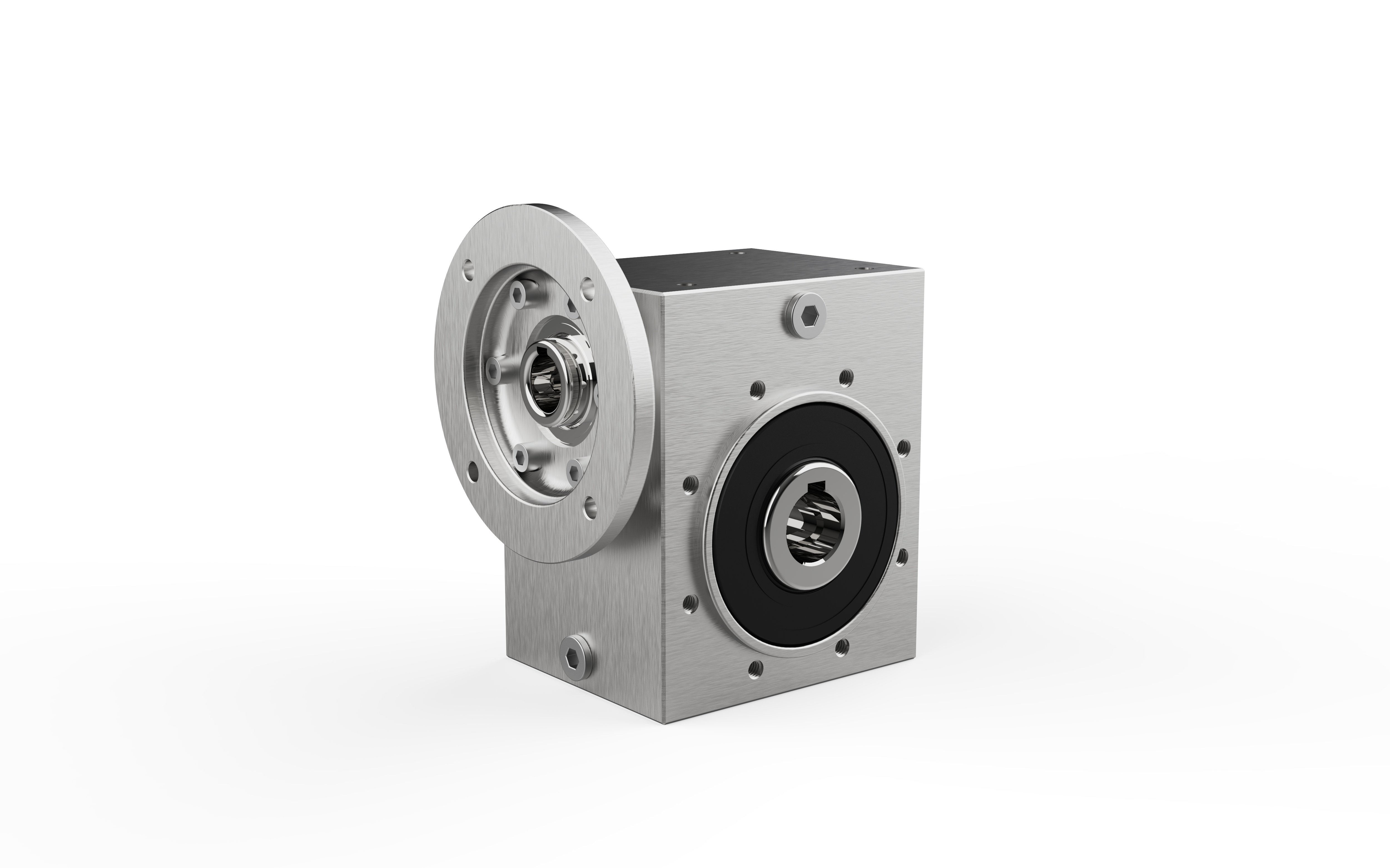
Achieving durable paint adhesion on cast iron and aluminum gear casings requires rigorous execution at each production stage. At Wuma Drive, housing surface finishing follows a continuous five-stage standard operating procedure:
The casing surface is thoroughly cleaned to remove dust, stubborn grease, and cutting oils, then dried with heat or microfiber cloths and wiped with alcohol before priming. Any surface rust is completely eliminated using wire brushing or blasting, and treated immediately to prevent re-oxidation of bare metal.
Bare metal surfaces are ground using coarse 50–60 mesh abrasive materials or steel wool. This creates an optimal microscopic tooth profile that significantly enhances primer bonding and prevents paint delamination under operational vibration.
Before paint application, technicians carefully seal all areas that must remain bare metal—including output shaft extensions, motor pilot bores, oil seal seats, bearings, breather vents, and nameplates. Masking paper, high-grade tape, and form-fitting plugs block openings to stop paint from seeping into internal components.
High-adhesion primers and protective topcoats with superior moisture, impact, and corrosion resistance are selected based on the operating environment. Spray guns maintain consistent distance and steady speed; a thin-coat, multi-layer technique (typically 2 to 4 coats) is applied to ensure even leveling, rich color saturation, and complete protection without runs or sags.
Freshly coated gearboxes cure in a well-ventilated, temperature-stable environment (approx. 20°C / 70°F) away from extreme heat or direct sunlight to prevent bubbling or cracking. Once fully dried, the paint film undergoes thickness verification and surface polishing to ensure a smooth, durable, and defect-free finish.
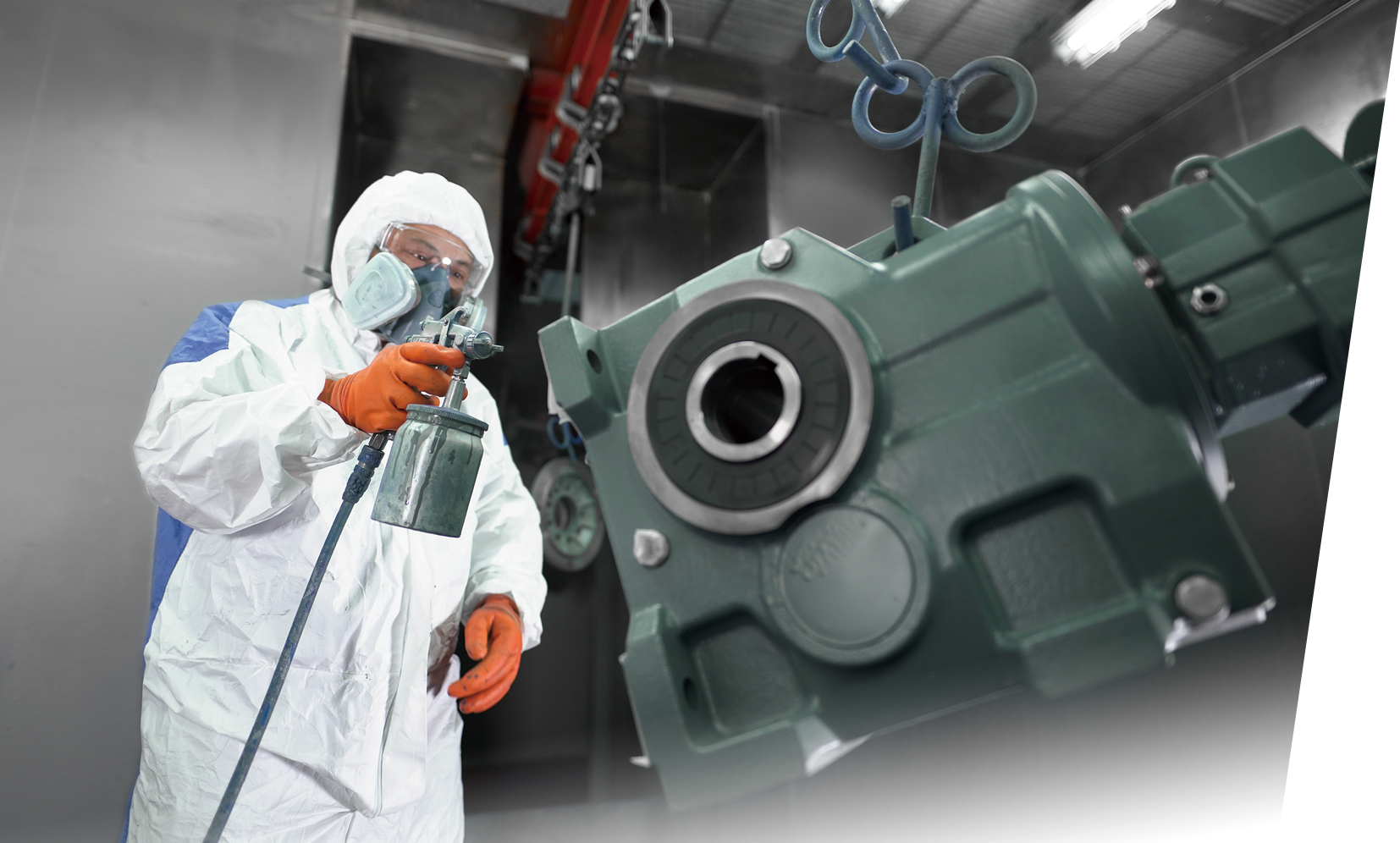
Figure 1: Precision spray painting operation on Wuma Drive's gearbox coating line.
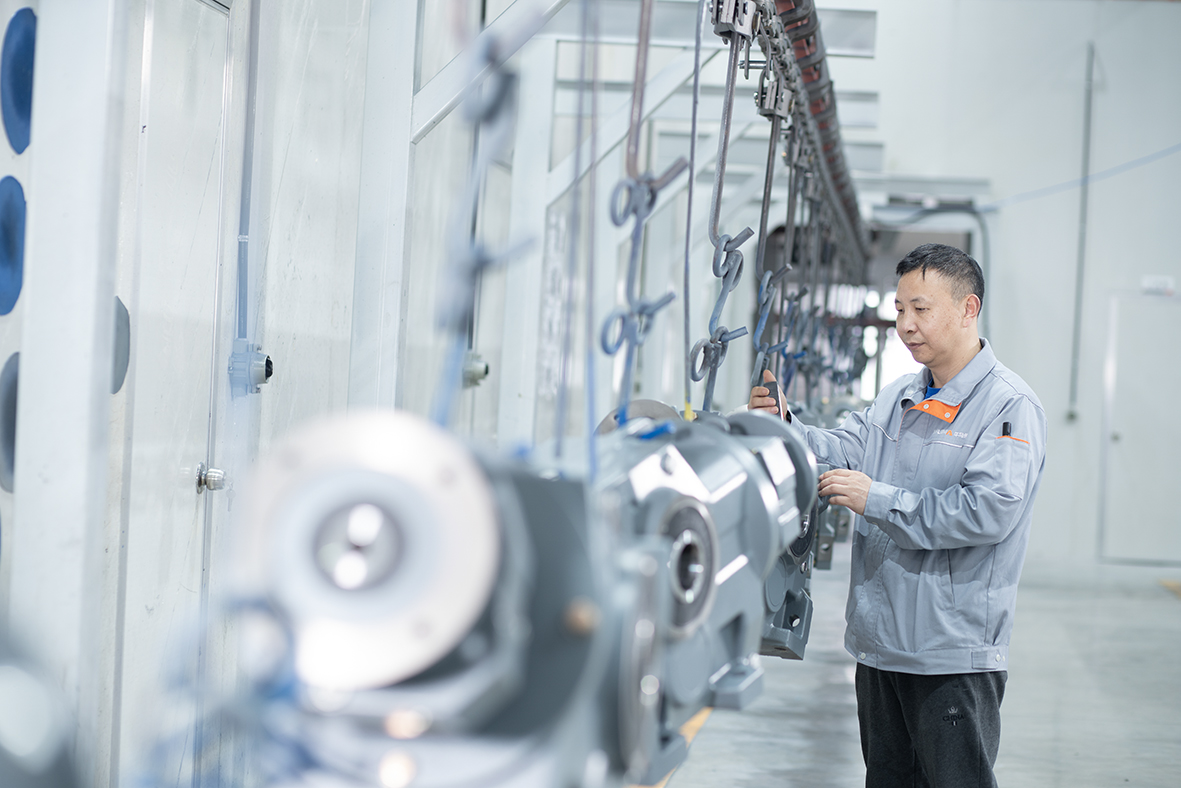
Figure 2: Quality technician verifying dry film thickness (DFT) on cured gearbox housing.
Corrosion protection is never one-size-fits-all. Under-protection causes premature casing rust and oil contamination, while over-protection inflates unnecessary procurement capital. Wuma Drive provides engineered coating systems categorized under ISO 12944-2 atmospheric corrosivity classes:
| Corrosivity Class | Target Environment | Typical Coating System | Total DFT (μm) | Durability Category |
|---|---|---|---|---|
| C1 (Very Low) | Heated indoor facilities, clean air, low humidity (logistics warehouses, clean manufacturing). | Single/two-layer modified alkyd or primer + enamel. | 60 – 80 μm | High (> 15 years) |
| C2 (Low) | Unheated indoor spaces with occasional condensation (general factory assembly workshops). | Synthetic resin primer + polyurethane topcoat. | 80 – 120 μm | Medium – High (7–15 yrs) |
| C3 (Medium) | Urban and industrial atmospheres, moderate SO2; humid workshops (food/beverage packaging, breweries). | Epoxy primer + 2-pack polyurethane topcoat. | 120 – 160 μm | High (> 15 years) |
| C4 (High) | Chemical plants, coastal zones with moderate salinity, outdoor mining conveyors, water treatment units. | Zinc-rich epoxy primer + intermediate epoxy barrier + 2-pack aliphatic polyurethane. | 180 – 240 μm | High (> 15 years) |
| C5 (Very High / Marine) | Offshore platforms, ship harbors, severe chemical splash areas, extreme industrial condensation. | High-build epoxy glass-flake/zinc + high-durability fluoropolymer or aliphatic polyurethane. | 240 – 320+ μm | Very High (> 25 years) |
Standardizing on a certified, scalable painting workflow yields direct economic and operational advantages for OEM engineers and plant maintenance teams:
Indoor automated assembly lines do not incur the high cost of offshore marine coatings. We tailor the paint chemistry and film thickness strictly to your operating parameters.
In food and pharmaceutical machinery, paint flakes entering the product stream trigger catastrophic recalls. Our C3–C4 systems withstand high-pressure washdowns without blistering or peeling.
Each dispatched gearbox records its verified surface treatment specification and inspection log on file, ensuring compliance during customer technical audits.
By neutralizing surface porosity on sand-cast ductile iron and high-pressure die-cast aluminum, our coating systems prevent subsurface pitting and fatigue cracking.
Surface coating is only one link in Wuma Drive's fully integrated powertrain manufacturing chain. It coordinates directly with upstream precision machining and downstream acoustic/running validation:
C1 coatings are single or double-layer systems (DFT 60–80 μm) designed for clean, heated indoor environments with neutral air. C5 coatings are heavy-duty, multi-layer epoxy-polyurethane systems (DFT 240–320+ μm) engineered for aggressive chemical atmospheres, industrial wastewater, or offshore marine salt spray.
Masking protects critical functional interfaces—including machined shaft extensions, oil seal contact lips, mounting pilot flanges, breather vents, and nameplates. Overspray onto these surfaces causes seal leakage, shaft runout, alignment errors, and motor coupling seizure.
Thorough degreasing, rust removal, and mechanical surface grinding create a clean, textured anchor profile on bare metal. This eliminates residual oils and oxidation, maximizing primer bonding and preventing paint peeling or flaking under harsh working conditions.
Yes. Wuma Drive's automated painting line accommodates custom RAL specifications, specialized high-temperature coatings, and customer-defined dry film thicknesses certified by dry-film thickness gauges and cross-cut adhesion testing.
From food-grade washdown lines to heavy-duty marine port conveyors, Wuma Drive engineers provide customized ISO 12944 C1–C5 coating specifications for your mechanical equipment.
 Hot News
2026-08-26
2026-08-18
2026-08-15
2026-08-11
2026-07-31
2026-07-29
Welcome to Wuma , a manufacturer committed to developing and manufacturing various types of gear reducers and gearmotors for the field of gear transmission.
No. 10, Xiangcun Industrial Zone, Dongyuan Town, Qingtian County, Lishui City, Zhejiang, China
Copyright © Zhejiang Wuma Drive Co., Ltd All Rights Reserved Privacy Policy Blog
 EN
EN